

Monthly Subscription Starting at AED 99 + VAT

- Level Foundation
- المدة 12 ساعات hours
- الطبع بواسطة University of Manchester
-
Offered by

عن
Welcome to the Global Health and Humanitarianism MOOC. We are delighted to have you with us, and hope that the next six weeks will provide an interesting and thoughtful experience for you. We hope the course will give you an overview of global health and humanitarianism in theory and in practice. These fields overlap, and are connected, in many significant ways. However, we have used three key themes to explore our subjects: each key theme will be discussed over two week blocks by specialist course lecturers, and supported by unique video perspectives by three keynote speakers who are leading specialists in the field. - Weeks 1 & 2: An Introduction to Global Health Dr Amy Hughes MBE; - Weeks 3 & 4: Humanitarian Responses and Dilemmas Dr Tim Jacoby; - Weeks 5 & 6: The Right to Humanitarian Assistance and the Responsibility to Protect Dr Kirsten Howarth. To get the best out of the course we encourage you to try and set aside a few hours each week. This will give you time to work through videos, written materials and linked resources, and to get involved with discussion with other learners. We have provided a variety of different readings, resources and suggested activity based on the course content. Some will be essential to your understanding of the MOOC themes, and to assessment (if you have chosen to take part in assessment activity). Others will be for those of you who want to discover more about a particular subject or perspective, or to make your own study of global health or humanitarianism in action. Check through the weekly resources and content to find out which best suit your needs. During the course we will look at a range of different opinions and debates, linked to key themes and addressing ethics and moral issues. We hope you will be inspired and encouraged to explore and share your own perspectives, and those of others, throughout the course. Different viewpoints are essential to understanding global health and humanitarian practice. We hope you enjoy the next six weeks finding out about Global Health and Humanitarianism, and look forward to hearing from you on the discussion boards.الوحدات
Pre-course Information
-
 1
Videos
1
Videos
-
 2
Readings
2
Readings
1
Videos
- Global Health and Humanitarianism MOOC Introduction
2
Readings
- Course Details and Information
- About the Humanitarian and Conflict Response Institute (HCRI)
Week 1
-
5
Videos
-
5
Readings
-
 1
Discussion
1
Discussion
1
Discussions
- Week 1 Discussion
5
Videos
- Video 1.0: IFRC Introduction to Global Health (04:21)
- Video 1.1: What is Global Health? (03:20)
- Video 1.2: Perspectives on Global Health (09:59)
- Video 1.3: Equity of Access to Healthcare (01:49)
- Video 1.4: Maternal Healthcare (04:46)
5
Readings
- Welcome to Week 1
- Introduction to Global Health, Dr Amy Hughes MBE
- Equity of Access to Healthcare
- Maternal Healthcare
- Week 1 Wrap Up
Week 2
-
5
Videos
-
4
Readings
-
2
Discussion
-
 1
Assignment
1
Assignment
 1
Assignment
1
Assignment
- Weeks 1 & 2 Quiz
2
Discussions
- Case Study Discussions (Week 2)
- Week 2 Discussion
5
Videos
- Video 2.1: Week 2 Introduction (00:54)
- Video 2.2: The Spread of Disease (including League of Nations Case Study) (03:01)
- Video 2.3: Case Study: Pandemic Influenza Outbreak, WW1 (05:17)
- Video 2.4: Origins of Global Health (02:39)
- Video 2.5: GH Non Communicable Diseases (03:52)
4
Readings
- Week 2's Focus
- Origins of Global Health
- GH Non Communicable Diseases
- Week 2 Wrap Up
Week 3
-
3
Videos
-
2
Readings
-
1
Discussion
1
Discussions
- Week 3 Discussion
3
Videos
- Video 3.1: Humanitarian Response: An Introduction (04:56)
- Video 3.2: Disaster and Humanitarian Response: Social Aspects (14:54)
- Video 3.3: Understanding Humanitarian Responses (09:35)
2
Readings
- Introduction to Week 3
- Week 3 Wrap Up
Week 4
-
3
Videos
-
2
Readings
-
1
Discussion
-
1
Assignment
1
Assignment
- Weeks 3 & 4 Quiz
1
Discussions
- Week 4 Discussion
3
Videos
- Video 4.1: Humanitarian Dilemmas (11:36)
- Video 4.2: Perspectives on Humanitarian Ethics and Principles (22:04)
- Video 4.3: Operational Responses to Humanitarian Dilemmas (09:02)
2
Readings
- Introduction to Week 4
- Week 4 Wrap Up
Week 5
-
4
Videos
-
4
Readings
-
1
Discussion
1
Discussions
- Week 5 Discussion
4
Videos
- Video 5.1: Humanitarian Assistance: An Introduction (05:26)
- Video 5.2: Humanitarian Assistance and Armed Conflict: International Conventions (08:01)
- Video 5.3: Humanitarian Assistance and Natural Disaster: International Customs (07:05)
- Video 5.4: The Right to Humanitarian Assistance: Challenges (04:55)
4
Readings
- Introduction to Week 5
- Additional Information for Video 5.3
- Week 5 Case Study
- Week 5 Wrap Up
Week 6
-
4
Videos
-
5
Readings
-
1
Discussion
-
1
Assignment
1
Assignment
- Weeks 5 & 6 Quiz
1
Discussions
- Week 6 Discussion
4
Videos
- Video 6.1: The Origins of Responsibility to Protect (R2P) (08:22)
- Video 6.2: Development and Controversies of R2P (06:01)
- Video 6.3: Challenges to R2P (10:38)
- Video 6.4: Exploring challenges to R2P (07:36)
5
Readings
- Introduction to Week 6
- UN accepted 'Outcome Document on R2P'
- Extra Information and Perspectives about R2P
- Week 6 Wrap Up
- Thank you
More information on HCRI
-
1
Videos
1
Videos
- Introduction to HCRI (03:08)
Auto Summary
Explore "Global Health and Humanitarianism," a six-week Coursera course guided by experts Dr. Amy Hughes, Dr. Tim Jacoby, and Dr. Kirsten Howarth. Delve into global health, humanitarian responses, and the ethics of humanitarian assistance. Engage with diverse resources, participate in discussions, and broaden your understanding of these crucial fields. Ideal for those in personal development, the course offers starter and professional subscription options.

Justice and Equity in Technology Policy
More than ever, technology is shaping, and being shaped by, public policy. This has an enormous impact, particularly for marginalized communities. The artificial intelligence and computer algorithms increasingly driving government and industry decisions—from the allocation of social services to hiring—are reflecting and reinforcing social biases towards women, people of color, and disabled people, among others. Global climate change is having a disproportionately negative impact on low- and middle-income countries, and on historically disadvantaged communities of color in the United States.
Monthly Subscription Starting at AED 99 + VAT
- Level Foundation
- المدة 38 ساعات hours
- الطبع بواسطة University of Michigan
-
Offered by
عن
More than ever, technology is shaping, and being shaped by, public policy. This has an enormous impact, particularly for marginalized communities. The artificial intelligence and computer algorithms increasingly driving government and industry decisions—from the allocation of social services to hiring—are reflecting and reinforcing social biases towards women, people of color, and disabled people, among others. Global climate change is having a disproportionately negative impact on low- and middle-income countries, and on historically disadvantaged communities of color in the United States. Communities are increasingly concerned they are not benefiting from government research funding, and that the regulation of emerging technologies is inadequate. The interconnectedness of technology, policy, and equality raises crucial questions for scientists, technologists, and leaders in public policy, civil society, and industry. How can technology be built, implemented, and governed more equitably? How can the concerns of marginalized communities be integrated better into technology and related policies? How should community knowledge and concerns be integrated with technical expertise and scientific evidence in the development of public policies? This course aims to help learners understand how inequity and injustice can become embedded in technology, science, and associated policies, and how this can be addressed. Combining real-world cases with scholarly insights, this course introduces learners to these challenges and offers tools for navigating them. You will learn about: - The landscape of technology policymaking - How technology, and related policies both reflect and reinforce social values, biases and politics - The power and limitations of technology in solving social problems - New ways to think about “experts” and “publics” - The politics of innovation policy The course is designed for people from diverse professional, advocacy, and academic backgrounds. No scientific, technical, or policy background is necessary.الوحدات
Welcome to the Course!
-
3
Readings
-
1
Discussion
1
Discussions
- Introduce Yourself
3
Readings
- Welcome & Meet your Instructor
- Course Syllabus
- Course Pre-Survey
Social Values
-
2
Videos
-
4
Readings
-
1
Assignment
1
Assignment
- Social Values Quiz
2
Videos
- Introduction to Equity and Justice in Technology Policy
- How do Values Shape Technology?
4
Readings
- Tips for Reading Academic Articles
- Do Artifacts Have Politics?
- Assessing the social impact of direct-to-consumer genetic testing: Understanding sociotechnical architectures
- Science in Abortion Politics and the Failure of One Laptop Per Child ft. Morgan Ames
Political Priorities
-
3
Readings
-
1
Assignment
1
Assignment
- Political Priorities Quiz
3
Readings
- The Ethics of Invention
- Algorithmic Colonization of Africa
- The UN is holding a summit on building a sustainable future for food and ag. Why are so many people upset about it?
Impacts of values, biases and assumptions shape the design
-
3
Readings
-
1
Discussion
-
1
Assignment
1
Assignment
- Impacts of Values, Biases and Assumptions Quiz
1
Discussions
- Week 1 Writing Assignment
3
Readings
- Explainer: what is surveillance capitalism and how does it shape our economy?
- What is Surveillance Capitalism?
- Surveillance capitalism in the age of Covid-19
Traditional Goals and Values
-
1
Videos
-
3
Readings
-
1
Discussion
1
Discussions
- How have different values, biases and assumptions shaped technology?
1
Videos
- Connecting Technology and Equity
3
Readings
- Marginalized Aadhaar: How the World’s Largest Digital Identification Programme Led to the Exclusion of Marginalized Communities
- How a Popular Medical Device Encodes Racial Bias
- Oximeters Used to Be Designed for Equity. What Happened?
Hiding Bias and Inequities in Language
-
4
Readings
-
1
Assignment
1
Assignment
- Hiding Bias and Inequities in Language Quiz
4
Readings
- Facial Recognition, Algorithmic Inequality, and a Racial Reckoning ft. Virginia Eubanks
- An algorithm that screens for child neglect raises concerns
- San Francisco Rations Housing by Scoring Homeless People’s Trauma. By Design, Most Fail to Qualify.
- Why it’s so damn hard to make AI fair and unbiased?
Hidden Assumptions and Embedded Inequalities in Technology Design and Development
-
4
Readings
-
1
Discussion
-
1
Assignment
1
Assignment
- Hidden Assumptions and Embedded Inequalities in Technology Design and Development Quiz
1
Discussions
- Week 2 Reflection
4
Readings
- South Africa’s private surveillance machine is fueling a digital apartheid
- Luxury Surveillance
- When an Algorithm Gets It Wrong
- Optional: Big Tech Entrenches US Power with Michael Kwet
Social Values and Political Priorities Shape Policy
-
1
Videos
-
2
Readings
-
1
Assignment
1
Assignment
- Social Values and Political Priorities Shape Policy Quiz
1
Videos
- Understanding Innovation Policy
2
Readings
- How State Funding Built Silicon Valley with Margaret O’Mara
- Innovation Policy, Structural Inequality, and COVID-19
Institutions and Patents
-
2
Readings
-
1
Assignment
1
Assignment
- Institutions and Patents Quiz
2
Readings
- Private Patents, Public Health
- Overpatented, Overpriced
Science and Technology Policy and Equity
-
2
Readings
-
1
Assignment
1
Assignment
- Science and Technology Policy and Equity Quiz
2
Readings
- The Practices of Objectivity in Regulatory Science
- Why does the state allow environmental inequalities to persist?
Hiding Bias and Inequities in Technology Regulation
-
1
Videos
-
3
Readings
-
1
Discussion
-
1
Assignment
1
Assignment
- Hiding Bias and Inequities in Technology Regulation Quiz
1
Discussions
- Week 3 Reflection
1
Videos
- Understanding Regulatory Policy
3
Readings
- Saving Science, The New Atlantis
- The Return of Biological Race? Regulating Race and Genetics Through Administrative Agency Race Impact Assessments
- Optional: Racism is baked into patent systems
Rethinking Expertise
-
1
Videos
-
1
Readings
-
1
Assignment
1
Assignment
- Rethinking Expertise Quiz
1
Videos
- Rethinking Expertise
1
Readings
- Misunderstood misunderstanding: social identities and public uptake of science
Expertise and Public Mistrust
-
3
Readings
-
1
Discussion
1
Discussions
- Experiential Expertise Discussion
3
Readings
- ACT-UP: A History of HIV/AIDS Activism
- How and Why Patients Made Long Covid
- ‘We Do Not Want Fake Energy’: The Social Shaping of a Solar Micro-grid in Rural India
Expanding Expertise
-
1
Videos
-
2
Readings
-
1
PeerReview
-
1
Assignment
1
Assignment
- Expertise, Mistrust and Expanding Expertise Quiz
1
Peer Review
- Week 4 Assignment
1
Videos
- Valuing Non-Traditional Expertise in Technology Policy
2
Readings
- A global observatory for gene editing
- Integrating Public Deliberation into Engineering Systems: Participatory Technology Assessment of NASA's Asteroid Redirect Mission
Rethinking Design
-
1
Videos
-
2
Readings
-
1
Discussion
1
Discussions
- Rethinking Design Discussion
1
Videos
- Considering Equity Upstream
2
Readings
- What is Design for Social Justice?
- Rethinking Success and Failure in Community-Oriented Engineering
Community Based Design
-
1
Videos
-
3
Readings
-
1
Assignment
1
Assignment
- Community Based Design Quiz
1
Videos
- Rethinking Design for Equity and Justice
3
Readings
- Designing Accessible Fashion for People with Disabilities
- Assessing Watershed Scarcity and Watershed Development in Maharashtra, India: A Case Study of the Baliraja Memorial Dam
- Rooted in Recognition: Indigenous Environmental Justice and the Genetically Engineered Chestnut Tree
Framework for Responsible Innovation
-
4
Readings
-
1
Discussion
-
1
PeerReview
1
Peer Review
- Week 5 Assignment Peer Review
1
Discussions
- Framework for Responsible Innovation Reflection
4
Readings
- NASEM Fostering Responsible Computing Research--Foundations and Practices
- Developing a Framework for Responsible Innovation
- [Optional] Case Study: China
- [Optional] Power to the People? Opportunities and Challenges for Participatory AI
Rethinking Technology Policy For Equity
-
1
Videos
-
4
Readings
1
Videos
- Rethinking Technology Policy For Equity
4
Readings
- [Optional] Innovation as a Force for Equity
- Industrial Policy's Comeback
- Mariana Mazzucato and Raghuram Rajan on Building Back Post-Pandemic
- [Optional] Maximizing Good Innovation
Democratic Engagement
-
3
Readings
-
1
Assignment
1
Assignment
- Rethinking Technology Policy for Equity and Democratic Engagement Quiz
3
Readings
- Examining the Black Box: Tools for Assessing Algorithmic Systems
- The Citizens' Biometrics Council
- What's in the Chatterbox?
Change in Governance of Technology
-
1
Discussion
-
1
PeerReview
1
Peer Review
- Final Assignment
1
Discussions
- Multiple Perspectives Activity
Course Conclusion
-
2
Readings
-
1
Discussion
1
Discussions
- Share what's next for you!
2
Readings
- Course Post-Survey
- Continue learning from the Ford School of Public Policy and the Science, Technology, and Public Policy Program
Auto Summary
Discover "Justice and Equity in Technology Policy," a foundational course designed to explore the intersection of technology, policy, and social justice. Led by Coursera, this course delves into how technology and public policy impact marginalized communities, addressing topics like AI biases, climate change, and equitable innovation. Ideal for professionals, advocates, and academics from all backgrounds, the course spans 2280 minutes and offers Starter and Professional subscription options. Engage with real-world cases and scholarly insights to understand and navigate the complexities of creating just and equitable technological policies.

Designing Learning Innovation
Where to start to innovate your teaching? But before that, what does it mean to innovate in the classroom?
Monthly Subscription Starting at AED 99 + VAT

- Level Foundation
- المدة 24 ساعات hours
- الطبع بواسطة Politecnico di Milano
-
Offered by
عن
Where to start to innovate your teaching? But before that, what does it mean to innovate in the classroom? Designing Learning Innovation aims to put the designing culture at the service of learning innovation, supporting those who do not have a specific pedagogical background and those who wish to learn the basic tools of a good teaching design then to continue exploring the frontiers of innovation. A set of logical and methodological tools to innovate teaching, finding the most suitable approaches with one’s own vision of the teaching-learning experience. INTENDED LEARNING OUTCOMES (ILOs) If you actively participate in this course, at the end you will be able to: Use basic theoretical-methodological tools (such as Constructive Alignment and the Learning Innovation Network) to enhance teaching coherence between learning objectives, assessment methods and learning experiences; apply pedagogical frameworks of the active learning methodology to the design either an individual teaching module or an entire teaching path; evaluate advantages and disadvantages, in the field of your own teachings, of traditional evaluation approaches compared to the new assessment strategies, in particular those oriented to the formative evaluation; apply simple strategies for managing the active class in small, medium and large classrooms; designing and producing quality teaching materials also enhancing the availability of “Open Educational Resources”. THE MOOC-BOOK: MATERIALS AND ACTIVITIES The MOOC is realized in a strongly integrated way with the book “Designing Learning Innovation” published by Pearson (the english version is the translation of the italian one already published and accessible here https://www.bookrepublic.it/ebook/9788891926067-designing-learning-innovation-pearson/) In the course you will find video lessons and infographic articulated as in the book. You will also encounter different types of activities which will contribute to make your experience richer and more complete.الوحدات
Designing Learning Innovation
-
1
Videos
-
2
Readings
1
Videos
- Designing Learning Innovation
2
Readings
- How this course work
- The MOOC-BOOK: to know more...
Let's think about it together
-
1
Readings
-
1
Discussion
-
1
Assignment
1
Assignment
- Anticipation test
1
Discussions
- Key elements in a process of learning innovation
1
Readings
- Let's think about it together
The words of Learning Innovation
-
1
Readings
1
Readings
- The words of Learning Innovation
Learning Innovation
-
2
Videos
-
5
Readings
-
2
Discussion
2
Discussions
- What do you think?
- From speaker to designer
2
Videos
- What we mean by Learning Innovation
- From speaker to designer
5
Readings
- Infographics - Learning Innovation
- What do you think?
- Infographic - teacher as designer
- From speaker to designer: what do you think?
- WEEK 1 - Bibliography
Week 1 - Final Take Away Quiz
-
1
Assignment
1
Assignment
- Week 1 - Final Take Away Quiz
Starting from the end - outcomes first
-
2
Videos
-
3
Readings
-
1
Discussion
-
2
Assignment
2
Assignment
- What do you remember? Constructive Alignment
- What do you remember? The Intended Learning Outcomes
1
Discussions
- Peer Evaluation - the Intended Learning Outcomes
2
Videos
- The beauty of starting from the end
- The intended learning outcomes
3
Readings
- Infographic - Constructive Alignment - J.B. Biggs
- Infographics - The Intended Learning Outcomes
- Peer Evaluation - the Intended Learning Outcomes
Dublin Descriptors and Bloom's Taxonomy
-
2
Videos
-
3
Readings
-
1
Discussion
1
Discussions
- Extending Bloom’s taxonomy to the digital world
2
Videos
- The Dublin descriptors
- Bloom's Taxonomies
3
Readings
- Infographic - Dublin Descriptors
- Infographics - Bloom's Taxonomies
- What do you think? Extending Bloom’s taxonomy to the digital world
Week 2 - Final Take Away Quiz
-
1
Readings
-
1
Assignment
1
Assignment
- Week 2 - Final Take Away Quiz
1
Readings
- WEEK 2 - Bibliography
The reasons of Assessment
-
1
Videos
-
2
Readings
-
1
Discussion
1
Discussions
- Coffee break - how do you assess?
1
Videos
- The reasons of assessment
2
Readings
- Infographic - Formative and Summative Assessment
- Coffee break - how do you assess?
The key principles of Assessment
-
4
Videos
-
6
Readings
-
2
Assignment
2
Assignment
- What do you remember? Intended Learning Outcomes and Assessment
- What do you remember? Criteria, indicators, values
4
Videos
- The key principles of assessment
- Tests
- Criteria and indicators
- The crucial role of feedback
6
Readings
- Infographic - Constructive Alignment and Assessment
- Infographic - What kind of test?
- Infographics - Assessment rubrics
- Infographic - the features of an effective feedback
- Focus - Feedback
- Focus - the Feedback Toolkit
Involving students
-
1
Videos
-
2
Readings
-
1
Discussion
1
Discussions
- Your idea - Involving students in the assessment
1
Videos
- Involving students in the assessment
2
Readings
- Infographic - Peer Assessment / Self Assessment
- Your idea - Involving students in the assessment
Week 3 - Final Take Away Quiz
-
1
Readings
-
1
Assignment
1
Assignment
- Week 3 - Final Take Away Quiz
1
Readings
- WEEK 3 - Bibliography
Pedagogical frameworks "prêt-à-porter"
-
2
Videos
-
1
Assignment
1
Assignment
- What do you remember? Three different perspectives
2
Videos
- Pedagogical frameworks "prêt-à-porter"
- Orienting ourselves among pedagogical theories
Examples of pedagogical frameworks
-
7
Videos
-
9
Readings
-
1
Discussion
-
2
Assignment
2
Assignment
- What do you remember? Pedagogical models 1
- Infographic - Networked Learning
1
Discussions
- What do you think? Flipped classroom
7
Videos
- Gagné and learning events
- Inquiry based learning
- Problem based learning
- Kolb's cycle
- Social Learning
- Networked Learning
- Flipped Classroom
9
Readings
- Infographic - Gagné's learning events
- Infographic - Inquiry based learning
- Infographic - Problem based learning
- Infographic - Kolb's cycle
- Infographic - Social Learning
- Infographic - Networked Learning
- Infographic - Flipped classroom
- Focus - Flipped classroom
- What do you think? Flipped classroom
Peer Evaluation - Pedagogical frameworks
-
1
Readings
-
1
Discussion
1
Discussions
- Peer Assessment - Pedagogical frameworks
1
Readings
- Peer Assessment - Pedagogical frameworks
Week 4 - Final Take Away Quiz
-
1
Readings
-
1
Assignment
1
Assignment
- Week 4 - Final Take Away Quiz
1
Readings
- WEEK 4 - Bibliography
The Learning Innovation Network
-
1
Videos
-
1
Readings
1
Videos
- The Learning Innovation Network
1
Readings
- Infographic - the Learning Innovation Network
Challenge yourself!
-
1
Readings
-
1
Discussion
1
Discussions
- Challenge yourself!
1
Readings
- Challenge yourself!
The subjects of the Learning Experience
-
2
Videos
-
2
Readings
-
1
Assignment
1
Assignment
- What do you remember? The Learning Innovation Network
2
Videos
- Creating the Network
- Describing the key actors
2
Readings
- Infographic - Map of Actors
- Infographics - describing the key actors
The active classroom
-
4
Videos
-
6
Readings
4
Videos
- The active classroom
- The design of activities
- Activities for large classrooms
- Activities for medium-small classrooms
6
Readings
- Infographic - the active classroom
- Infographic - The design of activities
- Infographic - Activities for large classrooms
- Infographic - Activities for small/medium classrooms
- Focus - Active classroom
- The INSYSTED Inspirational Guide
Week 5 - Final Take Away Quiz
-
1
Readings
-
1
Assignment
1
Assignment
- Week 5 - Final Take Away Quiz
1
Readings
- WEEK 5 - Bibliography
Useful contents
-
3
Videos
-
7
Readings
3
Videos
- Contents: typology and narrative structures
- Content: format and sources
- Focus: Open Educational Resources (part 3)
7
Readings
- Infographic - typology and narrative structures
- Infographic - typology and narrative structures (2)
- Infographic - design ideas
- Infographic - OERs
- Infographic - contents of the Learning Innovation Network
- Focus: Open Educational Resources (part 1)
- Focus: Open Educational Resources (part 2)
Channels supporting the formative exchange
-
2
Videos
-
2
Readings
-
1
Assignment
1
Assignment
- What do you remember? Contents and channels
2
Videos
- Physical channels
- Digital channels
2
Readings
- Infographic - phisical channels
- Infographic - digital channels
The outside world
-
1
Videos
-
4
Readings
1
Videos
- The outside world
4
Readings
- Infographics - the outside world
- Focus - MOOC (part 1)
- Focus - MOOC (part 2)
- Focus - MOOC (part 3)
Monitoring and assessing the Learning Innovation experiences
-
2
Videos
-
2
Readings
2
Videos
- Monitoring: the quantitative dimension
- Monitoring: the qualitative dimension
2
Readings
- Infographics - monitoring: the quantitative dimension
- Infographics - Monitoring: the qualitative dimension
Week 6 - Final Take Away Quiz
-
1
Readings
-
1
Assignment
1
Assignment
- Week 6 - Final Take Away Quiz
1
Readings
- WEEK 6 - Bibliography
Auto Summary
"Designing Learning Innovation" is an engaging course that delves into the realm of educational innovation, perfect for those in personal development seeking to enhance their teaching methodologies. This course, offered by Coursera and led by experienced instructors, is tailored for individuals without a specific pedagogical background and for those eager to explore the fundamental tools of effective teaching design. Participants will gain a comprehensive set of logical and methodological tools to innovate their teaching practices. The course emphasizes understanding and applying key concepts such as Constructive Alignment and the Learning Innovation Network to ensure coherence between learning objectives, assessment methods, and learning experiences. It also focuses on the application of active learning pedagogical frameworks, the evaluation of traditional versus new assessment strategies, and the development of quality teaching materials, including the use of Open Educational Resources. The course content is closely integrated with the book "Designing Learning Innovation" by Pearson, providing a rich and complete learning experience through video lessons, infographics, and various interactive activities. Spanning a duration of approximately 1440 minutes, the course offers flexible subscription options, including Starter and Professional levels, making it accessible to a wide range of learners. Whether you're an educator looking to innovate your classroom or someone interested in the latest teaching methodologies, this foundational course provides the essential tools and insights to transform your educational approach.
Buy Now Free

- Level Professional
- المدة 3 ساعات hours
-
Offered by
عن
By the end of this project, you will build a Web App incorporating React and Redux Hooks. For the Redux architecture implementation, we will be using the Redux Toolkit since that is the recommendation from the authors of Redux. Creating a Web App using Redux simplifies state management by enforcing a unidirectional flow through the application.Auto Summary
Build a Web App incorporating React and Redux Hooks is a professional-level course offered by Coursera, focusing on state management using Redux Toolkit. Ideal for personal development, this 120-minute course guides learners through creating a web app with React and Redux Hooks, simplifying state management. Available with a Starter subscription, it's perfect for those looking to enhance their web development skills.

Create an infographic with Infogram
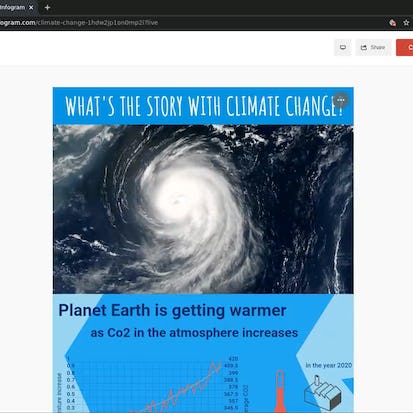
In this 2-hour long project-based course, you will learn how to design effectively an infographic with infogram.com, adding line, bar and map charts, and connecting the data story with text and visuals. Note: This course works best for learners who are based in the North America region. We’re currently working on providing the same experience in other regions.
Buy Now Free
- Level Foundation
- المدة 2 ساعات hours
- الطبع بواسطة Coursera
-
Offered by
عن
In this 2-hour long project-based course, you will learn how to design effectively an infographic with infogram.com, adding line, bar and map charts, and connecting the data story with text and visuals. Note: This course works best for learners who are based in the North America region. We’re currently working on providing the same experience in other regions.الوحدات
Practical Application via Rhyme
-
2
Readings
-
 1
Plugin
1
Plugin
-
 1
Lab
1
Lab
-
1
Assignment
1
Assignment
- Graded Quiz: Test your Project understanding
1
Labs
- Create an infographic with Infogram
2
Readings
- Project-based Course Overview
- Data files
Auto Summary
Learn to design impactful infographics using Infogram in this engaging 2-hour beginner course by Coursera. Tailored for North American learners, you'll master adding charts and connecting data stories with visuals and text, enhancing your personal development skills. Free subscription available.

Learn to Teach Java: Writing Classes and Arrays
Learn to program using Class design and 1-D Arrays in Java, and prepare to teach others using the free, online interactive CS Awesome textbook. In this course for teachers we'll guide you both in learning Java concepts and skills but also in how to effectively teach those to your students. This course will support you in teaching the Advanced Placement Computer Science A course or a similar introductory university-level programming course. We'll cover the critical Java concepts of class design and 1-dimensional arrays, as covered in the APCS A Units 5 and 6.
Monthly Subscription Starting at AED 99 + VAT

- Level Foundation
- المدة 13 ساعات hours
- الطبع بواسطة University of California San Diego
-
Offered by
عن
Learn to program using Class design and 1-D Arrays in Java, and prepare to teach others using the free, online interactive CS Awesome textbook. In this course for teachers we'll guide you both in learning Java concepts and skills but also in how to effectively teach those to your students. This course will support you in teaching the Advanced Placement Computer Science A course or a similar introductory university-level programming course. We'll cover the critical Java concepts of class design and 1-dimensional arrays, as covered in the APCS A Units 5 and 6. Each topic will begin by relating Java to block-based programming languages and then provide video overviews of CS Awesome content along with additional materials to supplement learning for your students. You'll engage with additional materials to support your teaching including "deep dive" classroom discussion questions, assessment overviews, code tracing and problem solving skills for your students, including preparation for free response coding questions.الوحدات
Welcome
-
2
Videos
-
1
Discussion
1
Discussions
- Meet your fellow learners!
2
Videos
- Welcome!
- Welcome to the Learn to Teach Java Specialization
Technology Preparation
-
2
Readings
2
Readings
- Make an Account on these Sites
- Using Googledocs in this Course
From Block to Text
-
2
Videos
2
Videos
- From Block to Text: Writing Classes
- From Block to Text: New Things with Writing Classes
Guided Textbook Learning
-
12
Videos
-
4
Assignment
4
Assignment
- CS Awesome 5.1
- CS Awesome 5.2
- CS Awesome 5.4
- CS Awesome 5.5
12
Videos
- Anatomy of a Class Part 1
- Anatomy of a Class Part 2
- Writing Constructors Part 1
- Writing Constructors Part 2
- Comments and Conditions
- Accessor Methods Part 1
- Accessor Methods Part 2
- Accessor Methods Part 3
- Mutator Methods Part 1
- Mutator Methods Part 2
- Writing Methods Part 1
- Writing Methods Part 2
Guided Textbook Learning Part 2
-
7
Videos
-
3
Assignment
3
Assignment
- CS Awesome 5.7
- CS Awesome 5.8
- CS Awesome 5.9
7
Videos
- Static Variables and Methods
- Static Variables and Methods Part 2
- Scope and Access
- Scope and Access Part 2
- this Keyword Part 1
- this Keyword Part 2
- this Keyword Part 3
Classroom Discussions
-
1
Videos
1
Videos
- Where's the Classroom Discussion Questions?
Teacher Powerup
-
6
Videos
6
Videos
- Assessment Options
- Problem Solving Skill Development
- FRQ: Step Tracker Part 1
- Class Design Skills: A Technique for making the most of APCS A specifications
- FRQ: Step Tracker Part 2
- FRQ: Step Tracker Part 3
Mastery Learning
-
2
Assignment
2
Assignment
- Unit 5 Java Mastery Quiz
- Unit 5 Teacher Mastery Quiz
From Block to Text
-
1
Videos
1
Videos
- From Block to Text: Arrays
Guided Textbook Learning
-
11
Videos
-
1
Readings
-
4
Assignment
4
Assignment
- CS Awesome 6.1
- CS Awesome 6.2 Part 1-3
- CS Awesome 6.2 4-7
- CS Awesome 6.3
11
Videos
- Array Creation and Access Part 1
- Array Creation and Access Part 2
- Array Creation and Access Part 3
- Traversing Arrays: Part 1
- Traversing Arrays: Part 2
- Traversing Arrays: Part 3
- Traversing Arrays: Part 4
- Traversing Arrays: Part 5
- Traversing Arrays: Part 6
- Traversing Arrays: Part 7
- Enhanced for Loops for Arrays
1
Readings
- Where is CS Awesome 6.4?
Classroom Discussions
-
2
Videos
-
1
Readings
-
 1
ExternalTool
1
ExternalTool
1
External Tool
- Classroom Discussions: Arrays
2
Videos
- Classroom Discussions: Teacher Guide Part 1
- Classroom Discussions: Teacher Guide Part 2
1
Readings
- Optional: Read me if you haven't used Perusall for Classroom Discussions before
Teacher Powerup
-
4
Videos
4
Videos
- Assessment Options
- FRQ Overview
- Developing Problem Solving Skills Part 1
- Developing Problem Solving Skills Part 2
Mastery Quiz
-
2
Assignment
2
Assignment
- Unit 6 Java Mastery Quiz
- Unit 6 Teacher Mastery Quiz
Auto Summary
"Learn to Teach Java: Writing Classes and Arrays" is a personal development course designed for educators looking to teach Java programming. Focused on class design and 1-D arrays, this foundation-level course supports teaching AP Computer Science A or similar introductory university courses. Offered by Coursera, the course spans 780 minutes and includes video overviews, deep dive discussions, and problem-solving activities using the CS Awesome textbook. Subscription options include Starter and Professional, making it an ideal choice for teachers aiming to enhance their Java teaching skills.
Buy Now Free

- Level Foundation
- المدة 3 ساعات hours
-
Offered by
عن
In this project-based course, you will learn to create different designs using Canva and you will learn to integrate Canva with the Mailchimp platform. You will then learn to save Canva designs to MailChimp and not only these you will also learn how you can make use of those saved designs on an email campaign in Mailchimp as an additional tutorial. This course includes Canva Introduction, Exploration of Canva Dashboard, creating designs using Canva to be stored and used in Mailchimp, and creating an email campaign. Note: This course works best for learners who are based in the North America region. We’re currently working on providing the same experience in other regions.Auto Summary
Learn to create stunning designs using Canva and seamlessly integrate them with Mailchimp in this beginner-friendly, project-based course by Coursera. Ideal for those in personal development, the course is free and lasts 180 minutes. Perfect for beginners looking to enhance their digital marketing skills.

The Art & Science of Product Management
Sponsored by AMAZON WEB SERVICES (AWS). Learn how Amazon, Facebook, Google, and Twitch PMs and lead and collaborate with an interdisciplinary team of UX designers, software engineers, AI/ML engineers.
Monthly Subscription Starting at AED 99 + VAT

- Level Foundation
- المدة 10 ساعات hours
- الطبع بواسطة Advancing Women in Tech
-
Offered by
عن
Sponsored by AMAZON WEB SERVICES (AWS). Learn how Amazon, Facebook, Google, and Twitch PMs and lead and collaborate with an interdisciplinary team of UX designers, software engineers, AI/ML engineers. Plus, practice real PM interview questions asked by Microsoft, Google, and Amazon! Featuring: * NANCY WANG, Head of Data Protection Services, Amazon Web Services; Founder and CEO, Advancing Women in Product * SANDY CARTER, Vice President for Worldwide Public Sector Programs, Amazon Web Services * PRANAVA ADDURI, Software Engineering Manager, Amazon Web Services * MINMIN YANG, Principal UX Lead, Amazon Web Services * WAHAB OWOLABI, Founder, OneReq; Diversity Business Partner, Facebook * SHARMEEN CHAPP, Vice President of Product & Engineering, Twitch Community * EJ EMEAGWALI, Product Manager, Samsara; former Product Manager, Google and Microsoft * STEPHANIE NEILL, Senior Director of Product, Twitch Commerce * GEORGE ELISSAOIS, General Manager & Director of Product Management, Amazon Web Services * NANCY RILEY, Vice President & General Manager of the Ecosystem Product Group, Hubspot * SABRINA FARMER, Vice President of Engineering for Site Reliability, Google Products This is the third of four courses in the ACE Recommended Real-World Product Management Specialization. When you complete all four courses, you can earn up to 6 college credits.الوحدات
The PM with an Eye for Design
-
4
Videos
-
1
Readings
-
1
PeerReview
-
1
Assignment
1
Assignment
- Get Design Down to an Art
1
Peer Review
- Perform Design Competitive Intelligence
4
Videos
- The PM with an Eye for Design
- Opportunities for PM-Designer Collaboration
- Minmin Yang 1 Why PMs Should Care About Design
- Minmin Yang 2 What Designers Need from PMs
1
Readings
- MIT Sloan Review: The Experience Disruptors
The AI-ML-Powered PM
-
4
Videos
-
1
Readings
-
1
PeerReview
-
1
Assignment
1
Assignment
- "Alexa, do my homework"
1
Peer Review
- Perform AI Competitive Intelligence
4
Videos
- The AI-ML-Powered PM
- Sandy Carter 1 AI in Products Everywhere
- Sandy Carter 2 AI Success from Customer Obsession
- Sandy Carter 3 AI Success from Bias for Action
1
Readings
- Concepts Mentioned in the Lecture
PMing Engineers: The Basics
-
10
Videos
-
4
Readings
-
1
Assignment
1
Assignment
- Technical PM Interview Questions 1
10
Videos
- Technical PM Interview Questions & Algorithms
- Linked Lists
- Arrays & Maps
- Trees & Combined Data Structures
- Recursion vs. Iteration
- Twitch Panel 1
- Twitch Panel 2
- Twitch Panel 3
- Twitch Panel 4
- Twitch Panel 5
4
Readings
- Log Base 2 (Binary Logs)
- Optional: Free, Easy Lists
- Optional: Arrays & Maps
- Optional: Trees
PMing Engineers: Advanced Concepts
-
12
Videos
-
3
Readings
-
2
PeerReview
-
1
Assignment
1
Assignment
- Technical PM Interview Questions 2
2
Peer Review
- PM a Web Frontend
- PM a Mobile Frontend
12
Videos
- PMing Across the Frontend
- Backing into the Backend: SQL
- Backing into the Backend: NoSQL & NewSQL
- Try My API
- The Internet is Not a Series of Tubes
- Internet-Related PM Interview Questions
- Sabrina Farmer 1 Google Product Engineering
- Sabrina Farmer 2 What Engineering Leaders Need from Their PMs
- Sabrina Farmer 3 How Engineers Shape Product Success
- Nancy Riley 1
- Nancy Riley 2
- Nancy Riley 3
3
Readings
- Optional: Learn SQL
- Optional: Yelp's API
- Please Review Our Course & Specialization!
Auto Summary
Discover the dynamic world of product management with "The Art & Science of Product Management," a comprehensive course designed for personal development. Sponsored by Amazon Web Services (AWS), this course offers invaluable insights into how top product managers from leading tech companies like Amazon, Facebook, Google, and Twitch lead and collaborate with interdisciplinary teams of UX designers, software engineers, and AI/ML specialists. Guided by industry experts such as Nancy Wang, Head of Data Protection Services at AWS, and Sandy Carter, Vice President for Worldwide Public Sector Programs at AWS, you'll gain practical knowledge and skills. Other notable instructors include Sharmeen Chapp from Twitch and EJ Emeagwali, a former Product Manager at Google and Microsoft. The course also includes real PM interview practice questions from Microsoft, Google, and Amazon to enhance your job readiness. This foundational course is part of the ACE Recommended Real-World Product Management Specialization, where completing all four courses can earn you up to 6 college credits. Available on Coursera, the course spans 600 hours and offers flexible subscription options, including Starter and Professional tiers. Ideal for aspiring product managers and professionals looking to refine their skills, this course provides a well-rounded education in product management, ensuring you're equipped to excel in the fast-paced tech industry.

Chinese Politics Part 1 – China and Political Science
This course offers a conceptual framework for understanding China that highlights the intersection of politics and economics. It shows that rather than develop into a full blown market economy, state and party officials at all levels of the political system maintain significant influence in economic development. Such a “political” economy has had both positive and negative outcomes, which we will assess in detail.
Monthly Subscription Starting at AED 99 + VAT
- Level Foundation
- المدة
- الطبع بواسطة The Hong Kong University of Science and Technology
-
Offered by
عن
This course offers a conceptual framework for understanding China that highlights the intersection of politics and economics. It shows that rather than develop into a full blown market economy, state and party officials at all levels of the political system maintain significant influence in economic development. Such a “political” economy has had both positive and negative outcomes, which we will assess in detail. We also look at the origins, views, backgrounds and relations among leaders, and how those leaders make decisions about public policy and try to get those decisions implemented down through the system. China has few formal institutions through which citizens can participate in politics, but we will study the strategies Chinese people use to try to influence their leaders’ decisions. Finally, we assess China’s future and whether rapid economic development and the emergence of a vibrant middle class will push China towards greater democracy or whether the single party system is likely to survive into the future. The course is a quite useful background for Chinese Politics Part 2 – China and the World. Course Overview video: https://youtu.be/7FpNL67EbE4الوحدات
Orientation
-
1
Videos
-
1
Readings
-
1
Discussion
1
Discussions
- Meet and Greet
1
Videos
- Course Overview
1
Readings
- Assignments and Grading
Module 1: Models of the Chinese Political System and the Structure of the Chinese Party/State
-
8
Videos
-
2
Readings
-
1
Assignment
1
Assignment
- Quiz 1
8
Videos
- 1.1: Categorizing the System through Models
- 1.2: Bureaucratic Model and Chinese Politics
- 1.3: The Structure of the Political System
- 1.4: Key Party Structures
- 1.5: Government and the Party
- 1.6: China’s Legislature
- 1.7: The Chinese Communist Party (CCP) and China’s Military
- 1.8: CCP Controls the Judiciary
2
Readings
- Module 1 Required Pre-course Reading
- Module 1 Suggested Reading
Module 2: Elite Politics in China
-
9
Videos
-
1
Readings
-
3
Discussion
-
 1
Quiz
1
Quiz
3
Discussions
- 2.6: Discussion
- 2.7: Discussion
- 2.8: Discussion
9
Videos
- 2.1: Elite Politics affects Economics and Business
- 2.2: Leadership Values, Structures of Conflict and Political Stability
- 2.3: Key Strategies for Elite Success and Elite Mobility in China
- 2.4: Selection of Leaders: What do we know?
- 2.5: Retired Leaders and the Succession Process
- 2.6: New Leaders Bring Policy Changes
- 2.7: Characteristics of Chinese Middle-level Leadership
- 2.8: Generations among Chinese Elites
- 2.9: International Experience of Top Chinese Leaders
1
Readings
- Module 2 Required Reading
1
Quiz
- Quiz 2
Module 3: Policy Process in China
-
8
Videos
-
1
Readings
-
2
Discussion
-
1
PeerReview
1
Peer Review
- Peer-reviewed Written Assignment 1
2
Discussions
- 3.2: Discussion
- 3.7: Discussion
8
Videos
- 3.1: Policy Process in Chinese Politics
- 3.2: The Politics of Policy Making in China
- 3.3: Selecting Policy Alternatives
- 3.4: Making the Decision
- 3.5: Social Interests and Policy Making
- 3.6: Policy Implementation through Campaigns
- 3.7: Local Response, Unintended Consequences and Policy Adjustment
- 3.8: Policy Failures and Successes
1
Readings
- Module 3 Course Reading
Module 4: Understanding Societal Engagement in Politics in China
-
9
Videos
-
1
Readings
-
1
Quiz
9
Videos
- 4.1: Political Culture in China
- 4.2: Political Culture as Empirically Measurable Variable
- 4.3: Political Culture in Rural China
- 4.4: Political Participation
- 4.5: Details on the Modes of Participation
- 4.6: Group Activity and Group Politics
- 4.7: Collective Action and Protest
- 4.8: Key Social Groups who Participate in Politics
- 4.9: Concluding the Modes of Participation
1
Readings
- Module 4 Course Reading
1
Quiz
- Quiz 3
Module 5: China’s Domestic and International Political Economy
-
10
Videos
-
1
Readings
-
1
PeerReview
1
Peer Review
- Peer-reviewed Written Assignment 2
10
Videos
- 5.1: Six Components of China's Political Economy
- 5.2: China’s Political Economy on the Eve of Reform
- 5.3: Impact of Reforms on China’s Political Economy
- 5.4: The Impact of Reform on Rural Income
- 5.5: China’s Township and Village Enterprises (TVEs), 1984-1994
- 5.6: Role of the Public Sector in China's Political Economy
- 5.7: Central-Local Financial Relations
- 5.8: China as a “Trading State”
- 5.9: Dilemmas of a “Trading State”
- 5.10: Chinese Firms “Going Out”
1
Readings
- Module 5 Course Reading
Module 6: China’s Future: Democratization or “Flexible Authoritarianism”
-
12
Videos
-
1
Readings
-
1
Discussion
-
1
Quiz
1
Discussions
- 6.12: Discussion
12
Videos
- 6.1: China’s Future
- 6.2: Scenario 1: Political Development and Democratic Transition
- 6.3: Scenario 1: Further Forces for Political Development and Democratic Transition
- 6.4: Lessons from Scenarios of Democratic Transition
- 6.5: Scenario 2: Continued Market Leninism
- 6.6: Constraints on Society and Ideology
- 6.7: Xi Jinping’s Intense Attack on Corruption
- 6.8: Jiang Zemin’s “Three Representatives” and the Role of the Middle Class
- 6.9: Scenario 3: Collapse of the CCP
- 6.10: Sources of Political Instability
- 6.11: Inequality, Corruption and CCP Rule
- 6.12: Conclusion
1
Readings
- Module 6 Course Reading
1
Quiz
- Quiz 4
Final Exam
-
1
Quiz
1
Quiz
- Final Exam
Course Evaluation
-
1
Readings
-
1
Quiz
1
Readings
- Rate this course
1
Quiz
- Post-course Survey
Auto Summary
Embark on an enlightening journey with "Chinese Politics Part 1 – China and Political Science," a course designed to provide a deep understanding of China's unique political and economic landscape. This personal development course delves into the intricate interplay between politics and economics in China, illustrating how state and party officials continue to exert substantial influence over economic development. Participants will explore the origins, perspectives, and dynamics among Chinese leaders, as well as the decision-making processes related to public policy and its implementation. Despite limited formal channels for citizen participation, the course unveils the various strategies employed by the Chinese populace to sway their leaders' decisions. Moreover, the course critically examines China's future trajectory, questioning whether rapid economic growth and the rise of a dynamic middle class will lead to increased democratization or if the single-party system will endure. Ideal for those seeking a foundational understanding of Chinese politics, this course also serves as a precursor to "Chinese Politics Part 2 – China and the World." Join Coursera's comprehensive learning experience with flexible subscription options – Starter and Professional – and immerse yourself in this engaging and informative course. Perfect for learners passionate about political science and China's evolving role on the global stage. Check out the course overview video here: [Course Overview Video](https://youtu.be/7FpNL67EbE4).
Manage Agile Workflows with Product Roadmaps in Miro
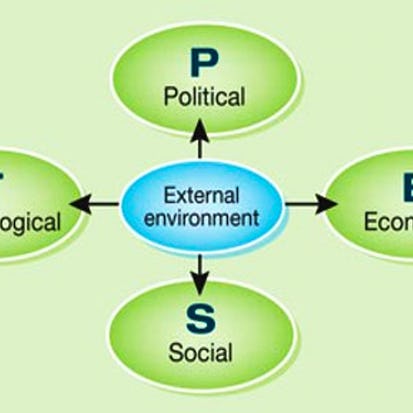
By the end of this project, you will be able to create an analysis-driven product roadmap that will allow you to manage agile workflows when multiple teams across an organization support different goals and milestones of a project. To do this, you will gain hands-on experience applying agile thinking to align business goals and team responsibilities within a product roadmap in the Miro online visual collaboration platform for teamwork. Note: This course works best for learners who are based in the North America region.
Buy Now Free
- Level Professional
- المدة 3 ساعات hours
- الطبع بواسطة Coursera
-
Offered by
عن
By the end of this project, you will be able to create an analysis-driven product roadmap that will allow you to manage agile workflows when multiple teams across an organization support different goals and milestones of a project. To do this, you will gain hands-on experience applying agile thinking to align business goals and team responsibilities within a product roadmap in the Miro online visual collaboration platform for teamwork. Note: This course works best for learners who are based in the North America region. We’re currently working on providing the same experience in other regions.الوحدات
Manage Agile Workflows with Product Roadmaps in Miro
-
1
Readings
-
1
Discussion
-
1
Plugin
-
1
Lab
-
1
Assignment
1
Assignment
- Graded Quiz: Test your Project understanding
1
Discussions
- What is your favorite feature in Miro?
1
Labs
- Manage Agile Workflows with Product Roadmaps in Miro Project
1
Readings
- Project Overview
Auto Summary
"Manage Agile Workflows with Product Roadmaps in Miro" is an engaging intermediate-level course designed for professionals seeking to enhance their agile project management skills. Offered by Coursera, this course focuses on developing analysis-driven product roadmaps to effectively manage agile workflows across multiple teams within an organization. Participants will gain practical experience using the Miro online visual collaboration platform to align business goals and team responsibilities. This hands-on approach ensures that learners can apply agile thinking to create cohesive and efficient product roadmaps. Ideal for those based in North America, this free 180-minute course is tailored for individuals looking to improve their project management capabilities in a collaborative, agile environment. Join now to master the art of managing agile workflows with Miro and elevate your team's performance.