

Buy Now Free
- Level Professional
- المدة 2 ساعات hours
-
Offered by

عن
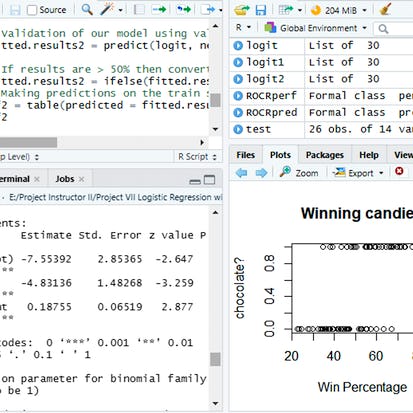
In this project, you will learn about Logistic Regression and its application as Classification Algorithm. The project demonstrates the theoretical background of Logistic Regression using the Sigmoidal function. It also explains the suitability of linear vs logistic regression to answer the specific types of research questions. Finally, it covers an implementation of classification algorithm using logit model. The project utilizes the 'Candy' dataset for illustrative purpose.Auto Summary
Learn the fundamentals of Logistic Regression and its application as a Classification Algorithm in this professional-level course by Coursera. Over 120 minutes, explore theoretical concepts, the Sigmoidal function, and practical implementation using the 'Candy' dataset. Ideal for those looking to deepen their understanding in Personal Development. Available with a Starter subscription.

Get started with Microsoft Planner
In this project, learners will become familiar with Microsoft Planner. They will learn how to create tasks and make adjustments to those tasks. Learners will also get to practice multiple scenarios involving creating plans. By the end of the course, learners will understand how to create and assign tasks, as well as integrate Microsoft Planner with other applications.
Buy Now Free

- Level Foundation
- المدة 1 ساعات hours
- الطبع بواسطة Coursera
-
Offered by
عن
In this project, learners will become familiar with Microsoft Planner. They will learn how to create tasks and make adjustments to those tasks. Learners will also get to practice multiple scenarios involving creating plans. By the end of the course, learners will understand how to create and assign tasks, as well as integrate Microsoft Planner with other applications.الوحدات
Your Learning Journey
-
 1
Readings
1
Readings
-
 1
Plugin
1
Plugin
-
 1
Lab
1
Lab
-
 1
Assignment
1
Assignment
 1
Assignment
1
Assignment
- Assess Your Knowledge
 1
Labs
1
Labs
- Get started with Microsoft Planner
1
Readings
- Project Overview
Auto Summary
"Get Started with Microsoft Planner" is a beginner-level course focused on mastering Microsoft Planner for personal development. Taught by Coursera, this one-hour course guides learners through creating and managing tasks, adjusting plans, and integrating Planner with other applications. Ideal for those new to task management, the course is free to access and provides practical scenarios for hands-on learning.

Collaborate Effectively for Professional Success
Collaboration is not just the act of working together. It goes beyond that. Through collaboration, you can accomplish much more than what you would if you worked alone. Having the skills to communicate with the people you are working with and being able to work as a team towards your goal are just some of the skills you will learn in this course to help you collaborate effectively in the workplace. In today's day and age, collaborating as a group does not just mean being able to see and communicate with each other in person, collaborations are done virtually all the time.
Monthly Subscription Starting at AED 99 + VAT

- Level Foundation
- المدة 2 ساعات hours
- الطبع بواسطة IBM
-
Offered by
عن
Collaboration is not just the act of working together. It goes beyond that. Through collaboration, you can accomplish much more than what you would if you worked alone. Having the skills to communicate with the people you are working with and being able to work as a team towards your goal are just some of the skills you will learn in this course to help you collaborate effectively in the workplace. In today's day and age, collaborating as a group does not just mean being able to see and communicate with each other in person, collaborations are done virtually all the time. This short course will teach you about some of the obstacles you may face while virtually collaborating with people and how to overcome these barriers with teamwork. In order to collaborate successfully, you have to be able to recognize and apply different methods of communication. Collaborating involves working with other people, and when working with others you need to be able to understand their behaviors and how to effectively work together as a team in order to reach your goal. This short course will help you develop the foundational soft skills to enhance the way you collaborate with your team, others in your company, business partners, and clients. This course is part of the People and Soft Skills for Professional and Personal Success Specialization from IBM.الوحدات
Collaborate Effectively: An overview.
-
 1
Videos
1
Videos
-
1
Readings
1
Videos
- What if they hadn’t collaborated?
1
Readings
- What will you take away from this course?
What is collaboration and why is it so important?
-
2
Videos
-
1
Readings
2
Videos
- Let’s begin with the first topic
- Recap
1
Readings
- Why is collaboration important in a corporate environment?
How can you enhance your collaboration with colleagues?
-
2
Videos
-
3
Readings
-
1
Assignment
1
Assignment
- Practice Quiz: Examples of barriers to collaboration
2
Videos
- Let’s move to the second topic
- Recap
3
Readings
- Practice these six collaborative behaviors
- What impact might other behaviors have on collaboration?
- These behaviors, in moderation, also help collaboration
How can you help your team collaborate?
-
3
Videos
-
6
Readings
3
Videos
- Let’s move to the third topic
- 1 + 1 = 3!
- Recap
6
Readings
- The four stages of team development
- Stage 1: Forming
- Stage 2: Storming
- Stage 3: Norming
- Stage 4: Performing
- How might collaborative behaviors help your team?
What are the challenges of virtual collaboration and how can you tackle them?
-
4
Videos
-
2
Readings
4
Videos
- Let’s move to the fourth topic
- What’s challenging about electronic communication?
- Our relational space poses four typical problems
- Recap
2
Readings
- Let’s hear a story
- How can you enact these collaborative behaviors virtually?
What tools can you use for virtual collaboration?
-
4
Videos
-
4
Readings
4
Videos
- Let’s move to the fifth topic
- New ways to collaborate
- How can you embrace social technology for collaboration?
- Recap
4
Readings
- Collaboration Tools: Email
- Collaboration Tools: Chat
- Collaboration Tools: Telephone
- Collaboration Tools: Virtual Meeting
How can you make virtual meetings effective?
-
3
Videos
-
2
Readings
3
Videos
- Let’s move to the sixth topic
- How can you address these problems?
- Recap
2
Readings
- How can you make your meetings effective?
- How can you conduct effective virtual meetings?
Course-end Assessment
-
1
Readings
-
2
Assignment
2
Assignment
- Practice Quiz: Collaborate Effectively
- Graded Quiz: Collaborate Effectively
1
Readings
- Congratulations and Next Steps.
Auto Summary
Enhance your professional success with "Collaborate Effectively for Professional Success," a foundational course by Coursera, part of IBM's People and Soft Skills Specialization. Focused on personal development, this 120-minute course teaches essential teamwork and communication skills for both in-person and virtual environments. Ideal for professionals seeking to improve collaborative efforts, it covers overcoming obstacles and understanding team dynamics. Subscription options include Starter and Professional plans.
Monthly Subscription Starting at AED 99 + VAT

- Level Foundation
- المدة 6 ساعات hours
- الطبع بواسطة Eindhoven University of Technology
-
Offered by
عن
The Co-design for All course is a free online programme on how to put together a case study proposal using a co-design approach. It is aimed at anyone who is interested in learning about co-design methods and how to apply them in any real life scenario. By the end of the course, you will have learned how to put together a case study proposal using co-design. This will be achieved by learning how to adapt and apply these methods to your chosen real life scenario and by producing materials contextualized to it. This course is a direct outcome from the EU funded TRIPS project (grant number 875588) and builds on the experiences of creating case studies for accessible public transport. The main aim of the TRIPS project is to design, describe and demonstrate practical steps to empower people with mobility challenges to play a central role in the design of inclusive digital mobility solutions. More information on the project can be found here https://trips-project.eu.الوحدات
Materials
-
1
Videos
-
1
Readings
1
Videos
- Welcome video
1
Readings
- Slides and visual description of slides shown in the video Welcome and introduction to the course
Materials
-
1
Videos
-
3
Readings
1
Videos
- The co in co-design: who needs to be involved?
3
Readings
- Exercise: Who needs to be involved?
- Slides and visual description of slides shown in the video: The co in co-design
- Extra materials from the TRIPS case study
Materials
-
1
Videos
-
3
Readings
1
Videos
- A process informed by research
3
Readings
- Exercise: A process informed by research
- Slides and visual description of slides shown in the video: A process informed by research
- Extra materials from the TRIPS case study
Materials
-
1
Videos
-
3
Readings
1
Videos
- Identity and vision
3
Readings
- Exercise: Identity and vision
- Slides and visual description of slides shown in the video: Identity and vision
- Extra materials from the TRIPS case study
Video
-
2
Videos
-
3
Readings
2
Videos
- Set a target
- Extra video: Social Media content analysis
3
Readings
- Exercise: Set a target
- Slides and visual description of slides shown in the video: Set a target
- Extra materials from the TRIPS case study
Video
-
2
Videos
-
3
Readings
2
Videos
- Understanding decision landscapes
- Interview w/ Emmanuelle Dommergues from UITP
3
Readings
- Exercise: Understanding decision landscapes
- Slides and visual description of slides shown in the video: Understanding decision landscapes
- Extra materials from the TRIPS case study
Video
-
1
Videos
-
3
Readings
1
Videos
- How to come up with change propositions as a group
3
Readings
- Exercise: How to come up with change propositions as a group
- Slides and visual description of slides shown in the video: How to come up with a change proposition as a group
- Extra materials from the TRIPS case study
Materials
-
1
Videos
-
2
Readings
-
1
Assignment
1
Assignment
- What does co-design mean to you?
1
Videos
- Communicating your work
2
Readings
- Exercise: Communicating your work
- Slides and visual description of slides shown in the video: Communicate your work
Materials
-
1
Videos
-
1
Readings
1
Videos
- Introduction to visual note taking
1
Readings
- Slides
Auto Summary
"Co-design for All: doing co-design in practice" is a foundational Coursera course in Personal Development, taught by experts from the EU-funded TRIPS project. This free, 360-minute course teaches learners how to develop case study proposals using co-design methods, focusing on real-life applications. Ideal for individuals interested in inclusive design, it empowers students to create materials tailored to specific scenarios, particularly in accessible public transport. Subscription options include a Starter plan. Perfect for beginners eager to learn practical co-design skills.
Monthly Subscription Starting at AED 99 + VAT

- Level Foundation
- المدة 21 ساعات hours
- الطبع بواسطة Yale University
-
Offered by
عن
Everyday Parenting gives you access to a toolkit of behavior-change techniques that will make your typical day in the home easier as you develop the behaviors you would like to see in your child. The lessons provide step-by-step instructions and demonstrations to improve your course of action with both children and adolescents. Among many techniques, you will learn how even simple modifications to tone of voice and phrasing can lead to more compliance. The course will also shed light on many parenting misconceptions and ineffective strategies that are routinely used. The key to the course is practice. It is not enough to know the strategies; you have to do them to reap the rewards. Using the techniques on a temporary basis will lead to permanent change. Chances are your parenting is perfectly fine and working the way you would like. But if you have any frustrations with your child or would like improve your effectiveness in changing your child’s behavior, these videos will be a very useful guide. Subtitles available in Chinese and Spanish.الوحدات
Welcome to the course!
-
1
Videos
-
1
Readings
1
Videos
- Learn how to change your child's behavior
1
Readings
- Parenting during COVID-19
Learn your first technique: Special Praise
-
2
Videos
-
1
Assignment
1
Assignment
- Praise
2
Videos
- Praise Explanation
- Praise
Prepare for the course
-
6
Readings
6
Readings
- Learn Out of This World Parenting
- Identify Common Challenging Behaviors
- Find Companion Books
- Review Course Requirements
- Optional Articles
- Disclaimer
A is for Antecendents
-
2
Videos
-
1
Readings
-
1
Assignment
1
Assignment
- Antecedents
2
Videos
- Antecedents
- Antecedents Practice Exercise
1
Readings
- Optional Articles
B is for Behaviors
-
3
Videos
-
1
Readings
-
3
Assignment
3
Assignment
- Shaping
- Simulation
- Modeling
3
Videos
- Shaping
- Simulation
- Modeling
1
Readings
- Optional Articles
Putting it All Together: Interactive Case
-
1
Videos
1
Videos
- Caleb, Age 3 - saying "no" all the time
C is for Consequences - Positive Reinforcement
-
3
Videos
-
1
Readings
-
3
Assignment
3
Assignment
- Positive Opposite
- Point Programs
- Attending & Planned Ignoring
3
Videos
- Positive Opposite
- Point Programs
- Attending & Planned Ignoring
1
Readings
- Optional Articles
C is for Consequences - Punishment
-
4
Videos
-
1
Readings
-
3
Assignment
3
Assignment
- Punishment Basics
- Time Out from Reinforcement
- Spanking and Alternatives
4
Videos
- Punishment Basics
- Punishment Practice Exercise
- Time Out from Reinforcement
- Spanking and Alternatives
1
Readings
- Optional Articles
Putting it All Together: Interactive Cases
-
2
Videos
2
Videos
- Elijah, Age 6 - Getting ready in the morning
- Siblings, Ages 8 and 5 - complaining about each other
Share What You Have Practiced
-
1
PeerReview
1
Peer Review
- Do you know your ABCs?
Troubleshooting
-
2
Videos
-
1
Readings
-
2
Assignment
2
Assignment
- Troubleshooting: Part 1 - The Basics
- Troubleshooting: Part 2 - Advanced Techniques
2
Videos
- Troubleshooting: Part 1 - The Basics
- Troubleshooting: Part 2 - Advanced Techniques
1
Readings
- Please note
Adolescents
-
2
Videos
-
1
Readings
-
2
Assignment
2
Assignment
- Adolescents: Part 1
- Adolescents: Part 2
2
Videos
- Adolescents: Part 1
- Adolescents: Part 2
1
Readings
- Optional Articles
Putting it All Together: Interactive Case
-
1
Videos
1
Videos
- Jasmine, Age 14 - using her phone constantly
Special Topics
-
6
Videos
-
1
Readings
-
6
Assignment
6
Assignment
- Nurturing Family Environment
- Common Misconceptions
- School Behaviors: Part 1 - Handling Problems
- School Behaviors: Part 2 - Building Competencies
- Seeking Professional Help: Part 1
- Seeking Professional Help: Part 2
6
Videos
- Nurturing Family Environment
- Common Misconceptions
- School Behaviors: Part 1 - Handling Problems
- School Behaviors: Part 2 - Building Competencies
- Seeking Professional Help: Part 1
- Seeking Professional Help: Part 2
1
Readings
- Optional Articles
Putting it All Together: Interactive Case
-
1
Videos
1
Videos
- Kai, Age 9 - disrupting the classroom
Conclusion
-
1
Videos
1
Videos
- Conclusion
Auto Summary
Unlock effective child-rearing techniques with "Everyday Parenting: The ABCs of Child Rearing." This foundational course in personal development, taught by Coursera, offers step-by-step instructions to enhance your parenting skills. Learn key behavior-change methods, improve compliance through tone and phrasing modifications, and debunk common parenting myths. Ideal for parents seeking practical strategies to better manage and improve their child's behavior. Available in Chinese and Spanish, with Starter and Professional subscription options. Duration: 1260 minutes.

Patent Law
In our modern technologically-based economy, the creation and enforcement of patent rights can make or break a business. With record numbers of patents being issued every year, the stakes for inventors (and, indeed, their lawyers) continue to rise, even as the patent law and its administration faces growing criticism. This course begins with an examination of the fundamental justifications for and creation of U.S. patent rights as well as the relationship between patent law and other “intellectual property” concepts. We will then delve into the details of the U.S.
Monthly Subscription Starting at AED 99 + VAT
- Level Foundation
- المدة 10 ساعات hours
- الطبع بواسطة University of Pennsylvania
-
Offered by
عن
In our modern technologically-based economy, the creation and enforcement of patent rights can make or break a business. With record numbers of patents being issued every year, the stakes for inventors (and, indeed, their lawyers) continue to rise, even as the patent law and its administration faces growing criticism. This course begins with an examination of the fundamental justifications for and creation of U.S. patent rights as well as the relationship between patent law and other “intellectual property” concepts. We will then delve into the details of the U.S. requirements for patentability, and explore the scope of patent rights, again considering how the policies expressed reflect the justifications for patent rights. Then we will look at an actual patent document and analyze the different pieces of an issued patent with a special focus on the importance of patent claims. Finally, we will explore strategies for dealing with patent infringement.الوحدات
Introduction to Patents
-
3
Videos
-
3
Readings
-
1
Discussion
-
1
Assignment
1
Assignment
- Patent Document
1
Discussions
- Introduce Yourself!
3
Videos
- What is a Patent?
- The Importance of Patent Claims
- Understanding a Patent
3
Readings
- Pre-Course Survey (Optional)
- Segway Patent
- Optional Reading: Understanding Patent Claims
The Patent System and Enforcement
-
4
Videos
-
1
Readings
-
2
Assignment
2
Assignment
- Life of a Patent
- Module 1 Quiz
4
Videos
- The Institutional Structure of the Patent System
- Enforcement via the U.S. Courts
- Life of a Patent
- Takeaway Points
1
Readings
- Trends in Patent Lawsuits
How to Get a Patent
-
2
Videos
-
2
Readings
2
Videos
- How Do You Get a Patent? Patent Prosecution
- The Standards for Patentability
2
Readings
- Patent Prosecution
- Optional Reading: Patentability Requirements
Patentability Requirements: Disclosure, Novelty, Nonobviousness
-
3
Videos
-
2
Readings
-
1
Assignment
1
Assignment
- Disclosure Requirement
3
Videos
- Patent Disclosure Requirement
- The Novelty Requirement
- The Nonobviousness Requirement
2
Readings
- Understanding the Enablement Requirement
- Patent Obviousness
Patentability Requirements Continued: Inventorship, Utility, Subject Matter
-
4
Videos
-
2
Readings
-
2
Assignment
2
Assignment
- Utility
- Module 2 Quiz
4
Videos
- The Inventorship Requirement
- The Utility Requirement
- The Subject Matter Requirement
- Takeaway Points
2
Readings
- Inventor? Author? Contributor? Owner?
- When Can an Invention Be Patented?
Patent Claims
-
6
Videos
-
1
Readings
-
1
Assignment
1
Assignment
- Module 3 Quiz
6
Videos
- What Does a Patent Cover?
- The Components of Patent Claims
- Interpreting Patent Claims
- How to Define Claim Terms
- Caveats and Cautions when Determining Patent Coverage
- Takeaway Points
1
Readings
- Patent Claim Structure
Patent Enforcement
-
3
Videos
3
Videos
- How to Enforce (or Avoid) a Patent
- The Mechanics of Patent Enforcement
- Patent Infringement
Case Study: The Super Soaker
-
2
Videos
-
1
Readings
2
Videos
- Case Study: The Super Soaker
- The Doctrine of Equivalents
1
Readings
- Optional Reading Doctrine of Equivalents
Patent Infringement
-
3
Videos
3
Videos
- How to Avoid Infringement
- Remedies for Infringement
- Takeaway Points
Summative Assessment
-
3
Readings
-
1
PeerReview
1
Peer Review
- Rainbow Slinky
3
Readings
- Patent Claims: Broad vs. Narrow
- Concluding Thoughts
- Post-Course Survey (Optional)
Auto Summary
Explore the intricate world of patent law with this foundational course designed for personal development. In a technology-driven economy, understanding the creation and enforcement of patent rights is crucial for inventors and their legal advisors. This course, offered by Coursera, delves into the fundamental justifications and creation of U.S. patent rights, the relationship between patent law and other intellectual property concepts, and the detailed requirements for patentability in the U.S. Participants will gain insights into the scope of patent rights, analyzing real patent documents with a special focus on the critical importance of patent claims. The course also covers strategies for handling patent infringement, providing practical knowledge applicable in real-world scenarios. Led by expert instructors, this 600-minute course is ideal for anyone looking to build a solid foundation in patent law, whether you are a budding inventor, a legal professional, or someone with a keen interest in intellectual property. Flexible subscription options, including Starter and Professional plans, make it easy to tailor your learning experience to your needs. Embark on a journey to master the complexities of patent law and enhance your personal and professional growth.

FPGA computing systems: Partial Dynamic Reconfiguration
New application domains demand ever increasing adaptability and performance. In order to cope with changing user requirements, improvements in system features, changing protocol and data-coding standards, and demands for support of a variety of different user applications, many emerging applications in communication, computing and consumer electronics demand that their functionality stays flexible after the system has been manufactured.
Monthly Subscription Starting at AED 99 + VAT

- Level Foundation
- المدة 28 ساعات hours
- الطبع بواسطة Politecnico di Milano
-
Offered by
عن
New application domains demand ever increasing adaptability and performance. In order to cope with changing user requirements, improvements in system features, changing protocol and data-coding standards, and demands for support of a variety of different user applications, many emerging applications in communication, computing and consumer electronics demand that their functionality stays flexible after the system has been manufactured. Reconfigurable Systems-on-a-Chips (SoCs) employing different microprocessor cores and different types of reconfigurable fabrics are one attractive solution for these domains. The increasing prominence of reconfigurable devices within such systems requires HW/SW co-design for SoCs to address the trade-off between software execution and reconfigurable hardware acceleration. Dynamic reconfiguration capabilities of current reconfigurable devices create an additional dimension in the temporal domain. During the design space exploration phase, overheads associated with reconfiguration and hardware/software interfacing need to be evaluated carefully in order to harvest the full potential of dynamic reconfiguration. The course will introduce the student with the concept of reconfigurability in FPGAs, presenting the available mechanisms and technologies at the device level and the tools and design methodologies required to design reconfigurable FPGA-based systems. The course will present the different aspects of the design of FPGA-based reconfigurable systems, focusing in particular on dynamically self-reconfigurable systems. The design methodologies and tools required to design a dynamically-reconfigurable system will be introduced and described, together with the problems that need to be considered.الوحدات
A Common Vocabulary
-
2
Videos
-
1
Assignment
1
Assignment
- Functionalities and their implementations
2
Videos
- Course introduction
- A Common Vocabulary
The 5 W's
-
1
Videos
1
Videos
- The 5 W's
Reconfigurable Computing as an Exstension of HW/SW Codesing
-
1
Videos
-
1
Readings
1
Videos
- Reconfigurable Computing as an Exstension of HW/SW Codesing
1
Readings
- Design methodology for partial dynamic reconfiguration: a new degree of freedom in the HW/SW codesign [suggested readings]
A Classification of Reconfigurations
-
2
Videos
-
1
Readings
-
1
Assignment
1
Assignment
- Module Review
2
Videos
- A Classification of SoC Reconfigurations
- A Classification of SoMC Reconfigurations
1
Readings
- Performance of partial reconfiguration in FPGA systems: A survey and a cost model [suggested readings]
Reconfigurable Systems: opportunities and rationale
-
2
Videos
-
1
Assignment
1
Assignment
- Reconfigurable System
2
Videos
- Scenarios where Partial Reconfiguration can be effective
- How to use FPGA Reconfiguration to face area issues
Partial Reconfiguration and how to manage its reconfiguration runtime overhead
-
6
Videos
-
4
Readings
-
1
Assignment
1
Assignment
- Partial reconfiguration
6
Videos
- How to deal with the Reconfiguration runtime overhead
- Recurring modules to reuse them to reduce the Reconfiguration time
- Partial Reconfiguration to reduce the Reconfiguration runtime overhead
- Runtime management to explore alternative implementations
- Bitstreams relocation
- Bitstreams relocation and virtual homogeneity
4
Readings
- Operating system runtime management of partially dynamically reconfigurable embedded systems [suggested readings]
- Core Allocation and Relocation Management for a Self Dynamically Reconfigurable Architecture [suggested readings]
- A runtime relocation based workflow for self dynamic reconfigurable systems design [suggested readings]
- Partial Dynamic Reconfiguration in a Multi-FPGA Clustered Architecture Based on Linux [suggested readings]
Xilnx Design Flows through years
-
1
Videos
-
1
Assignment
1
Assignment
- Abstractions
1
Videos
- Xilnx Design Flows through years
Xilinx Partial Reconfiguration Design Flows
-
5
Videos
-
2
Readings
5
Videos
- Partial Reconfiguration Design Flows
- Xilinx Difference Based Partial Reconfiguration
- Xilinx Module Based Partial Reconfiguration
- Xilinx Partial Reconfiguration (PR) Flow
- Module Based vs Partial Reconfiguration Design Flows
2
Readings
- Vivado Design Suite Tutorial, Partial Reconfiguration, UG947 (v2016.1) April 6, 2016 [suggested readings - handbook - PDF]
- Vivado Design Suite User Guide, Partial Reconfiguration, UG909 (v2016.1) April 6, 2016 [suggested readings - handbook - PDF]
Politecnico di Milano Partial Reconfiguration Research Initiatives
-
3
Videos
-
5
Readings
-
2
Assignment
2
Assignment
- Politecnico di Milano Partial Reconfiguration Research Initiatives
- Design flows
3
Videos
- Rationale behind DRESD and the work done by the Politecnico di Milano
- From DRESD to CHANGE and ASAP, two new research initiatives from the Politecnico di Milano
- CAOS: from embedded to heterogeneous distributed FPGA-based computing systems
5
Readings
- Dynamic Reconfigurability in Embedded System Design [suggested readings]
- A design methodology for dynamic reconfiguration: the Caronte architecture [suggested readings]
- Floorplanning Automation for Partial-Reconfigurable FPGAs via Feasible Placements Generation [suggested readings]
- Heterogeneous exascale supercomputing: The role of CAD in the exaFPGA project [suggested readings]
- The Role of CAD Frameworks in Heterogeneous FPGA-Based Cloud Systems [suggested readings]
Towards distributed FPGA-based systems
-
1
Videos
-
3
Readings
-
1
Assignment
1
Assignment
- Closing remarks and future directions
1
Videos
- Towards distributed FPGA-based systems
3
Readings
- Virtualized Execution Runtime for FPGA Accelerators in the Cloud [suggested readings]
- A cloud-scale acceleration architecture [suggested readings]
- Enabling Flexible Network FPGA Clusters in a Heterogeneous Cloud Data Center [suggested readings]
Course conclusion
-
1
Readings
1
Readings
- Conclusion
Auto Summary
Explore the fascinating world of FPGA computing systems with a focus on Partial Dynamic Reconfiguration in this Coursera course. Perfect for those in Personal Development, you’ll dive into adaptable system designs, understanding both hardware and software integration. Learn about reconfigurability in FPGAs, design methodologies, and tools over a comprehensive 1680-minute duration. Ideal for foundational learners, this course offers a starter subscription, guided by industry experts to help you master dynamically self-reconfigurable systems.
Introduction to Key Constitutional Concepts and Supreme Court Cases
This course offers an introduction to the U.S. Constitution and landmark Supreme Court cases interpreting it. It explores the Constitution’s origins, its amendment over the years, and methods of constitutional interpretation. Topics include the nature and structure of the federal government, the powers of the federal government, and individual rights.
Monthly Subscription Starting at AED 99 + VAT

- Level Foundation
- المدة 6 ساعات hours
- الطبع بواسطة University of Pennsylvania
-
Offered by
عن
This course offers an introduction to the U.S. Constitution and landmark Supreme Court cases interpreting it. It explores the Constitution’s origins, its amendment over the years, and methods of constitutional interpretation. Topics include the nature and structure of the federal government, the powers of the federal government, and individual rights.الوحدات
Origin and Nature of the Constitution
-
3
Videos
3
Videos
- Class 1: Why We Needed a Constitution
- Class 2: Creating the Constitution
- Class 3: Interpreting the Constitution
The Three Branches of Government
-
3
Videos
-
1
Assignment
1
Assignment
- Quiz on the Constitution and three branches of government
3
Videos
- Class 4: Article I: Legislative Branch
- Class 5: Article II: Executive Branch
- Class 6: Article III: Judicial Branch
Amendments
-
3
Videos
3
Videos
- Class 7: The Bill of Rights
- Class 8: The Reconstruction Amendments
- Class 9: The Progressive Amendments
The First Amendment
-
3
Videos
-
1
Assignment
1
Assignment
- Quiz on the amendments and First Amendment
3
Videos
- Class 10: Freedom of Speech
- Class 11: Free Exercise of Religion Clause
- Class 12: Establishment Clause
Criminal Procedure
-
3
Videos
3
Videos
- Class 13: The Fourth Amendment
- Class 14: The Fifth Amendment - The Right to Remain Silent
- Class 15: The Sixth Amendment - The Right to Counsel/Trial by Jury
Federalism and Nationalism
-
3
Videos
-
1
Assignment
1
Assignment
- Quiz on criminal procedure and federalism and nationalism
3
Videos
- Class 16: The Second Amendment
- Class 17: The Ninth and Tenth Amendments
- Class 18: The Civil War and Reconstruction
The Fourteenth Amendment
-
3
Videos
3
Videos
- Class 19: Equal Protection/What is Discrimination?
- Class 20: Women’s Equality and Abortion
- Class 21: Sexual Orientation
Modern Controversies
-
3
Videos
-
1
Assignment
1
Assignment
- Quiz on the Fourteenth Amendment and modern controversies
3
Videos
- Class 22: War Powers
- Class 23: Campaign Finance
- Class 24: Health Care Reform
Auto Summary
Explore the U.S. Constitution and landmark Supreme Court cases with this foundational course. Dive into the Constitution's origins, amendments, and interpretation methods while understanding the federal government's structure, powers, and individual rights. Presented by Coursera, this 360-minute course offers both Starter and Professional subscription options, ideal for personal development enthusiasts seeking a comprehensive introduction to key constitutional concepts.
Buy Now Free
- Level Professional
- المدة 2 ساعات hours
-
Offered by
عن
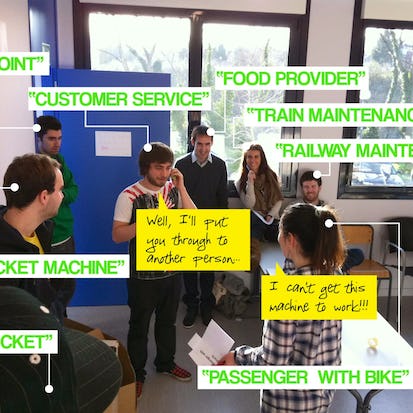
By the end of this project, you will be able to design a service blueprint that serves as a point of shared understanding, informs a smooth service process, and collects quantifiable metrics to identify opportunities for continuous improvements. To identify UX opportunities with a service blueprint visualization, you will gain hands-on experience applying design thinking, user interface knowledge, context from each step of the customer experience, and business intelligence integrations in the Miro online visual collaboration platform for teamwork. Note: This course works best for learners who are based in the North America region. We’re currently working on providing the same experience in other regions.Auto Summary
Discover how to design effective service blueprints using Miro in this intermediate-level course. Ideal for personal development, you'll learn to create shared understanding, streamline service processes, and gather metrics for ongoing improvements. Taught by Coursera, this engaging 120-minute course is available for free. Perfect for those looking to enhance their UX skills.
Buy Now Free
- Level Foundation
- المدة 4 ساعات hours
-
Offered by
عن
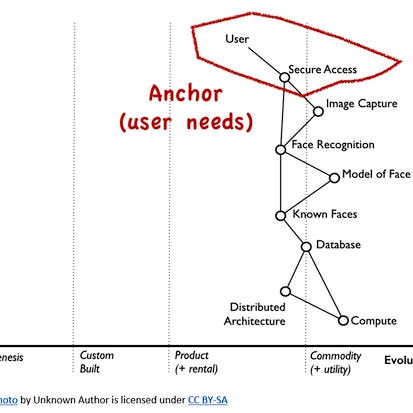
By the end of this project, you will be able to map engagement to visualize and understand the factors that influence the user’s experience. To do this you will gain hands-on experience mapping the brand engagement activities that support and influence the user’s perception of their experience, so that opportunities for meaningful engagement can be maximized in the Miro online visual collaboration platform for teamwork. Note: This course works best for learners who are based in the North America region. We’re currently working on providing the same experience in other regions.Auto Summary
Discover how to elevate user experiences with the "Engagement Mapping to Enhance the User Experience in Miro" course, a focused journey into personal development offered by Coursera. Guided by expert instruction, this beginner-level course empowers you to visualize and understand the key factors that shape user interactions using Miro, a powerful online collaborative whiteboard platform. Over the span of 240 minutes, you'll gain practical skills to map engagement effectively, ensuring a deeper comprehension of user experience dynamics. Best of all, you can access this valuable knowledge at no cost, making it an ideal choice for anyone eager to enhance their user experience design capabilities.