


Water Resources Management and Policy
Water management today is faced with new challenges such as climate change or the effects of human activity. Public and private stakeholders who are active in this field must develop new ways to better manage the water cycle "as a whole". The objective of this MOOC is to develop an understanding of the problems related to water management. Firstly, this course will define a resource and, more specifically, the resource of water. It will look at how water is used and the activities associated with it as well as any potential conflicts.
Monthly Subscription Starting at AED 99 + VAT

- Level Foundation
- المدة 10 ساعات hours
- الطبع بواسطة University of Geneva
-
Offered by

عن
Water management today is faced with new challenges such as climate change or the effects of human activity. Public and private stakeholders who are active in this field must develop new ways to better manage the water cycle "as a whole". The objective of this MOOC is to develop an understanding of the problems related to water management. Firstly, this course will define a resource and, more specifically, the resource of water. It will look at how water is used and the activities associated with it as well as any potential conflicts. The course will look at water management in detail through the analysis of the different types of rights and obligations associated with, for example, the development of a multi-sectorial regulation system or a watershed management approach. By the end of this course, our aim is to enable you to: 1) Identify the main issues and strategies linked to water resource management 2) Acquire the key reading material needed to understand the many variables (environmental, institutional and political) which affect water and which, in terms of management, may require adjustment. This course was developed by the Geneva Water Hub. Alongside researchers from the University of Geneva from a range of faculties, researchers from other universities and research centres will be involved in this course. Practitioners who deal daily with the political dimension of water management will also input into the course. This MOOC is designed for all those interested in the water sector. Prior training is not necessary to follow our program. The findings presented in this course can be easily reapplied to different contexts and to different scales of analysis. This MOOC is supported by the Geneva Water Hub and the University of Geneva along with the MOOC in « Ecosystem Services: a Method for Sustainable Development » (www.coursera.org/learn/ecosystem-services) and the one in "International Water Law" (www.coursera.org/learn/droit-eau). This course is funded by the Global Programme Water Initiatives of the Swiss Agency for Development and Cooperation (SDC). This course is also available in French : www.coursera.org/learn/gestion-eauالوحدات
General Introduction
-
 1
Videos
1
Videos
-
 1
Readings
1
Readings
1
Videos
- General Introduction
1
Readings
- Course Plan
Introduction
-
1
Videos
1
Videos
- 1.1 Introduction to Module 1
Water Resources and Governance Challenges
-
4
Videos
4
Videos
- 1.2 The Main Challenges in Water Governance I: Uses, Rules and Territories
- 1.3 The Main Challenges of Water Governance II: Multisectoriality, Funding and Management Modes
- 1.4 The Concept of Resource (Use, Scarcity and Rivalry)
- 1.5 The Resources Types, their Uses and Pressure
Regulation of Public Goods
-
6
Videos
6
Videos
- 1.6 Common Goods: the Water Example
- 1.7 The Tragedy of the Commons and the Problems of Collective Action
- 1.8 The Governance of Common Goods. Between the State and the Marketplace
- 1.9 Common Pool Resources Institutions (CPRI)
- 1.10 Case study I: Community Water Management in Latin America
- 1.11 Case study II: Networking Actions of Community Organisations in Latin America
Conclusion to module 1
-
1
Videos
1
Videos
- 1.12 Conclusion of Module 1
Quiz of Module 1
-
 1
Assignment
1
Assignment
 1
Assignment
1
Assignment
- Module 1 Quiz
Introduction
-
1
Videos
1
Videos
- 2.1 Introduction to Module 2
Institutional Resource Regimes (IRR)
-
6
Videos
6
Videos
- 2.2 Institutional Resource Regimes I: Theoretical Framework
- 2.3 Institutional Resource Regimes II: Theoretical Framework
- 2.4 Institutional Regimes Ressources III: the Swiss Case
- 2.5 Institutionnal Regimes Resources IV: the European Case
- 2.6 Water Regulation in the European Union according to the Water Framework Directive (WFD)
- 2.7 From Institutional Resource Regimes to the Implementation Studies
Beyond the rules
-
3
Videos
3
Videos
- 2.8 Beyond the Rules I: Opening the Black Box
- 2.9 Beyond the Rules II: Law Activation Strategies and Localized Regulation Arrangements
- 2.10 Case Study: Protection of Aquatic Ecosystem in the Canton of Valais (Switzerland)
Conclusion
-
1
Videos
1
Videos
- 2.11 Conclusion of Module 2
Quiz
-
1
Assignment
1
Assignment
- Quiz of Module 2
Introduction
-
1
Videos
1
Videos
- 3.1 Introduction to Module 3
Integrated Water Resources Management (IWRM)
-
3
Videos
3
Videos
- 3.2 The Multi-Sectorial Nature of Water
- 3.3 The Concept of Integrated Water Resources Management (IWRM)
- 3.4 Management of the Rhone River: from Mono-sectoriality to Integration
The Water-Food-Energy and Ecosystem Nexus
-
4
Videos
4
Videos
- 3.5 Moving Beyond IWRM for the Water-Food-Energy and Ecosystem Nexus
- 3.6 Thinking water security with the Nexus
- 3.7 Navigating the Nexus in the Mekong River Basin
- 3.8 Hydropower Production and Protection of the Ecosystem on the Columbia River (USA)
Conclusion
-
1
Videos
1
Videos
- 3.9 Conclusion Module 3
Quiz
-
1
Assignment
1
Assignment
- Quiz of Module 3
Introduction
-
1
Videos
1
Videos
- 4.1 Introduction of Module 4
The Evolution of Watershed Management
-
2
Videos
2
Videos
- 4.2 From Integrated Water Resources Management (IWRM) to Watershed Management
- 4.3 Beyond Watershed: the Functional Regulatory Spaces (FRS) Beyond the Watershed
Practices of Watershed Management in Switerland
-
2
Videos
2
Videos
- 4.4 Watershed Management in Switzerland I: History and Methods
- 4.5 Watershed Management in Switerland: Practical Experience
Watershed Management in the Rhine River Basin
-
1
Videos
1
Videos
- 4.6 Pollution Management in the Rhine River Basin
Watershed Management: a General Vision
-
1
Videos
1
Videos
- 4.7 Political Challenges When Implementing Watershed Management
Conclusion
-
1
Videos
1
Videos
- 4.8 Conclusion of Module 4
Quiz
-
1
Assignment
1
Assignment
- Quiz of Module 4
Introduction
-
1
Videos
1
Videos
- 5.1 Introduction to Module 5
Water-Related Conflicts
-
5
Videos
5
Videos
- 5.2 Water Wars: Debates and Limits
- 5.3 The Framework of Hydro-Hegemony and Transboundary Interactions
- 5.4 The Case of the Nile Basin I: the Development of Egypt’s Power in the Nile
- 5.5 The Case of the Nile Basin II: the Recent Changes Affecting Egypt’s Power in the Nile
- 5.6 The Grand Ethiopian Renaissance Dam: a Source of Conflict or a Basis of Cooperation in the Nile Basin?
Water as a Source of Cooperation
-
3
Videos
3
Videos
- 5.7 Water Cooperation
- 5.8 Cooperation in the Senegal River Basin: the Organisation for the Development of the Senegal River (OMVS)
- 5.9 Cooperation in the Mekong River Basin: the Mekong River Commission
The emergence of international water law
-
3
Videos
3
Videos
- 5.10 The Emergence of International Water Law and Its Role in Preventing Water-Related Conflicts
- 5.11 The Convention on the Protection and Use of Transboundary Watercourses and international Lakes from the United Nations Economic Commission for Europe (UNECE)
- 5.12 The Issue of Responsibility and Liability for Transboundary Watercourse Pollution
Conclusion
-
1
Videos
-
1
Readings
1
Videos
- 5.13 Conclusion of Module 5
1
Readings
- To go further
Quiz
-
1
Assignment
1
Assignment
- Quiz of Module 5
Auto Summary
"Water Resources Management and Policy" is an essential course for those interested in understanding and addressing the challenges of water management, including climate change and human activity impacts. Offered by Coursera and developed by the Geneva Water Hub and the University of Geneva, this foundational course spans 600 hours and is accessible to all, requiring no prior training. Learners will explore water use, management strategies, regulatory systems, and conflict resolution. The course features insights from researchers and practitioners, making it suitable for anyone in the water sector. Subscription options include Starter and Professional.
Monthly Subscription Starting at AED 99 + VAT

- Level Foundation
- المدة 14 ساعات hours
- الطبع بواسطة University of Cape Town
-
Offered by
عن
Worldwide millions of children are not able to fully participate in schooling, and this is especially a problem for children with disabilities. In this course, we explore the support that teachers need in order to meet the needs of children with severe to profound hearing, visual and intellectual disabilities. We consider how this can be done by talking with a range of experts - from teachers to activists - about inclusive education as well as sharing experiences of education. Inclusive education is only possible if teachers are supported and empowered to make the curriculum accessible to all learners. The topics in this course cover developing disability confidence and what exactly children with specific impairments need to be able to learn. This includes sharing specific classroom strategies and teaching activities for learners who are D/deaf or hard of hearing, blind or have low vision or have a severe to profound intellectual disability. By the end of the course, you will be familiar with the impairment specific needs of learners with disabilities, and how to build systems of support for inclusive education. You will be able to purchase a Verified Certificate if you wish to show evidence of your achievements, but this is optional, and you may apply for Financial Aid if you are unable to pay the certificate fee. This course was developed as part of the project ´Strengthening teaching for Children with profound Hearing, Visual and Intellectual Disabilities in South Africa` co-funded by Christoffel-Blinden Mission (CBM) and the European Union.الوحدات
Welcome to the course
-
2
Videos
-
1
Readings
-
 1
Discussion
1
Discussion
1
Discussions
- Introduce yourself
2
Videos
- Disability Inclusion in Education: Building systems of support
- Introduction to the course
1
Readings
- How the course works
Ways of thinking about disability
-
3
Videos
-
1
Assignment
1
Assignment
- Ways of thinking about disability
3
Videos
- Introduction to Week 1
- Social model of disability and disability rights
- Inclusive education and special education
Inclusive education
-
2
Videos
-
1
Readings
-
1
Assignment
1
Assignment
- Inclusive education
2
Videos
- What is inclusive education?
- Implementing inclusive framework
1
Readings
- Podcast: How does special education fit into an inclusive education system?
Activities for the week
-
1
Videos
-
1
Readings
-
1
Discussion
-
1
Assignment
1
Assignment
- Week 1: Inclusive education and special education
1
Discussions
- Weekly reflection
1
Videos
- Wrap up
1
Readings
- Resources
Empowering the teacher
-
4
Videos
-
1
Readings
4
Videos
- Introduction to week 2
- Teacher empowerment
- TEDI research methods
- Research: Teacher educational needs
1
Readings
- TEDI research report
Personal experiences in education
-
3
Videos
-
1
Readings
3
Videos
- Supporting learners who are blind or have low vision
- Supporting D/deaf and hard of hearing learners
- Families of people with Intellectual Disabilities
1
Readings
- More stories of personal experiences
Disability confidence
-
2
Readings
2
Readings
- Podcast: Disability confidence
- Disability confidence resources
Activities for the week
-
1
Videos
-
1
Readings
-
1
Discussion
-
1
PeerReview
1
Peer Review
- Week 2: Asking educators about disability inclusion
1
Discussions
- Weekly reflection
1
Videos
- Week wrap up
1
Readings
- Resources
Education and support systems
-
4
Videos
-
1
Assignment
1
Assignment
- Education and support systems
4
Videos
- Introduction to week 3
- Education support systems and supporting teacher empowerment for disability inclusion
- How systems of support work
- How do teachers feel they are supported, or not supported?
Policy and support systems
-
2
Videos
-
1
Readings
-
1
Discussion
1
Discussions
- What policy documents do you use in your country?
2
Videos
- School and district based support systems
- Effective support
1
Readings
- Podcast: Policy approach to support systems
Informal support systems for educators
-
2
Videos
-
1
Assignment
1
Assignment
- Informal support systems for educators
2
Videos
- Informal support
- Family-professional partnerships
Activities for the week
-
1
Videos
-
1
Readings
-
1
Discussion
-
1
Assignment
1
Assignment
- Week 3: Systemic support for teachers
1
Discussions
- Weekly reflection
1
Videos
- Wrap up
1
Readings
- Resources
Honors Lesson
-
1
PeerReview
1
Peer Review
- Week 3: Systemic support (Honors)
Curriculum accessibility
-
3
Videos
3
Videos
- Introduction to week
- Accessible curriculum
- Learner support needs
Specific impairments - Low vision and blindness
-
2
Videos
-
1
Assignment
1
Assignment
- Specific impairments - Low vision and blindness
2
Videos
- Types of visual impairment
- Expanded core curriculum
Specific impairments - D/deaf and hard of hearing
-
2
Videos
-
1
Assignment
1
Assignment
- Specific impairments - D/deaf and hard of hearing
2
Videos
- Effects of severe to profound hearing loss
- Education for learners who are D/deaf or hard of hearing
Specific impairments - Severe to profound intellectual disability
-
2
Videos
-
1
Assignment
1
Assignment
- Specific impairments - Severe to profound intellectual disability
2
Videos
- What is intellectual disability?
- Education for children with severe to profound intellectual disability
Activities for the week
-
1
Videos
-
1
Readings
-
1
Discussion
-
1
Assignment
1
Assignment
- Week 4: Curriculum accessibility and learner needs
1
Discussions
- Weekly reflection
1
Videos
- Wrap up
1
Readings
- Resources
Universal design for learning
-
2
Videos
2
Videos
- Introduction to week 5
- What is universal design for learning?
Inclusive teaching strategies
-
3
Videos
3
Videos
- Curriculum adaptation for low vision and blind learners
- Curriculum adaptation for D/deaf and hard of hearing learners
- Curriculum adaptation for learners with severe to profound intellectual disability
Activities for the week
-
1
Videos
-
1
Readings
-
1
Discussion
-
1
PeerReview
1
Peer Review
- Week 5: Inclusive Pedagogy
1
Discussions
- Weekly reflection
1
Videos
- Wrap up
1
Readings
- Resources
End of course
-
1
Videos
-
1
Readings
1
Videos
- Course conclusion
1
Readings
- Further studies
Auto Summary
Discover how to support inclusive education for children with disabilities in this engaging course by Coursera. Led by experts, it covers strategies for teaching children with severe hearing, visual, and intellectual disabilities. Ideal for educators and activists, the course includes practical classroom techniques. Available with Starter and Professional subscription options, you can earn a Verified Certificate and apply for Financial Aid. Join now to empower yourself in building systems of support for inclusive education.

Kotlin For Beginners: Data Types and Conditional Expressions
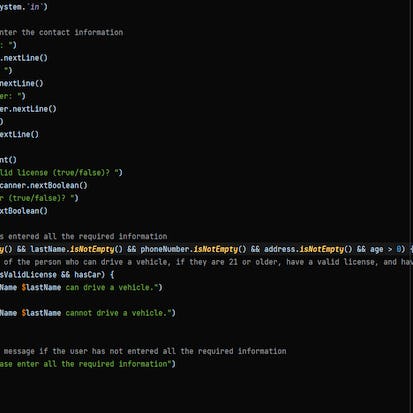
In this Kotlin for Beginners: Data Types and Conditional Expression project you will learn the basics of programming using Kotlin. By the end of this guided project you will build volunteer contact app while learning the basics of Kotlin Programming. You will also learn to create your own cumulative percentage calculator with conditional expressions as a part of the optional cumulative project for this guided project.
Buy Now Free
- Level Foundation
- المدة 3 ساعات hours
- الطبع بواسطة Coursera
-
Offered by
عن
In this Kotlin for Beginners: Data Types and Conditional Expression project you will learn the basics of programming using Kotlin. By the end of this guided project you will build volunteer contact app while learning the basics of Kotlin Programming. You will also learn to create your own cumulative percentage calculator with conditional expressions as a part of the optional cumulative project for this guided project.الوحدات
Your Learning Journey
-
2
Readings
-
 1
Plugin
1
Plugin
-
 1
Lab
1
Lab
-
1
Assignment
1
Assignment
- Assess Your Knowledge
1
Labs
- Kotlin For Beginners: Data Types and Conditional Expressions
2
Readings
- Project Overview
- Key Take Away Document
Auto Summary
Discover the basics of programming with "Kotlin For Beginners: Data Types and Conditional Expressions." This beginner-level course, taught by Coursera, focuses on Kotlin programming, guiding you to create a volunteer contact app and a cumulative percentage calculator. Ideal for personal development, the course spans 180 minutes and is available for free. Perfect for those new to Kotlin or programming in general.
Buy Now Free
- Level Professional
- المدة 3 ساعات hours
-
Offered by
عن
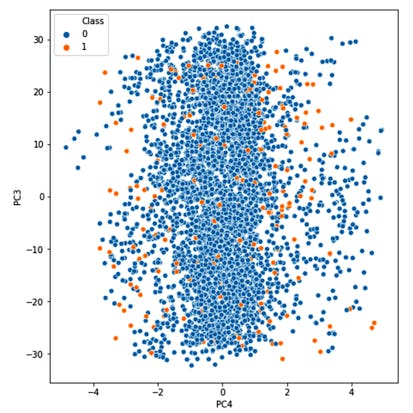
In this 2-hour long project-based course on handling imbalanced data classification problems, you will learn to understand the business problem related we are trying to solve and and understand the dataset. You will also learn how to select best evaluation metric for imbalanced datasets and data resampling techniques like undersampling, oversampling and SMOTE before we use them for model building process. At the end of the course you will understand and learn how to implement ROC curve and adjust probability threshold to improve selected evaluation metric of the model. Note: This course works best for learners who are based in the North America region. We’re currently working on providing the same experience in other regions.Auto Summary
Enhance your skills in addressing imbalanced data classification challenges with this engaging and practical 2-hour project-based course. Designed for intermediate learners, this course dives into the nuances of understanding business problems and datasets pertinent to imbalanced data scenarios. Offered by Coursera, this personal development course provides valuable insights and techniques to tackle classification issues effectively. With free subscription options available, it's an excellent opportunity for data enthusiasts and professionals to advance their expertise in a crucial aspect of data science. Join now and take your data handling abilities to the next level!

Advanced Information Literacy
This course is designed to build upon a learner's search skills and expertise in the information literacy concepts that underpin scholarship at college or university. This badge incentivizes them to continue improving their information literacy competencies over their academic and workplace career.
Monthly Subscription Starting at AED 99 + VAT

- Level Professional
- المدة 18 ساعات hours
- الطبع بواسطة The State University of New York
-
Offered by
عن
This course is designed to build upon a learner's search skills and expertise in the information literacy concepts that underpin scholarship at college or university. This badge incentivizes them to continue improving their information literacy competencies over their academic and workplace career. By participating in this course, one can use these advanced search skills to save time conducting literature reviews, efficiently gather and organize information, ethically use sources, and protect their own intellectual property. Learners will work independently on a topic of their choosing and receive feedback from their peers throughout the process. The modules build on each other and provide learners with a framework (project outline). The final project is disseminated as a digital object that exemplifies the learner’s status as an emerging scholar or professional. The modules are self-paced, the estimated completion time for each module is 2 hours. The content within each module can be paused at any time, with the exception of the quiz at the end of each module. In addition to earning a certificate from Coursera for this course, you'll also receive a Micro-Credential Digital Badge from the University at Buffalo, the State University of New York recognizing your accomplishment. Use your verified digital badge to promote your achievement online, and access job insights related to your new skills. Upon completion of each individual course and the complete Specialization, you will receive an email from Coursera with directions on how to claim your badge. Payment or participation through an official Coursera promotional offer is required to have full access to the course and to qualify for the Coursera Certificate and Digital Badge.الوحدات
Course Welcome
-
1
Videos
-
1
Readings
1
Videos
- Welcome to the course
1
Readings
- Earn a Coursera Certificate and a Digital Badge
The value of information
-
2
Videos
-
1
Readings
-
1
Discussion
1
Discussions
- Reflection
2
Videos
- What is scholarship?
- The Cost of Information
1
Readings
- What is open access?
Evaluating information sources
-
1
Videos
-
1
Discussion
1
Discussions
- Reflection
1
Videos
- Evaluating Resources
Legal aspects of information
-
1
Videos
-
1
Readings
-
1
PeerReview
-
1
Assignment
1
Assignment
- End of Module 1 Quiz
1
Peer Review
- Reasoning it out
1
Videos
- Global politics of (mis)information
1
Readings
- Copyright & Fair Use (a global primer)
Why citing matters
-
2
Videos
-
1
Readings
-
1
Discussion
1
Discussions
- Reflection
2
Videos
- Giving credit
- Don't Plagiarize
1
Readings
- The importance of citing references
How to cite your sources
-
1
Videos
-
4
Readings
-
1
Discussion
1
Discussions
- Reflection
1
Videos
- Citation Styles
4
Readings
- American Psychological Association (APA)
- Modern Language Association (MLA)
- APA Writer Tutorial (optional)
- MLA citation practice template (optional)
Tools to cite your sources
-
1
Videos
-
4
Readings
-
1
Discussion
-
1
PeerReview
-
1
Assignment
1
Assignment
- End of Module 2 Quiz
1
Peer Review
- Reasoning it out
1
Discussions
- Reflection
1
Videos
- Citing an image (3-point attribution)
4
Readings
- Video: Endnote in Six Minutes
- Video: Zotero in Nine Minutes
- Attributing multimedia (optional)
- Putting a license on your work (optional)
Brainstorming a topic of interest
-
1
Videos
-
2
Readings
-
1
Discussion
-
1
Assignment
1
Assignment
- Brainstorming exercise
1
Discussions
- Reflection
1
Videos
- Research Topic Development and Strategic Exploration
2
Readings
- Video: Narrowing a Topic with Mind Mapping
- Explore Brainstorming Tools
Developing a research question/argument
-
2
Readings
-
1
Discussion
-
1
Assignment
1
Assignment
- Focused Research Question
1
Discussions
- Reflection
2
Readings
- Video: Developing a Research Question
- Developing a Research Question
Generating keywords & synonyms
-
1
Videos
-
2
Readings
-
1
Discussion
1
Discussions
- Reflection
1
Videos
- Creating Synonyms
2
Readings
- Video: How to Choose Keywords
- Identifying Keywords and Synonyms
Crafting an advanced search strategy
-
1
Videos
-
1
Discussion
-
1
PeerReview
-
2
Assignment
2
Assignment
- Build your search exercise
- End of Module 3 Quiz
1
Peer Review
- Reasoning it out
1
Discussions
- Reflection
1
Videos
- Advanced search strategies
Finding a topic overview and revising your topic
-
3
Videos
-
1
Discussion
1
Discussions
- Find an overview
3
Videos
- Introduction to module four
- Revising your topic from an overview
- Using encyclopedias for overviews
Searching for articles (magazine, newspaper, and journal)
-
4
Videos
-
1
Readings
-
1
Discussion
1
Discussions
- Find Information
4
Videos
- Searching for magazine articles
- Searching for newspaper articles
- Searching for journal articles
- Searching for journal articles in a database
1
Readings
- Finding and Using Magazine, Newspaper & Journal Articles
Searching for government, non-government organization (NGO) sources
-
1
Videos
-
1
Readings
-
1
Discussion
1
Discussions
- Find government or organziation information
1
Videos
- Searching for government & NGO sources
1
Readings
- Finding and Using Government and Non-government Organization (NGO) Sources
Searching for books
-
1
Videos
-
1
Readings
-
1
Discussion
-
1
PeerReview
-
1
Assignment
1
Assignment
- End of Module 4 Quiz
1
Peer Review
- Reasoning it out
1
Discussions
- Find books
1
Videos
- Searching for books
1
Readings
- Finding and Using Books
Introducing your final Project
-
1
Videos
-
1
Readings
-
1
PeerReview
1
Peer Review
- Draft of Final Project
1
Videos
- Introduction to Final Project
1
Readings
- Developing your Final Project
Final Project
-
1
Readings
-
1
Discussion
-
1
PeerReview
1
Peer Review
- Final Project
1
Discussions
- Final Reflection
1
Readings
- Putting it all together
Auto Summary
Enhance your academic and workplace research skills with the Advanced Information Literacy course. Tailored for professionals and students, this self-paced course from the University at Buffalo offers advanced search techniques, ethical use of sources, and intellectual property protection. Each module takes roughly 2 hours to complete, culminating in a digital project. Earn a Micro-Credential Digital Badge and a Coursera certificate upon completion. Ideal for those seeking to improve their information literacy and efficiency in literature reviews. Access requires a Coursera subscription.
Monthly Subscription Starting at AED 99 + VAT
- Level Foundation
- المدة 12 ساعات hours
- الطبع بواسطة Yale University
-
Offered by
عن
A recent survey found that 37% of teens say they have poor mental health. This 6-week course aims to curb this mental health crisis by bringing together the best insights from Dr. Laurie Santos’ popular Yale course Psychology and the Good Life. In this course, you will explore what the field of psychology teaches us about how to be happier, how to feel less stressed, and how to thrive in high school and beyond. The lessons along with short weekly ‘happiness homework’ assignments will ultimately prepare you to put these scientific findings into practice. The ultimate goal is for you to feel better and build healthier habits. Parents, teachers, and other professionals supporting teenagers may also find the course beneficial. Note: This course does not confer Yale University grade, credit or student status. THE SCIENCE OF WELL-BEING FOR TEENS WAS PRODUCED IN PART DUE TO THE GENEROUS FUNDING OF THE ARTHUR M. BLANK FAMILY FOUNDATION AND THE JOHN TEMPLETON FOUNDATION.الوحدات
Your Happiness Homework for the Week
-
2
Readings
2
Readings
- Happiness Homework
- Welcome Letter from Laurie
Why study happiness?
-
5
Videos
5
Videos
- Why Take Yale's Most Popular Course?
- What Does It Even Mean to Be Happy?
- Is Becoming Happier a Selfish Thing to Do?
- Do Life Circumstances Determine Happiness?
- What Are the Benefits of Being Happier?
What do we get wrong about happiness?
-
4
Videos
4
Videos
- Our Mind Lies to Us About Happiness
- Misconceptions #1: Money & Awesome Stuff
- Misconceptions #2: Grades & College Admissions
- Misconceptions #3: Screen Time & Social Media
Module 1 Review
-
1
Readings
-
1
Assignment
1
Assignment
- Module 1 Quiz
1
Readings
- Key Terms
Student Q&A
-
3
Videos
3
Videos
- Negative Mass Media?
- Dopamine Hits from Social Media?
- Being Fake Online?
Your Happiness Homework for the Week
-
1
Readings
1
Readings
- Happiness Homework
Why do we get happiness wrong? What can we do about it?
-
8
Videos
8
Videos
- Our Minds Are Bad at Predicting Our Feelings
- Happiness Problem #1: We Get Used to Stuff but Don't Know It
- How Can We Deal with Hedonic Adaptation?
- Happiness Problem #2: We Compare Ourselves a Lot
- Happiness Problem #2: We Compare Ourselves to Other People
- How Can We Deal with Social Comparisons?
- Happiness Problem #3: Our Attention Is Limited
- How Can We Deal with Limited Attention?
Module 2 Review
-
1
Readings
-
2
Assignment
2
Assignment
- Module 2 Quiz
- Happiness Homework Checkpoint
1
Readings
- Key Terms
Student Q&A
-
4
Videos
4
Videos
- An Experience Gone Bad?
- Comparisons Other Make About Us?
- Reference Points & Self-Love?
- Are Comparisons Motivating?
Your Happiness Homework for the Week
-
1
Readings
1
Readings
- Happiness Homework
Which behaviors make us happy?
-
7
Videos
7
Videos
- What Make Us Happier: Behaviors
- Social Connection
- Kindness
- Flow & Fun
- Signature Strengths
- Healthy Habits
- Time Affluence
Module 3 Review
-
1
Readings
-
2
Assignment
2
Assignment
- Module 3 Quiz
- Happiness Homework Checkpoint
1
Readings
- Key Terms
Student Q&A
-
3
Videos
3
Videos
- Happy People & Charity?
- Helping Others?
- Changes in Sleep Patterns?
Your Happiness Homework for the Week
-
1
Readings
1
Readings
- Happiness Homework
What thought patterns make us happy?
-
6
Videos
6
Videos
- What Make Us Happier: Thoughts
- Experiencing gratitude
- Practicing mindfulness
- Fighting your inner critic
- Getting some perspective
- Developing the right mindset
Module 4 Review
-
1
Readings
-
2
Assignment
2
Assignment
- Module 4 Quiz
- Happiness Homework Checkpoint
1
Readings
- Key Terms
Student Q&A
-
3
Videos
3
Videos
- Avoiding Apathy?
- Gaslighting Yourself?
- Lying to Yourself?
Your Happiness Homework for the Week
-
1
Readings
1
Readings
- Happiness Homework
Which feelings make us happy?
-
4
Videos
4
Videos
- What Makes Us Happier: Feelings
- Accepting negative emotions
- Bridging our empathy gaps
- Regulating our fight-or-flight
Module 5 Review
-
1
Readings
-
2
Assignment
2
Assignment
- Module 5 Quiz
- Happiness Homework Checkpoint
1
Readings
- Key Terms
Student Q&A
-
1
Videos
1
Videos
- Avoiding Rumination During Meditation?
Your Happiness Homework to Complete the Course
-
2
Readings
2
Readings
- Happiness Homework
- Final Assignment Preview
How can we achieve our happiness goals?
-
8
Videos
8
Videos
- Putting These Happiness Tips into Practice
- Realizing the Situation Around Us
- Harnessing the Power of Other People
- Understanding the Habit Loop
- Hacking the Habit Loop
- Leveraging Our Associations
- Rethinking Our Psychological Timeline
- Happiness is up to you!
Module 6 Review
-
1
Readings
-
1
Assignment
1
Assignment
- Module 6 Quiz
1
Readings
- Key Terms
Course Review
-
3
Readings
-
1
PeerReview
1
Peer Review
- Final Writing Assignment
3
Readings
- Measure Your Happiness Again!
- Keep Learning
- Are you a teacher?
Student Q&A
-
3
Videos
3
Videos
- Messing Up Your Goal?
- Coping with Negative People?
- Dr. Santos' Strategies?
Go Above and Beyond!
-
1
PeerReview
1
Peer Review
- Express Your Creativity
Auto Summary
"The Science of Well-Being for Teens" is a 6-week course by Coursera, designed to improve teen mental health through insights from Dr. Laurie Santos' Yale course. Focusing on happiness, stress reduction, and thriving in high school and beyond, it includes weekly 'happiness homework.' Ideal for teens, parents, and educators, the course offers Starter and Professional subscription options.

Modeling and Debugging Embedded Systems
This course can also be taken for academic credit as ECEA 5387, part of CU Boulder’s Master of Science in Electrical Engineering degree. This is part 3 of the specialization.
Monthly Subscription Starting at AED 99 + VAT
- Level Professional
- المدة 8 ساعات hours
- الطبع بواسطة University of Colorado Boulder
-
Offered by
عن
This course can also be taken for academic credit as ECEA 5387, part of CU Boulder’s Master of Science in Electrical Engineering degree. This is part 3 of the specialization. In this course students will learn : * About SystemC and how it can be used to create models of cyber-physical systems in order to perform "what-if" scenarios * About Trimble Engineering's embedded systems for heavy equipment automation * A deeper understanding of embedded systems in the Automotive and Transportation market segment * How to debug deeply embedded systems * About Lauterbach's TRACE32 debugging tools * How to promote technical ideas within a company * What can be learned from studying engineering failuresالوحدات
Course Introduction
-
2
Readings
-
1
Discussion
1
Discussions
- Introduction Discussion Forum
2
Readings
- Access to Course Resources
- A Note from the Instructor
Lectures
-
20
Videos
20
Videos
- Introduction
- Segment 1 - SystemC 1
- Segment 2 - SystemC 2
- Segment 3 - SystemC: Example Baggage Handling System
- Segment 4 - Explanation of Rotary Shaft Encoders
- Segment 5 - Rotary Shaft Encoder use in Paper Cutters
- Segment 6 - SystemC Examples
- Segment 7 - Baggage Handling System Model Structure
- Segment 8 - Trimble - Introduction
- Segment 9 - Trimble - Machine Grade Control, Production Study
- Segment 10 - Trimble - Machine Types
- Segment 11 - Trimble - Excavator
- Segment 12 - Trimble - Communication Protocols
- Segment 13 - Trimble - Site Gateway
- Segment 14 - Trimble - Peer-to-Peer System
- Segment 15 Trimble - Predictive Analytics
- Segment 16 - Trimble - Security
- Segment 17 - Trimble - UAVs
- Segment 18 - Trimble - Augmented Reality
- Segment 19 - Trimble - Hololens
Quiz
-
 1
Quiz
1
Quiz
1
Quiz
- Module 1 Quiz
Lectures
-
16
Videos
16
Videos
- Introduction
- Segment 1 Automotive 1
- Segment 2 - Automotive 2
- Segment 3 - Automotive 3
- Segment 4 - Automotive 4 - Waze
- Segment 5 - Automotive 5
- Segment 6 - Automotive 6
- Segment 7 - Trucking
- Segment 8 - Trucking - Weigh in Motion
- Segment 9 - Logistics
- Segment 10 - Trains
- Segment 11 - Planes
- Segment 12 - Shipping
- Segment 13 - Smart Roads
- Segment 14 - Smart Parking
- Segment 15 - Summary
Quiz
-
1
Quiz
1
Quiz
- Module 2 Quiz
Lectures
-
13
Videos
13
Videos
- Introduction
- Segment 1 - Debug 1
- Segment 2 - Debug 2
- Segment 3 - Log Pages
- Segment 4 - Debugging During Validation
- Segment 5 - The Importance of Trace
- Segment 6 - Lauterbach - Introduction
- Segment 7 - Lauterbach - JTAG
- Segment 8 - Lauterbach - Tracing
- Segment 9 - Lauterbach - Types of Trace Output + Viewing Traces
- Segment 10 - Lauterbach - Looking Back in Time
- Segment 11 - Lauterbach - Timing and Performance Analysis
- Segment 12 - Lauterbach - Code Coverage
Quiz
-
1
Quiz
1
Quiz
- Module 3 Quiz
Lectures
-
10
Videos
10
Videos
- Introduction
- Segment 1 - Promoting Technical Ideas - Patents
- Segment 2 - Promoting Technical Ideas within a Company
- Segment 3 - Learning from Failures
- Segment 4 - Learning from Failures - From My Past
- Segment 5 - Learning from Failures - Sparkfun
- Segment 6 - Learning from Failures - Kickstarter CST-01 Watch
- Segment 7 - Learning from Failures - Toyota
- Segment 8 - 20 Reasons Startups Fail
- Segment 9 - Assessing Business Risks
Quiz
-
1
Quiz
1
Quiz
- Module 4 Quiz
Lecture: Conclusion
-
1
Videos
-
1
Readings
1
Videos
- Concluding Remarks
1
Readings
- List of IIoT Companies
Auto Summary
Join "Modeling and Debugging Embedded Systems" to enhance your expertise in SystemC modeling, embedded systems automation, and debugging deeply embedded systems. This professional-level course, instructed by CU Boulder, is part of their Master of Science in Electrical Engineering degree. Dive into specialized content, including Trimble Engineering's automation, Automotive systems, Lauterbach's TRACE32 tools, and promoting technical ideas within a company. Available on Coursera with a 480-hour duration and starter subscription, it's ideal for professionals seeking advanced skills in personal development.

Responding, Revising and Assessing Student Writings
When writers write, readers respond. Responding to student writing gives teachers one of the most meaningful avenues to help students learn and grow. In this module, learners will identify best practices in effectively responding to student writing. You will also define revision, identify how revision differs from editing, and examine strategies for teaching students how to engage in effective revision.
Monthly Subscription Starting at AED 99 + VAT

- Level Foundation
- المدة 21 ساعات hours
- الطبع بواسطة Johns Hopkins University
-
Offered by
عن
When writers write, readers respond. Responding to student writing gives teachers one of the most meaningful avenues to help students learn and grow. In this module, learners will identify best practices in effectively responding to student writing. You will also define revision, identify how revision differs from editing, and examine strategies for teaching students how to engage in effective revision. Finally, because writing can also be used for testing, and because all students learn in increments over time, learners will identify a number of strategies for evaluating and assessing student writing, both for individual writings and a student writer’s progress over a period of time. Learners will also consider ways to involve students in both the responding and assessment processes. At the conclusion of this course, learners will have a toolbox full of strategies and practices for these three significant components of any writing class: responding to, revising and assessing student writing.الوحدات
Responding to Student Writing
-
8
Videos
-
3
Readings
-
1
PeerReview
-
1
Assignment
1
Assignment
- Responding to Student Writers
1
Peer Review
- Responding to "Myths"
8
Videos
- Welcome to Responding to, Revising and Assessing Writing
- Teaching Writing Specialization Welcome Video
- Responding to Your Fellow Learners
- Responding to Student Writing: An Overview
- Conferences
- Nancy Somers on Responding, Part 1
- Nancy Somers on Responding, Part 2
- Different Responses for Different Stages
3
Readings
- "Beyond the Red Pen"
- Effective Praise
- When Students Say About Responding to Their Writing
Peer Review
-
2
Videos
-
4
Readings
-
1
Discussion
-
1
Assignment
1
Assignment
- Peer Response
1
Discussions
- Peer Review and You
2
Videos
- The What and Why of Peer Review
- Strategies for Effective Peer Review
4
Readings
- "Guiding Peer Response"
- Common Guidelines for Peer Review
- Peer Review Times Two
- Sample Peer Review Session
Teaching Grammar
-
4
Videos
-
3
Readings
-
1
Discussion
1
Discussions
- Teaching Grammar
4
Videos
- Teaching Grammar in Context
- Vygotsky and the Challenges of Teaching Grammar
- Mini-Lesson on the Semi-Colon
- Mini-Lesson: Using Grammar to Reinforce Meaning
3
Readings
- Reading Before Watching the Next Video
- FAQs on Teaching Grammar
- Grammar Alive!
What is Revision (and why it's not the same as editing)?
-
4
Videos
-
1
Readings
-
1
Discussion
-
1
Assignment
1
Assignment
- Revision
1
Discussions
- Your Relationship with Revision
4
Videos
- Welcome to Module 2
- What Revision Is. . .and Isn't
- What Revision Usually Is
- "Teaching" Revision
1
Readings
- Four Principles Toward Teaching the Craft of Revision
Lessons to Teach Revision
-
3
Videos
-
6
Readings
-
1
Discussion
1
Discussions
- Try One
3
Videos
- Conclusions on a Lesson on Structure
- Intentional Overwriting
- Playing with Revision for Fiction
6
Readings
- The Reverse Outline: A Lesson in Structure
- "The Writer's Toolbox"
- Clausen's Pier
- Color-Coded Revision
- The Nine-Paragraph Revision Rubric
- Revision Focused on the Writing
Assessment and Evaluation
-
5
Videos
-
3
Readings
-
1
PeerReview
1
Peer Review
- Writing Teachers as Coaches or Judges
5
Videos
- Welcome to Module 3
- Assessment: An Overview
- Intrinsic Motivation
- Authentic Assessment
- Next Generation Assessment
3
Readings
- Helping Students Focus on Learning, Not the Grade
- Intrinsic and Extrinsic Motivation
- Writing Teachers as Coaches, not Judge
Grading
-
3
Videos
-
2
Readings
-
1
Discussion
1
Discussions
- How Do You Feel About Grades?
3
Videos
- Grading Student Writing
- Rubrics
- What to Do, Then, about Grades?
2
Readings
- The Thorny Issue of Grading Student Writing
- What's Wrong with Points?
The Writing Portfolio
-
2
Videos
-
3
Readings
-
1
Discussion
-
1
Assignment
1
Assignment
- Portfolio Components and Challenges
1
Discussions
- Portfolios and You
2
Videos
- The Writing Portfolio
- Challenges Portfolios Meet
3
Readings
- Better Ways to Measure Student Progress
- Portfolio Assessment: an Alternative
- Making the Writing Portfolio Real
Involving Students in the Process
-
3
Videos
-
2
Readings
-
1
Discussion
1
Discussions
- Involving Students in Assessment
3
Videos
- Welcome to Module 4
- Involving Students in Assessment
- Alternative Methods of Assessment: Contract Grading
2
Readings
- How to Help Students Focus on Learning
- A Better Way to Grade
Reflection and Self-Assessment
-
3
Videos
-
7
Readings
-
1
Discussion
-
1
PeerReview
1
Peer Review
- Apply Your Learning
1
Discussions
- Process Log
3
Videos
- Reflection and Self-Assessment: An Overview
- Student Self-Assessment
- Realistic Small Steps Toward Change
7
Readings
- Teaching Self Reflection
- Benefits of Reflection and Writing
- Ways Students Can Reflect On Their Writing
- Reflective Questions
- The Process Log
- "The Importance of Self-Assessment"
- "Mistakes Grow Your Brain"
Auto Summary
Enhance your teaching skills with "Responding, Revising and Assessing Student Writings," a Coursera course in Personal Development. This foundational module equips educators with effective strategies for responding to, revising, and assessing student writing. Over 1260 minutes, you'll master best practices in feedback, understand the nuances of revision versus editing, and learn robust assessment techniques. Ideal for educators seeking to foster student growth through meaningful writing feedback. Available with a Starter subscription.

Writing and Editing: Revising
This fourth and final course in the “Good with Words: Writing and Editing” series will help you master perhaps the most important step in the writing process: revising. You’ll learn about the difference between editing and proofreading. You’ll practice “un-numbing the numbers” so that data and statistics you use are clear and compelling.
Monthly Subscription Starting at AED 99 + VAT

- Level Foundation
- المدة 14 ساعات hours
- الطبع بواسطة University of Michigan
-
Offered by
عن
This fourth and final course in the “Good with Words: Writing and Editing” series will help you master perhaps the most important step in the writing process: revising. You’ll learn about the difference between editing and proofreading. You’ll practice “un-numbing the numbers” so that data and statistics you use are clear and compelling. And you’ll be introduced to a framework for giving and receiving feedback that helpfully systematizes what should be cut and what should be kept from each draft. As with the other three courses in this series, you will also get access to a wide range of books and other resources you can use even after you finish the course. These include: (1) the readings and exercises provided to the students who have taken the in-person version of this course at the University of Michigan and the University of Chicago; (2) two digital libraries of excellent writing from a diverse collection of journalists, scientists, novelists, poets, historians, and entrepreneurs; and (3) a monthly “Good Sentences” email.الوحدات
Introduction
-
2
Videos
-
4
Readings
2
Videos
- Introduction
- Ken Burns, Alice Waters, and Ira Glass
4
Readings
- Teaching Style + Resources
- Meet Professor Barry
- Syllabus
- University of Michigan Survey
Editing and Empathy
-
2
Readings
-
2
Discussion
2
Discussions
- User-friendly (Helpful)
- User-friendly (Annoying)
2
Readings
- Editing and Empathy
- User-friendly
Proofreading Practice
-
3
Readings
-
 1
ExternalTool
1
ExternalTool
1
External Tool
- Exercise—Proofreading Practice
3
Readings
- Introduction to the Gamut Workbook Tool
- Gamut Workbook FAQ: Locked Exercises
- Gamut Workbook FAQ: Error 403
Sound and Sense
-
1
Readings
-
1
Assignment
1
Assignment
- Low-Stakes Practice
1
Readings
- Good with Words Chapter 4 ("Sound and Sense")
Extra Ear
-
4
Plugin
-
1
Assignment
1
Assignment
- Low-Stakes Practice
Edit Our Edits
-
1
Readings
1
Readings
- Edit Our Edits
Punctuation and Professionalism
-
1
Videos
-
1
Readings
-
1
Assignment
1
Assignment
- Punctuation Practice: Dependent Clauses
1
Videos
- Punctuation and Professionalism: Dependent Clauses
1
Readings
- Punctuation and Professionalism: Introduction and Review
Notes on Nuance
-
2
Readings
-
1
Assignment
1
Assignment
- Nuance Practice: James Baldwin
2
Readings
- Notes on Nuance: Introduction and Review
- Nuance Spotlight: James Baldwin
Good Sentences
-
1
Readings
-
1
ExternalTool
1
External Tool
- Good Sentences (Style)
1
Readings
- Good Sentences: Introduction and Review
Takeaways
-
3
Videos
-
1
ExternalTool
-
1
Assignment
1
Assignment
- Weekly Review (Graded)
1
External Tool
- Exercise—Takeaways
3
Videos
- Takeaways
- Student Takeaway: Extra Ear
- Student Takeaway: Sound and Sense
Previously On
-
1
Videos
-
1
ExternalTool
1
External Tool
- Exercise—Previously On
1
Videos
- Previously On
Steve Jobs
-
1
Videos
-
2
Plugin
-
1
Assignment
1
Assignment
- Low-Stakes Practice
1
Videos
- Steve Jobs
The Writer's Diet
-
1
Discussion
-
1
ExternalTool
1
External Tool
- Exercise—The Writer's Diet (Flabby or Fit?)
1
Discussions
- The Writer's Diet (Flabby or Fit?)
Uselessly Accurate
-
2
Readings
-
2
ExternalTool
-
2
Plugin
-
1
Assignment
1
Assignment
- Low-Stakes Practice
2
External Tool
- 100 Words - Part 1
- 100 Words - Part 2
2
Readings
- Good with Words Chapter 6 ("Uselessly Accurate")
- Experiment ("100 Words")
Punctuation and Professionalism
-
1
Videos
-
1
Assignment
1
Assignment
- Punctuation Practice: Isadora Duncan→Duncan, Isadora
1
Videos
- Punctuation and Professionalism: Isadora Duncan → Duncan, Isadora
Notes on Nuance
-
1
Videos
-
1
Readings
-
1
Assignment
1
Assignment
- Low-Stakes Practice
1
Videos
- Nuance Spotlight: William F. Buckley, Jr.
1
Readings
- Nuance Spotlight: William F. Buckley Jr.
Good Sentences
-
1
ExternalTool
1
External Tool
- Good Sentences (Punctuation)
Takeaways
-
3
Videos
-
1
ExternalTool
-
1
Assignment
1
Assignment
- Weekly Review (Graded)
1
External Tool
- Exercise - Takeaways
3
Videos
- Takeaways
- Student Takeaway: 100 Words
- Student Takeaway: Uselessly Accurate
Previously On
-
2
Videos
-
1
ExternalTool
-
1
Assignment
1
Assignment
- Low-Stakes Practice
1
External Tool
- Activity - Previously On Reflection
2
Videos
- Previously On
- Previously On: Clutter
Trying to Sound Smart is a Pretty Dumb Strategy
-
4
Plugin
-
1
Assignment
1
Assignment
- Low-Stakes Practice
Writer → Reader
-
3
Videos
3
Videos
- Writer → Reader
- Discipline of Breaks
- Attention Restoration
Multitasking Sentences
-
1
Readings
-
1
Assignment
1
Assignment
- Low-Stakes Practice
1
Readings
- Multitasking Sentences
Word Choice, Word Confusion
-
1
ExternalTool
-
1
Assignment
1
Assignment
- Low-Stakes Practice
1
External Tool
- Exercise—Word Choice, Word Confusion
Punctuation and Professionalism
-
1
Videos
-
1
Assignment
1
Assignment
- Punctuation Practice: If, Then
1
Videos
- Punctuation and Professionalism: If, Then
Notes on Nuance
-
1
Videos
-
1
Readings
-
1
Assignment
1
Assignment
- Nuance Practice
1
Videos
- Notes on Nuance: "What _____ is to _____"
1
Readings
- Notes on Nuance: "What _____ is to _____"
Good Sentences
-
2
ExternalTool
2
External Tool
- Good Sentences (Corresponding Clearly)
- (Optional) Exercise—Credit Check
Takeaways
-
1
Videos
-
1
ExternalTool
-
1
Assignment
1
Assignment
- Weekly Review (Graded)
1
External Tool
- Exercise—Takeaways
1
Videos
- Takeaways
Previously On
-
2
Videos
-
1
ExternalTool
1
External Tool
- Previously On: Reflection Activity
2
Videos
- Previously On
- Previously On: The Discipline of Breaks
Shot Selection
-
1
Videos
-
1
Readings
-
1
Discussion
-
1
ExternalTool
-
1
Assignment
1
Assignment
- Low-Stakes Practice
1
External Tool
- Exercise—Shot Selection
1
Discussions
- Shot Selection
1
Videos
- Shot Selection
1
Readings
- Shot Selection
Un-Numb the Numbers
-
1
Videos
-
1
Readings
-
1
Assignment
1
Assignment
- Low-Stakes Practice: Un-numb the Numbers
1
Videos
- Un-numb the Numbers
1
Readings
- Un-Numb the Numbers
Keep/Cut
-
1
Videos
1
Videos
- Keep/Cut
E-D-I-T
-
1
Videos
-
4
Discussion
-
1
ExternalTool
-
1
Assignment
1
Assignment
- Low-Stakes Practice
1
External Tool
- Exercise—"E-D-I-T"
4
Discussions
- "E-D-I-T" (Eliminate)
- "E-D-I-T" (Decrease)
- "E-D-I-T" (Increase)
- "E-D-I-T" (Try)
1
Videos
- E-D-I-T
Good Sentences
-
1
ExternalTool
1
External Tool
- Good Sentences (Habits and Habitats)
Takeaways
-
4
Videos
-
1
ExternalTool
-
1
Assignment
1
Assignment
- Weekly Review (Graded)
1
External Tool
- Exercise—Takeaways
4
Videos
- Takeaways: Premortem
- Student Takeaway: Premortem
- Student Takeaway: Un-numb the Numbers
- Student Takeaway: Keep/Cut
Book Recommendations
-
1
Readings
-
1
Discussion
-
1
ExternalTool
1
External Tool
- Course Discussion
1
Discussions
- Book Recommendation (Memoir)
1
Readings
- Book Recommendations (Memoir)
Course Wrap-up
-
2
Readings
2
Readings
- Course Feedback
- "Good with Words: Speaking and Presenting" and Michigan Online
Auto Summary
"Writing and Editing: Revising," a Coursera course led by experts from the University of Michigan and the University of Chicago, focuses on mastering revision in writing. This foundational personal development course differentiates between editing and proofreading, offers strategies to make data compelling, and provides a framework for constructive feedback. With 840 minutes of content, learners get access to extensive resources, including readings, exercises, digital libraries, and a monthly "Good Sentences" email. Ideal for those seeking to refine their writing skills, the course offers a comprehensive learning experience.
Buy Now Free

- Level Foundation
- المدة 1 ساعات hours
-
Offered by
عن
In this 40 minute long course, you will learn how to create an account and event with the web page EventBrite. Users taking this course will obtain the ability to create either an in-person event, or an online attendance event. We will go step by step through the process in this project. If you do not already have Eventbrite account access, this course will provide the steps to getting set up in Eventbrite and building your profile. You will then learn about the event options offered by Eventbrite to assist you in the selecting event settings for your specific event needs. We will explore the basics of how to set up your profile and launch your first event. Some key learning objectives that we will review include creating your EventBrite account, and setting up your first event. We will expand your knowledge by learning how to share your event with your URL that directs attendees right to your event and to easily get signed up for attendance.Auto Summary
Discover the essentials of organizing events with the "Getting Started with Eventbrite" course, perfect for those looking to dive into event planning. This concise, 40-minute course falls under the Personal Development domain and is designed to guide you through the fundamental steps of using Eventbrite, an online event management platform. Led by Coursera, this beginner-level course will teach you how to create an Eventbrite account and set up your first event, whether it’s in-person or online. You will explore the platform’s features, learn to build your profile, select appropriate event settings, and share your event URL with potential attendees for seamless registration. With a focus on practical, step-by-step instructions, this course is ideal for anyone new to Eventbrite or event planning in general. Best of all, you can access it for free, making it an excellent opportunity to enhance your event management skills quickly and effectively.