


The Bilingual Brain
This course explores the brain bases of bilingualism by discussing literature relevant to differences in age of initial learning, proficiency, and control in the nonverbal, single language and dual-language literature. Participants will learn about the latest research related to how humans learn one or two languages and other cognitive skills.
Monthly Subscription Starting at AED 99 + VAT

- Level Foundation
- المدة 15 ساعات hours
- الطبع بواسطة University of Houston
-
Offered by

عن
This course explores the brain bases of bilingualism by discussing literature relevant to differences in age of initial learning, proficiency, and control in the nonverbal, single language and dual-language literature. Participants will learn about the latest research related to how humans learn one or two languages and other cognitive skills.الوحدات
Week 1
-
 7
Videos
7
Videos
-
 1
Assignment
1
Assignment
 1
Assignment
1
Assignment
- Week 1 Quiz
7
Videos
- Office Hours 1
- 1-1 Introduction
- 1-2 Familiarity and Its Neural Instantiation
- 1-3 Age of Acquisition
- 1-4 Beyond Language
- 1-5 Plan for this course
- 1-6 Toward a Bilingual Metaphor
Week 2
-
8
Videos
-
1
Assignment
1
Assignment
- Week 2 Quiz
8
Videos
- Office Hours 2
- 2 The Nature of Learning
- 2-1 AOA In A Single Language
- 2-2 AoA and Sensitive Periods
- 2-3 AoA and Language
- 2-4 Digging into the Depth of Language
- 2-5 Building a Grammar
- 2-6 The Sensorimotor Nature of AoA
Week 3
-
11
Videos
-
1
Assignment
1
Assignment
- Week 3 Quiz
11
Videos
- Office Hours 3
- 3 Laying Down Two Languages Across Time
- 3.1 Let There Be Sound
- 3.2 Phonology in a Second Language
- 3.3 Grammar
- 3.4 Critical Periods in a Second Language
- 3.5 AoA and Orphaned Language
- 3.6 Grammatical Proccessing and AoA
- 3.7 Isolating AoA
- 3.8 Grammatical Gender
- 3.9 Camparing First and Second Language
Week 4
-
8
Videos
-
1
Assignment
1
Assignment
- Week 4 Quiz
8
Videos
- Office Hours 4
- 4 Proficiency, Efficiency and Expertise
- 4.1 Expertise
- 4.2 Perceptual Expertise
- 4.3 What Makes Expertise
- 4.4 Deliberate Practice and Language
- 4.5 Learning Without Knowing
- 4.6 Expertise and Language Proficiency
Week 5
-
14
Videos
-
1
Assignment
1
Assignment
- Week 5 Quiz
14
Videos
- Office Hours 5
- 5 Practice What You Speak
- 5.1 Language Loss
- 5.2 Catastrophic Loss
- 5.3 Can a Lost Language be Found
- 5.4 Plasticity and Language Acquisition
- 5.5 Restructuring Plasticity
- 5.6 The Dichotic Nature of Language
- 5.7 What is Predicted by Language Proficiency
- 5.8 From Everyday to Academic Language
- 5.9 Academic and Everyday Grammar
- 5.10 Language and Memory System
- 5.11 Speech in a Second Language
- 5.12 Language Learning as a Building Process
Week 6
-
9
Videos
-
1
Assignment
1
Assignment
- Week 6 Quiz
9
Videos
- Office Hours 6
- 6 Controlled Adjustments
- 6.1 Control and the Brain
- 6.2 How Do We Learn Control?
- 6.3 Brain Development and Control
- 6.4 From Control to Flexibility
- 6.5 Changes in Task Switching Across Development
- 6.6 Aging and the Eroding Prefrontal Cortex
- 6.7 Control And Language
Week 7
-
9
Videos
-
1
Assignment
1
Assignment
- Week 7 Quiz
9
Videos
- Office Hours 7
- 7 Control, Flexibility and the Two Language Dilemma
- 7.1 The Language Switch
- 7.2 In Search of the Language Switch
- 7.3 The Bilingual Advantage
- 7.4 The Bilingual Disadvantage
- 7.5 A Couple of Caveats
- 7.6 Bilingual Control and Language Proficiency
- 7.7 Beyond Control
Week 8
-
7
Videos
-
1
Assignment
1
Assignment
- Week 8 Quiz
7
Videos
- Office Hours 8
- 8 The Final Frontier
- 8.1 AoA, Proficiency and Control Interact
- 8.2 The Nonlinear Dynamics of Bilingualism
- 8.3 From Cognitive Principles to Brain Principles
- 8.4 Metaphors of the Mind
- 8.5 The Bilingual Brain
Final Exam
-
1
Assignment
1
Assignment
- Final Exam
Auto Summary
Explore the fascinating world of bilingualism with "The Bilingual Brain." This foundational course delves into the brain's mechanisms behind learning multiple languages, examining factors like age, proficiency, and cognitive control. Led by Coursera, it features the latest research on language acquisition and cognitive skills. With a 900-minute duration, learners can choose between Starter and Professional subscription options. Ideal for those interested in personal development and understanding the cognitive aspects of bilingualism.

Create a Glossary in Microsoft Word 365
Long and technical documents may need a glossary of terms at the end of the document to assist readers in understanding the terminology used. Microsoft Word 365 is a free program available online that can be used to create a high-quality, effective glossary. Learners taking this project will walk through how to create a glossary in an easy-to-follow, step-by-step format. Starting with preparing a blank document or using a prepared example document, learners will then learn how to format the text in the glossary and how to write highly effective definitions.
Buy Now Free

- Level Foundation
- المدة 3 ساعات hours
- الطبع بواسطة Coursera
-
Offered by
عن
Long and technical documents may need a glossary of terms at the end of the document to assist readers in understanding the terminology used. Microsoft Word 365 is a free program available online that can be used to create a high-quality, effective glossary. Learners taking this project will walk through how to create a glossary in an easy-to-follow, step-by-step format. Starting with preparing a blank document or using a prepared example document, learners will then learn how to format the text in the glossary and how to write highly effective definitions. Next, learners will discover how to format the glossary in two different ways, paragraph and table formats. By the end of this project, learners will be confident in creating and formatting a glossary of terms that they can easily add at the end of any document to inform and engage readers.الوحدات
Your Learning Journey
-
 1
Readings
1
Readings
-
 1
Plugin
1
Plugin
-
 1
Lab
1
Lab
-
1
Assignment
1
Assignment
- Assess Your Knowledge
 1
Labs
1
Labs
- Create a Glossary in Microsoft Word 365
1
Readings
- Project Overview
Auto Summary
Enhance your document creation skills with "Create a Glossary in Microsoft Word 365," a beginner-level course in Personal Development. Guided by Coursera, you'll master crafting and formatting glossaries in both paragraph and table formats using Microsoft Word 365. This free, 180-minute course is perfect for anyone looking to enhance their technical document writing.

The Softer Side of Science Communication
In this course, you will continue to explore how to develop and implement evidence-based methods for science communication. Here we’ll be looking at the softer but no less important side of science communication. We’ll cover the basics of human emotion, building connection with your audience through empathy and authenticity, how improv can improve your science communication game, non-verbal communication, and managing adversity in science communication. We’ll close with a discussion of how to be an inclusive and trauma-informed science communicator.
Monthly Subscription Starting at AED 99 + VAT

- Level Foundation
- المدة 10 ساعات hours
- الطبع بواسطة University of Colorado Boulder
-
Offered by
عن
In this course, you will continue to explore how to develop and implement evidence-based methods for science communication. Here we’ll be looking at the softer but no less important side of science communication. We’ll cover the basics of human emotion, building connection with your audience through empathy and authenticity, how improv can improve your science communication game, non-verbal communication, and managing adversity in science communication. We’ll close with a discussion of how to be an inclusive and trauma-informed science communicator.الوحدات
Welcome!
-
1
Videos
-
1
Discussion
-
1
Plugin
1
Discussions
- Emotion and Communication
1
Videos
- Course Introduction
Evolution and Basics of Human Emotion
-
1
Videos
-
2
Readings
1
Videos
- Humans As Emotional Beings
2
Readings
- Melanie Peffer TED Talk: Exploring Examples of Safe Gateways To Curiosity
- Basics of Human Emotion
Incorporating Emotion into Science Communication
-
2
Videos
-
1
Readings
-
1
Assignment
1
Assignment
- The Power of Emotion
2
Videos
- Emotion and Science Communication
- Managing Anxiety about Science
1
Readings
- Science, Emotion, and Communication
Building Connection Through Authenticity and Trust
-
1
Videos
-
2
Readings
-
1
Discussion
1
Discussions
- Barriers to Building Trust
1
Videos
- Vulnerability, authenticity and Trust in Science Communication
2
Readings
- Brené Brown TED Talk: The Power of Vulnerability
- How to Build Trust in Science and Health: Mini Course
Incorporating Empathy into Science Communication
-
1
Videos
-
3
Readings
-
1
Discussion
1
Discussions
- Warm-up: Vulnerability and Empathy
1
Videos
- Empathy and Science Communication
3
Readings
- Introduction to Empathy, Brené Brown
- The Art of Question Asking: The Other Half of Empathic Listening
- Empathy in Science Communication: Mini Course
Lessons from the Theater
-
3
Videos
-
3
Readings
-
1
Discussion
-
1
PeerReview
1
Peer Review
- Tell A Short Science Story
1
Discussions
- Theater and Comedy in Science Communication
3
Videos
- Improvisation and Science Communication
- Why Use Storytelling?
- Nonverbal Science Communication
3
Readings
- Introduction: Pop culture and Improvisation
- Optional: Improv Can Build Confidence
- How To Tell A Science Story: Mini Course
Conflict and Science Communication
-
1
Videos
-
1
Readings
-
1
Discussion
1
Discussions
- Conflict
1
Videos
- Conflict in Science Communication
1
Readings
- Conflict Resolution
Tips for Dealing with an Adversarial Audience
-
2
Videos
-
1
Discussion
-
1
Assignment
1
Assignment
- Conflict and Adversity in Science Communication
1
Discussions
- Warm-up
2
Videos
- Where Does Adversity in Science Communication Come From?
- Strategies for Managing an Adversarial Audience
Trauma and Science Communication
-
1
Videos
-
2
Readings
-
1
Discussion
1
Discussions
- Reflecting on Racism and Discrimination in Healthcare
1
Videos
- Trauma Informed Science Communication
2
Readings
- Strategies for Sharing Power
- Racism and Discrimination in Health Care: Providers and Patients
Towards Inclusive Science Communication
-
1
Videos
-
2
Readings
-
1
Discussion
1
Discussions
- Being Inclusive in Science Communication Activities
1
Videos
- Designing for Inclusion
2
Readings
- Culturally Relevant SciComm: Mini Course
- How to be Inclusive in Science Storytelling: Mini Course
An Ethical Code for Science Communicators
-
1
Videos
-
2
Readings
1
Videos
- Ethical Considerations in Science Communication
2
Readings
- The Ethics of Science Communication
- Ethics of Science Communication: Mini Course
Wrap Up & Additional Resources
-
1
Videos
-
1
Readings
1
Videos
- Wrap Up
1
Readings
- Course 2 Resources
Final Project
-
1
Readings
-
1
PeerReview
1
Peer Review
- Course 2 Final Project
1
Readings
- DESC Universal Final Project Instructions
Auto Summary
Unlock the transformative power of effective science communication with "The Softer Side of Science Communication" course. Dive deep into personal development strategies tailored for the nuanced art of conveying scientific ideas. Guided by expert instructors from Coursera, this foundational course covers essential topics such as human emotion, empathy, authenticity, non-verbal cues, and the potential of improvisation to enhance communication skills. In just 600 minutes, you'll gain insights into building genuine connections with your audience, managing adversity, and promoting inclusivity and trauma-informed practices in your communication efforts. Whether you're a budding scientist, educator, or communicator, this course offers valuable techniques to refine your approach and engage more meaningfully with diverse audiences. Kickstart your journey with the Starter subscription and elevate your science communication game to a new level. Ideal for those seeking to make a lasting impact through the softer, yet crucial aspects of sharing scientific knowledge.

Security & Safety Challenges in a Globalized World
Security and safety challenges rank among the most pressing issues of modern times. Challenges such as, cyber-crime, terrorism, and environmental disasters impact the lives of millions across the globe. These issues also rank high on the agenda of politicians, international organizations and businesses. They also feature prominently in the public conscience and in governmental policies. In the current, interconnected world, security challenges are becoming increasingly complex.
Monthly Subscription Starting at AED 99 + VAT
- Level Foundation
- المدة 11 ساعات hours
- الطبع بواسطة Universiteit Leiden
-
Offered by
عن
Security and safety challenges rank among the most pressing issues of modern times. Challenges such as, cyber-crime, terrorism, and environmental disasters impact the lives of millions across the globe. These issues also rank high on the agenda of politicians, international organizations and businesses. They also feature prominently in the public conscience and in governmental policies. In the current, interconnected world, security challenges are becoming increasingly complex. Facilitated by developments as globalization and the spread of networked and hyper-connected technologies, new safety and security challenges arise and impact local, national, regional and international levels, which dramatically increases their complexity and scale. As such, solutions to contemporary security challenges require a wide array of actors operating on multiple levels of governance. The course will introduce you to the broad theme of security and safety in an increasingly complex world. Together we will search for answers to important questions: what is security and safety? How can we understand complex modern-day security and safety challenges? And how do we deal with such challenges? This course combines scholarly inquiry from multiple disciplines (ranging from terrorism studies, to crisis management, to medical science) with real-life cases to explore and understand complex modern-day safety and security challenges.الوحدات
1. Welcome to the course
-
2
Videos
-
1
Readings
-
1
Discussion
-
1
Plugin
1
Discussions
- Introduce yourself
2
Videos
- Introduction to the course
- How to succeed in your online class?
1
Readings
- Meet the instructors & the team
Global Challenges and Wicked Problems
-
3
Videos
-
2
Readings
-
1
Discussion
1
Discussions
- Crowdsourcing Exercise
3
Videos
- Global Challenges
- Wicked Problems
- Crowdsourcing Exercise
2
Readings
- Global Trends to 2030: Can the EU meet the challenges ahead?
- Rittel and Webber: Dilemmas in a General Theory of Planning
Quiz Time
-
1
Assignment
1
Assignment
- Global Challenges and Wicked Problems
What is Safety and Security?
-
5
Videos
-
3
Readings
-
1
Discussion
1
Discussions
- Assessing Risk Management
5
Videos
- What is Safety and Security?
- What Are We Protecting?
- Risk Management
- Risk Management: Critiques and Alternatives
- Recap and Outlook
3
Readings
- Van den Berg and Hutten: Security and Safety: An Introduction
- Renn: Concept of Risk: A Classification
- Documentary: Seconds From Disaster - Hurricane Katrina
Quiz Time
-
1
Assignment
1
Assignment
- Safety and Security
Multi-actor and Multi-level
-
3
Videos
-
1
Readings
-
1
Discussion
1
Discussions
- Multi-actor in Security and Safety?
3
Videos
- A Multi-level Perspective on Security and Safety
- A Multi-actor Perspective on Security and Safety
- The Three-step Approach: Explore, Understand, Do
1
Readings
- Dewulf: An introduction to multi-actor processes
Peer Review
-
1
PeerReview
1
Peer Review
- Case Study: Hurricane Katrina
Security and Safety Cases
-
5
Videos
-
2
Readings
-
1
Discussion
1
Discussions
- Failure of Foresight
5
Videos
- Safety case: Kursk Submarine Disaster (I)
- Safety case: Kursk Submarine Disaster (II)
- Security Case: Boston Marathon Bombing
- Security And Safety Case: Bhopal Disaster (I)
- Security and Safety Case: Bhopal Disaster (II)
2
Readings
- Required Documentaries
- Turner: The Organizational and Interorganizational Development of Disasters
Quiz
-
1
Assignment
1
Assignment
- Test Your Knowledge
Safety and Security in Practice
-
3
Videos
-
1
Readings
3
Videos
- Expert Interview: Chief Information Security Officer
- Expert Interview: Director Corporate Communication
- Expert Interview: Managing Director
1
Readings
- Important: Read First
Peer Review
-
1
PeerReview
1
Peer Review
- Expert Interviews: Perspectives and Dilemmas
Security and Safety: Explore, Understand, 'Do'
-
2
Videos
2
Videos
- Case Study: Explore, Understand, Do
- What Have We Learned?
Peer Review
-
1
PeerReview
1
Peer Review
- Explore, Understand and Do: Security and Safety Case
Auto Summary
Explore the intricate world of security and safety challenges in this foundational Coursera course led by expert instructors. Delving into issues like cyber-crime, terrorism, and environmental disasters, it combines interdisciplinary scholarly insights and real-life cases to address complex global threats. Ideal for personal development, this course spans 660 minutes and offers Starter and Professional subscription options. Perfect for those keen on understanding and tackling modern-day security concerns.
Buy Now Free
- Level Foundation
- المدة 3 ساعات hours
-
Offered by
عن
By the end of this project, you will create a fully functioning 2 player jet fighters game using Pygame in Microsoft Visual Studio Code. This project will give you a great head start towards learning more and mastering one of the most used programming languages in the world. In this project you will be able to identify and apply many basic fundamentals such as data structures, variables, loops etc. and create a GUI with dynamic labels. Learning and understanding Pygame in Python will help you progress in the programming field by creating simple Python applications. Note: This course works best for learners who are based in the North America region. We’re currently working on providing the same experience in other regions.Auto Summary
Master the basics of game development with "Fast Typer Game using Pygame." This beginner-friendly course, offered by Coursera, guides you through creating a 2-player jet fighters game using Pygame in Visual Studio Code. Perfect for personal development, this 180-minute course is free for all learners. Join now and start your game development journey!
Managing Teams Documents and Files
In this project, learners will learn how to manage teams documents and files inside Teams. They will learn some of the collaborative features available as well as how to integrate Teams with Sharepoint.
Buy Now Free

- Level Professional
- المدة 3 ساعات hours
- الطبع بواسطة Coursera
-
Offered by
عن
In this project, learners will learn how to manage teams documents and files inside Teams. They will learn some of the collaborative features available as well as how to integrate Teams with Sharepoint.الوحدات
Your Learning Journey
-
1
Readings
-
1
Plugin
-
1
Lab
-
1
Assignment
1
Assignment
- Assess Your Knowledge
1
Labs
- Managing Teams Documents and Files
1
Readings
- Project Overview
Auto Summary
Enhance your personal development skills with "Managing Teams Documents and Files" on Coursera. This intermediate-level course, led by industry experts, focuses on mastering document and file management within Teams, utilizing collaborative features, and integrating Teams with SharePoint. With a duration of 180 minutes, this course is available for free, making it an excellent choice for professionals looking to improve their team collaboration and file management skills.

Training and Learning Online
Have you considered completing online training programmes and courses? Or perhaps you have to work online for your studies and you are not sure how to do it? Learning online is very different from face-to-face learning, as it often involves independent study and a different set of skills.
Monthly Subscription Starting at AED 99 + VAT

- Level Foundation
- المدة 4 ساعات hours
- الطبع بواسطة University of Leeds
-
Offered by
عن
Have you considered completing online training programmes and courses? Or perhaps you have to work online for your studies and you are not sure how to do it? Learning online is very different from face-to-face learning, as it often involves independent study and a different set of skills. On this course, you will develop effective online learning strategies that work for you, whether you are learning for work, leisure or for your studies, so that you can make the most of it. - You will discover how to learn from different media, and acquire practical skills like note-taking and how to reflect on your learning so that you can draw meaningful conclusions. - You will learn how to communicate online so that you can contribute to online learning discussions. - You will find out about online collaboration tools and practice the skills you need to be able to manage productive collaborative work online. - The course also explores best practice for conducting online research, using online research tools and evaluating online information. By the end of the course, you will have learnt essential study techniques and skills. These will help you to learn effectively online, as part of developing your knowledge, skills, training or continuing professional development.الوحدات
Welcome
-
1
Readings
-
1
Discussion
1
Discussions
- Meet the other learners in your course
1
Readings
- Welcome to the course
Online learning skills
-
5
Readings
-
 1
ExternalTool
1
ExternalTool
1
External Tool
- Note taking as you learn
5
Readings
- How to learn effectively online
- Learning from different media
- Reading and note taking
- Tailoring your reading strategy
- Managing your study time
Reflective learning
-
3
Readings
3
Readings
- Reflective learning
- Writing a reflective log
- Write a reflection on your learning this week
Summary
-
1
Readings
-
1
Discussion
-
1
Assignment
1
Assignment
- Check your understanding
1
Discussions
- Reflect on your learning this week
1
Readings
- Summary
Welcome to Week 2
-
1
Readings
1
Readings
- Welcome to Week 2
Communicating online
-
5
Readings
-
1
Discussion
1
Discussions
- Practice your communication skills
5
Readings
- How online communication helps your learning
- Different ways to communicate online
- Being respectful when communicating online
- How to have productive online discussions
- Debating issues and dealing with disagreement
How to collaborate online
-
3
Readings
-
1
ExternalTool
1
External Tool
- Preparing to work collaboratively online
3
Readings
- Working with others online
- Tools for working with others online
- How to give constructive feedback
Summary
-
2
Readings
-
1
Discussion
-
1
Assignment
1
Assignment
- Check your understanding
1
Discussions
- Reflect on your learning this week
2
Readings
- Summary
- Future steps
Welcome to Week 3
-
1
Readings
1
Readings
- Welcome to Week 3
Researching information
-
3
Readings
3
Readings
- Investigating a topic
- The limitations of popular search engines
- How to improve your search results
Critical thinking and success at work
-
3
Readings
3
Readings
- What is critical thinking?
- How do you think critically?
- Evaluating sources
Summary
-
1
Readings
-
1
Discussion
-
1
Assignment
1
Assignment
- Check your understanding
1
Discussions
- Reflect on your learning this week
1
Readings
- Summary
Auto Summary
"Training and Learning Online" is a Coursera course focused on Personal Development, designed to help learners master the unique challenges of online education. Taught by expert instructors, this foundational course covers essential skills such as effective online communication, collaboration tools, and best practices for online research. Over 240 minutes, participants will learn strategies for independent study, note-taking, and reflecting on their learning. Available through Starter and Professional subscriptions, this course is ideal for anyone looking to enhance their online learning experience for work, leisure, or academic purposes.

What future for education?
Through this course you will start to critically examine your own ideas about education, teaching and learning. The critique will be developed through engagement with theories and ideas developed through educational research. You will be encouraged to use these ideas to challenge or support your own ideas about education. Each week we will focus on one key question, using video lectures, key readings and challenges to explore some commonplace notions about education.
Monthly Subscription Starting at AED 99 + VAT
- Level Foundation
- المدة 14 ساعات hours
- الطبع بواسطة University of London
-
Offered by
عن
Through this course you will start to critically examine your own ideas about education, teaching and learning. The critique will be developed through engagement with theories and ideas developed through educational research. You will be encouraged to use these ideas to challenge or support your own ideas about education. Each week we will focus on one key question, using video lectures, key readings and challenges to explore some commonplace notions about education. With the guidance of the course team, you will be asked to use these ideas to critically reflect on your own understandings and experience. By the end of the course, you will have developed a personal response to the main question: what is your preferred future for education?الوحدات
Start Here!
-
3
Readings
3
Readings
- Syllabus
- Grading
- Glossary of Terms
Lectures
-
7
Videos
-
4
Readings
7
Videos
- Clare's introduction to What future for education?
- Lecture 1 How do we learn?
- Lecture 2 How do we learn? cont'd
- Lecture 3 How do we learn? cont'd
- Lecture 4 How do we learn? optional extra
- Lecture 5 How do we learn? optional cont'd
- Lecture 6 How do we learn? optional cont'd
4
Readings
- How do we learn? (about week 1)
- This week's readings (and lectures)
- Let's discuss...
- Reflections
Journal Entry Submission
-
1
PeerReview
1
Peer Review
- Journal entry for Week 1
Lectures
-
4
Videos
-
4
Readings
4
Videos
- Lecture 1 What is intelligence?
- Lecture 2 What is intelligence cont'd
- Lecture 3 What is intelligence cont'd
- Lecture 4 What is intelligence cont'd
4
Readings
- What is intelligence and does it matter? (about week 2)
- This week's readings
- Let's discuss...
- Reflections
Journal Entry Submission
-
1
PeerReview
1
Peer Review
- Journal Entry for Week 2
Lectures
-
6
Videos
-
4
Readings
6
Videos
- Lecture 1 What makes a good teacher?
- Lecture 2 What makes a good teacher? cont'd
- Lecture 3 What makes a good teacher? cont'd
- Lecture 4 What makes a good teacher? cont'd
- Lecture 5 What makes a good teacher? cont'd
- Lecture 6 What makes a good teacher? cont'd
4
Readings
- What makes a good teacher? (about week 3)
- This week's readings
- Let's discuss...
- Reflections
Journal Entry Submission
-
1
PeerReview
1
Peer Review
- Journal entry for Week 3
Lectures
-
3
Videos
-
4
Readings
3
Videos
- Lecture 1 What makes a good school?
- Lecture 2 What makes a good school? cont'd
- Lecture 3 What makes a good school? cont'd
4
Readings
- Can schools make a difference? (about week 4)
- This week's readings
- Let's discuss...
- Reflections
Journal Entry Submission
-
1
PeerReview
1
Peer Review
- Journal entry for Week 4
Lectures
-
6
Videos
-
4
Readings
6
Videos
- Lecture 1 What are governments' priorities for education?
- Lecture 2 What are governments' priorities for education? cont'd
- Lecture 3 What are governments' priorities for education? cont'd
- Lecture 4 What are governments' priorities for education? cont'd
- Lecture 5 What are governments' priorities for education? cont'd
- Lecture 6 What are governments' priorities for education? cont'd
4
Readings
- Why do governments fund education? (about week 5)
- This week's readings
- Let's discuss...
- Reflections
Journal Entry Submission
-
1
PeerReview
1
Peer Review
- Journal entry for Week 5
Lectures
-
1
Videos
-
4
Readings
1
Videos
- Clare introduces Week 6
4
Readings
- What future for education? (about week 6)
- This week's TED talks
- Let's discuss...
- Reflections ... create your own TED talk
Create your own "Ted Talk"
-
1
PeerReview
1
Peer Review
- Create your own "Ted Talk"
Auto Summary
Explore the future of education with this Coursera course in Personal Development. Led by expert instructors, you'll critically examine your own ideas about teaching and learning through educational research. Engage with key questions each week via video lectures, readings, and challenges, ultimately developing a personal vision for education's future. Ideal for foundational learners, the course spans 840 minutes with Starter and Professional subscription options available.
Buy Now Free
- Level Professional
- المدة 2 ساعات hours
-
Offered by
عن
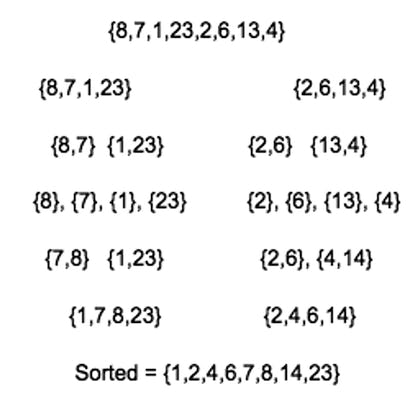
In this project, the learner will use Java programming language to create user-defined methods to recursively and iteratively implement a merge sort algorithm to arrange an array of integers in ascending order, and also sort student marks entered by the user.Auto Summary
Master the Merge Sort algorithm with Java in this intermediate-level course focused on personal development. Learn to implement recursive and iterative methods for sorting arrays and student marks. Offered by Coursera, this 120-minute course is available for free, perfect for those looking to enhance their programming skills.

Global Systemic Risk
What is globalization and how does it work? How can we understand the process as a whole? How are the parts of the world linked? What are the risks of living in a world where “no one is in charge”? This course introduces students to systems thinking, network theory, and risk analysis and uses these tools to better understand the process of globalization. Focusing on trade, finance, and epidemiology, it analyzes potential challenges to the current global order. The course will be of interest to those studying global affairs, system dynamics, and world governance.
Monthly Subscription Starting at AED 99 + VAT
- Level Foundation
- المدة 21 ساعات hours
- الطبع بواسطة Princeton University
-
Offered by
عن
What is globalization and how does it work? How can we understand the process as a whole? How are the parts of the world linked? What are the risks of living in a world where “no one is in charge”? This course introduces students to systems thinking, network theory, and risk analysis and uses these tools to better understand the process of globalization. Focusing on trade, finance, and epidemiology, it analyzes potential challenges to the current global order. The course will be of interest to those studying global affairs, system dynamics, and world governance. It offers a set of heuristics that students can use to analyze contemporary global challenges. Linking the recording of Abbey Road to the COVID-19 pandemic provides new insights into the apparently chaotic world around us. Complex systems form the backbone of our increasingly interconnected and interdependent society. What were once more localized economies, supply chains, and social-ecological systems are now rapidly globalizing, and interacting with one another across countless spatial and temporal scales as technologies expand at ever greater velocities. These tightly coupled systems deliver greater efficiency and prosperity, but at the cost of greater fragility and the threat of catastrophic failure. This “global systemic risk” has implications in all functional domains affecting our daily lives—from the global financial system to healthcare, to critical infrastructure networks. Organized with 7-10 minute classes grouped together into longer modules, the course will have a linear “core” curriculum presented at the introductory level, with the potential for optional offshoots that give learners a more in-depth look into certain areas with more technical content.الوحدات
Week 1: Getting Started
-
1
Readings
-
1
Discussion
1
Discussions
- Introduce Yourself!
1
Readings
- Welcome to the Course!
Week 1: Introduction, What is Globalization?
-
8
Videos
-
1
Readings
8
Videos
- Global Systemic Risk
- What is Globalization?
- Defining Globalization: Human Mobility
- Defining Globalization: Money
- Defining Globalization: Trade
- Defining Globalization: Governance
- Defining Globalization: Infrastructure
- Why Globalization?
1
Readings
- Week 1: Overview
Week 1: Debating Globalization
-
3
Videos
3
Videos
- Debating Globalization
- Debating Globalization: Inequality
- Debating Globalization: Environment
Week 1: Interviews
-
3
Videos
3
Videos
- Migration: A Conversation with Doug Massey
- Environment: A Conversation with Michael Oppenheimer
- Economy as a System: A Conversation with Doyne Farmer
Week 1: Discussion
-
1
Discussion
1
Discussions
- Discussion 1: Debating Globalization
Week 1: Quiz
-
1
Assignment
1
Assignment
- Week 1 Quiz
Week 2: Systems
-
5
Videos
-
1
Readings
5
Videos
- Systems
- Complex Adaptive Systems
- Complexity Theory
- Mechanisms of Complex Systems
- System Robustness and Resilience
1
Readings
- Week 2: Overview
Week 2: Networks
-
2
Videos
2
Videos
- Networks
- Types of Networks
Week 2: Interviews
-
3
Videos
3
Videos
- Ecological Thinking: A Conversation with Simon Levin
- Network Flows and Queuing Theory: A Conversation with Bill Massey
- Data Management: A Conversation with Mike Atkin
Week 2: Discussion
-
1
Discussion
1
Discussions
- Discussion 2: Systems, Networks, and Complexity
Week 2: Quiz
-
1
Assignment
1
Assignment
- Week 2 Quiz
Week 3: Risk
-
6
Videos
-
1
Readings
6
Videos
- Risk
- Sources of Risk
- Additional Sources of Risk
- Global Systemic Risk
- An Intractable Challenge
- Examples of Global Systemic Risk
1
Readings
- Week 3: Overview
Week 3: Interviews
-
4
Videos
4
Videos
- Uncertainty and Risk: A Conversation with Elke Weber
- Critical Infrastructure: A Conversation with Paul Larcey
- Cyber-physical Networks: A Conversation with Jen Rexford
- Risk in History: A Conversation with Soraya Boudia
Week 3: Discussion
-
1
Discussion
1
Discussions
- Discussion 3: Risks to Global Systems
Week 3: Quiz
-
1
Assignment
1
Assignment
- Week 3 Quiz
Week 4: Trade
-
4
Videos
-
1
Readings
4
Videos
- Trade
- Trade Linkages
- Supply Chains
- Trade and Risk
1
Readings
- Week 4: Overview
Week 4: Finance
-
2
Videos
2
Videos
- Finance
- Finance and Risk
Week 4: Interviews
-
2
Videos
2
Videos
- Agriculture: A Conversation with Pedro Sanchez
- Finance: A Conversation with Andrew Lo
Week 4: Discussion
-
1
Discussion
1
Discussions
- Discussion 4: Risks to Economic and Financial Systems
Week 4: Quiz
-
1
Assignment
1
Assignment
- Week 4 Quiz
Week 5: COVID-19
-
3
Videos
-
1
Readings
3
Videos
- Coronavirus and Effects
- Impact on Links
- Impact on Nodes
1
Readings
- Week 5: Overview
Week 5: Governance
-
1
Videos
1
Videos
- Governance
Week 5: Interview
-
1
Videos
1
Videos
- Epidemiology: A Conversation with Jessica Metcalf
Week 5: Discussion
-
1
Discussion
1
Discussions
- Discussion 5: COVID-19 and Governance
Week 5: Quiz
-
1
Assignment
1
Assignment
- Week 5 Quiz
Week 6: Social Collapse
-
4
Videos
-
1
Readings
4
Videos
- Social Collapse
- Defining Collapse
- Mechanisms of Collapse
- Conclusions
1
Readings
- Week 6: Overview
Week 6: Interviews
-
3
Videos
3
Videos
- Systemic Collapse and Recovery: A Conversation with Mauro Guillén
- Weapons of Mass Destruction: A Conversation with Zia Mian
- What is the Worst That Could Happen? A Conversation with Martin Rees
Week 6: Discussion
-
1
Discussion
1
Discussions
- Discussion 6: Collapse of Human-Made Systems
Week 6: Quiz
-
1
Assignment
1
Assignment
- Week 6 Quiz
Auto Summary
Unlock the complexities of our interconnected world with the "Global Systemic Risk" course, an essential exploration into the mechanisms of globalization and its inherent vulnerabilities. Guided by expert instructors on Coursera, this foundational course delves into systems thinking, network theory, and risk analysis to provide a comprehensive understanding of global interdependencies. This engaging course covers critical domains such as trade, finance, and epidemiology, offering valuable insights into the challenges that shape our global order. It is designed to appeal to individuals interested in global affairs, system dynamics, and world governance, equipping them with practical heuristics to navigate and analyze contemporary global issues. Through a series of concise 7-10 minute classes organized into cohesive modules, learners will progress through a linear core curriculum with opportunities for deeper dives into specialized topics. This flexible structure ensures a manageable and enriching learning experience suitable for various levels of expertise. With a total duration of 1260 minutes, the course is available under two subscription plans—Starter and Professional—catering to different learning needs and professional aspirations. Embrace the chance to understand and manage the risks of our globally connected society, enhancing your personal development and professional acumen in an increasingly complex world.