

Monthly Subscription Starting at AED 99 + VAT

- Level Foundation
- المدة 28 ساعات hours
- الطبع بواسطة Erasmus University Rotterdam
-
Offered by

عن
Big data, artificial intelligence, machine learning, autonomous cars, chatbots, just a few terms that have become a part of our professional legal and political vocabulary. Emerging technologies and technological advancement have confronted us in our daily practice and will continue to do so in the future. Whether we’re buying something online, taking part in an election, or chatting with friends across the globe. Technology is here and it is here to stay. However, as convenience as these new technologies may seem, they also have disruptive effects on society and pose us for legal and political challenges. These challenges are central to this MOOC on digital governance. After participating in this MOOC: - You are aware of the impact and effect of emerging technologies on law and politics. - You can identify risks and challenges of digitization in relation to EU law, markets and economics. - You understand the interconnectedness of problems, questions and solutions. - You are able to break down a concrete case of digitalization impact into a sub problem. - You can allocate problems to various fields of science or sub-fields of law. But most importantly, you will have a lot of fun and inspiration following this course, designed by an international community of legal experts in the field of digital governance. Come with us on the journey!الوحدات
Welcome to the MOOC on Digital Governance
-
 1
Videos
1
Videos
-
 1
Discussion
1
Discussion
1
Discussions
- Meet and Greet Your Fellow Learners
1
Videos
- Introduction and Synopsis
MOOC update on Digital Governance including Spring 2023 update video’s
-
3
Videos
3
Videos
- 2023 Update: And then there was ChatGPT
- 2023 Update: The future of surveillance
- 2023 Update: Developments in the EU legislation landscape
Three Interaction Axes: Law versus Big Data, Data Analytics and AI
-
4
Videos
-
 1
Readings
1
Readings
-
3
Discussion
3
Discussions
- The Role of Law in the Digital Age
- What Aspects of the Digital Age Does the Law Need to Regulate More?
- What is Supervised and Unsupervised Machine Learning?
4
Videos
- A Tale of Three Axes: Law in the Digital Age
- The Risks of the Digital Era and the Need For the Law to Regulate These Risks
- Data Science and Law: How Does Data Science and AI Change Legal Practice
- Data Analytics: Transforming Legal Studies and Research
1
Readings
- Suggested Reading: 'Artificial Intelligence, Technology and Law'
Introduction to E-Democracy
-
3
Videos
-
3
Readings
-
4
Discussion
-
 1
Assignment
1
Assignment
 1
Assignment
1
Assignment
- Pitfalls and Challenges of E-Democracy
4
Discussions
- E-democracy Platforms Across the Globe
- Features of U.S. Platform 'regulations.gov'
- Second Generation E-Democracy Platforms Across the Globe.
- Social Bots
3
Videos
- Introduction to E-Democracy
- The Second Wave of E-Democracy
- The Future of E-Democracy
3
Readings
- Digital Democracy - The Tools Transforming Political Engagement
- Democratic Deliberation in the Wild
- Collaborative е-Rulemaking, Democratic Bots, and the Future of Digital Democracy
E-Government
-
2
Videos
-
3
Readings
-
3
Discussion
-
 1
Plugin
1
Plugin
3
Discussions
- Processing Questions on the Reading Materials
- Automation Social Security Tax
- Discussion: Summarize the Message of Dr. Smit
2
Videos
- Data Processing Networks in Public Administration
- Surveillance Technology for the Public Good
3
Readings
- How Information and Communication Technology Is Transforming Administrative Discretion and Constitutional Control
- Preparation for the Video on Automation Social Security and Tax
- The Algocracy as a New Ideal Type for Government Organizations: Predictive policing in Berlin as an empirical case
Online Courts
-
3
Videos
-
5
Readings
-
2
Discussion
2
Discussions
- The Justice Gap
- Online Courts
3
Videos
- The Promise of Online Courts: Improving Access to Justice Through Technology
- What is Online Dispute Resolution and How is it Related to E-Commerce?
- Access to Justice in Online Courts
5
Readings
- Improving Access to Justice in State Courts with Platform Technology
- The Effect of Online Technologies on Dispute Resolution System Design: Antecedents, Current Trends and Future Directions
- The New New Courts
- E-Nudging Justice: The Role of Digital Choice Architecture in Online Courts
- The Future of Courts
Competition in Digital Markets
-
5
Videos
-
1
Readings
-
1
Discussion
1
Discussions
- Natural Monopoly Markets
5
Videos
- Competition and Regulation in the Digital Economy (PART ONE)
- Competition and Regulation in the Digital Economy (PART TWO)
- Multisided Digital Platforms: Features and Economic Impacts
- Does a Free Market Economy Mean that Everything is Allowed? Principles of Competition Law
- Applying Competition Law in the Digital Era of Tech Giants
1
Readings
- World Economic Forum, Competition Policy in a Globalized, Digitalized Economy, 2019
Regulation in Digital Markets
-
3
Videos
-
3
Readings
-
2
Discussion
-
2
Assignment
2
Assignment
- Regulation
- Net Neutrality Regulation
2
Discussions
- What is Market Power?
- Oligopolies Around Us
3
Videos
- Why Do We Regulate and Why Do We Regulate Digital Markets?
- Competition vs Regulation: When Does Each Come Handy?
- Stories of Success and Failure: Do Competition and Regulation Work?
3
Readings
- Common Areas of Regulation
- The Many Attempts at Net Neutrality Rules
- The Conversation: Do We Really Need Net Neutrality Rules?
Ownership of Data
-
4
Videos
-
2
Readings
-
4
Discussion
-
5
Plugin
4
Discussions
- Discussion Property Rights, Exchange and Incentives
- Digitalization and Data Ownership
- Data Governance Design: Reflection and Summary
- Public Ownership of Data: Pro's and Con's
4
Videos
- Data Ownership: Property Rights, Exchange and Incentives (PART ONE)
- Data Ownership: Property Rights, Exchange and Incentives (PART TWO)
- Digitalization and Data Ownership
- Data Governance Design
2
Readings
- Property Rights and Economic Theory: A Survey of Recent Literature
- Law Review Articles that had Enormous Impact on the Definition of Data
End assessment
-
1
PeerReview
1
Peer Review
- Facebook and the German Competition Authority
Closing
-
1
Videos
1
Videos
- Thank you for joining us!
Auto Summary
Discover the "Digital Governance" course, a comprehensive exploration of the intersection between emerging technologies and their legal and political impact. This engaging program, led by international legal experts, covers big data, AI, machine learning, and more, focusing on EU law and market challenges. Designed for personal development, the course spans 1680 minutes and offers both Starter and Professional subscription options. Ideal for those seeking foundational knowledge in digital governance and its societal implications. Join us and gain valuable insights while enjoying a stimulating learning experience.
Monthly Subscription Starting at AED 99 + VAT

- Level Foundation
- المدة 15 ساعات hours
-
Offered by
عن
This course introduces teachers and interested adults to K12 blended and online learning. Participants will design a blended or online unit and develop one module to use with K12 students.Auto Summary
This foundational course, offered by Coursera, focuses on K-12 blended and online learning within the domain of personal development. Ideal for teachers and interested adults, it guides participants in designing a blended or online unit and developing a module for K-12 students. The course spans 900 minutes and is available through Starter and Professional subscription options.
Buy Now Free
- Level Foundation
- المدة 3 ساعات hours
-
Offered by
عن
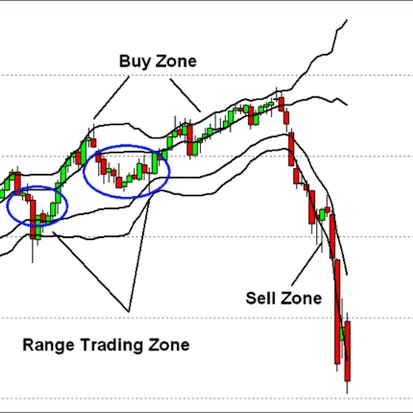
In this 1-hour long project-based course, you will learn how to pull down Stock Data using the R quantmod Package and Yahoo Finance API. You will also learn how to apply Technical Indicators to the data and draw graphs based on those Indicators. Note: This course works best for learners who are based in the North America region. We’re currently working on providing the same experience in other regions.Auto Summary
This beginner-friendly course, "Create Technical Stock Charts Using R and Quantmod," is ideal for those interested in personal development and financial analysis. In just 1 hour, you'll master pulling stock data using the R quantmod Package and Yahoo Finance API. Offered by Coursera, this project-based course is free and perfect for anyone eager to enhance their technical charting skills with R.

Privacy & Standardisation Capstone
Embark on the concluding course in our Privacy & Standardisation specialisation with this comprehensive capstone. Building on your existing expertise from previous courses—including Standardisation & Technology, Privacy in the Western World, Privacy in the USA, and Privacy in Europe—this capstone aims to deepen your understanding of contemporary privacy challenges. Move beyond the quizzes that marked your progress in earlier courses. Here, you'll engage with thought-provoking assignments designed to bring together all your acquired knowledge.
Monthly Subscription Starting at AED 99 + VAT

- Level Professional
- المدة 24 ساعات hours
- الطبع بواسطة EIT Digital
-
Offered by
عن
Welcome to the capstone on the specialisation on Privacy & Standardisation. This capstone will build on the knowledge you obtained in the courses: Standardisation & Technology, Privacy in the Western World, Privacy in the USA and Privacy in Europe. The capstone will help you build a comprehensive opinion and it will challenge you in all areas of present-day privacy protection. The assignments invite you to use and revisit the material of all the courses. This capstone will link historic milestones to current limitations and offer you a journey through jurisdictions and technological fields alike. Whereas in the previous courses you were assessed by quizzes, the capstone will require you to carefully consider all you have learned so far and detail your opinion. The assessment in this course will mainly be done by in-depth assignments. Use the few practice exercises well to give you a head start in the graded assignments!الوحدات
Introduction
-
1
Videos
1
Videos
- Welcome to the privacy capstone
Study material
-
4
Readings
4
Readings
- Paper: Dissolving privacy, One Merger at a Time: Competition, Data and Third Party Tracking
- Legal document: A Preliminary Opinion on data protection and scientific research
- Report: Scientific research data breach notification obligation
- Diving deeper: National Strategy for Artificial Intelligence
Study material
-
1
Videos
-
3
Readings
1
Videos
- How to read legal documents
3
Readings
- Legal document: General Data Protection Regulation (GDPR)
- Article: The Second Wave of Algorithmic Accountability
- Diving deeper: Evaluation Report on Experience Gained in the Implementation of the GDPR
Assignments
-
1
PeerReview
-
1
Assignment
1
Assignment
- Practice your skills
1
Peer Review
- Exploring the GDPR
Study material
-
1
Videos
-
3
Readings
1
Videos
- Declaration of Human Rights
3
Readings
- Paper: Anonymity, Faceprints, and the Constitution
- Guide: Digital Privacy at the U.S. Border - Protecting the Data on your Devices and in the Cloud
- Diving deeper: Opinion of the Data Ethics Commission
Assignment preparation
-
3
Readings
3
Readings
- Legal document: UN Declaration of Human Rights
- Legal document: Terms of service Facebook
- Legal document: Terms of service DuckDuckGo
Assignment
-
1
PeerReview
-
1
Assignment
1
Assignment
- Practice terms
1
Peer Review
- Comparing Terms of service
Study material
-
1
Videos
-
3
Readings
1
Videos
- Being careful with your health (data)
3
Readings
- Guide: What is 'Pseudomized' Data?
- Legal document: Article 29 Working Party 05/2014 Opinion on Anonymisation Techniques
- Article: Personal Data Pseudonymization: GDPR Pseudonymization what and how
Assignment preparation
-
3
Readings
3
Readings
- Legal document: Health Insurance Portability and Accountability Act (HIPAA)
- Legal document: General Data Protection Regulation (GDPR)
- Legal document: ISO 25237:2017 Health informatics - Pseudonymization (preview)
Assignments
-
1
PeerReview
-
1
Assignment
1
Assignment
- Introduction to health
1
Peer Review
- Medical data requires special attention
Study material
-
1
Videos
-
1
Readings
1
Videos
- Got your number
1
Readings
- Essay collection: Appropriate use of data in public space
Assigment
-
1
PeerReview
1
Peer Review
- Lost in numbers
Study material
-
2
Videos
-
1
Readings
2
Videos
- The terms of cookies
- Your data?
1
Readings
- Article: Data Subject Access Requests - three illuminating UK cases
Assignment preparation
-
2
Readings
2
Readings
- Guide: Privacy Design Strategies
- Guide: NOREA Privacy Control Framework
Assignment
-
1
PeerReview
1
Peer Review
- Designing yourself
Auto Summary
Dive into the "Privacy & Standardisation Capstone," the ultimate course in our specialized series focused on contemporary privacy challenges. This capstone is designed for professionals looking to consolidate their knowledge from prior courses like Standardisation & Technology, Privacy in the Western World, Privacy in the USA, and Privacy in Europe. It offers a deep dive into the evolution of privacy norms, bridging historical milestones with modern limitations across various jurisdictions and technological domains. Led by Coursera, this professional-level course moves beyond basic quizzes, engaging you in thought-provoking assignments that synthesize your learning into practical, real-world contexts. Prepare with preliminary practice exercises before tackling the graded tasks that will test your comprehensive understanding of global privacy issues. The course spans a duration of 1440 minutes and is available through Starter and Professional subscription plans. Perfect for those aiming to master the intricacies of modern privacy standards, this capstone will solidify your expertise and prepare you for advanced challenges in the field of personal development. Enroll now and take the final step towards becoming a privacy standards expert.
System Validation: Automata and behavioural equivalences
Have you ever experienced software systems failing? Websites crash, calendar not synchronising, or even a power blackout. Of course you have! But did you know that many of these errors are the result of communication errors either within a system or between systems? Depending on the system, the impact of software failures can be huge, even resulting in massive economic damage or loss of lives. Software, and in particular the communication between software-intensive systems, is very complex and very difficult to get right.
Monthly Subscription Starting at AED 99 + VAT

- Level Professional
- المدة 4 ساعات hours
- الطبع بواسطة EIT Digital
-
Offered by
عن
Have you ever experienced software systems failing? Websites crash, calendar not synchronising, or even a power blackout. Of course you have! But did you know that many of these errors are the result of communication errors either within a system or between systems? Depending on the system, the impact of software failures can be huge, even resulting in massive economic damage or loss of lives. Software, and in particular the communication between software-intensive systems, is very complex and very difficult to get right. However, we _need_ dependability in the systems we use, directly or indirectly, to support us in our everyday lives. System Validation helps you to design embedded system behaviour that is structurally sound. It also enforces you to make the behaviour simple and insightful; systems that are designed for sound behaviour are also much easier to maintain and adapt. System Validation is the field that studies the fundamentals of system communication and information processing. The techniques put forward in system validaton allow to prove the absence of errors. This first course ’Automata and behavioural equivalences', builds the foundation of the subsequent courses, showing you how to look at system behaviour as state machines. It discusses behavioural equivalences and illustrate these in a number of examples and quizzes. This course explains labelled transition systems or automata to model behaviour for especially software controlled systems. An important question is when two behaviours represented by such automata are equal. The answer to this question is not at all straightforward, but the resulting equivalences are used as powerful tools to simplify complex behaviour. This allows us to exactly investigate and understand the behavioural properties of such systems precisely. Especially, in the combination with hiding of behaviour, equivalence reduction is a unique technique to obtain insight in the behaviour of systems, far more effective than simulation or testing. Using this insight we can make the models correct. Such models form an excellent basis for the production of concise, reliable and maintainable software. This course is part I of the set of courses for System Validation. System Validation, as a set of courses, is part of a larger EIT Digital online programme called 'Internet of Things through Embedded Systems'.الوحدات
Introduction to Automata and behavioural equivalences
-
1
Videos
1
Videos
- Welcome
Automata and behaviour
-
3
Videos
-
1
Readings
3
Videos
- An automaton as a model for behaviour
- Non-deterministic behaviour
- The definition of an automaton
1
Readings
- Book exercises
An example
-
1
Videos
-
1
Assignment
1
Assignment
- Automata to model behaviour
1
Videos
- The wolf, the goat and the cabbage
Concrete behavioural equivalences
-
3
Videos
-
1
Readings
3
Videos
- Behavioural equivalences
- Strong bisimulation
- Trace equivalence
1
Readings
- Book exercises
The internal action
-
3
Videos
-
1
Readings
-
1
Assignment
1
Assignment
- Basic behavioural equivalences
3
Videos
- The internal or τ -action.
- Branching bisimulation
- Rooted branching bisimulation
1
Readings
- Book exercises
An application to the alternating bit protocol
-
1
Videos
1
Videos
- The alternating bit protocol
Various other behavioural equivalences
-
4
Videos
4
Videos
- Divergence preserving branching bisimulation
- Weak trace equivalence
- Weak bisimulation
- Language, failure, and completed trace equivalence
Final observations
-
2
Videos
-
1
Assignment
1
Assignment
- More behavioural equivalences.
2
Videos
- When to use which behavioural equivalence
- Transition systems with data, time and probabilities
Auto Summary
Experience a comprehensive dive into System Validation with "Automata and Behavioural Equivalences," a course designed to ensure reliability in software communication. Led by Coursera, this professional-level course spans 240 hours, focusing on the fundamentals of system behaviour through state machines and automata. Ideal for those in personal development, it offers essential techniques to prove error absence and maintain system dependability. Subscription options include Starter and Professional. Join now to simplify complex behaviours and enhance your software systems.
Buy Now Free

- Level Professional
- المدة 2 ساعات hours
-
Offered by
عن
By the end of this project, you will Build a Node Server backend with Express that will fetch data from a MongoDB database. Often, a dynamic web application is connected to a database on the server side. Node.js serves as the web server used to access the database. Express is a framework for Node.js and acts as middleware to connect the backend Node server to the Client-facing web application. The Client facing web application can then make API (Application Programming Interface) calls to Express to gather data for the dynamic web application. Note: This course works best for learners who are based in the North America region. We’re currently working on providing the same experience in other regions.Auto Summary
"Build a Node Server backend with Express" is a professional-level course offered by Coursera, focusing on personal development. In this 120-minute project, learners will create a Node.js server backend using Express to fetch data from a MongoDB database. Ideal for North America-based learners, the course is perfect for those looking to enhance their web application development skills. Available through the Starter subscription.

Program Management: Stakeholders Identification in ClickUp
By the end of this guided project, you will be fluent in creating Program stakeholder artefacts for the Identification/Planning Phase for diverse programs. You will utilise a logical diagramming plan in an agile environment to develop the solution. This will enable you to identify and classify the required components for stakeholder identification and planning.
Buy Now Free
- Level Professional
- المدة 3 ساعات hours
- الطبع بواسطة Coursera
-
Offered by
عن
By the end of this guided project, you will be fluent in creating Program stakeholder artefacts for the Identification/Planning Phase for diverse programs. You will utilise a logical diagramming plan in an agile environment to develop the solution. This will enable you to identify and classify the required components for stakeholder identification and planning. Furthermore, it will help develop a structural model for learning about the field of Program Management. If you are interested in building up the knowledge leading to this guided project, the following is the link to: [ Developing Programme Management Blueprint with ClickUp] https://www.coursera.org/projects/program-blueprint [Advanced Programme Planning Phases Framework in ClickUp] https://www.coursera.org/projects/program-advanced-planning This Guided Project is essential for individuals wanting to learn about the field, or looking to transition into working in Program Management. This guided project is designed to engage and harness your visionary and exploratory abilities. You will use proven models in an agile environment with ClickUp to engage in a hands-on learning experience.الوحدات
Program Management: Stakeholders Identification in ClickUp
-
2
Readings
-
1
Plugin
-
 1
Lab
1
Lab
-
1
Assignment
1
Assignment
- Graded Quiz: Program Management: Stakeholders Identification in ClickUp
1
Labs
- Program Management: Stakeholders Identification in ClickUp
2
Readings
- Project-based Course Overview
- Guide to creating an account with ClickUp
Auto Summary
Discover the art of Program Management with "Program Management: Stakeholders Identification in ClickUp." This course is perfect for those aiming to master the creation of Program stakeholder artefacts in the Identification/Planning Phase across various programs. Utilizing logical diagramming plans within an agile environment, you'll learn to identify and classify essential components for stakeholder identification and planning. Additionally, you will develop a structural model that deepens your understanding of Program Management. This guided project is ideal for individuals aspiring to enter the field of Program Management or those looking to enhance their existing skills. You will engage with tried-and-true models and gain hands-on experience using ClickUp. The course is brought to you by Coursera and spans 180 minutes of engaging content. For those seeking a comprehensive learning journey, two supplementary projects are available: - [Developing Programme Management Blueprint with ClickUp](https://www.coursera.org/projects/program-blueprint) - [Advanced Programme Planning Phases Framework in ClickUp](https://www.coursera.org/projects/program-advanced-planning) Enroll today with a Starter subscription and elevate your professional expertise in Program Management.

Career Support Community and Resources
As you’ve explored a role as a Career Coach or Navigator in the preceding courses in this program, you’ve gained skills and knowledge about the profession and how to help clients find fulfilling jobs that allow them to earn a good living. This final course in the Career Coach and Navigator Professional Certificate will explore how the changing technology landscape affects the career landscape and what to do about it, develop skills for virtual coaching and career fairs, work with community organizations to develop referral relationships, understand funding sources, and complete a capstone pro
Monthly Subscription Starting at AED 99 + VAT
- Level Foundation
- المدة 16 ساعات hours
- الطبع بواسطة Goodwill Industries International
-
Offered by
عن
As you’ve explored a role as a Career Coach or Navigator in the preceding courses in this program, you’ve gained skills and knowledge about the profession and how to help clients find fulfilling jobs that allow them to earn a good living. This final course in the Career Coach and Navigator Professional Certificate will explore how the changing technology landscape affects the career landscape and what to do about it, develop skills for virtual coaching and career fairs, work with community organizations to develop referral relationships, understand funding sources, and complete a capstone project that will help you prepare for the role of a Career Coach or Navigator. By the end of the course, you will be able to: 1. Research and act on technology trends. 2. Develop computer application skills for virtual coaching. 3. Engage community partners and businesses to identify resources. 4. Identify career development opportunities for Career Coaches and Navigators. 5. Complete a capstone project. To be successful in this course, no prior experience with career coaching or navigation is required; but we recommend completing the previous courses in the program so you can build on the knowledge and skills from those courses here.الوحدات
How Technology is Changing the Career Landscape
-
7
Videos
-
2
Readings
-
1
Discussion
-
1
Assignment
1
Assignment
- Technology and the Career Landscape Quiz
1
Discussions
- How can you research trends and labor market data to assist clients?
7
Videos
- Introduction to Course 4: Career Support Community and Resources
- Technology and the Career Landscape
- Career Development: Artificial Intelligence and Extended Reality
- Automation and the Job Market
- Staying Resilient in the Face of Changing Technology
- Researching Future Trends
- Finding Remote or Virtual Job Opportunities
2
Readings
- Welcome to the Course
- Using Labor Market Data
Skill Development for Virtual Career Navigating
-
5
Videos
-
1
Readings
-
1
Discussion
-
1
Assignment
1
Assignment
- Virtual Coaching Quiz
1
Discussions
- How can you be successful with virtual coaching?
5
Videos
- Virtual Career Fairs
- In-person Coaching vs. Virtual Coaching
- Platforms for Coaching and Career Fairs
- Virtual Coaching Tips
- Trends in Virtual Coaching
1
Readings
- Virtual Coaching Activity
Computer Literacy for the Navigator
-
2
Videos
-
2
Readings
-
1
Discussion
-
2
Assignment
2
Assignment
- Computer Literacy Practice Quiz
- Technology and the Career Landscape Quiz
1
Discussions
- What will you do to expand your skills?
2
Videos
- Career Development Applications
- Expanding Your Skills
2
Readings
- How I Expanded My Skills
- Resources
Partnership Outreach
-
3
Videos
-
2
Readings
-
1
Discussion
-
1
Assignment
1
Assignment
- Partnership Outreach Quiz
1
Discussions
- How can you identify new stakeholders and resources?
3
Videos
- Engaging New Stakeholders
- Establish a Partnership Framework
- Recruiting Partners
2
Readings
- Identifying Resources
- Identifying Funding
Talking to Stakeholders
-
4
Videos
-
1
Readings
-
1
Discussion
-
1
Assignment
1
Assignment
- Talking to Stakeholders Quiz
1
Discussions
- How will you prepare to talk to stakeholders?
4
Videos
- Discussing Client Progress
- Unspoken Rules of Talking to Stakeholders
- Sharing Stories
- Why I Share Stories
1
Readings
- Identifying Spotlight Stories
Funding
-
4
Videos
-
1
Readings
-
1
Discussion
-
2
Assignment
2
Assignment
- Funding Practice Quiz
- Building Community Partnerships Quiz
1
Discussions
- How will you locate funding sources?
4
Videos
- Understanding Your Source Documents
- Funding Goals and Agreements
- Employer Partners
- Memorandum of Understanding (MOU)
1
Readings
- Other Funding Sources
Community Organizations and Agencies
-
4
Videos
-
1
Readings
-
1
Discussion
-
1
Assignment
1
Assignment
- Community Organizations and Agencies Quiz
1
Discussions
- How have/will you partner with community organizations and agencies?
4
Videos
- Growing as a Career Navigator
- Industry-Specific Associations
- Special Interest Groups
- Workforce Boards
1
Readings
- Professional Organizations
Career Development
-
3
Videos
-
1
Readings
-
2
Discussion
-
1
Assignment
1
Assignment
- Career Development Quiz
2
Discussions
- What will you do to receive feedback more easily?
- How will you articulate your value?
3
Videos
- Receiving Feedback
- Articulating Your Value
- Presentation Skills
1
Readings
- Case Study: Presentation Skills
Career Progression for Career Coaches and Navigators
-
3
Videos
-
2
Readings
-
1
Discussion
-
1
Assignment
1
Assignment
- Professional Organizations and Career Development Quiz
1
Discussions
- How will you develop in your career?
3
Videos
- Career Progression for Career Coaches and Navigators
- Professional Development for Career Coaches and Navigators
- How I Developed in My Career
2
Readings
- Career Progression Advice
- Career Navigator Career Profiles
Capstone Project
-
2
Videos
-
1
Discussion
-
1
PeerReview
1
Peer Review
- Capstone Project
1
Discussions
- What topic was the most helpful for you? Why?
2
Videos
- Career Navigator Professional Certificate Review
- Introduction to the Capstone Project
Final Assessment
-
1
Videos
-
1
Readings
-
1
Discussion
-
1
Assignment
1
Assignment
- Career Navigator Professional Certificate Quiz
1
Discussions
- What is your call to action? What will you do after completing this certificate program?
1
Videos
- Program Wrap-up
1
Readings
- Congratulations and Next Steps
Auto Summary
Dive into the evolving role of a Career Coach or Navigator with this comprehensive course in Personal Development. Guided by industry experts, you'll explore the impact of technology on careers, develop virtual coaching skills, and engage with community organizations. This foundational course includes a capstone project to solidify your learning. With a duration of 960 minutes, it's available through Coursera with Starter and Professional subscription options. Ideal for those new to career coaching or looking to enhance their skills.

Faster Together, Enhancing the Recruitment of Marginalized Communities in Clinical Trials
This course aims to teach people how to enhance the recruitment and retention of individuals from minoritized and marginalized communities in clinical trials. We begin by discussing the importance of diversity in clinical research, the lasting impact of past research abuses, and barriers and facilitators to research participation. Next, we explore community engagement principles, effective communication strategies, ways to increase community knowledge and awareness of clinical research, and outreach to community providers.
Monthly Subscription Starting at AED 99 + VAT

- Level Foundation
- المدة 9 ساعات hours
- الطبع بواسطة Vanderbilt University
-
Offered by
عن
This course aims to teach people how to enhance the recruitment of racial and ethnic minorities in clinical trials. Key topics include the importance of diversity in clinical trials, barriers and facilitators to participation in clinical research, community engagement, effective communication, educating about clinical trials, provider outreach, effective prescreening and enrollment, person-centered consent, and retention. Anyone with the potential to recruit can benefit from this course, whether working in a clinical setting or in the community. The course is split into 8 weeks. You may work at your own pace and finish the course faster, if you would like. We encourage you to take the quizzes to help you learn the material. The course is free to enroll and take. You will be offered the option of purchasing a certificate of completion, which you will receive if you successfully complete the course requirements. This can be an excellent way of staying motivated! Financial aid is also available. Acknowledgments: We would like to acknowledge the following members from the Center for Knowledge Management at Vanderbilt University Medical Center for their expertise and ongoing insightful contribution in the development and implementation of the course: Sheila Kusnoor, PhD, Elizabeth Frakes, MSIS, Helen Naylor, MS, Mallory Blasingame, MA, Taneya Koonce, MSLS, MPH, and Nunzia Bettinsoli Giuse, MD, MLS. We would also like to acknowledge ArtMagic Labs, particularly Casey Culver, John Martinez, and Robert Eva, for their outstanding work in filming and editing the videos for the course. The Recruitment Innovation Center and members of the Meharry-Vanderbilt Alliance lead the efforts behind the Faster Together project. Together they have led the development of this training. This work is supported by the National Center for Advancing Translational Sciences, National Institutes of Health, under the award number U24TR001579.الوحدات
Understanding the Need to Increase Recruitment of Minoritized Communities in Clinical Trials
-
6
Videos
-
8
Readings
-
2
Assignment
2
Assignment
- Abuses in Human Research
- Module 1 Review
6
Videos
- Course Introduction
- Module 1 Introduction
- Importance of Increasing Recruitment of Minoritized Groups in Clinical Trials
- Impact of Historical Abuses in Research
- Barriers and Facilitators to Participation in Clinical Trials
- Conclusion
8
Readings
- CME Information
- Pre-course Assessment Survey
- Inclusive language
- Why it’s important to include minoritized racial and ethnic groups in clinical research
- Infamous examples of abuses in human research
- Protections for research participants
- Helpful Resources and Toolkits
- Action Planning Tool
Key Principles of Community Engagement
-
3
Videos
-
6
Readings
-
1
Assignment
1
Assignment
- Lesson 2 Review
3
Videos
- Key Principles of Community Engagement
- Community Outreach and Engagement
- Building Community Partnerships
6
Readings
- The role of bias
- Importance of community engagement
- Building relationships with community organizations
- Memorandum of understanding
- Give-Get Grid
- Action Planning Tool
Reaching Out Into the Community: Effective Communication
-
4
Videos
-
6
Readings
-
1
Assignment
1
Assignment
- Lesson 3 Review
4
Videos
- Module 3 Introduction
- Building Rapport
- Tailoring Your Message
- Know Your Audience
6
Readings
- Clear communication guidelines
- Readability
- Simple ways to explain medical and research terms
- Obtaining community feedback on materials
- Recruitment & Retention Materials Content + Design Toolkit
- Action Planning Tool
Enhancing Community Knowledge and Awareness of Clinical Research
-
5
Videos
-
4
Readings
-
1
Assignment
1
Assignment
- Module 4 Review
5
Videos
- Module 4 Introduction
- The Importance of Raising Knowledge and Awareness of Clinical Research
- How to Build Trust and Sustain Relationships to Enhance Community Receptivity
- Creative Pathways for Relaying Information about Clinical Trials through Culturally and Community Relevant Modalities
- Module 4 Conclusion
4
Readings
- Building knowledge and awareness about clinical research in the community
- Culturally sensitive methods for offering information about clinical trials
- Addressing commonly asked questions about clinical trials
- Action Planning Tool
Outreach with Community Healthcare Providers
-
1
Videos
-
3
Readings
-
1
Assignment
1
Assignment
- Module 5 Review
1
Videos
- Outreach with Community Healthcare Providers
3
Readings
- Reaching out to community providers
- Conducting Collaborative Research with Community Providers
- Action Planning Tool
Effective Screening, Education, and Decision Support
-
4
Videos
-
5
Readings
-
1
Assignment
1
Assignment
- Module 6 Review
4
Videos
- Module 6 Introduction
- Effective Recruitment Planning
- Pre-Screening and Bias Awareness
- Module 6 Conclusion
5
Readings
- Developing an effective recruitment plan
- Impact of prescreening on clinical trial participation
- Screening and approach
- Screen failure tracking log
- Action Planning Tool
Managing an Effective, Person-Centered Consent Process
-
5
Videos
-
7
Readings
-
1
Assignment
1
Assignment
- Module 7 Review
5
Videos
- Introduction
- Consent Document Considerations
- Consent Process Considerations
- Important Nuances
- Assessing Understanding During the Consent Process
7
Readings
- Tip sheet: Informed consent best practices
- Addressing health literacy needs in the informed consent document
- Incorporating language preferences in informed consent
- The informed consent process
- Working with an interpreter
- Using teach-back to assess understanding
- Action Planning Tool
Retention
-
6
Videos
-
5
Readings
-
1
Assignment
1
Assignment
- Module 8 Review
6
Videos
- Introduction
- Barriers to Participation and Retention
- Effective Retention Approaches
- Return of Results as Part of Return of Value
- Tying It All Together
- Summary and Closing
5
Readings
- Addressing barriers through recruitment and retention planning
- Strategies to increase retention
- Guidance on Payment and Reimbursement to Research Subjects
- Sharing research findings with the public
- Action Planning Tool
Auto Summary
Enhance the recruitment of racial and ethnic minorities in clinical trials with the "Faster Together, Enhancing the Recruitment of Marginalized Communities in Clinical Trials" course. Designed for those involved in clinical settings or community roles, this course focuses on the importance of diversity in clinical research. Key topics include overcoming participation barriers, community engagement, effective communication, participant education, provider outreach, prescreening and enrollment strategies, person-centered consent, and retention techniques. This comprehensive 8-week program allows you to progress at your own pace, making it flexible to fit your schedule. Quizzes are included to reinforce your learning, and while the course is free to enroll, you have the option to purchase a certificate of completion to demonstrate your achievements. Financial aid is available for those who qualify. Developed by experts from the Center for Knowledge Management at Vanderbilt University Medical Center and supported by the National Center for Advancing Translational Sciences, this course offers valuable insights from renowned professionals. Join a community dedicated to enhancing the inclusivity and effectiveness of clinical trials. Enroll now and make a meaningful impact in the realm of clinical research.
Buy Now Free

- Level Foundation
- المدة 3 ساعات hours
-
Offered by
عن
In this project, you will create a new document from scratch using the basic features and functionality of the Office Libre Writer application. You will work on creating a basic agenda for a Change Control Board (CCB) meeting for an IT team of an organization. You will add and edit text with different formats in the document. You will create a bulleted list of attendees and a numbered list of topics to discuss. You will also look at ways to change the layout of the page by adding a border. You will add a functional table and a picture that resembles a real-world use case. Lastly, you will learn how to print the document directly to a printer, and even print, export or Save As in a different format like Adobe’s PDF for sharing via email. The skills learned in this course can be applied to creating other basic forms of a resume, letter, report, or just for simple note taking. The amazing part of this is that the Office Libre Writer and the entire application suite is free for download and use anywhere. Note: This course works best for learners who are based in the North America region. We’re currently working on providing the same experience in other regions.Auto Summary
Learn to create and format documents from scratch using LibreOffice Writer in this beginner-friendly, 180-minute course by Coursera. Perfect for personal development, it is available for free. Join now to enhance your document creation skills!