


ADHD: Everyday Strategies for Elementary Students
This course will provide an overview of ADHD diagnosis and treatment. Course participants can expect to learn about ADHD as a developmental disorder that begins early in childhood, and participants will also learn about evidence-based approaches for diagnosing ADHD. Following that, two evidence-based treatment approaches (the Daily Report Card and Parenting Strategies) will be introduced. (Note these course activities are informational and are not intended to replace working with a licensed/trained professional).
Monthly Subscription Starting at AED 99 + VAT

- Level Foundation
- المدة 8 ساعات hours
- الطبع بواسطة University at Buffalo
-
Offered by

عن
This course will provide an overview of ADHD diagnosis and treatment. Course participants can expect to learn about ADHD as a developmental disorder that begins early in childhood, and participants will also learn about evidence-based approaches for diagnosing ADHD. Following that, two evidence-based treatment approaches (the Daily Report Card and Parenting Strategies) will be introduced. (Note these course activities are informational and are not intended to replace working with a licensed/trained professional). Learning Objectives: Students will be able to identify the behaviors characteristic of ADHD, the components of a diagnosis, and evidence-based treatment procedures that can be used in the school or home. 1. Identify the key areas of functional impairment, symptom presentation, and diagnostic decision-making for youth with ADHD. 2. Develop a behavioral intervention suitable for treating ADHD in the school setting. 3. Apply effective parenting and teaching strategies for supporting youth with ADHD in the home, classroom, and neighborhood.الوحدات
Module 1, Part I
-
 2
Videos
2
Videos
-
 3
Readings
3
Readings
2
Videos
- Introductory Video
- New Findings and Treatments for ADHD: What we have Learned and What We Can Do
3
Readings
- Knowledge of ADHD
- ADHD Fact Sheets
- PowerPoint Slides for Module 1, Part I
Module 1, Part II
-
1
Videos
-
1
Readings
-
 2
Assignment
2
Assignment
 2
Assignment
2
Assignment
- Module 1 Reflection
- Module 1 Quiz
1
Videos
- Prevalance and Causes
1
Readings
- PowerPoint Slides for Module 1, Part II
Module 2, Part I
-
1
Videos
-
2
Readings
1
Videos
- Diagnostic Criteria
2
Readings
- ADHD Assessments and Symptoms Ratings
- PowerPoint Slides for Module 2, Part I
Module 2, Part II
-
1
Videos
-
1
Readings
1
Videos
- Evidence-Based Assessment
1
Readings
- PowerPoint Slides for Module 2, Part II
Module 2, Part III
-
1
Videos
-
1
Readings
-
2
Assignment
2
Assignment
- Module 2 Reflection
- Module 2 Quiz
1
Videos
- Aligning Assessment with Treatment
1
Readings
- PowerPoint Slides for Module 2, Part III
Module 3, Part I
-
1
Videos
-
2
Readings
1
Videos
- Why Use aDaily Report Card (DRC)?
2
Readings
- Resources for Identifying and Treating Children with ADHD at School and at Home
- PowerPoint Slides for Module 3, Part I
Module 3, Part II
-
2
Videos
-
1
Readings
2
Videos
- Structure of the DRC
- Using a DRC - A Scenario
1
Readings
- PowerPoint Slides for Module 3, Part II
Module 3, Part III
-
1
Videos
-
2
Readings
-
2
Assignment
2
Assignment
- Module 3 Quiz
- Module 3 Reflection
1
Videos
- DRC Consequences
2
Readings
- PowerPoint Slides for Module 3, Part III
- Daily Report Card- Resources
Module 4, Part I
-
1
Videos
-
2
Readings
-
1
Assignment
1
Assignment
- Module 4 Reflection
1
Videos
- Practical Parenting Strategies: Things You Can Do Today
2
Readings
- Resources for Parenting Strategies
- Powerpoint Slides for Module 4
Module 4, Part II
-
1
Videos
-
1
Readings
-
2
Assignment
2
Assignment
- Write your Own House Rules and Behavior Contract
- Module 4 Quiz
1
Videos
- Brief Summary by Professor Greg Fabiano
1
Readings
- Resources for Writing House Rules and Behavior Contracts
Auto Summary
"ADHD: Everyday Strategies for Elementary Students" offers a comprehensive understanding of ADHD diagnosis and treatment. Focused on personal development, it covers key behaviors, diagnostic components, and evidence-based treatments like the Daily Report Card and Parenting Strategies. Designed by Coursera, this foundational course spans 480 minutes and is available through Starter and Professional subscriptions. Ideal for parents, teachers, and caregivers, it equips learners with effective strategies to support children with ADHD in various settings.

Programming in C++: A Hands-on Introduction
This specialization is intended for people without programming experience who seek to develop C++ programming skills and learn about the underlying computer science concepts that will allow them to pick up other programming languages quickly. In these four courses, you will cover everything from fundamentals to object-oriented design. These topics will help prepare you to write anything from small programs to automate repetitive tasks to larger applications, giving you enough understanding of C++ to tackle more specialized topics such as Data Science and Artificial Intelligence.
Monthly Subscription Starting at AED 99 + VAT

- Level Foundation
- المدة
- الطبع بواسطة Codio
-
Offered by
عن
This specialization is intended for people without programming experience who seek to develop C++ programming skills and learn about the underlying computer science concepts that will allow them to pick up other programming languages quickly. In these four courses, you will cover everything from fundamentals to object-oriented design. These topics will help prepare you to write anything from small programs to automate repetitive tasks to larger applications, giving you enough understanding of C++ to tackle more specialized topics such as Data Science and Artificial Intelligence.Auto Summary
Error during summarization:

Splunk Knowledge Manager
By completing the Splunk Knowledge Manager 101, 102 & 103, you will be able to create knowledge objects including lookups, data models, and different types of fields. In addition to this, you will learn to build dashboards and add inputs for filtering.
Monthly Subscription Starting at AED 99 + VAT
- Level Professional
- المدة
- الطبع بواسطة Splunk Inc.
-
Offered by
عن
By completing the Splunk Knowledge Manager 101, 102 & 103, you will be able to create knowledge objects including lookups, data models, and different types of fields. In addition to this, you will learn to build dashboards and add inputs for filtering.Auto Summary
Enhance your personal development with the Splunk Knowledge Manager course on Coursera. This professional-level course covers creating knowledge objects, lookups, data models, and dashboards. Ideal for professionals, it offers flexible starter and professional subscription options. Enroll now to advance your skills in data management and visualization.
Buy Now Free

- Level Foundation
- المدة 2 ساعات hours
-
Offered by
عن
In this project you will learn how to use the freelance platform Upwork to find freelance jobs in your area of expertise. Upwork is a platform that will help you get hired for jobs that match your qualifications really easily by having them filtered out for you already. In this guided project you will create a profile in upwork from scratch, you will create a portfolio to show your skills and previous experiences to new potential clients, you will learn everything about billing and getting paid and you will also find jobs and create your proposals to get hired. If you are looking to start your career as a freelancer, Upwork is a great starting point as it's very user friendly, protects you and makes sure that you get paid accordingly. There are no upfront costs for users.Auto Summary
Discover how to navigate Upwork and secure freelance jobs in your expertise with this beginner-friendly Coursera course. Perfect for those looking to break into freelancing, it offers 120 minutes of comprehensive guidance, available for free.
Buy Now Free
- Level Foundation
- المدة 3 ساعات hours
-
Offered by
عن
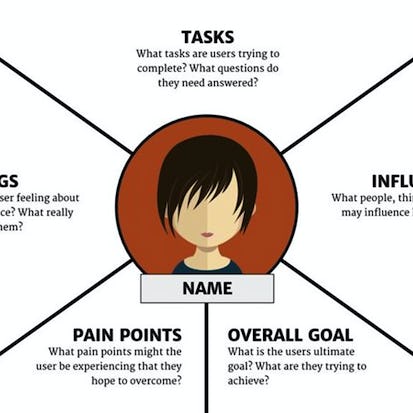
By the end of this project, you will be able to review, categorize, and visually report findings from User Experience research. To do this, you will gain hands-on experience applying design thinking, pattern recognition, analysis skills, and context from User Experience survey research to create an analysis visualization in the Miro online visual collaboration platform for teamwork. Note: This course works best for learners who are based in the North America region. We’re currently working on providing the same experience in other regions.Auto Summary
Discover how to effectively analyze UX survey data using Miro in this beginner-level Coursera course. In just 180 minutes, you'll learn to review, categorize, and visually present user research findings. Perfect for those looking to enhance their personal development skills. Free subscription available.

African cities : An Introduction to Urban Planning
This course teached the basics of urban planning in Africa through technical, environmental, social and economical dimensions. It focuses on African cities only. Although, they exemplify well cities in the Global South, and potentially all cities, we will make the African context highly topical. The course is provided by the Urban and Regional community at the Swiss Federal Insitute of Technology in Lausanne (EPFL). More information can be found here https://ceat.epfl.ch/
Monthly Subscription Starting at AED 99 + VAT

- Level Professional
- المدة 40 ساعات hours
- الطبع بواسطة École Polytechnique Fédérale de Lausanne
-
Offered by
عن
This course teached the basics of urban planning in Africa through technical, environmental, social and economical dimensions. It focuses on African cities only. Although, they exemplify well cities in the Global South, and potentially all cities, we will make the African context highly topical. The course is provided by the Urban and Regional community at the Swiss Federal Insitute of Technology in Lausanne (EPFL). More information can be found here https://ceat.epfl.ch/الوحدات
Part I: Beginning the Course
-
1
Videos
-
3
Readings
-
 2
Discussion
2
Discussion
2
Discussions
- An Initial Question to Debate
- A Discussion About Urban Planning
1
Videos
- Introduction
3
Readings
- On the programme this week
- State of African Cities (Urban Transition)
- Bibliography
Part II: Urbanization in Africa
-
2
Videos
-
1
Readings
2
Videos
- Urbanization in Africa (Part 1)
- Urbanization in Africa (Part 2)
1
Readings
- Compulsory reading
Part III: African Cities
-
2
Videos
-
1
Readings
2
Videos
- African Cities (Part 1)
- African Cities (Part 2)
1
Readings
- Compulsory reading
Part IV: What is Urban Planning?
-
2
Videos
-
 1
Plugin
1
Plugin
-
1
Assignment
1
Assignment
- Video Quiz #1
2
Videos
- What is Urban Planning (Part 1)
- What is Urban Planning (Part 2)
Part I: Issues and Challenges
-
2
Videos
-
2
Readings
2
Videos
- Issues and Challenges (Part 1)
- Issues and Challenges (Part 2)
2
Readings
- Weekly programme
- Compulsory reading
Part II
-
3
Videos
-
1
Readings
-
1
Discussion
1
Discussions
- Debate Question of the Week
3
Videos
- Which Model For Which City? (Part 1)
- Which Model for Which City? (Part 2)
- The Forms of Urbanization
1
Readings
- Compulsory reading
Quizzes and Exercises
-
1
PeerReview
-
1
Plugin
-
1
Assignment
1
Assignment
- Video Quiz #2
1
Peer Review
- Capturing issues of the city through images
Part I: Globalization and Cities
-
1
Videos
-
2
Readings
-
1
Discussion
1
Discussions
- Discussion of the Week
1
Videos
- Globalization and Cities
2
Readings
- Weekly programme
- Compulsory reading on global cities
Part II: Environment
-
3
Videos
-
1
Readings
3
Videos
- Sustainable Urban Development
- Climate Change
- Urban Environment
1
Readings
- Compulsory reading on climate change
Part III: Transportation and Mobility
-
1
Videos
-
1
Readings
-
1
Plugin
-
1
Assignment
1
Assignment
- Video Quiz #3
1
Videos
- Transportation and Mobility
1
Readings
- Compulsory reading on mobility
Part I: Introduction
-
2
Videos
-
2
Readings
2
Videos
- Urban Amenities
- Land Issues
2
Readings
- Weekly programme
- Compulsory reading
Part II: Public Space
-
1
Videos
-
1
Readings
-
1
Discussion
1
Discussions
- Discussion of the Week
1
Videos
- Public Spaces
1
Readings
- Compulsory reading
Part III: Habitat
-
1
Videos
-
1
Plugin
-
1
Assignment
1
Assignment
- Video Quiz #4
1
Videos
- Habitat
Part I
-
2
Videos
-
2
Readings
-
1
Discussion
1
Discussions
- Discussion of the Week
2
Videos
- Urban sprawl
- Urban Professions
2
Readings
- Weekly programme
- Compulsory reading
Part II
-
3
Videos
-
1
Discussion
1
Discussions
- 2nd Discussion of the Week
3
Videos
- History of urban planning
- What is Urban Planning?
- Strategic Urban Planning
Part III
-
1
Videos
-
1
Assignment
1
Assignment
- Video Quiz #5
1
Videos
- The Plan's Limits
Part IV: A Case Study to Conclude
-
1
Videos
-
1
Plugin
1
Videos
- Case study: Nouakchott
Part I
-
2
Videos
-
2
Readings
-
1
Discussion
1
Discussions
- Discussion of the Week
2
Videos
- Critical reading
- The 10 Basic Principles
2
Readings
- Weekly programme
- Compulsory reading n°1
Part II: Access, Infrastructure, and Urban Form
-
3
Videos
-
1
Readings
3
Videos
- The Urban Form
- Accessibility and Mobility
- Infrastructures
1
Readings
- Compulsory reading n°2
Part III
-
2
Videos
-
1
Plugin
-
1
Assignment
1
Assignment
- Video Quiz #6
2
Videos
- Urban agriculture
- Climate change
Part I
-
2
Videos
-
2
Readings
2
Videos
- The Tools of Urban Planning
- The Diagnostic
2
Readings
- Weekly programme
- Compulsory reading
Part II
-
2
Videos
2
Videos
- Basic Data
- GIS
Part III
-
1
Videos
1
Videos
- Case study: Ndjamena
Quizzes and Exercise
-
1
PeerReview
-
1
Plugin
-
1
Assignment
1
Assignment
- Video Quiz #7
1
Peer Review
- Critical Review
Part I
-
2
Videos
-
2
Readings
-
1
Discussion
1
Discussions
- Discussion of the Week
2
Videos
- Subdivisions
- A Few Examples of Subdividing
2
Readings
- Weekly programme
- Compulsory reading
Part II
-
2
Videos
2
Videos
- Basic Principals of Subdivisions
- Making Networks Profitable
Part III
-
2
Videos
-
1
Plugin
-
1
Assignment
1
Assignment
- Video Quiz #8
2
Videos
- Subdividing "Step by Step"
- Land Tax and Property Investments
The Actions of Operational Urbnanism: Restructuing and Urban Projects
-
1
Videos
-
1
Readings
-
1
Discussion
1
Discussions
- Discussion of the Week
1
Videos
- Slums
1
Readings
- Weekly programme
Part II
-
3
Videos
-
1
Readings
3
Videos
- Precarious Zones: Restructuring
- Precarious Zones: Resettlement
- Precarious Zones:: The Program of Habitats
1
Readings
- Compulsory reading
Quizzes
-
1
Plugin
-
1
Assignment
1
Assignment
- Video Quiz #9
Part I
-
2
Videos
-
2
Readings
2
Videos
- Introduction to City Funding
- Planning and Financial Resources
2
Readings
- Weekly programme
- Financing the city
Part II
-
2
Videos
-
1
Readings
2
Videos
- Addressing
- Land Registry
1
Readings
- Addressing
Quizzes
-
1
Plugin
-
1
Assignment
1
Assignment
- Video Quiz #10
Part I: Introduction
-
1
Videos
-
2
Readings
-
1
Discussion
1
Discussions
- Discussion of the Week
1
Videos
- Reading Images
2
Readings
- Weekly programme
- Compulsory reading
Part II
-
3
Videos
-
1
Readings
3
Videos
- Decentralization
- Communities
- The Approaches of Urban Governance
1
Readings
- Compulsory reading
Quizzes
-
1
Plugin
-
1
Assignment
1
Assignment
- Video Quiz #11
Part I
-
1
Videos
-
1
Readings
1
Videos
- Measuring Impact
1
Readings
- Weekly programme
Part II: Synthesis
-
2
Videos
2
Videos
- Synthesis and Conclusions
- End of Course
Part III: Guest Speakers
-
3
Videos
3
Videos
- Jean Yango
- Jean-Claude Bolay
- Xavier Ricou
Final Quiz
-
1
Assignment
1
Assignment
- Final Quiz
Bibliography
-
1
Readings
-
1
Plugin
1
Readings
- Course bibliography
Auto Summary
Discover the essentials of urban planning in African cities with this professional course from EPFL, Lausanne. Through technical, environmental, social, and economic dimensions, you'll gain insights relevant to the Global South and beyond. Available on Coursera, this 2400-minute course offers Starter and Professional subscription options, ideal for learners aiming to understand urban development intricacies.

FPGA computing systems: Background knowledge and introductory materials
This course is for anyone passionate in learning how a hardware component can be adapted at runtime to better respond to users/environment needs. This adaptation can be provided by the designers, or it can be an embedded characteristic of the system itself.
Monthly Subscription Starting at AED 99 + VAT

- Level Foundation
- المدة 46 ساعات hours
- الطبع بواسطة Politecnico di Milano
-
Offered by
عن
This course is for anyone passionate in learning how a hardware component can be adapted at runtime to better respond to users/environment needs. This adaptation can be provided by the designers, or it can be an embedded characteristic of the system itself. These runtime adaptable systems will be implemented by using FPGA technologies. Within this course we are going to provide a basic understanding on how the FPGAs are working and of the rationale behind the choice of them to implement a desired system. This course aims to teach everyone the basics of FPGA-based reconfigurable computing systems. We cover the basics of how to decide whether or not to use an FPGA and, if this technology will be proven to be the right choice, how to program it. This is an introductory course meant to guide you through the FPGA world to make you more conscious on the reasons why you may be willing to work with them and in trying to provide you the sense of the work you have to do to be able to gain the advantages you are looking for by using these technologies. We rely on some extra readings to provide more information on the topic covered in this course. Please NOTE that most of the time, these documents are provided through the IEEE Xplore Digital Library, which means that, to access them, you have to have a valid IEEE subscriptions, either does by yourself or through your university/company. The course has no prerequisites and avoids all but the simplest mathematics and it presents technical topics by using analogizes to help also a student without a technical background to get at least a basic understanding on how an FPGA works. One of the main objectives of this course is to try to democratize the understanding and the access to FPGAs technologies. FPGAs are a terrific example of a powerful technologies that can be used in different domains. Being able to bring this technologies to domain experts and showing them how they can improve their research because of FPGAs, can be seen as the ultimate objective of this course. Once a student completes this course, they will be ready to take more advanced FPGA courses.الوحدات
Class intro
-
3
Videos
-
2
Readings
-
1
Assignment
1
Assignment
- Reconfigurations
3
Videos
- Course Introduction
- Reconfiguration in Everyday Life
- The Needs for Adaptation: an overview
2
Readings
- Self-Aware Adaptation in FPGA-based Systems [suggested readings]
- Self-Awareness as a Model for Designing and Operating Heterogeneous Multicores [suggested readings]
FPGA and reconfiguration
-
1
Videos
-
1
Readings
-
2
Assignment
2
Assignment
- History of Reconfiguration
- FPGA and reconfiguration
1
Videos
- FPGA and reconfiguration: a 1st definition
1
Readings
- Reconfigurable computing: a survey of systems and software [suggested readings]
Adaptive Computing Systems
-
3
Videos
-
2
Readings
-
2
Assignment
2
Assignment
- Programmable SoC Vs SoMCs
- Runtime management
3
Videos
- Runtime management
- Programmable System-on-Chip
- Programmable System-on-Multiple Chip
2
Readings
- ReconOS: An Operating System Approach for Reconfigurable Computing [suggested readings]
- R3TOS-Based Autonomous Fault-Tolerant Systems [suggested readings]
Reconfigurable Computing
-
4
Videos
-
2
Readings
-
1
Assignment
1
Assignment
- Reconfigurable Computing Module
4
Videos
- Reconfigurable Computing: a 1st definition
- Reconfigurable Computing: HW vs SW
- On how to improve the Reconfigurable computing performance via CAD improvements
- FPGA-Based Reconfigurable Computing
2
Readings
- A platform-independent runtime methodology for mapping multiple applications onto FPGAs through resource virtualization [suggested readings]
- A Heterogeneous Multicore System on Chip with Run-Time Reconfigurable Virtual FPGA Architecture [suggested readings]
System design space exploration and rationale behind partial reconfiguration
-
1
Videos
-
2
Readings
-
1
Assignment
1
Assignment
- Performance
1
Videos
- System design space exploration and rationale behind partial reconfiguration
2
Readings
- Partitioning and Scheduling of Task Graphs on Partially Dynamically Reconfigurable FPGAs [suggested readings]
- A Mapping-Scheduling Algorithm for Hardware Acceleration on Reconfigurable Platforms [suggested readings]
Getting Familiar with FPGAs
-
3
Videos
-
1
Assignment
1
Assignment
- Getting familiar with FPGAs
3
Videos
- Getting Familiar with FPGAs
- FPGA Basic Block: CLBs and IOBs
- FPGA Basic Block: Interconnections
On How to Configure an FPGA
-
4
Videos
-
1
Readings
-
1
Assignment
1
Assignment
- FPGA configuration and Bitstream
4
Videos
- FPGA Configuration: an overview
- More Details on How To Configure and FPGA: the bitstream files
- Bitstream Composition
- Configuration Registers
1
Readings
- Note on the "Resources"
How to handle the complexity of an FPGA-based system
-
1
Videos
-
2
Readings
1
Videos
- How to handle the complexity of an FPGA-based system
2
Readings
- Physical design for FPGAs [suggested readings]
- Multi-Million Gate FPGA Physical Design Challenges [suggested readings]
An example on how to configure a CLB
-
2
Videos
-
1
Assignment
1
Assignment
- LUT and CLB
2
Videos
- 4 inputs - 1 output OR LUT configuration example
- From the LUT to the CLB configuration example
An Example on how to implement a circuit on a simplified FPGA
-
4
Videos
-
1
Assignment
1
Assignment
- Physical design
4
Videos
- A simplified FPGA and its configuration settings
- An Example on how to implement a circuit on a simplified FPGA
- An Example on how to implement a circuit on a simplified FPGA: bitstram generation phase - CLBs
- An Example on how to implement a circuit on a simplified FPGA: bitstram generation phase - SBs and routing
A Common Vocabulary
-
1
Videos
-
1
Assignment
1
Assignment
- Functionalities and their implementations
1
Videos
- A Common Vocabulary
The 5 W's
-
1
Videos
1
Videos
- The 5 W's
Reconfigurable Computing as an Exstension of HW/SW Codesing
-
1
Videos
-
1
Readings
1
Videos
- Reconfigurable Computing as an Exstension of HW/SW Codesing
1
Readings
- Design methodology for partial dynamic reconfiguration: a new degree of freedom in the HW/SW codesign [suggested readings]
A Classification of Reconfigurations
-
2
Videos
-
1
Readings
-
1
Assignment
1
Assignment
- Module Review
2
Videos
- A Classification of SoC Reconfigurations
- A Classification of SoMC Reconfigurations
1
Readings
- Performance of partial reconfiguration in FPGA systems: A survey and a cost model [suggested readings]
Reconfigurable Systems: opportunities and rationale
-
2
Videos
-
1
Assignment
1
Assignment
- Reconfigurable System
2
Videos
- Scenarios where Partial Reconfiguration can be effective
- How to use FPGA Reconfiguration to face area issues
Partial Reconfiguration and how to manage its reconfiguration runtime overhead
-
6
Videos
-
4
Readings
-
1
Assignment
1
Assignment
- Partial reconfiguration
6
Videos
- How to deal with the Reconfiguration runtime overhead
- Recurring modules to reuse them to reduce the Reconfiguration time
- Partial Reconfiguration to reduce the Reconfiguration runtime overhead
- Runtime management to explore alternative implementations
- Bitstreams relocation
- Bitstreams relocation and virtual homogeneity
4
Readings
- Operating system runtime management of partially dynamically reconfigurable embedded systems [suggested readings]
- Core Allocation and Relocation Management for a Self Dynamically Reconfigurable Architecture [suggested readings]
- A runtime relocation based workflow for self dynamic reconfigurable systems design [suggested readings]
- Partial Dynamic Reconfiguration in a Multi-FPGA Clustered Architecture Based on Linux [suggested readings]
Xilnx Design Flows through years
-
1
Videos
-
1
Assignment
1
Assignment
- Abstractions
1
Videos
- Xilnx Design Flows through years
Xilinx Partial Reconfiguration Design Flows
-
5
Videos
-
2
Readings
5
Videos
- Partial Reconfiguration Design Flows
- Xilinx Difference Based Partial Reconfiguration
- Xilinx Module Based Partial Reconfiguration
- Xilinx Partial Reconfiguration (PR) Flow
- Moudle Based vs Partial Reconfiguration Design Flows
2
Readings
- Vivado Design Suite Tutorial, Partial Reconfiguration, UG947 (v2016.1) April 6, 2016 [suggested readings - handbook - PDF]
- Vivado Design Suite User Guide, Partial Reconfiguration, UG909 (v2016.1) April 6, 2016 [suggested readings - handbook - PDF]
Politecnico di Milano Partial Reconfiguration Research Initiatives
-
3
Videos
-
5
Readings
-
2
Assignment
2
Assignment
- Politecnico di Milano Partial Reconfiguration Research Initiatives
- Design flows
3
Videos
- Rationale behind DRESD and the work done by the Politecnico di Milano
- From DRESD to CHANGE and ASAP, two new research initiatives from the Politecnico di Milano
- CAOS: from embedded to heterogeneous distributed FPGA-based computing systems
5
Readings
- Dynamic Reconfigurability in Embedded System Design [suggested readings]
- A design methodology for dynamic reconfiguration: the Caronte architecture [suggested readings]
- Floorplanning Automation for Partial-Reconfigurable FPGAs via Feasible Placements Generation [suggested readings]
- Heterogeneous exascale supercomputing: The role of CAD in the exaFPGA project [suggested readings]
- The Role of CAD Frameworks in Heterogeneous FPGA-Based Cloud Systems [suggested readings]
Towards distributed FPGA-based systems
-
1
Videos
-
3
Readings
-
1
Assignment
1
Assignment
- Closing remarks and future directions
1
Videos
- Towards distributed FPGA-based systems
3
Readings
- Virtualized Execution Runtime for FPGA Accelerators in the Cloud [suggested readings]
- A cloud-scale acceleration architecture [suggested readings]
- Enabling Flexible Network FPGA Clusters in a Heterogeneous Cloud Data Center [suggested readings]
Auto Summary
Discover the fundamentals of FPGA-based reconfigurable computing systems in this introductory course led by Coursera. Designed for anyone interested in adaptable hardware, the course covers the basics of FPGAs, their benefits, and programming methods. No technical background is required, making it accessible to all learners. Ideal for those seeking to enhance their knowledge and leverage FPGA technology in various domains, the course includes additional readings available through IEEE Xplore. With a duration of 2760 minutes, it offers flexible subscription options: Starter and Professional.
Buy Now Free
- Level Professional
- المدة 3 ساعات hours
-
Offered by
عن
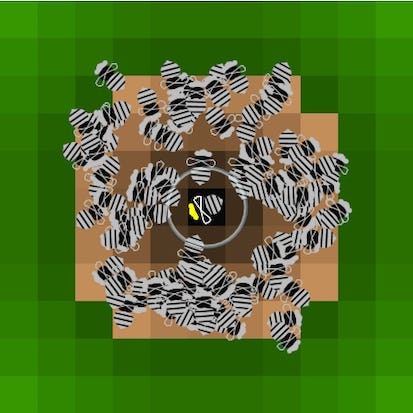
In this guided project you will learn how to use the HubNet technology from the NetLogo modelling environment. HubNet makes it possible to create participatory simulations where users can interact simultaneously in the same simulation using networked computers. By doing so, they are able to collectively enact the behavior of a system. You will learn how to use HubNet in the context of the BeeSmart Hive Finding model, which has been created from the observations described in the book HoneyBee Democracy. Finally, you will be shown the first steps to design your own custom HubNet activities, modeled after phenomena you find relevant.Auto Summary
Discover the power of HubNet technology in the NetLogo environment with this intermediate course on participatory simulations. Led by Coursera, learn to create interactive models like the BeeSmart Hive Finding, inspired by "HoneyBee Democracy." Over 180 minutes, you'll gain the skills to design custom HubNet activities, perfect for those interested in personal development. Free subscription available.

Fine Tune BERT for Text Classification with TensorFlow
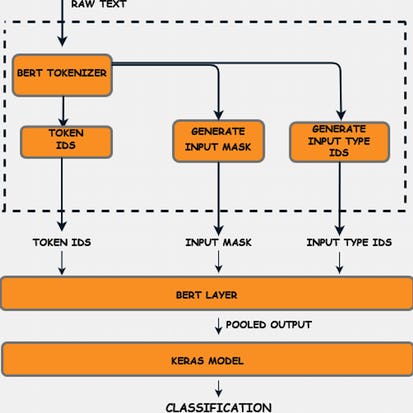
This is a guided project on fine-tuning a Bidirectional Transformers for Language Understanding (BERT) model for text classification with TensorFlow. In this 2.5 hour long project, you will learn to preprocess and tokenize data for BERT classification, build TensorFlow input pipelines for text data with the tf.data API, and train and evaluate a fine-tuned BERT model for text classification with TensorFlow 2 and TensorFlow Hub.
Buy Now Free
- Level Professional
- المدة 3 ساعات hours
- الطبع بواسطة Coursera Project Network
-
Offered by
عن
This is a guided project on fine-tuning a Bidirectional Transformers for Language Understanding (BERT) model for text classification with TensorFlow. In this 2.5 hour long project, you will learn to preprocess and tokenize data for BERT classification, build TensorFlow input pipelines for text data with the tf.data API, and train and evaluate a fine-tuned BERT model for text classification with TensorFlow 2 and TensorFlow Hub. Prerequisites: In order to successfully complete this project, you should be competent in the Python programming language, be familiar with deep learning for Natural Language Processing (NLP), and have trained models with TensorFlow or and its Keras API. Note: This course works best for learners who are based in the North America region. We’re currently working on providing the same experience in other regions.الوحدات
Fine Tune BERT for Text Classification with TensorFlow
-
2
Readings
-
1
Plugin
-
 1
Lab
1
Lab
-
1
Assignment
1
Assignment
- Graded Quiz: Test your Project Understanding
1
Labs
- Fine Tune BERT for Text Classification with TensorFlow
2
Readings
- Project-based Course Overview
- Resources on how BERT works
Auto Summary
Learn to fine-tune a BERT model for text classification with TensorFlow in this 2.5-hour guided project. Ideal for those with Python and deep learning experience, you'll preprocess data, build input pipelines, and train and evaluate models using TensorFlow 2 and TensorFlow Hub. Offered by Coursera, this intermediate-level course is free and best suited for learners in North America.

Esports
The Esports Management Specialization prepares students to turn a passion for gaming into a viable career. According to a market report by Newzoo, global esports revenues have reached $906 million in 2018, a year-on-year growth of +38%. Speak knowledgeably about the history, community, and business of esports with future employers and other stakeholders in the industry. Individuals aspiring to launch or already beginning their career in the business of esports. This program suits game developers, finance professionals, community managers, marketers, and project managers.
Monthly Subscription Starting at AED 99 + VAT

- Level Foundation
- المدة
- الطبع بواسطة University of California, Irvine
-
Offered by
عن
The Esports Management Specialization prepares students to turn a passion for gaming into a viable career. According to a market report by Newzoo, global esports revenues have reached $906 million in 2018, a year-on-year growth of +38%. Speak knowledgeably about the history, community, and business of esports with future employers and other stakeholders in the industry. Individuals aspiring to launch or already beginning their career in the business of esports. This program suits game developers, finance professionals, community managers, marketers, and project managers. Overview of esports will introduce learners to the roles and influences that game developers have in the industry. Learners get a glimpse into the structures of an organization and how it builds a brand. Learners will also be informed of the jobs available in esports and where to get started in order to be involved.Auto Summary
Turn your passion for gaming into a viable career with the Esports Management Specialization on Coursera. This foundational course in Personal Development, led by industry experts, delves into the history, community, and business of esports. Ideal for game developers, finance professionals, marketers, and more, it provides insights into organizational structures, brand building, and career opportunities in the thriving esports industry. With flexible subscription options like Starter and Professional, this program is perfect for aspiring and early-career esports professionals.