

Monthly Subscription Starting at AED 99 + VAT
- Level Foundation
- المدة
- الطبع بواسطة Michigan State University
-
Offered by

عن
In this beginner focused specialization we will show you the essentials of 2d and 3d game art production as well as concept art for games and current gen game art workflow. While each of the four courses will build your knowledge of the practice of game art, each module is a self contained unit designed to teach a specific area. By the end of the Specialization, you will have a thorough knowledge of the creation of high-quality game art assets. Through these courses, you will be using Maya, Unity, Photoshop, Sketchup, ZBrush, Marmoset Toolbag, and Substance Painter.Auto Summary
"Art for Games" is a beginner-focused course in Personal Development, offered by Coursera. It covers 2D and 3D game art production, concept art, and current-gen game art workflows. Learners will use tools like Maya, Unity, Photoshop, and more. With self-contained modules, it ensures a thorough understanding of high-quality game art asset creation. Available with Starter and Professional subscriptions, this foundational course is ideal for aspiring game artists.
Monthly Subscription Starting at AED 99 + VAT

- Level Foundation
- المدة
-
Offered by
عن
This Specialization is designed to equip you with a basic understanding of business finance, accounting, and data analysis. We've put together these three courses with the explicit intent of helping people prepare for the rigors of a prestigious MBA program, as well as introducing and refreshing basic knowledge and skills for aspiring business leaders. Having taught at Rice for nearly a combined 40 years, professors James Weston and Brian Rountree have found that entering students often lack confidence in some fundamental quantitative skills, as well as struggling with accounting and finance mechanics and terminology. As a result we have put together a series of lectures, plenty of practice opportunities and video walk-throughs that will allow you to confidently take a seat at the leadership table.Auto Summary
"Pre MBA Quantitative Skills" is an essential Specialization tailored for those looking to build a strong foundation in business finance, accounting, and data analysis. Offered by Coursera, this course is crafted to prepare individuals for the quantitative demands of an MBA program. The curriculum encompasses three comprehensive courses, each designed to provide a basic yet thorough understanding of key business concepts. The focus is on equipping learners with the skills necessary to confidently handle financial, accounting, and data analysis tasks. Although the course duration is flexible, allowing learners to progress at their own pace, it ensures a solid grasp of the fundamental quantitative skills required in business settings. Subscription options include Starter and Professional plans, providing accessibility to a wide range of learners. Ideal for aspiring MBA candidates or professionals seeking to enhance their quantitative skills, this foundation-level course offers a stepping stone to more advanced business studies and career advancement. Join now to gain the knowledge and confidence needed for your MBA journey and beyond.

Real-Time Embedded Systems
The Real-Time Embedded Systems specialization is a series of four course taking you from a beginning practitioner, to a more advanced real-time system analyst and designer. Knowledge and experience gained on hard to master topics such as predictable response services, when to allocate requirements to hardware or software, as well as mission critical design will enhance your engineering talent.
Monthly Subscription Starting at AED 99 + VAT
- Level Professional
- المدة
- الطبع بواسطة University of Colorado Boulder
-
Offered by
عن
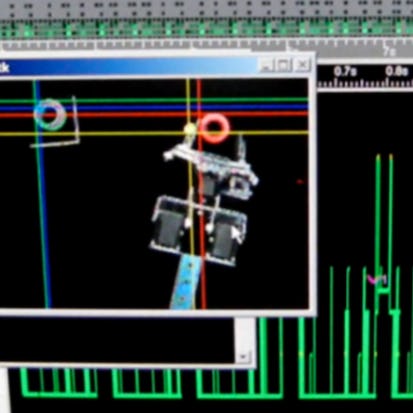
The Real-Time Embedded Systems specialization is a series of four course taking you from a beginning practitioner, to a more advanced real-time system analyst and designer. Knowledge and experience gained on hard to master topics such as predictable response services, when to allocate requirements to hardware or software, as well as mission critical design will enhance your engineering talent. You will gain experience building a simple, but real, system project with real-time challenges, that will boost your confidence. The hands-on, at home, project hardware is affordable, widely available, and quick-time-to market methods leverage Linux real-time extensions, open source RTOS (Real-Time Operating System), as well as tried and true cyclic executives. After you complete all four courses in the series, you can consider yourself an intermediate to more advanced real-time system practitioner. This knowledge is invaluable for medical, aerospace, transportation, energy, digital entertainment, telecommunications, and other exciting embedded career options. The series stresses hands-on practice and assessment of your learning progress, not only based on knowledge acquisition, but by teaching you to put theory into practice and how to evaluate design options and make optimal choices. The unique final project allows you to see real-time challenges with your eyes, to debug interactively, and build a simple at-home detection, tracking and synchronization system.Auto Summary
Develop your expertise with the Real-Time Embedded Systems course, designed to elevate your skills from beginner to advanced in real-time system analysis and design. Led by Coursera, this professional-level series covers critical topics like predictable response services and mission-critical design, with hands-on projects using affordable hardware and open-source RTOS. Ideal for careers in medical, aerospace, and telecommunications, the course emphasizes practical experience and optimal design choices. Subscriptions start at the Starter level.

Create Interactive Choice Boards with Seesaw
By the end of this project, you will have taken your Seesaw skills to the next level. Seesaw is a learning journal that “creates a powerful learning loop between students, teachers, and families.” It allows students to capture and share what they know through Seesaw’s digital portfolio, provides insights for teachers into student thinking and progress, and provides families with a window into their child’s learning throughout the day. Though we will begin with a brief overview of Seesaw’s features, our main focus will be on creating and using Seesaw Activities.
Buy Now Free
- Level Foundation
- المدة 3 ساعات hours
- الطبع بواسطة Coursera Project Network
-
Offered by
عن
By the end of this project, you will have taken your Seesaw skills to the next level. Seesaw is a learning journal that “creates a powerful learning loop between students, teachers, and families.” It allows students to capture and share what they know through Seesaw’s digital portfolio, provides insights for teachers into student thinking and progress, and provides families with a window into their child’s learning throughout the day. Though we will begin with a brief overview of Seesaw’s features, our main focus will be on creating and using Seesaw Activities. If you are not familiar with Seesaw and would like to go deeper into fully setting up your account and familiarizing yourself with each aspect of the Seesaw platform, please check out the Guided Project “Using Seesaw for Student Learning." This project is meant for those who have already started to use Seesaw with their students and are looking for ways to enhance student learning through Seesaw Activities. If you are looking for ways to engage your tech-savvy students, regardless of their age, Seesaw is a wonderful tool to use. As we learn together, you will create an interactive choice board template in Microsoft PowerPoint that can be customized to use with your students as a Seesaw Activity. *You will need a free Seesaw account for this project.الوحدات
Your Learning Journey
-
 1
Readings
1
Readings
-
 1
Plugin
1
Plugin
-
 1
Lab
1
Lab
-
 1
Assignment
1
Assignment
 1
Assignment
1
Assignment
- Assess Your Knowledge
 1
Labs
1
Labs
- Create Interactive Choice Boards with Seesaw
1
Readings
- Project Overview
Auto Summary
Enhance your teaching toolkit with the "Create Interactive Choice Boards with Seesaw" course, designed to elevate your Seesaw skills and enrich student learning experiences. This personal development course, offered by Coursera, focuses on mastering Seesaw Activities to create engaging digital portfolios that foster a dynamic learning loop among students, teachers, and families. Guided by an expert instructor, this beginner-level course will take you through a brief overview of Seesaw's features before diving into the creation and customization of interactive choice boards using Microsoft PowerPoint. Ideal for educators already familiar with Seesaw, this course will provide practical techniques to captivate tech-savvy students of all ages. The course spans approximately 180 minutes and is available for free, making it an accessible and valuable resource for teachers eager to integrate innovative digital activities into their classroom. All you need is a free Seesaw account to get started. Whether you're looking to engage students more effectively or provide families with a window into classroom learning, this course offers the tools and insights to achieve those goals. Join now and take your Seesaw skills to the next level!

Cloud Computing Law: Law Enforcement, Competition, & Tax
Have you ever wondered how a police officer in Europe can obtain evidence from a cloud provider in the USA? Or whether a major cloud provider might abuse its market power? Or in which countries cloud providers pay taxes? If so, then this course is for you! First, we’ll look at how law enforcement agents can request access to cloud data, including data stored outside their borders. You’ll learn to advise cloud providers on responding to access requests and on dealing with potential conflicts with European Union (‘EU’) data protection law.
Monthly Subscription Starting at AED 99 + VAT
- Level Foundation
- المدة 16 ساعات hours
- الطبع بواسطة Queen Mary University of London
-
Offered by
عن
Have you ever wondered how a police officer in Europe can obtain evidence from a cloud provider in the USA? Or whether a major cloud provider might abuse its market power? Or in which countries cloud providers pay taxes? If so, then this course is for you! First, we’ll look at how law enforcement agents can request access to cloud data, including data stored outside their borders. You’ll learn to advise cloud providers on responding to access requests and on dealing with potential conflicts with European Union (‘EU’) data protection law. Second, we’ll cover EU competition law, including how to define the relevant market for cloud services and to assess market power. You’ll learn to identify when cloud providers might be found to have entered into anti-competitive agreements, or to have abused a dominant position in a market. Third, we’ll look at how the income from cloud services is taxed. We’ll cover how such income is classified and which countries have the right to tax cloud providers. You’ll learn how tax principles apply to cloud services today, and how this might change in future. In short, we’ll cover how the rules of law enforcement access, competition law, and tax law apply to cloud services – and you’ll discover the practical steps that cloud providers can take to comply with their obligations.الوحدات
Lesson One: Forensic challenges in the cloud
-
 2
Videos
2
Videos
-
3
Readings
-
1
Assignment
1
Assignment
- Forensic challenges
2
Videos
- Welcome to Law Enforcement Access and the Cloud
- Introduction to forensic challenges for digital investigations in the cloud
3
Readings
- Introducing: Jessica
- Glossary of key terms for the week
- Forensic challenges in the cloud
Lesson Two: Data differentiation
-
1
Videos
-
1
Readings
-
1
Discussion
-
1
Assignment
1
Assignment
- Data differentiation
1
Discussions
- Reflecting on privacy and data differentiation
1
Videos
- Introduction to data differentiation
1
Readings
- Identifying different types of data
Lesson Three: Jurisdiction and voluntary/mandatory disclosure
-
3
Videos
-
1
Readings
-
1
Discussion
-
2
Assignment
2
Assignment
- Jurisdiction
- Voluntary and mandatory disclosures
1
Discussions
- Reflecting on voluntary disclosures
3
Videos
- Extraterritorial jurisdiction
- Voluntary and mandatory disclosures by cloud service providers
- Voluntary and mandatory disclosures and jurisdiction
1
Readings
- Law enforcement powers
Lesson Four: Cooperative legal mechanisms for LEA access to data across borders
-
3
Videos
-
1
Readings
-
1
Discussion
1
Discussions
- Reflecting on mutual trust agreements
3
Videos
- Mutual Legal Assistance
- Mutual Recognition
- Mutual Trust
1
Readings
- International Cooperation
Lesson Five: Conflicts for Service Providers
-
2
Videos
-
2
Readings
2
Videos
- Conflicts for Cloud Service Providers
- Data Protection and Cloud Service Providers
2
Readings
- Conflicts for Service Providers in the News
- Law Enforcement and Data Protection
Lesson Six: Graded Quiz
-
1
Readings
-
1
Assignment
1
Assignment
- Case Studies
1
Readings
- A message from your instructor
Lesson One: Competition in Cloud Markets
-
4
Videos
-
2
Readings
-
1
Assignment
1
Assignment
- Cloud market power
4
Videos
- Welcome to Competition Law
- What are competitive markets?
- What is market power?
- How are markets defined?
2
Readings
- Introducing: Ian and Claudia
- Identifying market power in cloud services
Lesson Two: Application of EU Competition Law
-
3
Videos
-
1
Readings
-
1
Discussion
-
1
Assignment
1
Assignment
- Anti-competitive conduct
1
Discussions
- Case Study: the Apple App Store
3
Videos
- What are anti-competitive agreements?
- What is abuse of a dominant position?
- How does the law control mergers?
1
Readings
- Applying EU competition law to cloud computing
Lesson Three: Interoperability and Portability
-
4
Videos
-
2
Readings
-
2
Assignment
2
Assignment
- Interoperability
- Portability
4
Videos
- What is interoperability?
- How can interoperability support competition?
- What is portability?
- Could access to data be an essential facility?
2
Readings
- Interoperability in cloud services
- Demand-side measures
Lesson Four: Platform Competition
-
1
Videos
-
1
Discussion
-
1
Assignment
1
Assignment
- Digital platforms
1
Discussions
- Case Study: Amazon's use of retailer data
1
Videos
- How does competition work in digital platforms?
Lesson Five: Graded Quiz
-
1
Assignment
1
Assignment
- Case Studies
Lesson One: International Tax Fundamentals
-
2
Videos
-
3
Readings
-
1
Assignment
1
Assignment
- International Tax Fundamentals
2
Videos
- Welcome to Week 3
- What are the basic international tax principles?
3
Readings
- Introducing: Vasiliki
- Glossary of tax terms
- International income & consumption tax fundamentals
Lesson Two: Income Classification
-
3
Videos
-
5
Readings
-
2
Assignment
2
Assignment
- Income classification
- Income classification in mixed contracts
3
Videos
- How are software and hardware taxed?
- How are SaaS, IaaS and PaaS taxed?
- How are mixed cloud contracts taxed?
5
Readings
- OECD & UN Model Tax Conventions
- Taxation of software and hardware
- Taxation of SaaS, IaaS and PaaS
- Mixed contracts & 2017 OECD Model Tax Convention
- Mixed contracts
Lesson Three: Permanent establishments
-
2
Videos
-
2
Readings
-
1
Assignment
1
Assignment
- Permanent establishments
2
Videos
- When is a permanent establishment created at the server country?
- When is a permanent establishment created at the user country?
2
Readings
- Permanent establishment & Article 5 of the 2017 OECD Model Tax Convention
- Permanent establishments created by the cloud provider
Lesson Four: Tax policy and cloud computing
-
2
Videos
-
2
Readings
-
1
Discussion
1
Discussions
- Your opinion: Pillar One as a successful policy response to the tax challenges of digitalization
2
Videos
- What are the OECD, EU & UN digital tax policy initiatives?
- How might cloud providers be affected by the OECD digital tax policy?
2
Readings
- OECD Statement on a Two-Pillar Solution
- OECD & EU work on taxation of the digital economy
Lesson Five: Indirect Tax
-
1
Videos
-
1
Readings
1
Videos
- What indirect tax challenges does the digital economy pose?
1
Readings
- Indirect tax challenges and policy solutions
Lesson Six: Graded Quiz
-
1
Readings
-
1
Assignment
1
Assignment
- Case Studies
1
Readings
- Congratulations from your instructors
Auto Summary
Are you curious about the complexities surrounding cloud computing and its legal implications? "Cloud Computing Law: Law Enforcement, Competition, & Tax" is a comprehensive course designed to address these intricate issues. This course dives into how law enforcement agencies, particularly in Europe, can access data stored by cloud providers in the USA and explores the potential market power abuse by major cloud providers. It also examines the taxation of income from cloud services across different countries. Guided by experts from Coursera, you'll gain insights into advising cloud providers on responding to data access requests and navigating conflicts with EU data protection laws. Additionally, the course covers EU competition law, helping you understand market definitions, assess market power, and identify anti-competitive practices. Taxation principles for cloud services are also discussed, including income classification and international tax obligations. This foundational course spans approximately 960 minutes and offers flexible subscription options, including Starter and Professional tiers. It is ideal for individuals interested in the legal aspects of cloud computing, whether they are beginners or professionals looking to deepen their understanding. Embark on this educational journey to master the practical steps cloud providers must take to stay compliant with law enforcement, competition, and tax regulations.

Create environmental awareness content with Canva
At the end of this project, you will have all the basic skills to create several professional designs to raise awareness of climate change and encourage your audience to embrace sustainable development using the Canva platform, an online tool to create and edit marketing visuals. You will be able to create customizable graphic designs using the various design tools offered by Canva.
Buy Now Free

- Level Foundation
- المدة 3 ساعات hours
- الطبع بواسطة Coursera
-
Offered by
عن
At the end of this project, you will have all the basic skills to create several professional designs to raise awareness of climate change and encourage your audience to embrace sustainable development using the Canva platform, an online tool to create and edit marketing visuals. You will be able to create customizable graphic designs using the various design tools offered by Canva.الوحدات
Your Learning Journey
-
1
Readings
-
1
Plugin
-
1
Lab
-
1
Assignment
1
Assignment
- Assess Your Knowledge
1
Labs
- Create environmental awareness content with Canva
1
Readings
- Project Overview
Auto Summary
This beginner-level course, offered by Coursera, focuses on creating environmental awareness content using Canva. Over 180 minutes, you'll gain essential skills to design professional graphics that promote climate change awareness and sustainable development. Ideal for personal development, this free course equips you to effectively use Canva's customizable design tools. Perfect for anyone looking to enhance their visual communication skills and advocate for environmental issues.
Buy Now Free

- Level Professional
- المدة 3 ساعات hours
-
Offered by
عن
In this 1-hour long project-based course, you will learn how to add a myriad of text effects. You will learn how to make your text stand out from the background, how to add a border to your text and how to make a text outline. You will learn how to place an image inside text and how to place a gradient inside text. You will learn how to place text on a path and how to make 3D text. You will also learn how to add filters to your text to generate your own text effects. Note: This course works best for learners who are based in the North America region. We’re currently working on providing the same experience in other regions.Auto Summary
Discover the art of creating stunning text effects with "How to Create Text Effects in GIMP," a project-based course designed to enhance your personal development skills. Guided by expert instructors from Coursera, this 1-hour course will empower you to make your text pop with a variety of techniques. You'll master adding borders, creating text outlines, and embedding images and gradients within text. The course also covers advanced skills like placing text on a path, crafting 3D text, and applying unique filters to develop your own signature text effects. Ideal for professionals looking to elevate their design capabilities, this course offers flexible subscription options, including a Starter plan. While currently optimized for learners in North America, efforts are underway to extend the same high-quality experience to other regions. Dive into this engaging learning journey and transform your text design skills today!

Sensory Science: The Senses
Humans are amazing sensors! This course will help you understand our sensing capabilities including taste, olfaction, tactile senses, vision, and audition. The course will explain at a high-level the anatomy, physiology, and chemistry of the senses and give you an appreciation of how senses are transmitted to, and experienced by, the brain. You’ll learn by experience to assess cases such as dysfunctions in olfaction or tactile temperature adaptation. Optional podcast conversations with experts in the field are included each week to provide additional insight on our senses and sensory research.
Monthly Subscription Starting at AED 99 + VAT

- Level Foundation
- المدة 13 ساعات hours
- الطبع بواسطة University of California, Davis
-
Offered by
عن
Humans are amazing sensors! This course will help you understand our sensing capabilities including taste, olfaction, tactile senses, vision, and audition. The course will explain at a high-level the anatomy, physiology, and chemistry of the senses and give you an appreciation of how senses are transmitted to, and experienced by, the brain. You’ll learn by experience to assess cases such as dysfunctions in olfaction or tactile temperature adaptation. Optional podcast conversations with experts in the field are included each week to provide additional insight on our senses and sensory research.الوحدات
Getting Started
-
1
Videos
-
1
Readings
-
1
Discussion
1
Discussions
- Learning Goals
1
Videos
- Course Introduction
1
Readings
- A Note from UC Davis
Taste, Part 1
-
6
Videos
-
1
Readings
-
1
Discussion
1
Discussions
- Taste Adaptation Activity Results
6
Videos
- Module Introduction
- Taste - One of the Chemical Senses
- Taste Anatomy: Taste Buds
- Taste Nerve System
- Taste Transduction
- Taste Adaptation
1
Readings
- Taste Adaptation Activity
Taste, Part 2
-
4
Videos
4
Videos
- Mixture Effects, Inhibition and Synergy
- Trigeminal Chemical Sensitivity
- Taste Sensitivity
- Basic Taste
Additional Activities (Optional)
-
1
Readings
-
1
Discussion
1
Discussions
- Selected Sensory Demonstration Activities Results
1
Readings
- Selected Sensory Demonstration Activities (Optional)
Additional Resources
-
4
Readings
-
1
Discussion
1
Discussions
- (Optional Forum) Podcast: Joel Sidel
4
Readings
- (Optional) Podcast: A Conversation with Joel Sidel
- Receptors and Transduction in Taste
- Two Decades of Supertasting: Where do we Stand?
- The Human Preference for Excess Salt
Review
-
1
Assignment
1
Assignment
- Module 1 Quiz
Olfaction and Tactile, Part 1
-
6
Videos
6
Videos
- Module Introduction
- Smell: The Chemical Nature of Odorous Stimuli
- Olfactory System Anatomy
- Smell Transduction
- Perception of Smell
- Classification of Odors
Additional Resources
-
2
Readings
2
Readings
- A Novel Mutigene Family May Encode Odorant Receptors: A Molecular Basis for Odor Recognition
- Combinatorial Receptor Codes for Odors
Review
-
1
Assignment
1
Assignment
- Module 2 Quiz
Olfaction and Tactile, Part 2
-
4
Videos
-
1
Readings
-
1
Discussion
1
Discussions
- Temperature Adaptation Activity Results
4
Videos
- Stereochemical Theory: Lock and key
- Adaptation
- Orthonasal and Retronasal Olfaction
- Tactile Sensations, Cutaneous Perception
1
Readings
- Temperature Adaptation Activity
Additional Resources
-
3
Readings
-
1
Discussion
1
Discussions
- (Optional Forum) Podcast: Dr. Ann Noble
3
Readings
- (Optional) Podcast: A Conversation Dr. Ann Noble
- Predicting the Handle and Comfort of Military Clothing Fabrics from Sensory and Instrumental Data
- Odorant Shape and Vibration Likely Lead to Olfaction Satisfaction
Review
-
1
Assignment
1
Assignment
- Module 3 Quiz
Visual
-
7
Videos
7
Videos
- Module Introduction
- The Anatomy of the Eye
- The Receptors
- Visual Areas of the Brain
- Optical Illusions
- Depth Perception
- Color Perception
Audition
-
2
Videos
2
Videos
- Hearing: Audition
- Hearing Transduction and Adaptation
Additional Resources
-
3
Readings
-
1
Discussion
1
Discussions
- (Optional Forum) Podcast: Dr. Armand Cardello
3
Readings
- (Optional) Podcast: A Conversation with Dr. Armand Cardello
- Chemesthesis: Pungency as a Component of Flavor
- Sound Perception and Food Quality
Review
-
1
Discussion
-
1
Assignment
1
Assignment
- Module 4 Quiz
1
Discussions
- Influences on Sensory Evaluation Studies
Course Summary
-
1
Videos
-
1
Discussion
1
Discussions
- Self-Reflection
1
Videos
- Course Summary
Auto Summary
Explore the fascinating world of human senses with "Sensory Science: The Senses" on Coursera. This foundational course, led by experts, delves into the anatomy, physiology, and chemistry behind our sensory experiences. Over 780 minutes, you'll gain insights into taste, olfaction, touch, vision, and hearing, and assess cases like olfactory dysfunctions. Ideal for personal development, the course includes optional podcasts with sensory research experts. Available with a Starter subscription, it's perfect for anyone eager to understand how our senses work.
The Art of Visual Storytelling
The ability to shoot and edit video is rapidly becoming a sought after skill. Many businesses seek people who can bring more than just a single skill to the table, and video creation can be a key one. In this hands-on specialization, you will do more than just understand the concept of creating a professional video, you will actually produce one for your portfolio! Component courses are broken down into the Stages of Video Production: Pre-Production, Production, and Post-Production. In Pre-Production, you will learn how to generate ideas, write proposals, scripts, and draw storyboards.
Monthly Subscription Starting at AED 99 + VAT
- Level Foundation
- المدة
- الطبع بواسطة University of Colorado Boulder
-
Offered by
عن
The ability to shoot and edit video is rapidly becoming a sought after skill. Many businesses seek people who can bring more than just a single skill to the table, and video creation can be a key one. In this hands-on specialization, you will do more than just understand the concept of creating a professional video, you will actually produce one for your portfolio! Component courses are broken down into the Stages of Video Production: Pre-Production, Production, and Post-Production. In Pre-Production, you will learn how to generate ideas, write proposals, scripts, and draw storyboards. In Production, lessons include basic camera functions, composition, depth of field, getting the exposure right, and shooting for the edit. You will also learn how to light and frame an on-camera interview and how to record professional audio. In Post-Production, you learn editing basics using non-linear editing programs like Adobe Premiere, how to create aesthetic graphics, and how to avoid copyright issues. Among those who would benefit from this course are teachers producing video content for their students, real estate agents using video to showcase homes for sale, small-business owners/entrepreneurs generating video for a website, non-profit staff creating video for fund-raising efforts, and amateur vloggers looking to produce more professional content.Auto Summary
"The Art of Visual Storytelling" is a foundational course on Coursera that focuses on video production, covering Pre-Production, Production, and Post-Production stages. Ideal for teachers, real estate agents, small-business owners, non-profit staff, and vloggers, it offers hands-on experience in creating professional videos. Learners will master skills from scripting and storyboarding to camera functions, lighting, and editing with Adobe Premiere. This course, available with a Starter subscription, is perfect for developing sought-after video creation abilities.

Global Disease Masterclass
The Global Disease Masterclass specialisation aims to provide students with an overview of core health challenges and lines of epidemiological research being undertaken, across a range of infectious and non-communicable diseases. The specialisation begins by examining the global distribution of diseases and the major trends that we have seen in the last several decades. Simultaneously, we consider the data that are used to construct such estimates. We then consider the role of social determinants and risk factors in shaping the distribution of disease in populations.
Monthly Subscription Starting at AED 99 + VAT

- Level Foundation
- المدة
- الطبع بواسطة Imperial College London
-
Offered by
عن
The Global Disease Masterclass specialisation aims to provide students with an overview of core health challenges and lines of epidemiological research being undertaken, across a range of infectious and non-communicable diseases. The specialisation begins by examining the global distribution of diseases and the major trends that we have seen in the last several decades. Simultaneously, we consider the data that are used to construct such estimates. We then consider the role of social determinants and risk factors in shaping the distribution of disease in populations. For each, the overall aetiology and epidemiological patterns are described and subsequently, the interventions that are available to combat them are considered. Particular ‘policy issues’ in relation to each disease are examined from multiple angles. Each session comprises lecture content with leaders in the field, practical activities and in-depth interview with subject matter experts. The specialisation will give students a broad understanding of the major global issues in health and an in-depth understanding of some of the most important disease challenges that are being faced today. It will equip public health professionals and researchers with a broad foundation of knowledge on which to build further expertise about global public health.Auto Summary
The Global Disease Masterclass on Coursera focuses on core health challenges and epidemiological research for various diseases. Led by experts, it covers global disease distribution, social determinants, risk factors, and policy issues through lectures, practical activities, and interviews. Ideal for public health professionals and researchers, this foundational course equips learners with a broad understanding of major global health issues. Available with a Starter subscription.