


Host a Quiz Review with Blooket
By the end of this project, you will be an expert at using Blooket to set up and run a unique quiz game that is guaranteed to engage your students time and time again. Blooket provides not just one, but many different game modes to ensure that students remain engaged as they learn and review key concepts you have prepared for them. As we go through this project together, you will be fully equipped to use Blooket to create memorable and exciting learning experiences for your students.
Buy Now Free
- Level Foundation
- المدة 2 ساعات hours
- الطبع بواسطة Coursera
-
Offered by

عن
By the end of this project, you will be an expert at using Blooket to set up and run a unique quiz game that is guaranteed to engage your students time and time again. Blooket provides not just one, but many different game modes to ensure that students remain engaged as they learn and review key concepts you have prepared for them. As we go through this project together, you will be fully equipped to use Blooket to create memorable and exciting learning experiences for your students.الوحدات
Practical Application via Rhyme
-
 1
Readings
1
Readings
-
 1
Plugin
1
Plugin
-
 1
Lab
1
Lab
-
 1
Assignment
1
Assignment
 1
Assignment
1
Assignment
- Graded Quiz: Host a Quiz Review with Blooket
 1
Labs
1
Labs
- Host a Quiz Review with Blooket
1
Readings
- Host a Quiz Review with Blooket
Auto Summary
Unlock the potential of interactive learning with "Host a Quiz Review with Blooket" on Coursera. Designed for beginners, this 120-minute course guides you through using Blooket to create engaging quiz games. Ideal for educators, it offers multiple game modes to keep students captivated while reviewing key concepts. Join for free and revolutionize your teaching approach with expert instruction.

Introduction to EdTech
Co-developed by Supercharger Ventures and EDHEC Business School. EdTech, short for Education Technology, is one of the most exciting sectors in the economy today poised to re-shape how education systems work and how people learn around the world. Introduction to EdTech MOOC is designed to explore EdTech fundamentals and build the foundational knowledge for educators, institutions, entrepreneurs and governments to appreciate the impact and potential of new tools, technologies, business models and learning methods in education.
Monthly Subscription Starting at AED 99 + VAT

- Level Foundation
- المدة 15 ساعات hours
- الطبع بواسطة EDHEC Business School
-
Offered by
عن
Co-developed by Supercharger Ventures and EDHEC Business School. EdTech, short for Education Technology, is one of the most exciting sectors in the economy today poised to re-shape how education systems work and how people learn around the world. Introduction to EdTech MOOC is designed to explore EdTech fundamentals and build the foundational knowledge for educators, institutions, entrepreneurs and governments to appreciate the impact and potential of new tools, technologies, business models and learning methods in education. In this course, through a series of video lectures, expert interviews, case studies, and assessments you will learn about the major areas of EdTech including Alternative & Digital Education, Hybrid Learning, Challenger Universities, Learning Apps, How Institutions can apply EdTech, as well as, the core technologies driving EdTech including Artificial Intelligence (AI), Data and AR/VR. You will learn from leading academics and global experts who will share real-life examples about the innovations, technology and policies driving the transformation of education.الوحدات
Welcome to Introduction to EdTech MOOC
-
 1
Videos
1
Videos
1
Videos
- Welcome to Introduction to EdTech MOOC
Foundations of EdTech - Part 1
-
3
Videos
-
1
Readings
-
1
Discussion
1
Discussions
- Foundations of EdTech - Part 1
3
Videos
- What is EdTech?
- The drivers behind EdTech
- Interview with expert: Maria Spies, HolonIQ, Co-CEO and Co-Founder
1
Readings
- Additional Material - Foundations of EdTech - Part 1
Foundations of EdTech - Part 2
-
4
Videos
-
1
Readings
-
1
Discussion
1
Discussions
- Foundations of EdTech - Part 2
4
Videos
- The ABCDE of EdTech
- Interview with expert: Pedro Vasconcellos, Pearson, Vice President Ventures & Strategic Investments
- Investment Trends in EdTech
- Interview with expert: Deborah Quazzo, GSV Ventures, Managing Partner
1
Readings
- Additional Material - Foundations of EdTech - Part 2
Graded Quiz: Foundations of EdTech
-
1
Assignment
1
Assignment
- Foundations of EdTech
Digital and Alternative Education - Part 1
-
3
Videos
-
1
Readings
-
1
Discussion
1
Discussions
- Digital and Alternative Education - Part 1
3
Videos
- What is digital and alternative education?
- Early childhood and K-12
- Interview with expert: Attila Gazdag, Albert Whitman Media, President
1
Readings
- Additional Material - Digital and Alternative Education - Part 1
Digital and Alternative Education - Part 2
-
4
Videos
-
1
Readings
-
1
Discussion
1
Discussions
- Digital and Alternative Education - Part 2
4
Videos
- The rise of challenger universities
- Interview with expert: Mayank Kumar, upGrad, Co-Founder and MD
- Interview with expert: Will Fan, NewCampus, CEO and Head of School
- Interview with expert: Neil Allison, The Adecco Group, Vice President Strategy and Transformation
1
Readings
- Additional Material - Digital and Alternative Education - Part 2
Graded Quiz: Digital and Alternative Education
-
1
Assignment
1
Assignment
- Digital and Alternative Education
EdTech for Institutions: Intro
-
1
Videos
-
1
Readings
1
Videos
- How Education Institutions are evolving in the post-covid era
1
Readings
- Intro Module 3
EdTech for Institutions: New approaching to delivering education beyond the traditional face to face live classroom
-
2
Videos
-
2
Readings
2
Videos
- How is the traditional classroom changing?
- What improvements does technology bring to the classroom?
2
Readings
- Introduction to Arne Die Kieser - EDHEC BUSINESS SCHOOl
- A Potential Future for Metaverse Business: What Does the Future Hold?
EdTech for Institutions: How educators can adapt and thrive thanks to technology
-
7
Videos
-
1
Readings
7
Videos
- Introduction from David Wood - IVEY BUSINESS SCHOOL
- Welcome
- Designing for Online Learning
- Teaching and Learning Online
- Value of Online Learning for Educators
- Course Design
- Review
1
Readings
- Additional Material: Evaluation of Education
EdTech for Institutions: How institutions can implement EdTech innovation successfully - Part 1I
-
2
Videos
-
6
Readings
-
2
Discussion
-
2
Assignment
2
Assignment
- Additional Material - EdTech as a strategic priority
- Additional Material - Funding: Building the business case
2
Discussions
- EdTech as a strategic priority
- Funding: Building the business case
2
Videos
- EdTech as a strategic priority
- Funding: Building the business case
6
Readings
- Introduction from ESMT BUSINESS SCHOOL
- Let's move on
- Intro - Funding: Building the business case
- Activity - Digital Upgrade versus Digital Transformation
- Further Reading (optional)
- Cost-benefit analysis and NPV
EdTech for Institutions: How institutions can implement EdTech innovation successfully - Part 2
-
3
Videos
-
8
Readings
3
Videos
- Building an EdTech team
- Establishing content options: partnering versus go-it-alone
- Building momentum - onboarding new technologies
8
Readings
- Intro: Positioning and building the EdTech team
- Building an EdTech team
- Intro - Establishing content options: partnering versus go-it-alone
- Additional material - Establishing content options: partnering versus go-it-alone
- Let's move on
- Intro - Building momentum - onboarding new technologies
- Additional material - Building momentum - onboarding new technologies
- Summary
EdTech for Institutions: Real-life examples on how EdTech innovations have been implemented and key benefits
-
3
Videos
-
2
Readings
3
Videos
- How EdTech innovations have been applied
- How EdTech innovations have been evaluated
- How EdTech innovations have been integrated and deployed
2
Readings
- Introduction to Roland Fines - EDHEC BUSINESS SCHOOL
- Lifelong learning:How to acquire new skills throughout your career?
Expert Interview
-
1
Videos
1
Videos
- Interview with expert: Olli Vallo, Education Alliance Finland, CEO
Graded Quiz - EdTech for Institutions
-
1
Assignment
1
Assignment
- EdTech for Institutions
AI in Education - Part 1
-
3
Videos
-
1
Readings
-
1
Discussion
1
Discussions
- AI in Education - Part 1
3
Videos
- What is AI?
- How to apply AI in education
- Interview with expert: Beth Porter, Riff Analytics, Co-Founder
1
Readings
- Additional Material - AI in Education - Part 1
AI in education - Part 2
-
4
Videos
-
1
Readings
-
1
Discussion
1
Discussions
- AI in education - Part 2
4
Videos
- Ethics of AI
- Interview with expert: Douglas Arner, University of Hong Kong (HKU), , Kerry Holdings Professor in Law
- AR/VR in Education
- Interview with expert: Kai Liang, MEL Science, Director of Business Development
1
Readings
- Additional Material - AI in education - Part 2
Graded Quiz
-
1
Assignment
1
Assignment
- AI in education
Conclusion
-
1
Readings
1
Readings
- Congratulations !
Auto Summary
Introduction to EdTech is a foundational course offered by Coursera, co-developed by Supercharger Ventures and EDHEC Business School. This course delves into the fundamentals of Education Technology, exploring its impact on education systems and learning methods. Ideal for educators, institutions, entrepreneurs, and governments, it covers topics like Digital Education, Hybrid Learning, and core technologies like AI, Data, and AR/VR. Featuring video lectures, expert interviews, and case studies, the course spans 900 minutes and offers Starter and Professional subscription options.

Teaching Impacts of Technology: Fundamentals
In this course you’ll focus on the fundamentals of teaching the impacts of technology, starting by exploring how you interact with and benefit from technology in a typical 24 hour period, such as the desire for instant food and entertainment. This will be done through a series of paired teaching sections, exploring a specific “Impact of Computing” in your typical day and the “Technologies and Computing Concepts” that enable that impact, all at a K12-appropriate level.
Monthly Subscription Starting at AED 99 + VAT

- Level Foundation
- المدة 11 ساعات hours
- الطبع بواسطة University of California San Diego
-
Offered by
عن
In this course you’ll focus on the fundamentals of teaching the impacts of technology, starting by exploring how you interact with and benefit from technology in a typical 24 hour period, such as the desire for instant food and entertainment. This will be done through a series of paired teaching sections, exploring a specific “Impact of Computing” in your typical day and the “Technologies and Computing Concepts” that enable that impact, all at a K12-appropriate level. This course is part of a larger Specialization through which you’ll learn impacts of computing concepts you need to know, organized into 5 distinct digital "worlds”, as well as learn pedagogical techniques and evaluate lesson plans and resources to utilize in your classroom. By the end, you’ll be prepared to teach pre-college learners to be both savvy and effective participants in their digital world. In this particular digital world (daily life), you’ll explore the following Impacts & Technology pairs -- Impacts (Food Delivery): Apps that bring you food, drivers, and find and recommend businesses Technologies and Computing Concepts: Geolocation, Push Notifications, Near Field Communications, HMTL5, GPS, Graph representations, Minimal Spanning Trees, Shortest Path Algorithms Impacts (Entertainment): Streaming for entertainment and education, Environmental impact of Internet, YouTube culture Technologies and Computing Concepts: Data Centers, Downloading vs Streaming, Digital vs. Analog image representation, basic compression algorithms, Internet metrics (latency, bandwidth) In the pedagogy section for this course, in which best practices for teaching computing concepts are explored, you’ll learn to employ constructivist activities useful in teaching impacts of computing and to evaluate and contribute to an unplugged lesson plan. In terms of CSTA K-12 computer science standards, we’ll primarily cover learning objectives within the “impacts of computing” concept, while also including some within the “networks and the Internet” concepts and the “data and analysis” concept. Practices we cover include “fostering and inclusive computing culture”, “recognizing and defining computational problems”, and “communicating about computing”.الوحدات
Welcome!
-
2
Videos
2
Videos
- Welcome to the Course!
- This is part of a Specialization
How will this course help you?
-
2
Readings
-
1
Discussion
1
Discussions
- Who are you and What are you looking for?
2
Readings
- Are You Wanting UC, San Diego transcript credit?
- Expectations, Engagement and Assessment Goals
Check Your Knowledge
-
1
Assignment
1
Assignment
- Orientation Quiz - Make Sure you Know the Score
Technology Check
-
1
Readings
1
Readings
- Using Googledoc Templates in this Class
Tracking 24 hours in your Digital World
-
2
Videos
-
1
Readings
2
Videos
- 24 Hours in Your Digital World
- Goals
1
Readings
- Personalize Your Learning: Track your technology use
Bring me some food!
-
2
Videos
-
1
Readings
-
1
Discussion
-
 1
ExternalTool
1
ExternalTool
1
External Tool
- Yelp, Doordash, and Lyft: What do they have in common?
1
Discussions
- To your door with a "click"
2
Videos
- Your First Interactive Reading
- Click-Enabled Home Delivery
1
Readings
- Where's my interactive reading grade?
Technology Exploration
-
2
Videos
-
3
Readings
-
1
Discussion
-
2
ExternalTool
2
External Tool
- Push Notifications
- What is Near Field Communication (NFC)
1
Discussions
- What was your algorithm?
2
Videos
- Why These Resources?
- Check Your Knowledge
3
Readings
- Geolocation
- Getting Driving Directions: Use Graphs!
- Payment Integration & Mobile Payments
Teacher PowerUp
-
6
Videos
-
4
Readings
-
2
Discussion
2
Discussions
- What location-aware experiences have you had on your computer?
- Point of Most Significance
6
Videos
- What is Teacher Powerup?
- In Your Experience...
- What is the Shortest Path?
- Optional: Check Your Knowledge
- Teaching Tip: Formative Assessment Classroom Techniques
- Check Your Knowledge
4
Readings
- Geolocation with HTML5
- Optional: After Geolocation: Getting Directions with Dijkstra's Shortest Path
- Push Notifications
- Optional Extra Teacher Resources
Technology Mastery Quiz
-
1
Assignment
1
Assignment
- Mastery Quiz
Tracking 24 Hours Revisited
-
1
Discussion
1
Discussions
- 24 Hour Tracking Log...What did you learn?
I want my entertainment and I want it NOW!
-
3
Videos
-
1
Readings
-
2
ExternalTool
2
External Tool
- Is the Internet Green?
- The Impacts of YouTube on our Culture
3
Videos
- Enrichment Revolution: Video to your Device
- In Your Experience
- Check Your Knowledge
1
Readings
- In Your Experience: Can you relate?
Technology Exploration
-
1
Videos
-
4
Readings
-
2
Discussion
-
1
ExternalTool
1
External Tool
- Downloading vs Streaming: The Details
2
Discussions
- How about that dress analogy?
- Activity: Testing Your Internet "Speed"
1
Videos
- Check Your Knowledge
4
Readings
- Internet and Data Center Basics
- You, too, can explain downloading vs streaming
- Movies, Pictures: Digital vs. Analog
- So How Does Netflix Work?
Teacher Powerup
-
1
Videos
-
2
Readings
-
1
Discussion
1
Discussions
- What did you think was important?
1
Videos
- Check Your Knowledge
2
Readings
- Compression: How to reduce what goes over the internet
- Optional Teacher Resources: More on How the Internet Works - Packed in 15 minutes
Mastery Quiz
-
2
Assignment
2
Assignment
- Mastery Quiz: Part 1
- Mastery Quiz: Part 2
Impacts of Computing
-
3
Videos
-
1
Readings
-
1
Discussion
1
Discussions
- How will GPS change our future?
3
Videos
- Why Study: Impacts and Next Steps
- Teaching Computing vs Teaching X
- Check Your Knowledge
1
Readings
- Are You Addicted to the "Blue Dot"? or How to Fool a GPS
Learning Reflection
-
1
Readings
-
1
Discussion
1
Discussions
- Learning Reflection Handout
1
Readings
- Student Expectations and Learning about Impacts of Computing
Constructing Knowledge
-
3
Videos
-
2
Readings
-
1
Discussion
1
Discussions
- FACT: Two Stars and a Wish - Standardized Units
3
Videos
- Brains Aren't Buckets
- Learning Design Review: What Structures Do We Use To Support Your Learning?
- Check Your Knowledge
2
Readings
- The Importance of Connecting to Pre-existing Knowledge for Teaching Computing
- Teachers Speak: Constructivist Learning Example
Mastery Quiz
-
1
Assignment
1
Assignment
- Pedagogy Mastery Quiz
Lesson Plans for Teaching Computing: An Unplugged Example
-
4
Videos
-
1
Readings
-
1
ExternalTool
1
External Tool
- Questions: Muddy Paths & Graph Problems
4
Videos
- Beth's Take on Computer Science Lesson Plans
- Expert Review: Muddy City Lesson (Part 1)
- Expert Review: Muddy City Lesson (Part 2)
- Expert Overview: Muddy City Version 2.0
1
Readings
- Up Next: Read and Critique a Lesson Plan
Auto Summary
"Teaching Impacts of Technology: Fundamentals" is a dynamic personal development course designed to equip educators with the essential knowledge and pedagogical skills to teach the impacts of technology on daily life. Led by Coursera, this foundational course dives into the intersection of technology and everyday activities, making it ideal for K-12 educators who aim to foster a comprehensive understanding of digital literacy among their students. Throughout the course, participants will examine how technology influences daily routines, such as food delivery and entertainment, and uncover the computing concepts behind these impacts. For instance, learners will explore how apps utilize geolocation, push notifications, and GPS for food delivery, and understand the technology behind streaming services, including data centers and compression algorithms. The course also emphasizes constructivist teaching approaches, enabling educators to create engaging and inclusive computing lessons. Participants will learn to evaluate and develop unplugged lesson plans, ensuring they can effectively communicate complex technological concepts to pre-college learners. Spanning a duration of 660 minutes, this course is part of a broader specialization that covers five distinct digital worlds. By the end, educators will be adept at teaching students to navigate and participate effectively in their digital environments. Subscription options include a Starter plan, making it accessible for those beginning their journey in integrating technology education into their curriculum. This course is perfectly suited for educators looking to deepen their knowledge of technology's role in daily life and enhance their teaching methodologies in line with CSTA K-12 computer science standards.
Monthly Subscription Starting at AED 99 + VAT
- Level Foundation
- المدة 5 ساعات hours
- الطبع بواسطة National University of Singapore
-
Offered by
عن
The Capstone Project for this Specialisation requires you to demonstrate your understanding of the courses and integrate the knowledge and skills learned in real workplace scenarios. In particular, you will be given a choice of a few projects based on scenarios and case studies drawn from different workplaces. The project outcome is a handbook or a practical guide, which could be a blend of text and multi-media. In completing the project, you will be required to use and/or collect relevant primary data from people in the workplace through emails, face-to-face chats, Skype discussions and incorporate the data into the handbook/guide as support. In addition, there will be a component on critical reflection on your learning journey. The Capstone Project is to be completed within six weeks. Evaluation will be done via a combination of peer and tutor assessment.الوحدات
About the Specialisation
-
1
Videos
1
Videos
- Specialisation Introduction Video
Course RECAP Videos
-
4
Videos
4
Videos
- RECAP - Establishing a Professional 'Self' through Effective Intercultural Communication
- RECAP - Strengthening Your Widening Network
- RECAP - Engaging in Persuasive and Credible Communication
- RECAP - Becoming Part of the Globalised Workplace
Introduction to CAPSTONE Project
-
2
Videos
-
2
Discussion
2
Discussions
- Identification of area of interest + outline of e-guide
- Week 1 - Workplace Scenarios
2
Videos
- Capstone Project - An Introduction
- Capstone Project - An Overview
Understanding e-guide
-
4
Videos
-
1
Discussion
1
Discussions
- Week 2: Communication scenario + intended outcomes
4
Videos
- E-guide Part 1: Introduction
- E-guide Part 2: Definition and Purpose
- E-guide Part 3: Key Elements
- E-guide Part 4: Linguistics
Data Collection
-
4
Videos
-
1
Discussion
1
Discussions
- Questions you have designed for the survey.
4
Videos
- Data Collection Part 1
- Data Collection Part 2
- Data Collection Part 3
- Data Collection Part 4
An email to invite survey participation
-
2
Videos
-
2
Discussion
2
Discussions
- Collect data in the form of e-interviews or surveys
- Effectiveness of the 50-word draft email to request for survey participation.
2
Videos
- Data Collection - Email Request Part 1
- Data Collection - Email Request Part 2
Consolidating Data + Putting Together e-guide
-
2
Videos
-
1
PeerReview
1
Peer Review
- Draft of Capstone Project
2
Videos
- Putting it altogether (Part 1)
- Putting it altogether (Part 2)
The Capstone Project
-
1
PeerReview
1
Peer Review
- Capstone Project
Post Capstone
-
1
Discussion
1
Discussions
- Video conferencing with tutors
Auto Summary
"Effective Communication in the Globalised Workplace - The Capstone" is a six-week course focused on applying communication skills in real workplace scenarios. Ideal for personal development, it guides learners through creating a practical handbook using primary data from workplace interactions. The course includes critical reflection on the learning journey and combines peer and tutor assessments. Offered by Coursera, it provides subscription options for both starters and professionals at a foundational level. Perfect for those seeking to enhance their workplace communication skills.
Job Shop Scheduling Using MILP Optimization on RStudio
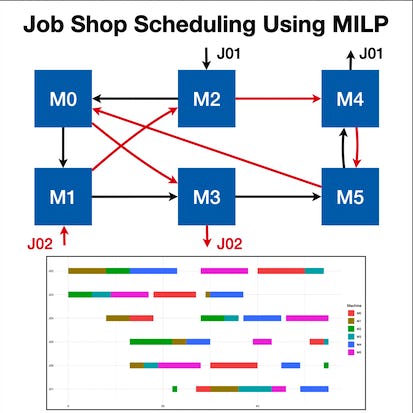
Welcome to "Job Shop Scheduling Using MILP Optimization on RStudio". This is a project-based course which should take under 2 hours to finish. Before diving into the project, please take a look at the course objectives and structure.
Buy Now Free
- Level Professional
- المدة 2 ساعات hours
- الطبع بواسطة Coursera
-
Offered by
عن
Welcome to "Job Shop Scheduling Using MILP Optimization on RStudio". This is a project-based course which should take under 2 hours to finish. Before diving into the project, please take a look at the course objectives and structure. By the end of this project, you will gain introductiory knowledge of Job Shop Scheduling, Mixed Integer Linear Programming (MILP), be able to use R Studio and lpSolveAPI library, formulate Jobshop scheduling problem as an optmisation problem & determine the objective function, apply constraints, run optimiser, obtain & analyse the solution. This course is at an intermediate level, and assumes knowledge of following: 1. Familiarity R language, including vectors, data frames, loops etc, and RStudio. 2. Linear Programming basics.الوحدات
Your Learning Journey
-
2
Readings
-
1
Plugin
-
1
Lab
-
1
Assignment
1
Assignment
- Assess Your Knowledge
1
Labs
- Job Shop Scheduling Using MILP Optimization on RStudio
2
Readings
- Project Overview
- R Script Files, Data Files & PDF
Auto Summary
Unlock the power of Job Shop Scheduling with MILP Optimization on RStudio through this engaging, project-based course designed for professionals. In under 2 hours, you'll master formulating and solving optimization problems using RStudio and the lpSolveAPI library. Ideal for those with intermediate R language and Linear Programming knowledge, this course provides practical skills in applying constraints, running optimizers, and analyzing solutions. Available on Coursera with a Starter subscription, it’s perfect for personal development in optimizing job schedules efficiently.
Buy Now Free

- Level Foundation
- المدة 3 ساعات hours
-
Offered by
عن
In this guided project we will learn about how we can create your personal brand using the free version of Canva. Canva is a graphic design web platform where we can create any type of material we need, from social media posts, brand kits, summaries, among many other things. Canva offers a number of tools for creating content from elements, text sources, video, and audio. Canvas is a great option for those looking for an easy-to-use platform to create presentations for corporate, school and college classes. Canva has many elements that are free and gives you a lot of freedom when it comes to designing. It is an extremely useful tool for those just starting out and it even becomes a very good tool for those who have been designing more advanced programs for years. It is a quick option that does not need to be installed on your computer and as long as you have an Internet connection, it will be an accessible tool. Additionally, it offers a number of templates that facilitate the creative process and a presentation platform where you can use any medium, from images to videos.Auto Summary
Enhance your personal brand with Canva in this beginner-level course by Coursera. Over 180 minutes, discover how to utilize Canva's free tools for effective personal branding. Perfect for anyone looking to develop their personal brand, this free course offers guided instruction to help you stand out.

Questionnaire Design for Social Surveys
This course will cover the basic elements of designing and evaluating questionnaires. We will review the process of responding to questions, challenges and options for asking questions about behavioral frequencies, practical techniques for evaluating questions, mode specific questionnaire characteristics, and review methods of standardized and conversational interviewing.
Monthly Subscription Starting at AED 99 + VAT

- Level Foundation
- المدة 17 ساعات hours
- الطبع بواسطة University of Michigan
-
Offered by
عن
This course will cover the basic elements of designing and evaluating questionnaires. We will review the process of responding to questions, challenges and options for asking questions about behavioral frequencies, practical techniques for evaluating questions, mode specific questionnaire characteristics, and review methods of standardized and conversational interviewing.الوحدات
Introduction
-
1
Videos
-
4
Readings
1
Videos
- Introduction
4
Readings
- Slides Introduction
- Syllabus
- Help us learn more about you!
- Unit 1 Readings
Questions and Error
-
2
Videos
-
1
Readings
2
Videos
- Types of Questions
- Measurement Error: Bias and Variance
1
Readings
- Announcement Unit 1
Standardized vs. Conversational Interviewing
-
3
Videos
3
Videos
- Standardized Interviewing
- Conversational Interviewing
- Concept Specification
Unit 1 Resources and Assignments
-
2
Readings
-
1
Assignment
1
Assignment
- Quiz #1
2
Readings
- Slides Unit 1
- Would you like to plan your learning journey with Michigan Online?
Response Process
-
4
Videos
-
2
Readings
4
Videos
- Response Process: Comprehension
- Response Process: Retrieval
- Response Process: Judgment
- Response Process: Response
2
Readings
- Announcement Unit 2
- Unit 2 Readings
Unit 2 Resources and Assignments
-
1
Readings
-
1
Assignment
1
Assignment
- Quiz #2
1
Readings
- Slides Unit 2
Factual Questions
-
4
Videos
-
2
Readings
4
Videos
- Facts and Quasi Facts
- Memory and Recall: Reporting Behavioral Frequencies
- Memory and Recall: Length of Reference Period
- Memory and Recall: Comprehension and Retrieval
2
Readings
- Announcement Unit 3
- Unit 3 Readings
Sensitive Questions
-
4
Videos
4
Videos
- Asking Sensitive Questions
- Asking Sensitive Questions: Techniques
- Asking Sensitive Questions: Indirect Techniques
- Mode, Privacy, and Confidentiality
Unit 3 Resources and Assignments
-
2
Readings
-
1
Assignment
1
Assignment
- Quiz #3
2
Readings
- Slides Unit 3
- Stay in touch on University of Michigan online courses
Attitude Questions
-
6
Videos
-
2
Readings
6
Videos
- Attitude Questions: Attitudes
- Attitude Questions: Context Effects
- Attitude Questions: Specific vs. General Evaluations
- Attitude Questions; Agree Disagree Scales
- Attitude Questions: Don't Know
- Attitude Questions: Order Effects
2
Readings
- Announcement Unit 4
- Unit 4 Readings
Response Options and Scales
-
1
Videos
1
Videos
- All Questions: Response Options and Scales
Unit 4 Resources and Assignments
-
1
Readings
-
1
Assignment
1
Assignment
- Quiz #4
1
Readings
- Slides Unit 4
Qualitative Pretesting Techniques
-
3
Videos
-
2
Readings
3
Videos
- Pretesting Techniques: Expert Reviews and Focus Groups
- Pretesting Techniques: Cognitive Interviews
- Behavior Coding
2
Readings
- Announcement Unit 5
- Unit 5 Readings
Quantitative Pretesting Techniques
-
2
Videos
2
Videos
- Pretesting Techniques: Quantitative Techniques
- Pretesting Techniques - Other Techniques
Unit 5 Resources and Assignments
-
1
Readings
-
1
Assignment
1
Assignment
- Quiz #5
1
Readings
- Slides Unit 5
Putting It All Together
-
3
Videos
-
1
Readings
3
Videos
- From Start to Finish: Putting Questions into a Questionnaire
- Motivated Underreporting: Reports from Selected Research Studies
- Main Questionnaire: Demographic Questions - Ending
1
Readings
- Announcement Unit 6
Mode
-
2
Videos
2
Videos
- Mode Choice: Implications for Layout
- Self-Administered Questionnaires: Additional Requirements
Course Summary
-
1
Videos
1
Videos
- Summary: Unit by Unit Take-Home Points
Unit 6 Resources and Assignments
-
3
Readings
-
1
Assignment
1
Assignment
- Final Exam
3
Readings
- Slides Unit 6
- Post-Course Survey
- Keep Learning with Michigan Online
Auto Summary
Enhance your skills in creating effective questionnaires with the "Questionnaire Design for Social Surveys" course, a comprehensive guide tailored for those looking to delve into the intricacies of survey design. Offered by Coursera under the Personal Development domain, this foundational course meticulously covers the essential aspects of designing and evaluating questionnaires. Led by industry experts, the course spans 1020 minutes of in-depth content. You'll explore the psychology behind how respondents answer questions, tackle the challenges of asking about behavioral frequencies, and learn practical techniques for question evaluation. The course also delves into the nuances of mode-specific questionnaire characteristics and the differences between standardized and conversational interviewing methods. Ideal for beginners and those at the foundational level, this course is accessible through a subscription to Coursera's Starter plan. Whether you're a researcher, student, or professional looking to enhance your survey design skills, this course provides the tools and knowledge you need to create effective and reliable questionnaires. Join now and take the first step towards mastering the art of social survey design.
Brilliant, Passionate You
This course is an interdisciplinary look at how we can make each day the best day of our lives by examining the question, “How can you be your most brilliant, passionate self?” You will be joined on this journey by our animated host, Lewis! You will envision your “perfect day” and then slowly deconstruct the elements of that day to better understand key elements such as finding your purpose, defining success, mental and physical health, the importance of community, and navigating risks and challenges.
Monthly Subscription Starting at AED 99 + VAT
- Level Foundation
- المدة 19 ساعات hours
- الطبع بواسطة University of Michigan
-
Offered by
عن
This course is an interdisciplinary look at how we can make each day the best day of our lives by examining the question, “How can you be your most brilliant, passionate self?” You will be joined on this journey by our animated host, Lewis! You will envision your “perfect day” and then slowly deconstruct the elements of that day to better understand key elements such as finding your purpose, defining success, mental and physical health, the importance of community, and navigating risks and challenges. In addition, you will hear stories from a diverse array of individuals, including students, doctors, teachers, professional storytellers, professional athletes, coaches, and others sharing their own journeys, communities, and sources of inspiration. Finally, you will participate in the What’s Your Purpose? Project, utilizing storytelling techniques to share your own purpose and inspire other members of this global learning community to pursue theirs.الوحدات
Introduction to the Course
-
1
Videos
-
2
Readings
1
Videos
- The Brilliant, Passionate You
2
Readings
- Course Overview
- Help us learn more about you!
Lesson 1: The Best Day of Your Life
-
2
Videos
-
2
Readings
-
1
Discussion
1
Discussions
- Share Your Best Day
2
Videos
- The Best Day of My Life
- Becoming Your Brilliant Passionate Self
2
Readings
- Imagine
- "Picturing the Best Day of Your Life" - A Letter from Lewis
Lesson 2: Community Vignettes
-
3
Videos
-
1
Readings
3
Videos
- My Best Day, with Dr. Okanlami
- My Best Day, with Professor Sankaran
- Being the Best Version of Yourself, with Aaron Gougis
1
Readings
- Welcome to Week 1, Lesson 2
Lesson 3: What's the Best Day of Your Life?
-
1
Readings
-
1
ExternalTool
1
External Tool
- “What’s the Best Day of Your Life?” - A Letter to Yourself
1
Readings
- A Brief Introduction to the Gamut Workbook
Lesson 1: Finding Purpose
-
5
Videos
-
2
Readings
-
2
Discussion
-
1
Assignment
1
Assignment
- Module 2, Lesson 1 Quiz
2
Discussions
- Reflecting on "Who Am I?"
- Reflecting on the 7 Questions
5
Videos
- What Do You Want to Be Known for on Earth?
- Purpose: Find Your Why
- Who Am I?
- What Do I Value?
- 7 Questions Exercise Introduction
2
Readings
- You and Your Purpose
- "Reflecting on your Purpose" - A Letter from Lewis
Lesson 2: Community Vignettes
-
4
Videos
-
4
Readings
-
1
Discussion
1
Discussions
- Responding to the Three Questions
4
Videos
- Three Questions about Purpose
- Feeding Your Soul
- Defining Yourself and Finding Success
- The Odyssey Plan Activity
4
Readings
- Welcome to Week 2, Lesson 2
- Disclaimer for Feeding Your Soul Video
- How Have You Redefined Your Life's Purpose Over Time?
- Odyssey Plan Handout
Lesson 3: Success
-
6
Videos
-
3
Readings
-
2
Discussion
2
Discussions
- What is Success for You?
- Reflecting on Mindful Self-Compassion
6
Videos
- On Street Interviews - What is Success?
- What is Success?
- What is a Growth Mindset and How Can it Help You Succeed?
- Mindful Self-Compassion
- Creating a Personalized Action Plan - Overview
- Creating Your Action Plan
3
Readings
- Welcome to Week 2, Lesson 3
- Introducing the Personalized Action Plan
- Crafting an Action Plan - A Letter From Lewis
Lesson 4: What's Your Purpose Project
-
1
Readings
-
1
ExternalTool
1
External Tool
- “What’s Your Purpose?” - A Letter to Yourself
1
Readings
- "What’s My Purpose?" - A Letter from Lewis
Lesson 1: Mental and Physical Health
-
8
Videos
-
4
Readings
-
1
Discussion
1
Discussions
- How do You Stay Fit While Staying Put?
8
Videos
- Feeling Your Best Self
- The Importance of Physical Fitness and Adaptive Sports
- Start with Om
- Gratitude Journals
- The Epidemic of Chronic Partial Sleep Deprivation
- Two-Process Sleep Model
- Sleep Duration
- Keep Going and Slow Down by Managing Your Energy
4
Readings
- Getting Back to Basics
- "Reflecting on Intent" - A Letter from Lewis
- Reflecting on Sleep - A Letter from Lewis
- Energy Audit Activity
Lesson 2: Community Vignettes
-
3
Videos
-
3
Readings
3
Videos
- Vignettes on Sleep Deprivation
- Balancing Work, Play, and Love
- Take Each Day as Something Special
3
Readings
- How has physical and mental health impacted the quality of your life?
- Disclaimer for Take Each Day As Something Special Video
- The Schema Exercise
Lesson 3: Incorporating Health and Purpose
-
1
ExternalTool
1
External Tool
- “Incorporating Health and Purpose” - A Letter to Yourself
Lesson 1: The Importance of Community
-
6
Videos
-
3
Readings
-
3
Discussion
3
Discussions
- Thinking About Our Different Cultural Groups
- Positive Interactions in the Age of COVID-19
- Using the GIVE model and Strength Spotting to Build a Positive Community
6
Videos
- Building a Brilliant, Passionate Community
- If You Want to Go Far, Go Together
- Thinking About Communities: An Interview with Dr. McCray
- Culture: It matters more than ever
- Introducing the GIVE Model
- Introducing Strength Spotting
3
Readings
- Introduction to Communities
- How Do We Create Positive Cultures? - A Letter from Lewis
- A Deeper Dive into the GIVE Model
Lesson 2: Community Vignettes
-
3
Videos
-
3
Readings
-
1
Discussion
1
Discussions
- Reflecting on Community Vignettes
3
Videos
- Look for helper feelings in your culture
- Learning from Your Community
- See yourself through the eyes of others
3
Readings
- Welcome to Module 4, Lesson 2
- Reflecting on Helper Feelings - A Letter from Lewis
- What’s important in a community?
Lesson 3: Reimagining the Best Day of Your Life
-
1
Readings
-
1
ExternalTool
1
External Tool
- “Reimagining the Best Day of Your Life” - A Letter to Yourself
1
Readings
- What’s the Best Day of Your Life? - A Letter from Lewis
Lesson 1: Thriving in Trying Times
-
8
Videos
-
4
Readings
-
1
Assignment
1
Assignment
- Module 5, Lesson 1 Quiz
8
Videos
- Navigating Challenges and Risks When Leading a Passionate Life
- The Energy Engagement Map
- The Flourishing Triangle
- What is Grit, Why Do Gritty People Succeed, and How Can You Develop Your Grit
- Four Types of Givers and Requesters
- The Reciprocity Ring
- Making a Thoughtful Request for Help
- What is an Opportunity?
4
Readings
- Maintaining Hope in Trying Times
- Try the Energy Engagement Map Activity
- Your Flourishing Triangle
- Reflecting on Grit
Lesson 2: Community Vignettes
-
6
Videos
6
Videos
- The Power of Work
- Healthy Conflict
- Approaching Conflict Constructively
- Self-Care Strategies
- Navigating Challenges
- Maintaining Passions in the Face of Adversity
Lesson 3: Overcoming Challenges with Your Support Network
-
1
Readings
-
1
ExternalTool
1
External Tool
- “Identifying Grit, Your Support Network, and the Tools Needed to do Your Work” - A Letter to Yourself
1
Readings
- Reflecting on Energy, Grit, Reciprocity, and Opportunity - A Letter from Lewis
Lesson 1: Reflecting Back
-
2
Videos
-
2
Readings
-
2
Discussion
2
Discussions
- How Would You Define Reflection?
- Discuss the 5 C's
2
Videos
- Empowering a Passionate World
- What is Reflection?
2
Readings
- The Power of Reflection
- Reflection Guidelines: The Five Cs
Lesson 2: Storytelling to Connect, Communicate, and Empower
-
3
Videos
-
1
Readings
-
1
Discussion
-
1
Assignment
1
Assignment
- Module 6, Lesson 2 Quiz
1
Discussions
- Reflecting on the Importance of Stories
3
Videos
- Each of Us Has a Story to Tell
- Storytelling and Belief Systems
- Inciting Empathy
1
Readings
- Introducing Stories and Belief Systems - A Letter from Lewis
Lesson 3: Community Vignettes
-
4
Videos
-
1
Readings
4
Videos
- Introduction to Story Structure
- Storytelling: Holly Hughes
- Storytelling: Ashley Lucas
- Storytelling: Priscilla Lindsay
1
Readings
- Welcome to Week 6: Lesson 3
Lesson 4: Sharing Your Brilliant, Passionate Self
-
1
Videos
-
1
Readings
-
1
Discussion
-
1
ExternalTool
1
External Tool
- Workbook Activity: The Story of You
1
Discussions
- Reflecting On the Power of Your Story
1
Videos
- Using Your Passions to Empower Others
1
Readings
- Welcome to Week 6, Lesson 4
Lesson 5: A Few More Things
-
2
Readings
-
1
Plugin
2
Readings
- More learning opportunities!
- Share your feedback!
Auto Summary
Discover how to make every day the best day of your life with "Brilliant, Passionate You," a transformative personal development course offered by Coursera. Guided by the animated host, Lewis, this foundational course invites you to explore the question, "How can you be your most brilliant, passionate self?" Over the span of 1140 minutes, you will envision your perfect day and deconstruct its elements to gain insights into finding your purpose, defining success, and enhancing your mental and physical health. The curriculum also emphasizes the importance of community and equips you with strategies to navigate risks and challenges. Engage with inspiring stories from a diverse array of individuals, including students, doctors, teachers, professional storytellers, athletes, and coaches. These personal narratives will offer you varied perspectives on their journeys, communities, and sources of inspiration. As part of the course, you'll participate in the "What’s Your Purpose? Project," where you'll apply storytelling techniques to share your purpose and inspire others within this global learning community. Whether you are just beginning your personal development journey or looking to refine your approach, this course offers Starter and Professional subscription options to suit your needs. Join now to unlock the potential to be your most brilliant, passionate self!
Buy Now Free
- Level Professional
- المدة 4 ساعات hours
-
Offered by
عن
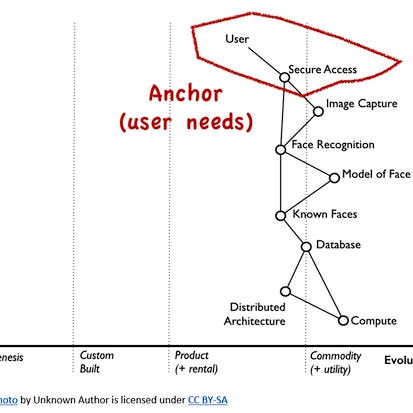
By the end of this project, you will be able to leverage a critical path approach to build a practical user experience map that identifies the key interaction moments that influence a customer’s success achieving the goals, so that resources can be strategically applied to the most critical touchpoints. To do this you will gain hands-on experience diagramming a user experience to identify a customer’s and brand’s critical path to success in the Miro online visual collaboration platform for teamwork. Note: This course works best for learners who are based in the North America region. We’re currently working on providing the same experience in other regions.Auto Summary
Discover how to create impactful user experience maps using a critical path approach in Miro. This professional-level course, offered by Coursera, provides 120 minutes of hands-on experience in diagramming key interaction moments to enhance customer success. Ideal for learners in North America, it strategically focuses on optimizing resources at critical touchpoints. Available with a Starter subscription, this course is perfect for professionals looking to deepen their UX design skills.
Buy Now Free

- Level Professional
- المدة 2 ساعات hours
-
Offered by
عن
In this one hour long project-based course, you will tackle a real-world prediction problem using machine learning. The dataset we are going to use comes from the Australian government. They recorded daily weather observations from a number of Australian weather stations. We will use this data to train an artificial neural network to predict whether it will rain tomorrow. By the end of this project, you will have created a machine learning model using industry standard tools, including Python and sklearn. Note: This course works best for learners who are based in the North America region. We’re currently working on providing the same experience in other regions.Auto Summary
Discover the intriguing world of weather prediction with our focused course, "Predicting the Weather with Artificial Neural Networks." Perfect for those seeking personal development, this intermediate-level course is brought to you by Coursera and provides an engaging, project-based learning experience over the span of just one hour. You’ll dive into a practical, real-world problem, applying machine learning techniques to forecast weather patterns accurately. Best of all, this immersive course is available for free, making it accessible for anyone eager to enhance their skills in artificial intelligence and data science. Ideal for intermediate learners, this course will empower you with the knowledge and hands-on experience to solve complex prediction challenges using cutting-edge neural networks. Join now and start your journey towards mastering weather prediction with AI!