

Buy Now Free
- Level Foundation
- المدة 4 ساعات hours
-
Offered by

عن
In this 1 hour guided project, you will learn how to configure your IDE (integrated development environment) with Visual Studio Code. This project was designed with beginners in mind. You do not need extensive development knowledge to follow along. Although we will set up a development environment for various programming languages. However, you can apply the same principle to set up for other languages. We will only focus on configuring Visual Studio Code and NOT the particulars writing code.Auto Summary
"Configure Your IDE with Visual Studio Code" is an engaging 1-hour guided project designed for beginners aiming to master the setup of their Integrated Development Environment (IDE) using Visual Studio Code. Ideal for those new to development, this course focuses on the configuration aspects rather than coding itself. Offered by Coursera, this introductory course allows learners to establish a development environment suitable for various programming languages, adaptable to others as well. With a free subscription option, this project is perfect for anyone looking to enhance their personal development skills and streamline their coding workspace efficiently.
Buy Now Free
- Level Foundation
- المدة 3 ساعات hours
-
Offered by
عن
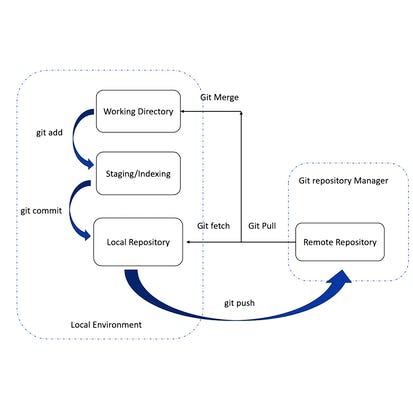
Every development team or automation team needs a good way to collaborate and manage changes and to version code in their codebase. That’s why they use source control or version control. Source control refers to tracking and managing changes to code. This ensures that developers are always working on the right version of the source code. Git is one of the most widely used open-source distributed source code management systems for tracking changes in source code during software development. In this 1-hour long project-based course, you will learn how to 1. Execute GIT commands via Eclipse plugin and CLI 2. Clone, Fetch and Pull code from remote repository 3. Commit, merge and push code to the remote repositoryAuto Summary
Discover the essentials of source control management for test automation with Git in this engaging 1-hour course. Perfect for beginners in personal development, you'll master Git commands via Eclipse and CLI, and learn to clone, fetch, pull, commit, merge, and push code. Offered by Coursera, this foundational course ensures effective collaboration and version control for development teams. Subscribe with the Starter option to get started today!
Monthly Subscription Starting at AED 99 + VAT

- Level Foundation
- المدة 8 ساعات hours
- الطبع بواسطة Korea Advanced Institute of Science and Technology(KAIST)
-
Offered by
عن
The course focuses on developing mindfulness skills and techniques, enhancing self-regulation and self-awareness, and improving body awareness, with a strong emphasis on stress management and attentional skills. It may include a variety of practices and activities such as meditation, breathing exercises, and body scans to promote relaxation, emotional regulation, and mental clarity. Participants may also learn practical tools to incorporate mindfulness into daily routines, set intentions for mindfulness practice, and manage stress effectively. Additionally, group discussions and activities may offer a sense of community and support, providing participants with a valuable resource for personal development, psychological well-being, and overall health. The commitment is approximately 2 hours weekly, totaling 12 hours over a span of 6 weeks.الوحدات
Week 1: Introduction
-
 5
Videos
5
Videos
5
Videos
- Welcome!
- Yoga Stretch
- Body Scan
- Sitting Meditation
- What is Mindfulness?
Week 2: Mindfulness in daily activities
-
5
Videos
-
 1
Assignment
1
Assignment
 1
Assignment
1
Assignment
- Wrap-up Questions
5
Videos
- Mindful Walking
- Mindful Eating & Drinking
- Mindful Studying
- Mindful Communication
- Mindful Teaching
Week 3: Creativity & Flourishment
-
5
Videos
-
1
Assignment
1
Assignment
- Wrap-up Questions
5
Videos
- Mindful Drawing
- Mindful Listening
- Creative Movement
- Treating Visitors in My Mind
- Loving-Kindness Meditation
Week 4: Wind-down
-
5
Videos
-
1
Assignment
1
Assignment
- Wrap-up Questions
5
Videos
- Lazy Yoga
- Coming Back to Sensations
- Savoring Practice
- Breathing Meditation
- Mindful Sleeping
Week 5: Stress Management
-
6
Videos
-
1
Assignment
1
Assignment
- Wrap-up Questions
6
Videos
- Introduction to Stress and Stressors
- Stress Response
- Facing Stressful Events
- Commonality & Compassion
- Self-compassion
- Copy of Facing Stressful Events
Week 6: Applying Mindfulness to Stress Management
-
5
Videos
-
1
Assignment
1
Assignment
- Wrap-up Questions
5
Videos
- Selective Attention
- Identifying Stressors & Possible Solutions
- Applying Mindfulness to Stress Management
- Finding My Own Mindfulness Practice
- Mindfulness: Recollection and Realizations
Final exam
-
1
Assignment
1
Assignment
- Final exam
Auto Summary
Discover "Mindfulness: An Approach to Stress Reduction," a 6-week Coursera course designed to enhance self-awareness, stress management, and emotional regulation through mindfulness techniques like meditation and breathing exercises. Led by expert instructors, this foundational course requires a 2-hour weekly commitment and offers Starter and Professional subscription options. Ideal for those seeking personal development and improved mental clarity.

Political Economy of Institutions and Development
This course is part of the SDG initiative addressing the UN Sustainable Development Goals, specifically for the following SDGs [1, 8, 10 and 16]. We hope you will join in our efforts to reach the SDG’s in small but measurable and actionable ways, cooperating with Development Done Differently. Expand your impact. You can create a better world. In today’s world, politics and economics are interconnected, but what is the nature of this connectivity?
Monthly Subscription Starting at AED 99 + VAT

- Level Foundation
- المدة 22 ساعات hours
- الطبع بواسطة Universiteit Leiden
-
Offered by
عن
This course is part of the SDG initiativeالوحدات
Welcome to this Course!
-
1
Videos
-
 2
Readings
2
Readings
1
Videos
- Trailer
2
Readings
- Welcome to Leiden University
- Meet the instructor & his team
How to be succesful in this course
-
2
Readings
-
 1
Discussion
1
Discussion
1
Discussions
- Introduce yourself
2
Readings
- Community Guidelines & Academic Toolkit
- Tips for studying online
General Introduction to Political Economy
-
3
Videos
-
1
Readings
-
1
Discussion
1
Discussions
- Look at your own area or country through the lens of international political economy
3
Videos
- Introduction to Political Economy
- The Evolution of Political Economy
- International Political Economy
1
Readings
- Reading for International Political Economy
Introduction to Data Used in Political Economy
-
11
Videos
-
1
Readings
-
2
Discussion
-
1
Assignment
1
Assignment
- Data used in Political Economy
2
Discussions
- Do you know an interesting map?
- How does your area or country compare?
11
Videos
- Mapping the World
- Visualization: World Maps
- Political Economy and Data
- Population
- Visualization: World Map of Population
- Output (GDP current values)
- Visualization: World Map of GDP (Current Values)
- Output (GDP PPP)
- Visualization: World Map of GDP PPP
- Poverty
- Visualization: World Map of Human Development Index
1
Readings
- Reading for Data in Political Economy
Trust
-
6
Videos
-
1
Readings
-
1
Discussion
-
1
Assignment
1
Assignment
- Trust
1
Discussions
- How does trust measure in your area or country?
6
Videos
- Trust and Social Capital
- Measuring Trust
- Trust results and Criticism
- Visualization: World Map of Trust
- Causes and Consequences
- Correlation and Regression
1
Readings
- Reading for Trust
Society and Fragmentation
-
9
Videos
-
1
Readings
-
1
Discussion
-
1
Assignment
1
Assignment
- Society and Fragmentation
1
Discussions
- Is your area or country fragmented in any way?
9
Videos
- Ethnic Fragmentation
- Visualization: World Map of Ethnic Fragmentation
- Linguistic Fragmentation
- Visualization: World Map of Linguistic Diversity
- Religious Fragmentation
- Visualization: World Map of Religious Diversity
- Income and Wealth Inequality
- Visualization: World Map of Income Inequality
- Inequality, Fragmentation and Trust
1
Readings
- Society and Fragmentation
Governance
-
8
Videos
-
1
Readings
-
1
Discussion
-
1
Assignment
1
Assignment
- Governance
1
Discussions
- How is the governance where you live?
8
Videos
- Good Governance
- Measuring Governance
- Democracy and Growth
- Visualization: World Map of Democracy
- Rule of Law and Growth
- Visualization: World Map of Rule of Law
- Corruption and Growth
- Visualization: World Map of Corruption
1
Readings
- Reading for Governance
Economic Development
-
4
Videos
-
1
Readings
-
1
Discussion
-
1
Assignment
1
Assignment
- Economic Development
1
Discussions
- Do you give money to foreign charities?
4
Videos
- State Failure
- Who Gives Foreign Aid, to Whom, and Why
- The Real Aid Givers
- Aid Effectiveness
1
Readings
- Reading for Economic Development
Globalisation
-
8
Videos
-
1
Readings
-
1
Discussion
-
1
Assignment
1
Assignment
- Globalisation
1
Discussions
- Do you notice globalisation in your culture?
8
Videos
- Globalisation. The Debate
- World map of economic globalisation
- Trade
- World map of trade
- Foreign Direct Investment
- FDI modules
- Financial Markets
- The Globalised World Economy
1
Readings
- Globalisation Discourse
Global International Organizations
-
4
Videos
-
1
Readings
-
1
Discussion
-
1
Assignment
1
Assignment
- International Organisations
1
Discussions
- Do you think International organisations are still legitimate?
4
Videos
- Origins
- Trade
- Finance
- Reflection
1
Readings
- International Institutions
Sub-State Actors
-
4
Videos
-
1
Readings
-
1
Discussion
-
1
Assignment
1
Assignment
- Non - Governmental Organizations
1
Discussions
- Can you think of the challenges that non governmental organizations are facing today
4
Videos
- Cities
- Big Business
- Transnational Advocacy Groups
- Supra-State Actors
1
Readings
- New Actors
The final exam- Good luck!
-
1
Assignment
1
Assignment
- Final Exam
Configure your own world
-
4
Videos
-
1
Readings
-
1
PeerReview
1
Peer Review
- Configure your own world
4
Videos
- The SDG initiative and your case study
- Defining your case study
- What effects the sustainability of your project
- The form of your assignment
1
Readings
- SDG initiative and SDG talk - Learn. Act. Impact.
School of Ideas - Improtant people in the Political Economy realm
-
12
Videos
12
Videos
- The Invisible Hand - Adam Smith
- Utilitarianism - Jeremy Bentham
- Relative Backwardness - Alexander Gerschenkron
- Classical Liberalism - Friedrich August von Hayek
- Keynesianism - John Maynard Keynes
- Critical Political Economy - Robert Cox
- The Take Off - Walt W. Rostow
- Marxism - Karl Marx
- Small States - Peter Katzenstein
- World Systems Theory - Immanuel Wallerstein
- New Institutional Economics- Ronald Coase
- Economic Structuralism- Raúl Prebisch
Auto Summary
Explore the intricate connections between politics and economics with the "Political Economy of Institutions and Development" course. Focused on key UN Sustainable Development Goals, this foundation-level course offered by Coursera dives into power dynamics, governance, economic disparity, and cultural impacts on development. Ideal for those looking to make a measurable impact, it spans 1320 minutes and is available with a starter subscription. Join to understand and influence global economic and social change.

Understanding and Managing the Stresses of Police Work
Policing has always been psychological challenging. On any given shift police officers may encounter a range of psychological challenges including domestic violence, interacting with people experiencing mental health issues, violent crime, even attending the aftermath of horrible accidents. The long exhausting shifts can also result in stressful person interactions within one’s personal life. The presence of COVID and political issues related to instances of over-policing have increased these stresses even more. This course has two goals.
Monthly Subscription Starting at AED 99 + VAT
- Level Foundation
- المدة 3 ساعات hours
- الطبع بواسطة University of Toronto
-
Offered by
عن
Policing has always been psychological challenging. On any given shift police officers may encounter a range of psychological challenges including domestic violence, interacting with people experiencing mental health issues, violent crime, even attending the aftermath of horrible accidents. The long exhausting shifts can also result in stressful person interactions within one’s personal life. The presence of COVID and political issues related to instances of over-policing have increased these stresses even more. This course has two goals. First, we want to inform officers how their stress system works and why they sometimes feel as they do. With this as a foundation we then describe some strategies officers can use to manage this system, giving themselves much needed breaks from the stress response and overall empowering them with a greater sense of control over how their bodies react to stress.الوحدات
Understanding the Stress Response in the Context of Police Work
-
3
Videos
-
1
Assignment
1
Assignment
- Module 1 Quiz
3
Videos
- Course Introduction
- The Machinery Underlying Your Stress Response
- The Unreasonable Ask
The NaRLy Approach
-
3
Videos
-
1
Assignment
1
Assignment
- Module 2 Quiz
3
Videos
- NOTICE: Becoming Mindful of the Stress Response
- RELAX: The Skill of Summoning Relaxation
- LISTEN: The Power of Active Listening
Appreciating the Power of Practice
-
1
Videos
-
1
Assignment
1
Assignment
- Module 3 Quiz
1
Videos
- The Importance of Practice
Auto Summary
"Understanding and Managing the Stresses of Police Work" is a foundational course in the domain of Personal Development, meticulously designed to address the unique and intense psychological challenges faced by police officers. The course delves into the various stressors that officers encounter, from dealing with domestic violence, mental health crises, and violent crime, to the emotional toll of witnessing traumatic events and managing personal life stress due to long, exhausting shifts. Given the heightened pressures introduced by the COVID-19 pandemic and political scrutiny over policing practices, this course aims to equip officers with essential knowledge and practical strategies to better understand and manage their stress responses. By exploring how their stress systems operate and why they react in certain ways, officers can gain valuable insights and learn effective techniques to mitigate stress, ultimately fostering a greater sense of control and well-being. Offered by Coursera, this comprehensive 180-hour program is available through a Starter subscription, making it accessible to those at the foundational level seeking to enhance their coping mechanisms and resilience. Ideal for police officers and law enforcement professionals, this course provides the tools needed to navigate the demanding nature of their work with improved mental fortitude.

Excel for Beginners: Sorting, Filtering, Data-Validation
This 1-hour, project-based course is an introduction to spreadsheets. We’ll be using Excel on the Web in this project, which is the free spreadsheet program offered by Microsoft.
Buy Now Free
- Level Foundation
- المدة 3 ساعات hours
- الطبع بواسطة Coursera
-
Offered by
عن
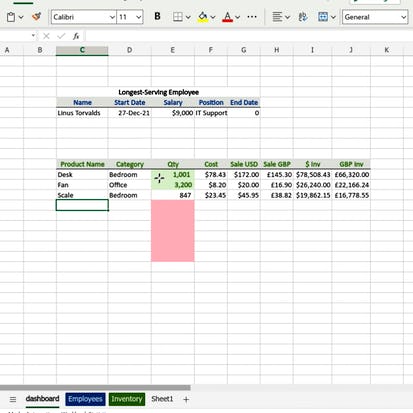
This 1-hour, project-based course is an introduction to spreadsheets. We’ll be using Excel on the Web in this project, which is the free spreadsheet program offered by Microsoft. However, all of the concepts that you will learn in this project will be applicable to other spreadsheet programs, such as LibreOffice Calc and Google Sheets. We will cover the following concepts in a hands-on manner: - Sorting tables of data - Filtering data for faster access to key information - Data-validation for minimising human error Please Note: If you don't have a free Microsoft account, you will need to create one to be able to complete the content.الوحدات
Your Learning Journey
-
1
Readings
-
 1
Plugin
1
Plugin
-
 1
Lab
1
Lab
-
1
Assignment
1
Assignment
- Assess Your Knowledge
1
Labs
- Excel for Beginners: Sorting, Filtering, Data-Validation
1
Readings
- Project Overview
Auto Summary
Discover the fundamentals of spreadsheet management with "Excel for Beginners: Sorting, Filtering, Data-Validation." This project-based course, ideal for those looking to enhance their personal development skills, provides a comprehensive 1-hour introduction to Excel on the Web, the free spreadsheet tool from Microsoft. The skills you will acquire are also applicable to other popular spreadsheet programs such as LibreOffice Calc and Google Sheets. Guided by expert instruction from Coursera, you will engage in practical exercises to master: - Sorting tables of data - Filtering information for efficient access - Implementing data-validation to reduce errors This foundational course requires a free Microsoft account for participation. It is designed for beginners eager to improve their data management abilities in a concise, hands-on format. Available through a Starter subscription, this 120-minute training is an excellent stepping stone for anyone looking to gain essential spreadsheet competencies.
Buy Now Free
- Level Foundation
- المدة 3 ساعات hours
-
Offered by
عن
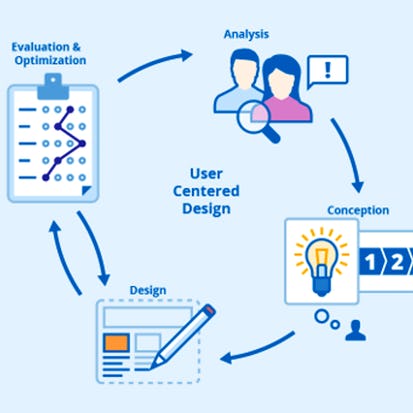
By the end of this project, you will be able to design a user experience sitemap that streamlines user experience flow by providing a clear path for customers to access your organization’s value proposition. To do this you will gain hands-on experience working in the Miro online visual collaboration platform for teamwork where you will exercise visual thinking to create a logic flow between web pages that is easy for users and search engines to follow. Note: This course works best for learners who are based in the North America region. We’re currently working on providing the same experience in other regions.Auto Summary
Master user experience flow with "Streamline User Experience Flow with Sitemaps in Miro," a beginner-friendly course in personal development offered by Coursera. In just 180 minutes, learn to design effective sitemaps that provide a clear path for customers to access your organization's value proposition. Available for free, this course is perfect for anyone looking to enhance their UX design skills.

Resilient Teaching Through Times of Crisis and Change
Resilient teaching is the ability to facilitate learning experiences that are designed to be adaptable to fluctuating conditions and disruptions. This teaching ability can be seen as an outcome of a design approach that attends to the relationship between learning goals and activities, and the environments they are situated in. Resilient teaching approaches take into account how a dynamic learning context may require new forms of interactions between teachers, students, content, and tools.
Monthly Subscription Starting at AED 99 + VAT
- Level Professional
- المدة 20 ساعات hours
- الطبع بواسطة University of Michigan
-
Offered by
عن
Resilient teaching is the ability to facilitate learning experiences that are designed to be adaptable to fluctuating conditions and disruptions. This teaching ability can be seen as an outcome of a design approach that attends to the relationship between learning goals and activities, and the environments they are situated in. Resilient teaching approaches take into account how a dynamic learning context may require new forms of interactions between teachers, students, content, and tools. Additionally, they necessitate the capacity to rethink the design of learning experiences based on a nuanced understanding of context. The course is designed with higher education faculty, lecturers, and graduate student instructors in mind, but may also be applicable to educators in a wide variety of instructional environments. The course is aimed at participants who may be asked to rethink how they teach in the immediate or near future due to the ever-changing circumstances of the current COVID-19 pandemic. While the creation of this course is motivated by the current crisis, we expect it will remain relevant to instructors who are faced with disruptions and change to their teaching for any number of reasons and must quickly adapt their course designs. To support learning and reflection, we are introducing a new journaling tool within the course that provides a place for participants to reflect on their own experiences. To support community growth, participants can choose to share their journal entries with the wider course community in an interactive gallery space.الوحدات
Lesson 1: Welcome and Introduction to the Course
-
4
Videos
-
8
Readings
-
2
Discussion
-
 1
ExternalTool
1
ExternalTool
1
External Tool
- The Difference Between Emergency Remote Teaching and Online Learning
2
Discussions
- Reflecting on Rear View Mirror Experiences with Emergency Remote Teaching
- [Optional] Metaphors as a Tool for Understanding Resilient Teaching
4
Videos
- Welcome to the Course
- Introducing the Gamut Workbook Tool
- A Community Oriented MOOC
- A Look in Our Rearview Mirror
8
Readings
- Welcome to Resilient Teaching Through Times of Crisis and Change
- Help Us Learn More About You!
- Discussion Prompts and Journal Entries
- Developing Your Resilient Teaching Plan
- [Optional] Preparing for Future Disruption: Hybrid, Resilient Teaching for a New Instructional Age
- [Optional]: Using Metaphors as a Tool for Understanding and Imagining
- References and Additional Resources
- Course Syllabus
Lesson 2: We Need Resilience Now More Than Ever
-
3
Videos
-
3
Readings
-
1
Discussion
-
2
ExternalTool
2
External Tool
- Reflecting on 15 Scenarios for Fall
- Looking at Possible Scenarios through a Lens of Diversity, Equity, and Inclusion
1
Discussions
- Unpacking the HyFlex Model
3
Videos
- The Impact of the COVID-19 Crisis on Teaching
- In Conversation with Josh Kim and Eddie Maloney
- Further Conversation with Josh Kim and Eddie Maloney
3
Readings
- 15 Fall Scenarios
- A Deeper Dive into 15 Fall Scenarios
- References and Additional Resources
Lesson 3: Towards a Pedagogy of Resilience
-
2
Videos
-
5
Readings
-
2
Discussion
-
1
ExternalTool
1
External Tool
- Connecting Resilient Pedagogy to Your Own Practice
2
Discussions
- Refining our Definition of Resilient Teaching
- More Examples of Resilient Design
2
Videos
- A Look Towards the Horizon Line
- Designing for Resilience
5
Readings
- Imagining a Resilient Pedagogy
- Taking Inspiration from Across Disciplines
- Resilience in Agroecosystems: A Mini-Case by Alison Bressler
- Resilience in Music: An Interview with Dr. Joe Girard
- References and Additional Resources
Lesson 4: End of Week Knowledge Check
-
1
Assignment
1
Assignment
- End of Week Knowledge Check
Lesson 1: Thinking About Courses as Systems
-
3
Videos
-
2
Readings
-
1
Discussion
-
2
ExternalTool
2
External Tool
- Consider Your Teaching Context
- Defining the Components of a Course
1
Discussions
- [Optional] Unpacking the Slinky Illustration
3
Videos
- A Systems View of Learning Design
- Looking at Courses as Systems
- [Optional] Using the Illustration of a Slinky
2
Readings
- [Optional] Connecting the Slinky Illustration to Course Design
- References and Additional Resources
Lesson 2: Designing for Interactions
-
1
Videos
-
3
Readings
-
2
ExternalTool
2
External Tool
- Articulating Course Level Learning Goals
- Designing for Interactions in Your Course
1
Videos
- Designing for Interactions
3
Readings
- Articulating Course Level Learning Goals and Learning Objectives
- Learning Objectives Specified Across Six Dimensions
- Readings and Additional Resources
Lesson 3: Principles of Resilient Design for Learning
-
4
Videos
-
1
Readings
-
2
Discussion
-
3
ExternalTool
3
External Tool
- Starting with an MVP
- Considering the Unknowns
- Identifying Potential Points of Failure
2
Discussions
- Examples of Risk Factors in Course Design
- Using One Principle of Resilient Design to Inform Another
4
Videos
- Three Principles of Resilient Design for Learning
- Designing for Extensibility
- Designing for Flexibility
- Designing for Redundancy
1
Readings
- References and Additional Resources
End of Week Knowledge Check
-
1
Assignment
1
Assignment
- End of Week Knowledge Check
Lesson 1: Putting Guiding Principles of Resilient Design for Learning to Work
-
6
Videos
-
5
Readings
-
1
ExternalTool
1
External Tool
- Taking a Look at the Resilient Design for Learning Principles as a Whole
6
Videos
- Introducing our Worked Example: Video Games for Learning
- Worked Example: Designing for Interactions
- Worked Example: Designing for Extensibility
- Worked Example: Designing for Flexibility
- Worked Example: Designing for Redundancy
- Worked Example: Putting it All Together
5
Readings
- Introducing Professor Chris Quintana and our Worked Example
- Resources to Support Designing for Extensibility
- Resources to Support Designing for Flexibility
- Resources to Support Designing for Redundancy
- References and Additional Resources
Lesson 2: Your Resilient Teaching Plan
-
1
Readings
-
1
PeerReview
1
Peer Review
- Sharing Your Resilient Teaching Plan
1
Readings
- Introduction to Developing Your Resilient Teaching Plan
Lesson 1: Case Studies with Resilient Teaching
-
3
Videos
-
20
Readings
-
1
Discussion
1
Discussions
- Reflecting on Case Studies of Resilient Teaching
3
Videos
- Case Study Video Interview: Principles of Microeconomics
- Case Study Video Interview: Introduction to Electronic Circuits
- Case Study Video Interview: Biomechanics of Human Movement
20
Readings
- A Care-Centered Model for Teaching in Times of Crisis and Change
- Introduction to Case Studies
- Case Study Profile: Principles of Microeconomics
- Case Study Profile: Costume Design 1
- Case Study Written Interview: Costume Design 1
- Case Study Profile: Introduction to Electronic Circuits
- Case Study Profile: Principles of Software Design for Learning
- Case Study Written Interview: Principles of Software Design for Learning
- Case Study Profile: Biomechanics of Human Movement
- Case Study Profile: Small Jazz Ensembles
- Case Study Written Interview: Small Jazz Ensembles
- Case Study Profile: University Band
- Case Study Written Interview: University Band
- Case Study Profile: Pandemics & Medicine
- Case Study Written Interview: Pandemics & Medicine
- Case Study Profile: Foundational Gross Anatomy
- Case Study Written Interview: Foundational Gross Anatomy
- Case Study Profile: Honors Chemistry
- Case Study Written Interview: Honors Chemistry
- References and Additional Resources
Lesson 2: Course Wrap-up
-
1
Videos
-
4
Readings
1
Videos
- Course Wrap-up
4
Readings
- Course Feedback
- Contributor Acknowledgements
- Expand on your resilient teaching by designing engaging courses for your students.
- Keep Learning with Michigan Online!
Auto Summary
"Resilient Teaching Through Times of Crisis and Change" is a comprehensive course designed to empower educators with the skills to adapt their teaching methods to fluctuating conditions and disruptions. This course falls under the Personal Development domain and is expertly crafted by Coursera to assist higher education faculty, lecturers, and graduate student instructors, although it is also suitable for educators across various instructional settings. The course underscores the importance of resilient teaching, which involves creating adaptable learning experiences that remain effective amidst dynamic learning environments. It emphasizes the need for new interactions between teachers, students, content, and tools, and the ability to redesign learning experiences based on a deep understanding of changing contexts. While initially inspired by the challenges posed by the COVID-19 pandemic, the course content is designed to be relevant for any situation requiring swift adaptation in teaching methods. Participants will benefit from a unique journaling tool introduced in the course, allowing for personal reflection and the option to share insights with a broader community through an interactive gallery space. This fosters a supportive learning environment and community growth. With a professional course level, this extensive 1200-hour program is available through Coursera's Starter and Professional subscription plans. It's ideal for educators who need to rethink and adapt their teaching strategies quickly and effectively in response to ongoing or future disruptions. Enroll now to enhance your teaching resilience and ensure your instructional methods can withstand any challenge.
Create a Product Design Brainstorming with Miro
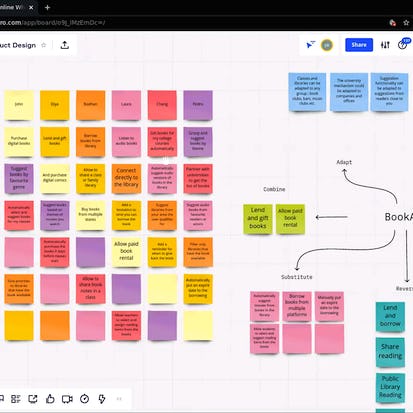
In this 1-hour long project-based course, you will learn how to create a product design brainstorming with Miro as an online collaborative interactive tool, using different whiteboard and team work techniques and models such as brainwriting and SCAMPERS, utilize user personas and action based approaches in order to design and finally streamline ideas into an action plan with a timeline workflow. Note: This course works best for learners who are based in the North America region. We’re currently working on providing the same experience in other regions.
Buy Now Free
- Level Foundation
- المدة 3 ساعات hours
- الطبع بواسطة Coursera
-
Offered by
عن
In this 1-hour long project-based course, you will learn how to create a product design brainstorming with Miro as an online collaborative interactive tool, using different whiteboard and team work techniques and models such as brainwriting and SCAMPERS, utilize user personas and action based approaches in order to design and finally streamline ideas into an action plan with a timeline workflow. Note: This course works best for learners who are based in the North America region. We’re currently working on providing the same experience in other regions.الوحدات
Practical Application via Rhyme
-
1
Readings
-
1
Plugin
-
1
Lab
-
1
Assignment
1
Assignment
- Graded Quiz: Test your Project understanding
1
Labs
- Create a Product Design Brainstorming with Miro
1
Readings
- Project-based Course Overview
Auto Summary
Unlock your creativity with "Create a Product Design Brainstorming with Miro," a 1-hour project-based course focusing on personal development. Guided by an expert instructor from Coursera, this foundational course teaches you to use Miro for collaborative brainstorming. Learn techniques like brainwriting, SCAMPERS, user personas, and action-based approaches to streamline ideas into actionable plans. Ideal for North American learners, with future expansion plans. Available with a Starter subscription. Perfect for anyone looking to enhance their product design skills.
Buy Now Free
- Level Professional
- المدة 3 ساعات hours
-
Offered by
عن
By the end of this guided project, you will be fluent in creating Program Quality Management artefacts for the Planning Phase for diverse programs. You will utilise a logical diagramming plan in an agile environment to develop the solution. This will enable you to identify and classify the required components for quality planning. Furthermore, it will help develop a structural model for learning about the field of Program Management. If you are interested in building up the knowledge leading to this guided project, the following is the link to: [ Developing Programme Management Blueprint with ClickUp] https://www.coursera.org/projects/program-blueprint [Advanced Programme Planning Phases Framework in ClickUp] https://www.coursera.org/projects/program-advanced-planning This Guided Project is essential for individuals wanting to learn about the field, or looking to transition into working in Program Management. This guided project is designed to engage and harness your visionary and exploratory abilities. You will use proven models in an agile environment with ClickUp to engage in a hands-on learning experience.Auto Summary
"Program Quality Planning with ClickUp" is a professional course in personal development, focusing on creating Program Quality Management artifacts for the Planning Phase in diverse programs. Taught by Coursera, the course spans 180 minutes and leverages agile methodologies and logical diagramming in ClickUp. Ideal for those transitioning into Program Management, it offers hands-on learning and practical experience. The course is available under the Starter subscription.