


Designing Learning Innovation: an introduction
Where to start to innovate your teaching? But before that, what does it mean to innovate in the classroom?
Monthly Subscription Starting at AED 99 + VAT

- Level Foundation
- المدة 16 ساعات hours
- الطبع بواسطة Politecnico di Milano
-
Offered by

عن
Where to start to innovate your teaching? But before that, what does it mean to innovate in the classroom? Designing Learning Innovation aims to put the designing culture at the service of learning innovation, supporting those who do not have a specific pedagogical background and those who wish to learn the basic tools of a good teaching design then to continue exploring the frontiers of innovation. A set of logical and methodological tools to innovate teaching, finding the most suitable approaches with one’s own vision of the teaching-learning experience. INTENDED LEARNING OUTCOMES (ILOs) If you actively participate in this course, at the end you will be able to: - Use basic theoretical-methodological tools (such as Constructive Alignment and the Learning Innovation Network) to enhance teaching coherence between learning objectives, assessment methods and learning experiences; - apply pedagogical frameworks of the active learning methodology to the design either an individual teaching module or an entire teaching path; - evaluate advantages and disadvantages, in the field of your own teachings, of traditional evaluation approaches compared to the new assessment strategies, in particular those oriented to the formative evaluation. THE MOOC-BOOK: MATERIALS AND ACTIVITIES The MOOC is realized in a strongly integrated way with the book “Designing Learning Innovation” published by Pearson (the english version is the translation of the italian one already published and accessible here https://www.bookrepublic.it/ebook/9788891926067-designing-learning-innovation-pearson/) In the course you will find video lessons and infographic articulated as in the book. You will also encounter different types of activities which will contribute to make your experience richer and more complete.الوحدات
Designing Learning Innovation
-
 1
Videos
1
Videos
-
 1
Readings
1
Readings
1
Videos
- Designing Learning Innovation
1
Readings
- How this course works
Let's think about it together
-
1
Readings
-
 1
Discussion
1
Discussion
-
 1
Assignment
1
Assignment
 1
Assignment
1
Assignment
- Anticipation test
1
Discussions
- Key elements in a process of learning innovation
1
Readings
- Let's think about it together
The words of Learning Innovation
-
1
Readings
1
Readings
- The words of Learning Innovation
Learning Innovation
-
2
Videos
-
5
Readings
-
2
Discussion
2
Discussions
- What do you think?
- From speaker to designer
2
Videos
- What we mean by Learning Innovation
- From speaker to designer
5
Readings
- Infographics - Learning Innovation
- What do you think?
- Infographic - teacher as designer
- From speaker to designer: what do you think?
- WEEK 1 - Bibliography
Week 1 - Final Take Away Quiz
-
1
Assignment
1
Assignment
- Week 1 - Final Take Away Quiz
Starting from the end - outcomes first
-
2
Videos
-
3
Readings
-
1
Discussion
-
2
Assignment
2
Assignment
- What do you remember? Constructive Alignment
- What do you remember? The Intended Learning Outcomes
1
Discussions
- Peer Evaluation - the Intended Learning Outcomes
2
Videos
- The beauty of starting from the end
- The intended learning outcomes
3
Readings
- Infographic - Constructive Alignment - J.B. Biggs
- Infographics - The Intended Learning Outcomes
- Peer Evaluation - the Intended Learning Outcomes
Dublin Descriptors and Bloom's Taxonomy
-
2
Videos
-
3
Readings
-
1
Discussion
1
Discussions
- Extending Bloom’s taxonomy to the digital world
2
Videos
- The Dublin descriptors
- The Bloom's Taxonomies
3
Readings
- Infographic - Dublin Descriptors
- Infographics - Bloom's Taxonomies
- What do you think? Extending Bloom’s taxonomy to the digital world
Week 2 - Final Take Away Quiz
-
1
Readings
-
1
Assignment
1
Assignment
- Week 2 - Final Take Away Quiz
1
Readings
- WEEK 2 - Bibliography
The reasons of Assessment
-
1
Videos
-
2
Readings
-
1
Discussion
1
Discussions
- Coffee break - how do you assess?
1
Videos
- The reasons of assessment
2
Readings
- Infographic - Formative and Summative Assessment
- Coffee break - how do you assess?
The key principles of Assessment
-
4
Videos
-
6
Readings
-
2
Assignment
2
Assignment
- What do you remember? Intended Learning Outcomes and Assessment
- What do you remember? Criteria, indicators, values
4
Videos
- The key principles of assessment
- Tests
- Criteria and indicators
- The crucial role of feedback
6
Readings
- Infographic - Constructive Alignment and Assessment
- Infographic - What kind of test?
- Infographics - Assessment rubrics
- Infographic - the features of an effective feedback
- Focus - Feedback
- Focus - the Feedback Toolkit
Involving students
-
1
Videos
-
2
Readings
-
1
Discussion
1
Discussions
- Your idea - Involving students in the assessment
1
Videos
- Involving students in the evaluation process
2
Readings
- Infographic - Peer Assessment / Self Assessment
- Your idea - Involving students in the assessment
Week 3 - Final Take Away Quiz
-
1
Readings
-
1
Assignment
1
Assignment
- Week 3 - Final Take Away Quiz
1
Readings
- WEEK 3 - Bibliography
Pedagogical frameworks "prêt-à-porter"
-
2
Videos
-
1
Assignment
1
Assignment
- What do you remember? Three different perspectives
2
Videos
- Pedagogical frameworks "prêt-à-porter"
- Orienting ourselves among pedagogical theories
Examples of pedagogical frameworks
-
7
Videos
-
9
Readings
-
1
Discussion
-
2
Assignment
2
Assignment
- What do you remember? Pedagogical models 1
- Infographic - Networked Learning
1
Discussions
- What do you think? Flipped classroom
7
Videos
- Gagné and learning events
- Inquiry based learning
- Problem based learning
- Kolb's cycle
- Social Learning
- Networked Learning
- Flipped Classroom
9
Readings
- Infographic - Gagné's learning events
- Infographic - Inquiry based learning
- Infographic - Problem based learning
- Infographic - Kolb's cycle
- Infographic - Social Learning
- Infographic - Networked Learning
- Infographic - Flipped classroom
- Focus - Flipped classroom
- What do you think? Flipped classroom
Peer Evaluation - Pedagogical frameworks
-
1
Readings
-
1
Discussion
1
Discussions
- Peer Assessment - Pedagogical frameworks
1
Readings
- Peer Assessment - Pedagogical frameworks
Week 4 - Final Take Away Quiz
-
1
Readings
-
1
Assignment
1
Assignment
- Week 4 - Final Take Away Quiz
1
Readings
- WEEK 4 - Bibliography
Auto Summary
Unlock the potential of your teaching with the "Designing Learning Innovation: An Introduction" course. Perfect for those in personal development, this engaging program is crafted for educators who want to innovate their teaching methods but may lack a formal pedagogical background. Guided by expert instructors, this course provides a comprehensive set of logical and methodological tools to help you enhance the coherence of your teaching strategies. You'll explore foundational concepts such as Constructive Alignment and the Learning Innovation Network, and learn to apply active learning methodologies to design effective teaching modules or entire curricula. By the end of the course, you'll be able to: - Utilize theoretical and methodological tools to align learning objectives, assessments, and experiences. - Implement active learning frameworks to create innovative teaching designs. - Assess the pros and cons of traditional and new evaluation strategies, with a focus on formative assessments. The course content is closely integrated with the "Designing Learning Innovation" book, available through Pearson, ensuring a rich and comprehensive learning experience. Throughout the course, you'll engage with video lessons, infographics, and various interactive activities designed to deepen your understanding. Offered by Coursera, this foundational-level course spans 960 minutes of immersive learning and is available through Starter and Professional subscription options. Whether you're a beginner or seeking to refresh your skills, this course is tailored for educators interested in transforming their teaching practices. Join us and start your journey towards innovative education today!

Primate Conservation
We are presently facing a potential extinction crisis for the order Primates (and many other life forms). In this course we will learn about threats to primate conservation globally. We will be using the, “Primates in Peril: The World’s 25 Most Endangered Primates 2018-2020” by Schwitzer et al. (2019) as a basis for the discussion of global primate populations. We will investigate conservation status, threats to conservations, success and failures within protecting our closest evolutionary cousins.
Monthly Subscription Starting at AED 99 + VAT

- Level Foundation
- المدة 11 ساعات hours
- الطبع بواسطة University of Colorado Boulder
-
Offered by
عن
We are presently facing a potential extinction crisis for the order Primates (and many other life forms). In this course we will learn about threats to primate conservation globally. We will be using the, “Primates in Peril: The World’s 25 Most Endangered Primates 2018-2020” by Schwitzer et al. (2019) as a basis for the discussion of global primate populations. We will investigate conservation status, threats to conservations, success and failures within protecting our closest evolutionary cousins.الوحدات
Introduction to Conservation and Conservation Concerns
-
5
Videos
-
2
Discussion
-
 1
Plugin
1
Plugin
-
1
Assignment
1
Assignment
- Quiz for Module 1
2
Discussions
- Introduce Yourself!
- Your Experiences with Primates
5
Videos
- 1.1 Course Introduction
- 1.2 Primate Diversity
- 1.3 Primate Taxonomy
- 1.4 Primate Habitats
- 1.5 What is conservation?
How do we define threats?
-
8
Videos
-
1
Readings
-
1
Discussion
-
1
Assignment
1
Assignment
- Quiz for Module 2
1
Discussions
- Reflecting on Conservation Threats
8
Videos
- 2.1 Introduction to the IUCN
- 2.2 IUCN Criteria for Threatened Taxa
- 2.3 Overview of Conservation Concerns
- 2.4 Hunting
- 2.5 Deforestation
- 2.6 Non-Forest Timber Products / Traditional Medicine
- 2.7 Illegal Animal Trade
- 2.8 Protected Areas
1
Readings
- Impending Extinction Crisis of the World's Primates: Why Primates Matter
Exploring Primates Throughout Various Regions
-
6
Videos
-
1
Readings
-
1
Discussion
-
1
Assignment
1
Assignment
- Quiz for Module 3
1
Discussions
- Reflecting on Possible Extinction Events
6
Videos
- 3.1 Introduction to Module 3
- 3.2 Neotropics
- 3.3 Species in Asia
- 3.4 Species in Africa
- 3.5 Madagascar -- A Natural Laboratory!
- 3.6 Other Species for Consideration
1
Readings
- Primates in Peril: The World's 25 Most Endangered Primates 2018-2020
Conservation Organizations
-
3
Videos
-
1
PeerReview
-
1
Assignment
1
Assignment
- Quiz for Module 4
1
Peer Review
- Investigating Conservation Organizations
3
Videos
- 4.1 Introduction to Conservation Organizations
- 4.2 Define In Situ and Ex Situ Conservation Efforts
- 4.3 Conservation Organizations and What You Can Do!
Primate Conservation in Vietnam
-
5
Videos
-
1
Readings
-
1
Discussion
-
1
Assignment
1
Assignment
- Module 5 Quiz
1
Discussions
- Reflecting on Conservation
5
Videos
- 5.1 Introduction to the Case Study
- 5.2 Primate Biodiversity of Vietnam
- 5.3 Threats to Primates in Vietnam
- 5.4 Conservation Stories
- 5.5 Some Concluding Thoughts
1
Readings
- Primates of Vietnam: Conservation in a Rapidly Developing Country
Auto Summary
Discover the urgent world of primate conservation with our engaging course, designed to delve into the critical threats facing our closest evolutionary relatives. Guided by the comprehensive study "Primates in Peril: The World’s 25 Most Endangered Primates 2018-2020" by Schwitzer et al. (2019), this course explores the conservation status and the myriad of threats that could lead to a potential extinction crisis for primates and other life forms. Offered by Coursera, this foundational course is perfect for anyone passionate about personal development and the environment. Over a duration of 660 minutes, learners will examine both the successes and failures in primate conservation efforts globally. Whether you are a student, a professional in the field, or simply an enthusiastic learner, this course provides a thorough understanding of the pressing conservation issues. Enroll with a Starter subscription and join a community dedicated to making a difference in preserving our planet's biodiversity.
Buy Now Free
- Level Professional
- المدة 3 ساعات hours
-
Offered by
عن
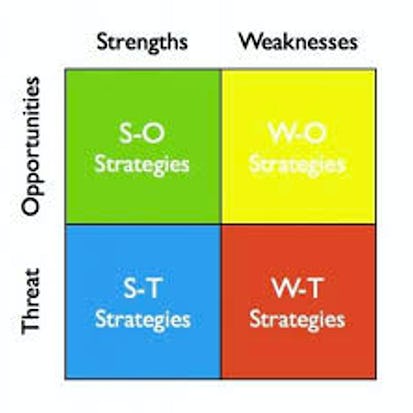
By the end of this guided project, you will be able to use the TOWS matrix to analyze and determine your optimum strategy. The TOWS Matrix is an acronym for Threats, Opportunities, Weaknesses, and Strengths. The elements of the SWOT Analysis provide the basics for the TOWS Matrix. But TOWS rearranges the information, and provides a framework to identify possible strategic options to pursue. TOWS analysis matches internal to external factors to help identify relevant strategic options. By combining the external environment’s opportunities and threats with the internal organization’s strengths and weaknesses, you can come up with four basic strategies. And the strategies are centered on exploiting opportunities, minimizing threats, overcoming weaknesses and capitalizing on strengths For us to practically demonstrate how the model works, we will use a spreadsheet to analyze an energy services company. Examples from the case study would empower you to use the model to analyze your company or any other company of your choice. The TOWS Matrix is a decision-making process for developing strategic alternatives. Both startups and large enterprises can use TOWS analysis approach as a primary strategic planning tool. At the end of the project, you will be able to use the matrix to brainstorm possible strategic options, determine your strategic roadmap, and identify your competitive advantageAuto Summary
Enhance your strategic planning skills with Coursera's "How to Use the TOWS Matrix to Analyze and Set Strategy." This intermediate-level, 180-minute course focuses on personal development and guides you through using the TOWS matrix for optimal strategy formulation. Perfect for learners seeking practical tools for analysis, the course is free and led by expert instructors.

Get Started with HubSpot
HubSpot is a system you can use to manage all of your contacts no matter what type of business you are in. You can use the free app to assist you in marketing and sales. The integrations to your email make the program easy to use. You can build your team and follow up on contacts easily. This hands on course will have you all set to go with your contacts right now! By the end of your time in this project you will have a Customer Relations Management system set up with HubSpot. Note: This course works best for learners who are based in the North America region.
Buy Now Free

- Level Foundation
- المدة 4 ساعات hours
- الطبع بواسطة Coursera
-
Offered by
عن
HubSpot is a system you can use to manage all of your contacts no matter what type of business you are in. You can use the free app to assist you in marketing and sales. The integrations to your email make the program easy to use. You can build your team and follow up on contacts easily. This hands on course will have you all set to go with your contacts right now! By the end of your time in this project you will have a Customer Relations Management system set up with HubSpot. Note: This course works best for learners who are based in the North America region. We’re currently working on providing the same experience in other regions.الوحدات
Your Learning Journey
-
1
Readings
-
1
Plugin
-
 1
Lab
1
Lab
-
1
Assignment
1
Assignment
- Graded Quiz: Test your Project understanding
1
Labs
- Get Started with HubSpot
1
Readings
- Project Overview
Auto Summary
"Get Started with HubSpot" is a beginner-level course focused on mastering HubSpot's CRM system for managing contacts, marketing, and sales. Ideal for North American learners, this Coursera course offers hands-on experience to set up your CRM system efficiently. With a 240-minute duration and a free subscription, it's perfect for personal development and business enhancement.

The Psychology of Thrill Seekers
Sensation seeking is a trait we all have and includes the search for complex and new experiences. Thrill Seekers, people with high-sensation seeking personalities, crave exotic and intense experiences even when physical or social risks are involved. This course helps learners examine the remarkable world of the high-sensation seeking personality and explores the lifestyle, psychology, and neuroscience behind thrill seekers.
Monthly Subscription Starting at AED 99 + VAT

- Level Foundation
- المدة 16 ساعات hours
- الطبع بواسطة Emory University
-
Offered by
عن
Sensation seeking is a trait we all have and includes the search for complex and new experiences. Thrill Seekers, people with high-sensation seeking personalities, crave exotic and intense experiences even when physical or social risks are involved. This course helps learners examine the remarkable world of the high-sensation seeking personality and explores the lifestyle, psychology, and neuroscience behind thrill seekers.الوحدات
Course Overview
-
1
Videos
-
2
Readings
1
Videos
- Welcome!
2
Readings
- Course Outline and Grading Information
- [OPTIONAL] Kenneth Carter Publication Offer
What Is Sensation Seeking?
-
2
Videos
-
1
Readings
-
1
Discussion
1
Discussions
- Initial Thoughts
2
Videos
- The History of Sensation Seeking
- Components of Sensation Seeking
1
Readings
- Discover Your Sensation-Seeking Score!
Who Are Sensation Seekers?
-
2
Videos
-
1
Readings
2
Videos
- Sensation-Seeking Demographics
- Types of Sensation Seekers
1
Readings
- Insights into the Sensation-Seeking Personality
Review
-
1
Videos
-
1
PeerReview
-
1
Assignment
1
Assignment
- Practice Time!
1
Peer Review
- High Sensation-Seeking Influences
1
Videos
- Wrap-Up
The Psychology of Sensation Seeking
-
2
Videos
-
1
Discussion
1
Discussions
- Initial Thoughts
2
Videos
- Born to Be Wild?
- Fight, Flight, or Freeze Response
The Nature and Nurture Behind Sensation Seeking
-
3
Videos
-
2
Readings
3
Videos
- Neuromotivational Systems
- The Chemistry of Thrill and Fear
- Environment and Thrill Seekers
2
Readings
- Hardwired for Sensation Seeking
- Stress, Fear, and Motivation
Review
-
1
Videos
-
1
PeerReview
-
1
Assignment
1
Assignment
- Practice Time!
1
Peer Review
- Biological and Environmental Influences
1
Videos
- Wrap-Up
The Hobbies of Sensation Seekers
-
3
Videos
-
1
Readings
-
1
Discussion
1
Discussions
- Initial Thoughts
3
Videos
- Week 3 Introduction
- Hobbies
- [Optional] Interview with a High Sensation Seeker
1
Readings
- A Look at Hobby Preferences
Travel, Food, and Crux
-
3
Videos
3
Videos
- Travel
- Food
- Emotional Regulation
Review
-
1
Videos
-
1
PeerReview
-
1
Assignment
1
Assignment
- Practice Time!
1
Peer Review
- Analyzing Hobbies and Preferences
1
Videos
- Wrap-Up
Types of Love and Sensation-Seeking Preferences
-
2
Videos
-
1
Readings
-
1
Discussion
1
Discussions
- Initial Thoughts
2
Videos
- Week 4 Introduction
- Love
1
Readings
- Types of Love
Benefits and Challenges of Relationships and Sensation Seekers
-
4
Videos
-
2
Readings
4
Videos
- Emotional Intelligence
- Problems with Relationships
- Enhancing Relationships
- [OPTIONAL] Podcast with a Sensation-Seeking Couple
2
Readings
- A Further Look at Emotional Intelligence
- Battling Intimacy Challenges
Review
-
1
Videos
-
1
PeerReview
-
1
Assignment
1
Assignment
- Practice Time!
1
Peer Review
- Sensation Seekers and Relationships
1
Videos
- Wrap-Up
Challenges with Sensation-Seeking Personalities
-
2
Videos
-
1
Readings
-
1
Discussion
1
Discussions
- Initial Thoughts
2
Videos
- Week 5 Introduction
- Super Problem
1
Readings
- Addiction and Risk As Super Problems
Sensation-Seeking Advantages and Methods for Controlling the Trait
-
4
Videos
-
1
Readings
4
Videos
- Superpower
- [OPTIONAL] Interview with a Firefighter
- [OPTIONAL] Interview with a Fire Chief
- Keeping Sensation Seeking in Check
1
Readings
- Meditation, Empathy, and Creativity
Review
-
1
Videos
-
1
PeerReview
-
1
Assignment
1
Assignment
- Practice Time!
1
Peer Review
- Overcoming Super Problems
1
Videos
- Wrap-Up
Bonus Material
-
1
Videos
-
1
Readings
1
Videos
- Fun-tage
1
Readings
- The Feeling of Awe
Auto Summary
Discover the fascinating world of thrill seekers with "The Psychology of Thrill Seekers" on Coursera. This foundational course delves into the lifestyle, psychology, and neuroscience behind high-sensation seeking personalities who crave intense and exotic experiences. Ideal for those interested in personal development, the course spans 960 minutes and offers both Starter and Professional subscription options. Join now to explore the remarkable traits of thrill seekers with expert guidance.

Introduction to Personal Branding
Though the concept of personal branding isn't new, questions remain about how to create one and, more importantly, what it means to maintain and inhabit that brand. Learners will: o Understand both what personal branding means and what it means to inhabit their brand o Establish themselves on at least three social media platforms o Create a mission statement for their personal brand o Build a board of directors for their brand o Become familiar with the basics of digital security and reputation management o Create a system for on-going brand maintenance Join instructor Kimberley R.
Monthly Subscription Starting at AED 99 + VAT

- Level Foundation
- المدة 7 ساعات hours
- الطبع بواسطة University of Virginia
-
Offered by
عن
Though the concept of personal branding isn't new, questions remain about how to create one and, more importantly, what it means to maintain and inhabit that brand. Learners will: o Understand both what personal branding means and what it means to inhabit their brand o Establish themselves on at least three social media platforms o Create a mission statement for their personal brand o Build a board of directors for their brand o Become familiar with the basics of digital security and reputation management o Create a system for on-going brand maintenance Join instructor Kimberley R. Barker as she provides a warm, supportive atmosphere in which learners are encouraged to intensively explore themselves in order to create a personal brand that authentically and effectively communicates their values and professional gifts. Together we will build a strong community in which to provide encouragement and feedback, and support each other as learners pursue their goal of successful brand creation.الوحدات
Course Overview
-
1
Videos
-
2
Readings
-
1
Discussion
1
Discussions
- Introduce Yourself
1
Videos
- Introduction
2
Readings
- MOOC Learning Objectives
- Tweet me!
Why Branding?
-
2
Videos
-
3
Readings
-
1
Discussion
1
Discussions
- What is your perception of Personal Branding now?
2
Videos
- Personal Branding: Why bother?
- How Personal Should Your Brand Be?
3
Readings
- An Overview of the History of Personal Branding + Additional Readings
- Personal Branding and Leadership
- Does the whole idea of self-promotion feel wrong?
The First Step in Building Your Brand: Know Thyself. At the end of this lesson, you should know your Meyers-Briggs personality type, and have read (and reacted to) that type's description.
-
1
Videos
-
1
Readings
-
1
Discussion
1
Discussions
- Assignment: Report your Meyers-Briggs type
1
Videos
- Why the Myers-Briggs (and similar) assessment
1
Readings
- Assignment: Discovering your Myers-Briggs Personality Type
Your Brand and Authenticity. In this lesson, we focus on authenticity as a basic building block for your personal brand.
-
4
Videos
-
1
Readings
-
1
Discussion
1
Discussions
- Assignment: Identify those 3 little words
4
Videos
- The Heart of Authenticity: Choosing Your Three Cornerstone Words
- The Importance of Authenticity
- Brand Authenticity & Your Photo
- Revisiting your Three Words & Other Infrastructure
1
Readings
- Tips for Looking Your Best in Photos
Your Mission Statement: Internal & External Applications
-
1
Videos
-
1
Readings
-
1
Discussion
1
Discussions
- Assignment: Share your mission statement!
1
Videos
- Your Mission Statement
1
Readings
- Background Reading on Mission Statements
Establishing your brand's Board of Directors. At the end of this lesson, you should be able to identify at least four people for your Board of Directors.
-
1
Videos
-
1
Readings
1
Videos
- Choosing your Board of Directors
1
Readings
- How to Choose the Members of Your Board of Directors
Social Media & You
-
4
Videos
-
2
Readings
4
Videos
- Choosing the Best Social Media Platforms for Your Brand
- A Bit About Twitter
- Twitter Walk-Through
- Choosing free vs. paid digital real estate
2
Readings
- A Look at Social Media Platforms
- Twitter Guides and Tutorials
Creating a Schedule for Updates
-
1
Videos
1
Videos
- Why You Should Create an Update Schedule for Social Media
Is automation right for you?
-
1
Videos
1
Videos
- To Automate or Not to Automate!
An Introduction to Reputation Management
-
3
Videos
-
2
Readings
-
1
Assignment
1
Assignment
- Quiz: Reputation Management
3
Videos
- Reputation management: what is it, and why does it matter?
- How to Create an Alert in a Search Engine
- A Bit About Mistakes
2
Readings
- The Reputation Economy: Managing Your Online Identity in the Age of Google
- Reply All podcast episodes
An Overview of Digital Privacy Issues
-
1
Videos
-
1
Readings
-
1
Assignment
1
Assignment
- Quiz on Digital Privacy
1
Videos
- The Highlights of Digital Privacy- and love for Brooks Hall
1
Readings
- Creating Strong Passwords
Pulling it all together
-
1
Readings
-
2
Discussion
2
Discussions
- What was the most valuable exercise?
- What assignment was the least helpful?
1
Readings
- Assignment: Impress us!
Auto Summary
"Introduction to Personal Branding" is a foundational course in Personal Development, taught by Kimberley R. Barker. It focuses on understanding, creating, and maintaining a personal brand. Learners will engage in activities like establishing a social media presence, crafting a mission statement, and learning digital security basics. The course offers a supportive community environment and is available on Coursera with Starter and Professional subscription options. Ideal for individuals looking to authentically communicate their values and professional skills. Duration: 420 minutes.
Animals, Self, and Society
This course explores how animals and people are situated within the web of structures and connections known as “society.” Module 1 considers some of the key symbolic roles that animals play in society by investigating the practice of “thinking with animals.” We investigate how people construct different meanings of animals and the implications these meanings have for both animals and humans. You will gain first-hand experience of this by analyzing how animals are represented in the media.
Monthly Subscription Starting at AED 99 + VAT

- Level Foundation
- المدة 5 ساعات hours
- الطبع بواسطة University of Colorado Boulder
-
Offered by
عن
This course explores how animals and people are situated within the web of structures and connections known as “society.” Module 1 considers some of the key symbolic roles that animals play in society by investigating the practice of “thinking with animals.” We investigate how people construct different meanings of animals and the implications these meanings have for both animals and humans. You will gain first-hand experience of this by analyzing how animals are represented in the media. Modules 2 and 3 investigate human-animal relationships, including those that involve suffering as well as those that are beneficial. Although many people describe their pets as friends or family members, Module 2 takes a deeper dive into what constitutes friendship and family membership where other species are concerned. Module 3 examines the dark side of these relationships, focusing on animal abuse and its relationship to domestic violence. Module 4 focuses on people’s encounters with those animals outside the boundaries of the home and the farm. The way people understand and regard the species commonly considered “wild” shapes the treatment and moral status of these animals.الوحدات
Animals as Social Constructions
-
6
Videos
-
1
Readings
-
1
Discussion
1
Discussions
- Introduce Yourself
6
Videos
- Course Introduction Video
- How and Why We Think with Animals
- The Sociozoologic Scale
- Animals and Social Problems
- Animals and Racialization
- Animals and Cultural Representation
1
Readings
- How Pig Parts Make the World Turn
Module 1 Assesments
-
2
Discussion
-
1
Assignment
1
Assignment
- Animals as Social Constructions Quiz
2
Discussions
- Media Representation Using Module Concepts
- Media Representation Assignment
Interactions Between Humans and Pets
-
3
Videos
3
Videos
- Pets and the Human-Animal Bond
- “Doing” Gender with Pets
- Pets as Friends and Family
Module 2 Assesments
-
2
Discussion
2
Discussions
- How Much will a Pet Cost You?
- Discuss Worksheet
Animal Abuse and Society
-
3
Videos
3
Videos
- Considering Animal Abuse
- “The Link:” Connections Between Animal Abuse and Other Forms of Violence
- Entangled Victimization
Module 3 Assesments
-
1
Discussion
-
1
Assignment
1
Assignment
- Animal Abuse and Society Quiz
1
Discussions
- Animal Cruelty Laws Where You Live
Regarding Wildlife
-
4
Videos
4
Videos
- Living with Wildlife
- Wildlife Tourism
- Human-Wildlife Conflict
- Human-Insect Interaction
Module 4 Assessments
-
1
Readings
-
1
Discussion
-
1
PeerReview
1
Peer Review
- Discussion of Human-Wildlife Conflict
1
Discussions
- Human-Insect Interaction
1
Readings
- Optional Course Readings
Auto Summary
Explore the intricate connections between animals and society in "Animals, Self, and Society," a foundational Coursera course in Personal Development. Guided by expert instructors, delve into the symbolic roles of animals, human-animal relationships, and the impact of media representations. This 300-hour course covers friendships with pets, the darker aspects of animal and domestic abuse, and perceptions of wild animals. Ideal for those interested in societal structures and animal welfare, with flexible starter subscription options.

Studying at Japanese Universities
Are you interested in studying at Japanese universities? Do you want to learn about Japan’s university application and enrollment processes, as well as the types of programs on offer? This course will help you to both discover great programs offered by different Japanese universities and prepare a study plan through project-based learning. We introduce a number of options to match a variety of goals, from full degree to non-degree programs, programs taught in English, as well as short-term programs in Japan.
Monthly Subscription Starting at AED 99 + VAT
- Level Foundation
- المدة 11 ساعات hours
- الطبع بواسطة The University of Tokyo
-
Offered by
عن
Are you interested in studying at Japanese universities? Do you want to learn about Japan’s university application and enrollment processes, as well as the types of programs on offer? This course will help you to both discover great programs offered by different Japanese universities and prepare a study plan through project-based learning. We introduce a number of options to match a variety of goals, from full degree to non-degree programs, programs taught in English, as well as short-term programs in Japan. During the course, international students at UTokyo will provide you with useful information and advice to start you on the path to studying in Japan. At the end of this course, you will produce a draft of your action plan for applying to Japanese universities. The overall goal of the course is to start you off on the right foot to a happy, productive and fulfilling student life in Japan!الوحدات
Welcome to the course
-
1
Videos
-
1
Readings
-
1
Discussion
-
1
Assignment
1
Assignment
- Warm-Up Quiz
1
Discussions
- Activity 1: Say Hello to Your Classmates
1
Videos
- Introduction
1
Readings
- Welcome to Studying at Japanese Universities - Guidance Information
Japanese School Education System
-
2
Videos
-
1
Readings
-
1
Assignment
1
Assignment
- Week 1 practice quiz
2
Videos
- Japanese School Education System part 1
- Japanese School Education System part 2
1
Readings
- Guiding Questions for week 1
Why Japan?
-
3
Videos
-
1
Discussion
1
Discussions
- Activity 2: Share your thoughts
3
Videos
- Why Japan? part 1
- Why Japan? part 2
- Student Voices part 1
Week 1 Assignments
-
1
PeerReview
-
1
Assignment
1
Assignment
- Week 1 Quiz
1
Peer Review
- Why Japan?
Optional Bonus Video (Interview with International Students)
-
2
Videos
2
Videos
- Tips for learning
- Why Japan?
Overview of Program Types & Application Procedure
-
2
Videos
-
1
Readings
2
Videos
- Overview of Program Types
- Application Procedure
1
Readings
- Guiding Questions for week 2
Various Types of Application
-
3
Videos
-
1
Discussion
1
Discussions
- Activity 3: Share your thoughts part 2
3
Videos
- Various Types of Application
- Choosing Your School
- Student Voices part 2
Week 2 Assignments
-
1
Readings
-
1
PeerReview
-
1
Assignment
1
Assignment
- Week 2 Quiz
1
Peer Review
- Find your target program
1
Readings
- Find a school you are interested in
Optional Bonus Video (Interview with International Students)
-
5
Videos
5
Videos
- Application procedure
- Messages from the TAs
- Other topics: Research student (kenkyusei)
- Selecting your program
- Typical questions from students
Settling in Japan
-
4
Videos
-
1
Readings
4
Videos
- Settling in Japan part 1
- Settling in Japan part 2
- Student Voices part 3
- Social Life and Recreation
1
Readings
- Guiding Questions for week 3
Tuition & Living Costs
-
3
Videos
-
1
Discussion
1
Discussions
- Activity 4: Share your thoughts part 3
3
Videos
- Tuition & Living Costs part 1
- Tuition & Living Costs part 2
- Part-Time Jobs
Week 3 Assignments
-
1
Assignment
1
Assignment
- Week 3 Quiz
Optional Bonus Video (Interview with International Students)
-
5
Videos
5
Videos
- Cultural issues
- Part-time jobs, internships, and employment
- Student life in Japan
- Tuition and scholarships
- Your typical weekday and weekend schedule in Japan
Academic Life in Japan
-
2
Videos
2
Videos
- Academic Life in Japan part 1
- Academic Life in Japan part 2
Advice from Students
-
2
Videos
-
1
Discussion
1
Discussions
- Activity 5: Share your thoughts part 4
2
Videos
- Advice from Students part 1
- Advice from Students part 2
Week 4 Assignment
-
1
PeerReview
1
Peer Review
- Planning to study in Japan
Course Wrap-Up
-
1
Videos
1
Videos
- Course Wrap-Up
Optional Bonus Video (Interview with International Students)
-
2
Videos
2
Videos
- Next steps after course
- Starting a new life in Japan
Auto Summary
Unlock the path to studying at Japanese universities with this engaging personal development course. Guided by international students at UTokyo, you'll explore application processes, program types, and create a personalized study plan. Perfect for those aiming for full degree, non-degree, or short-term programs in Japan. Offered by Coursera, this foundational course spans 660 minutes and is available through Starter and Professional subscriptions. Ideal for anyone aspiring to a fulfilling academic journey in Japan.
Buy Now Free
- Level Foundation
- المدة 2 ساعات hours
-
Offered by
عن
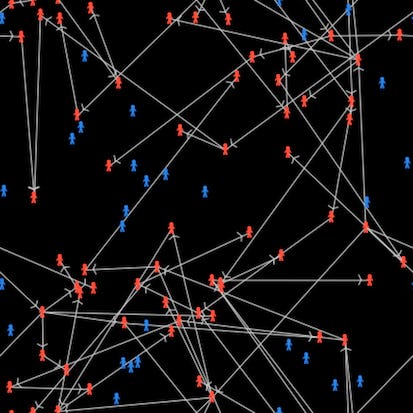
In this 2-hour long project-based course, you will create an agent-based model (ABM) that simulates the spread of a hypothetical virus through close contact between agents in a virtual world. By doing so, you will learn about the wonders of agent-based modeling as a paradigm, as well as the basics of NetLogo - one of the most famous and powerful simulation environments in this realm. One of the beauties of ABM is that we can often observe emergent properties arising from the coded interactions between agents in the simulated world. Therefore, by experimenting with different interaction rules and parameters, we can gain an intuitive understanding of the underlying dynamics of varied complex phenomena. Such skills are extremely valuable for any decision making position, as well as for education, especially in a world where interconnectivity seems to be ubiquitous. In this way, this model and project are highly attuned to the global pandemic that we’re facing due to the spread of the Coronavirus. Note: This course works best for learners who are based in the North America region. We’re currently working on providing the same experience in other regions.Auto Summary
Dive into the exciting world of agent-based modeling with the "Introduction to Agent-based Modeling with NetLogo" course on Coursera. Perfect for beginners and decision-makers, this 2-hour project-based course will guide you through creating a model that simulates the spread of a hypothetical virus through agent interactions in a virtual environment. You'll explore the fundamentals of NetLogo, a powerful simulation tool, and gain insights into the dynamic behaviors that emerge from simple coded interactions. Designed to enhance your intuitive understanding of complex phenomena, this course offers invaluable skills applicable in various fields, especially relevant in today's interconnected world and the context of global pandemics. Although optimized for learners in North America, efforts are underway to expand access to other regions. Engage in this free, beginner-level course and harness the power of agent-based modeling to make informed decisions and enrich educational experiences.
Buy Now Free
- Level Foundation
- المدة 1 ساعات hours
-
Offered by
عن
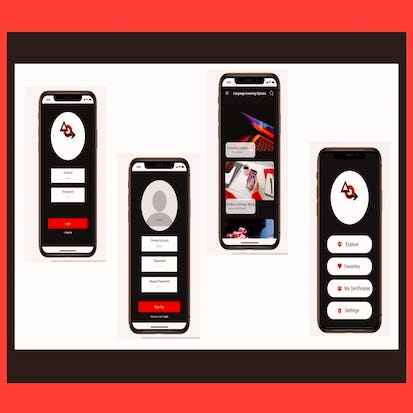
What was the app that you used today? Picture it in your mind, and now think about how that app was developed. You use apps in your everyday life. Now is the chance for you to experience the process an app goes through to be developed. In this project, you will use Wondershare Mockitt to design and develop an app, going from a prototype to an app that you can share with others.Auto Summary
"Design an App with Mockitt" is a beginner-friendly course by Coursera focused on app development. Over one hour, you will learn to create apps using Mockitt, enhancing your personal development skills. Ideal for novices, the course is free and offers a practical insight into app design.