

Buy Now Free

- Level Foundation
- المدة 3 ساعات hours
-
Offered by

عن
In this one-hour, project-based course, you'll learn how to use Unity's built-in Player Preferences to store, load, and reset your game's data. You'll learn the different ways in creating clean code when it comes to manipulating the game's data, using Inheritance and Abstraction. You'll also learn the types of data Player Prefs consider and how we can use them to expand the data to manipulate. The guided project will introduce you to the following Unity concepts: - Player Preferences - Inheritance - Abstraction This project also makes use of the sci fi-themed Unity project created in Create UI in Unity Part 3 - Settings Menu. This compliments this guided project and, although not a prerequisite, is recommended for a more well-rounded understanding of the concepts presented herein. Note: This course works best for learners who are based in the North America region. We’re currently working on providing the same experience in other regions.Auto Summary
Discover the essentials of game data management with the "Save Game Settings with PlayerPrefs in Unity" course, designed specifically for personal development in game development. This engaging, one-hour, project-based course guides you through the process of using Unity's Player Preferences to efficiently store, load, and reset your game's data. Under the expert instruction provided by Coursera, you will delve into creating clean and maintainable code using key programming principles like Inheritance and Abstraction. Additionally, you will explore the various data types that Player Preferences can handle and learn how to leverage them to enhance your game's functionality. Key concepts covered include: - Player Preferences - Inheritance - Abstraction This course also incorporates elements from the sci-fi-themed Unity project from "Create UI in Unity Part 3 - Settings Menu," offering a richer, more comprehensive learning experience. While this prior knowledge is beneficial, it is not a mandatory prerequisite. Aimed at foundational-level learners, this course is ideal for those looking to solidify their understanding of game data manipulation in Unity. With a duration of just 120 minutes, it fits seamlessly into a busy schedule. Currently optimized for learners in North America, efforts are underway to extend the same high-quality experience to other regions. Join the Starter subscription to embark on this educational journey and enhance your game development skills with Unity today!

Client Intake, Assessments, Skill Analysis and Planning
You have begun your journey toward becoming a Career Coach or Navigator because you are passionate about helping people earn a good living and find fulfilling work. Now continue that journey in this second course in the Career Coach and Navigator Professional Certificate. This course will equip you with the skills and knowledge to recruit people, complete the intake process, assess a person’s skills, and work with the person to create an action plan. By the end of the course, you will be able to: 1. Assist people in career exploration and development. 2.
Monthly Subscription Starting at AED 99 + VAT

- Level Foundation
- المدة 19 ساعات hours
- الطبع بواسطة Goodwill Industries International
-
Offered by
عن
You have begun your journey toward becoming a Career Coach or Navigator because you are passionate about helping people earn a good living and find fulfilling work. Now continue that journey in this second course in the Career Coach and Navigator Professional Certificate. This course will equip you with the skills and knowledge to recruit people, complete the intake process, assess a person’s skills, and work with the person to create an action plan. By the end of the course, you will be able to: 1. Assist people in career exploration and development. 2. Help people identify personal interests that map to career goals and career possibilities. 3. Inform people of the programs, services, and resources available to them. 4. Identify barriers to employment. 5. Assist people in planning career moves and developing essential skills to help them be successful in the workforce. 6. Guide people towards sustainable career paths. 7. Assist people who desire to pursue a career, make a career change, or work towards career advancement. To be successful in this course, no prior experience with career coaching or navigation is required; but we recommend completing the first course in the program so you can build on the knowledge and skills from that course here.الوحدات
Recruitment and Outreach Activities
-
 7
Videos
7
Videos
-
 2
Readings
2
Readings
-
 1
Discussion
1
Discussion
-
 1
Assignment
1
Assignment
 1
Assignment
1
Assignment
- Recruitment and Outreach Strategies Quiz
1
Discussions
- What virtual or digital outreach methods will you try?
7
Videos
- Introduction to Career Coach and Navigator Professional Certificate
- Introduction to Client Intake, Assessments, Skill Analysis and Planning
- What Are Outreach and Recruitment?
- Community Events
- The Power of Street Outreach/Grassroots Recruitment
- Working with External Partners
- Presentation Skills
2
Readings
- Welcome to the Course
- Virtual/Digital Outreach Case Study
Marketing and Recruiting
-
5
Videos
-
2
Readings
-
3
Discussion
-
1
Assignment
1
Assignment
- Strategies for Marketing and Recruiting Quiz
3
Discussions
- What recruitment strategies do you use?
- What are some ways that you can build engagement with your audience?
- How will you analyze and track data?
5
Videos
- Recruitment Strategies
- Agility in Recruitment
- Use of Technology Tools in Marketing and Recruitment
- Building Engagement
- Analyzing Recruitment Data
2
Readings
- Recruiting Adult Learners and Non-Traditional Students
- Tracking Results Case Study
Five Sector Framework
-
3
Videos
-
2
Readings
-
2
Discussion
-
1
Assignment
1
Assignment
- Recruiting, Marketing and Outreach Quiz
2
Discussions
- What is your strategy for developing partnerships?
- What types of career connections will you work toward?
3
Videos
- The Five Sectors Overview
- Partnerships
- Networking
2
Readings
- Understanding How the Five Sectors Work
- Maintaining Connections
Client Intake
-
3
Videos
-
2
Readings
-
2
Discussion
-
1
Assignment
1
Assignment
- The Client Intake Process Quiz
2
Discussions
- What will you do to ensure success in managing your client load?
- How will you cultivate trust and safety with your clients?
3
Videos
- Setting Appointments
- Managing Client Load
- Establishing Rapport and Building Credibility
2
Readings
- Techniques for Establishing Rapport
- Cultivating Trust and Safety Case Study
Finalizing and Applying the Coaching Agreements
-
3
Videos
-
3
Readings
-
2
Discussion
-
1
Assignment
1
Assignment
- Implementing Coaching Agreements Quiz
2
Discussions
- At what points on the client's journey do you anticipate providing the most support?
- What time management issues have you experienced?
3
Videos
- Embodying a Coaching Mindset
- Understanding the Client’s Journey
- Establishing and Maintaining the Coaching Agreement
3
Readings
- How to Apply the Coaching Mindset
- Exploring the Client’s Interests and Motivations
- Coaching Agreement Best Practices
Project and Case Management
-
4
Videos
-
2
Readings
-
2
Discussion
-
1
Assignment
1
Assignment
- Client Intake and Business Processes Quiz
2
Discussions
- What project and case management strategies resonated most with you?
- How will ensure your clients' information remains confidential?
4
Videos
- Project and Case Management Skills
- Taking Comprehensive Case Notes
- PII and Privacy
- Report Writing and Data Entry
2
Readings
- Data Security Policies and Confidentiality
- Time Management
Client Interviews
-
5
Videos
-
2
Readings
-
3
Discussion
-
1
Assignment
1
Assignment
- Client Interview Skills Quiz
3
Discussions
- How will you build trust with clients?
- What helped you uncover your career goals?
- How will you apply criticial thinking to help clients discover their skills and career goals?
5
Videos
- Conducting Client Interviews
- Uncovering Client Career Goals
- Defining the Client’s Skills
- Critical Thinking
- Evoking Awareness
2
Readings
- Building Trust Case Study
- How to Uncover Client Career Goals
Career Assessments
-
7
Videos
-
1
Readings
-
2
Discussion
-
1
Assignment
1
Assignment
- Using Career Assessments Effectively Quiz
2
Discussions
- So many assessments! How do you maintain trust and rapport?
- Which assessments would select, and how will you use the analysis results?
7
Videos
- Career Development Assessments
- Personality Assessments
- Skill and Behavioral Assessments
- Educational Assessments
- Interest and Aptitude Assessments (O*NET)
- Population and Career Specific Assessment
- Interpreting Assessments
1
Readings
- Deciding Which Assessments to Use
Client Needs Assessment and Gap Analysis
-
6
Videos
-
1
Readings
-
2
Discussion
-
1
Assignment
1
Assignment
- Skills Assessment and Analysis Quiz
2
Discussions
- How will you help clients identify their skills gaps?
- How would you use the LMI to align the client's skills with the right career?
6
Videos
- Skill, Credential, and Competencies Analyses
- Skill Gap Analysis Strategies
- Understanding Job Market Skill Requirements
- Using Labor Market Information (LMI)
- Identifying Transferable Skills
- Conducting a Needs Assessment
1
Readings
- Aligning Skills to Career Goals Case Study
Planning and Goal Setting
-
3
Videos
-
1
Readings
-
2
Discussion
-
1
Assignment
1
Assignment
- Helping Clients Plan and Set Goals Quiz
2
Discussions
- How would you help the client develop a plan to achieve their goal?
- Create a SMART goal for yourself
3
Videos
- Career Planning Processes
- Breaking Goals Into Manageable Steps
- Developing Service Plans
1
Readings
- Writing SMART Goals
Designing Actions
-
5
Videos
-
2
Readings
-
1
Discussion
-
1
Assignment
1
Assignment
- Designing Actions for Client Success Quiz
1
Discussions
- What are some additional ways to help clients overcome barriers?
5
Videos
- Brainstorming with the Client
- Exploring Career Options with Clients
- Identifying Resources to Overcome Barriers
- Financial Literacy, Planning and Counseling
- Communication Tips for Discussion Financial Plans with Clients
2
Readings
- Creating and Communicating Financial Plans Case Study
- How would you encourage the client to follow the financial plan?
Facilitate Progress and Accountability
-
3
Videos
-
2
Readings
-
1
Discussion
-
1
PeerReview
-
1
Assignment
1
Assignment
- Designing for Actions and Accountability Quiz
1
Peer Review
- Assessing Skills and Career Planning
1
Discussions
- How will you adjust the coaching plan and keep the client on track?
3
Videos
- Adjusting the Coaching Plan
- The Power of Offering Encouragement and Celebrating Successes
- Setting Up Touchpoints for Accountability
2
Readings
- Keeping Clients on Track Case Study
- Case Study
Auto Summary
Embark on your journey as a Career Coach or Navigator with this comprehensive course in Personal Development. Led by Coursera, it focuses on client intake, assessments, skill analysis, and planning. Over 1140 minutes, you'll gain essential skills to assist individuals in career exploration, identify career goals, inform about resources, and plan career moves. Perfect for beginners, the course requires no prior experience but benefits from completing the program's first course. Available with a Starter subscription, it's designed for those passionate about guiding others toward fulfilling, sustainable careers.

Psychological First Aid
Learn to provide psychological first aid to people in an emergency by employing the RAPID model: Reflective listening, Assessment of needs, Prioritization, Intervention, and Disposition. Utilizing the RAPID model (Reflective listening, Assessment of needs, Prioritization, Intervention, and Disposition), this specialized course provides perspectives on injuries and trauma that are beyond those physical in nature.
Monthly Subscription Starting at AED 99 + VAT

- Level Foundation
- المدة 7 ساعات hours
- الطبع بواسطة Johns Hopkins University
-
Offered by
عن
Learn to provide psychological first aid to people in an emergency by employing the RAPID model: Reflective listening, Assessment of needs, Prioritization, Intervention, and Disposition. Utilizing the RAPID model (Reflective listening, Assessment of needs, Prioritization, Intervention, and Disposition), this specialized course provides perspectives on injuries and trauma that are beyond those physical in nature. The RAPID model is readily applicable to public health settings, the workplace, the military, faith-based organizations, mass disaster venues, and even the demands of more commonplace critical events, e.g., dealing with the psychological aftermath of accidents, robberies, suicide, homicide, or community violence. In addition, the RAPID model has been found effective in promoting personal and community resilience. Participants will increase their abilities to: - Discuss key concepts related to PFA - Listen reflectively - Differentiate benign, non-incapacitating psychological/ behavioral crisis reactions from more severe, potentially incapacitating, crisis reactions - Prioritize (triage) psychological/ behavioral crisis reactions - Mitigate acute distress and dysfunction, as appropriate - Recognize when to facilitate access to further mental health support - Practice self-care Developed in collaboration with Johns Hopkins Open Education Lab.الوحدات
Welcome
-
5
Readings
-
1
Discussion
1
Discussions
- PFA & Your Goals
5
Readings
- Welcome to Psychological First Aid
- Course enrollment options
- Syllabus
- Pre-Course Survey
- The Johns Hopkins Guide to Psychological First Aid
Module 1: Introduction to PFA
-
3
Videos
3
Videos
- Module 1 Introduction
- Lecture 1: Terms and Concepts
- Lecture 2: Historical Context
Simulation
-
1
Videos
1
Videos
- Full simulation video
Module 2: Reflective Listening/Rapport
-
3
Videos
3
Videos
- Module 2 Introduction
- Lecture 3: Reflective Listening & Rapport
- Lecture 4: How Reflective Listening Works
Simulation
-
2
Videos
2
Videos
- Reflective Listening & Rapport Vignette A
- Reflective Listening & Rapport Vignette B
Assessment
-
1
Assignment
1
Assignment
- Modules 1 & 2 Quiz
Module 3: Assessment
-
2
Videos
2
Videos
- Module 3 Introduction
- Lecture 5: Assessment of Needs
Simulation
-
2
Videos
2
Videos
- Assessment Vignette A
- Assessment Vignette B
Module 4: Prioritization
-
3
Videos
-
1
Discussion
1
Discussions
- "Beyond The Ashes" Response
3
Videos
- Module 4 Introduction
- Lecture 6: Prioritization
- Beyond the Ashes
Simulation
-
2
Videos
2
Videos
- Prioritization Vignette A
- Prioritization Vignette B
Assessment
-
1
Assignment
1
Assignment
- Modules 3 & 4 Quiz
Module 5: Intervention
-
2
Videos
2
Videos
- Module 5 Introduction
- Lecture 7: Intervention
Simulation
-
2
Videos
2
Videos
- Intervention Vignette A
- Intervention Vignette B
Module 6: Disposition
-
2
Videos
2
Videos
- Module 6 Introduction
- Lecture 8: Disposition
Simulation
-
3
Videos
3
Videos
- Disposition Vignette A
- Disposition Vignette B
- Follow-Up Vignette
Assessment
-
1
Assignment
1
Assignment
- Modules 5 & 6 Quiz
Module 7: Self-Care and Wrap-Up
-
3
Videos
3
Videos
- Module 7 Introduction
- Lecture 9: Self-Care
- Lecture 10: Summary
Assessment
-
1
Assignment
1
Assignment
- Module 7 Quiz
Closing Remarks
-
1
Videos
-
1
Readings
1
Videos
- Closing Remarks
1
Readings
- Post-Course Survey
Auto Summary
"Psychological First Aid" is a foundational course focused on providing psychological support during emergencies using the RAPID model (Reflective listening, Assessment of needs, Prioritization, Intervention, and Disposition). Ideal for those in public health, workplaces, military, faith-based groups, and more, it covers handling trauma beyond physical injuries. Led by Coursera in collaboration with Johns Hopkins Open Education Lab, the course runs for 7 hours and is available via a Starter subscription, targeting individuals looking to enhance their mental health support skills.
Buy Now Free
- Level Foundation
- المدة 3 ساعات hours
-
Offered by
عن
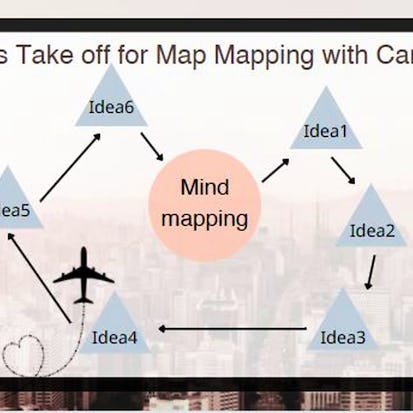
By the end of this project, you will be able to leverage attention management tools to facilitate meetings and ensure focus on high-priority items. To do this, you will gain hands-on experience utilizing attention management features and visualizing priorities in the Miro online visual collaboration platform for teamwork. Note: This course works best for learners who are based in the North America region. We’re currently working on providing the same experience in other regions.Auto Summary
Enhance your meeting facilitation skills with "Leverage Attention Management to Facilitate Meetings in Miro." This beginner-level course from Coursera focuses on using attention management tools to prioritize high-value tasks during meetings. Perfect for personal development, it offers 180 minutes of insightful content and is available for free. Ideal for those looking to improve their productivity and meeting efficiency.
Buy Now Free

- Level Foundation
- المدة 3 ساعات hours
-
Offered by
عن
In this 2-hour long project-based course, you will learn how to In this project, you will look up templates for a resume and cover letter on the LibreOffice website and customize them using LibreOffice. We will first review the basic parts of a resume then dive into finding templates, loading them into LibreOffice, and customizing them. We will lay out sections of the resume with tables and manipulate those tables, changing text styles, adding page numbers, and adding references using a table. Finally, we will print the document and save it to a file such as a PDF so it can be shared to a potential new employer. Note: This course works best for learners who are based in the North America region. We’re currently working on providing the same experience in other regions.Auto Summary
Enhance your personal development skills with the "Create a Resume or Curriculum Vitae with LibreOffice" course on Coursera. In just 2 hours, beginners can learn to find and customize resume and cover letter templates using LibreOffice. This project-based course is free, making it an excellent opportunity for anyone looking to improve their job application materials.

Data calculations in Microsoft Excel
By the end of this project, you will create a free account on Microsoft 365, will get access to Microsoft Excel, you will create a table with data that you will later be able to manipulate to calculate sums, average amounts, percentages, and also calculate with certain criteria. Your new skills will help you efficiently manipulate data and operate with formulas that can help make more efficient management decisions in the future.
Buy Now Free

- Level Foundation
- المدة 1 ساعات hours
- الطبع بواسطة Coursera
-
Offered by
عن
By the end of this project, you will create a free account on Microsoft 365, will get access to Microsoft Excel, you will create a table with data that you will later be able to manipulate to calculate sums, average amounts, percentages, and also calculate with certain criteria. Your new skills will help you efficiently manipulate data and operate with formulas that can help make more efficient management decisions in the future.الوحدات
Your Learning Journey
-
1
Readings
-
 1
Plugin
1
Plugin
-
 1
Lab
1
Lab
-
1
Assignment
1
Assignment
- Assess Your Knowledge
1
Labs
- Data calculations in Microsoft Excel
1
Readings
- Project Overview
Auto Summary
"Data Calculations in Microsoft Excel" is a beginner-level course offered by Coursera, focusing on personal development. Led by expert instructors, this one-hour course guides you through creating a free Microsoft 365 account, accessing Excel, and building tables to perform calculations such as sums, averages, and percentages. Enhance your data manipulation skills and improve decision-making efficiency with this free and accessible course, perfect for those looking to boost their Excel proficiency.

Risk in Modern Society
Risk has become one of the defining features of modern society. Almost daily, we are preoccupied with assessing, discussing, or preventing a wide variety of risks. It is a cornerstone notion for businesses and organizations, but also for nation states and their many levels of government. And even for individuals, risk and the avoidance or embracing thereof, is a key theme. The course Risk in Modern Society sheds light on the broad concept of risk.
Monthly Subscription Starting at AED 99 + VAT
- Level Foundation
- المدة 11 ساعات hours
- الطبع بواسطة Universiteit Leiden
-
Offered by
عن
Risk has become one of the defining features of modern society. Almost daily, we are preoccupied with assessing, discussing, or preventing a wide variety of risks. It is a cornerstone notion for businesses and organizations, but also for nation states and their many levels of government. And even for individuals, risk and the avoidance or embracing thereof, is a key theme. The course Risk in Modern Society sheds light on the broad concept of risk. In five distinctive weeks, this course closely examines various types of safety and security risks, and how these are perceived and dealt with in a wide array of professional and academic fields, ranging from criminology, counter-terrorism and cyber security, to philosophy, safety and medical science. Developed in collaboration with scholars from three universities (Leiden, Delft and Erasmus), this course will search for answers to questions such as: “what is risk?”, “how do we study and deal with risk?”, “does ‘perceived risk’ correspond to 'real' risk?”, and “how should we deal with societal perceptions of risk, safety and security?الوحدات
Introduction
-
1
Videos
-
1
Readings
-
1
Discussion
1
Discussions
- Introduce yourself
1
Videos
- How to succeed in your online class?
1
Readings
- Meet the Instructors & Leiden•Delft•Erasmus
Week 1: The History and Study of Risk
-
3
Videos
-
2
Readings
3
Videos
- Lecture 1.1 The History of Risk
- Lecture 1.2 The Study of Risk: Security Studies
- Lecture 1.3 The Study of Risk: Safety Science
2
Readings
- The History of Risk
- The Study of Risk
Quiz Time
-
1
Assignment
1
Assignment
- The History and Study of Risk
Risk Management Approach
-
1
Videos
-
1
Readings
1
Videos
- Lecture 2.1 Risk Management
1
Readings
- Risk Management
Risk of Natural Hazards
-
2
Videos
-
1
Readings
2
Videos
- Lecture 2.2 Risk of Natural Hazards
- Lecture 2.3 Risk of Natural Hazards / Part II
1
Readings
- The Risk of Natural Hazards
Risk in the Chemical Industry
-
2
Videos
-
1
Readings
2
Videos
- Lecture 2.4 Risk in the Chemical Industry
- Lecture 2.5 Risk in the Chemical Industry / Part II
1
Readings
- Risks in the Chemical Industry
Assessing Risk Management
-
1
Videos
-
1
Readings
-
1
Discussion
1
Discussions
- Risk Management
1
Videos
- Lecture 2.6 Risk Management: Strengths and Weaknesses
1
Readings
- Risk Management: Strengths and Weaknesses
Quiz Time
-
1
Assignment
1
Assignment
- Managing Risk
Risk Perception
-
1
Videos
-
1
Readings
-
1
Discussion
1
Discussions
- Discussion: Your Perception of Risk
1
Videos
- Lecture 3.1 Risk Perception
1
Readings
- Risk Perception
Risk of Terrorism
-
2
Videos
-
1
Readings
2
Videos
- Lecture 3.2 Risk of Terrorism
- Lecture 3.3 Risk of Terrorism / Part II
1
Readings
- The Risk of Terrorism
Risk of Violent Crime
-
2
Videos
-
1
Readings
2
Videos
- Lecture 3.4 Risk of Violent Crime
- Lecture 3.5 The Risk of Violent Crime / Part II
1
Readings
- The Risk of Violent Crime
Do You Know Basic Global Facts?
-
1
Discussion
1
Discussions
- Gapminder Test: Discuss your Results
Peer Review Assignment
-
1
Discussion
-
1
PeerReview
1
Peer Review
- Peer Review Assignment: Risk Perception
1
Discussions
- Your Perception of Risk
An Alternative Approach to Risk
-
1
Videos
-
2
Readings
1
Videos
- Lecture 3.6 Risk and Moral Emotions
2
Readings
- Risk and Moral Emotions
- Further Readings
Global Challenges
-
1
Videos
-
1
Readings
1
Videos
- Lecture 4.1 Modern-day Risk: Global Challenges
1
Readings
- Modern-day Risk: Global Challenges
Risks in Cyber Space
-
2
Videos
-
1
Readings
2
Videos
- Lecture 4.2 Risks in Cyberspace
- Lecture 4.3 Risks in Cyberspace / Part II
1
Readings
- Risks in Cyberspace
Risk of Hospital Acquired Infections
-
2
Videos
-
1
Readings
2
Videos
- Lecture 4.4 Risk of Hospital Acquired Infections
- Lecture 4.5: Risk of Hospital Acquired Infections / Part II
1
Readings
- The Risk of Hospital Acquired Infections
Risk of Infectious Diseases
-
3
Videos
-
1
Readings
3
Videos
- Lecture 4.6 Risk of Infectious Diseases
- Lecture 4.7 Risk of Infectious Diseases / Part II
- Lecture 4.8 The Risk of Infectious Diseases / Part III
1
Readings
- The Risk of Infectious Diseases
Quiz Time
-
1
Assignment
1
Assignment
- Modern-day Risks: Global Challenges
Risk in Modern Society
-
1
Videos
-
1
Readings
-
1
Discussion
1
Discussions
- Risk in your life
1
Videos
- Lecture 5.1 Risk in Modern Society
1
Readings
- Risk in Modern Society
Final Quiz
-
1
Assignment
1
Assignment
- Risk in Modern Society
One last thing...
-
1
Readings
1
Readings
- Risk: Want to Learn More?
Auto Summary
Discover the intricate concept of risk with the "Risk in Modern Society" course, designed for personal development. Over five weeks, explore safety and security risks through criminology, counter-terrorism, cyber security, and more. Developed by experts from Leiden, Delft, and Erasmus universities, this foundational course by Coursera delves into the perception and management of risk in modern society. Ideal for individuals and professionals seeking to understand and address various types of risks. Available with a Starter subscription.
Fundamentals of Speechwriting
Fundamentals of Speechwriting is a course that enhances speechwriting skills by deepening learners’ understanding of the impact of key elements on developing coherent and impactful speeches. It is aimed at learners with experience writing and speaking who wish to enhance their current skills. This course covers strategies for analyzing audience and purpose, selecting style and tone, and incorporating rhetorical appeals and storytelling. Learners will craft openings and closings, build structured outlines, review effective rehearsal techniques, and examine methods for editing and revising.
Monthly Subscription Starting at AED 99 + VAT

- Level Foundation
- المدة 2 ساعات hours
- الطبع بواسطة Coursera
-
Offered by
عن
Fundamentals of Speechwriting is a course that enhances speechwriting skills by deepening learners’ understanding of the impact of key elements on developing coherent and impactful speeches. It is aimed at learners with experience writing and speaking who wish to enhance their current skills. This course covers strategies for analyzing audience and purpose, selecting style and tone, and incorporating rhetorical appeals and storytelling. Learners will craft openings and closings, build structured outlines, review effective rehearsal techniques, and examine methods for editing and revising. This comprehensive course prepares participants to deliver powerful and persuasive speeches. By the end of this course, learners will be able to: -Identify the elements of speechwriting -Identify common advanced writing techniques for speeches -Identify the parts of a structured speech outline -Identify the role of speech rehearsal, editing, and revising in speechwritingالوحدات
Welcome to Fundamentals of Speechwriting
-
1
Videos
-
1
Readings
1
Videos
- Welcome to Fundamentals of Speechwriting
1
Readings
- Welcome
Developing a Speech
-
3
Videos
-
1
Assignment
1
Assignment
- New Quiz
3
Videos
- Asking "Who?" and "Why?"
- The Best Way to Say It
- Appealing to Your Audience
Writing a Speech
-
3
Videos
-
1
Assignment
1
Assignment
- Writing a Speech
3
Videos
- Where to Start?
- Connecting Your Ideas
- Wrapping Up
Refining a Speech
-
3
Videos
-
2
Assignment
2
Assignment
- Refining a Speech
- Final Assessment
3
Videos
- The Power of Practice
- Editing vs. Revising
- Pulling it All Together
Auto Summary
**Fundamentals of Speechwriting** Unlock the art of crafting compelling and persuasive speeches with the *Fundamentals of Speechwriting* course. Perfect for individuals looking to refine their speechwriting skills, this course dives deep into the essentials of creating coherent and impactful speeches. Ideal for those with prior experience in writing and speaking, this course is designed to elevate your proficiency. Led by Coursera, this personal development course covers crucial strategies to analyze your audience and purpose, choose the right style and tone, and effectively use rhetorical appeals and storytelling. You will learn to craft compelling openings and closings, build structured outlines, and master rehearsal techniques. Additionally, the course includes methods for thorough editing and revising, ensuring your speech is polished to perfection. Upon completion, you will be adept at: - Recognizing essential elements of speechwriting - Employing advanced writing techniques - Structuring speech outlines - Understanding the importance of rehearsal, editing, and revising in speechwriting This foundational course spans 120 minutes and is available through Starter and Professional subscription plans. Whether you’re looking to enhance your current abilities or gain new insights into effective speechwriting, this course is tailored to help you deliver powerful and persuasive speeches. Join now and take your speechwriting skills to the next level!
Get started with Jira
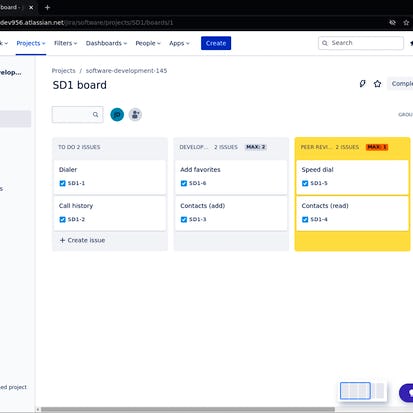
In this project you will create your first project in Jira using a Kanban board for agile methodology, creating issues, epics and tasks, setting up WIP limits, building a roadmap sharing work with team members and managing the workflow with transitions.
Buy Now Free
- Level Foundation
- المدة 3 ساعات hours
- الطبع بواسطة Coursera
-
Offered by
عن
In this project you will create your first project in Jira using a Kanban board for agile methodology, creating issues, epics and tasks, setting up WIP limits, building a roadmap sharing work with team members and managing the workflow with transitions.الوحدات
Your Learning Journey
-
1
Videos
-
2
Readings
-
1
Plugin
-
1
Lab
-
1
Assignment
1
Assignment
- Assess Your Knowledge
1
Labs
- Get started with Jira
1
Videos
- Welcome to Your Guided Project
2
Readings
- Project Overview
- Community Discussion Forum
Auto Summary
"Get started with Jira" is an engaging beginner-level course in the Personal Development domain, offered by Coursera. The course focuses on creating and managing projects using Jira's Kanban board for agile methodology. Learners will gain hands-on experience in creating issues, epics, and tasks, setting WIP limits, building roadmaps, sharing work with team members, and managing workflows with transitions. With a duration of 180 minutes and available for free, this course is perfect for those new to Jira aiming to enhance their project management skills.
Monthly Subscription Starting at AED 99 + VAT
- Level Foundation
- المدة 12 ساعات hours
- الطبع بواسطة Technical University of Munich (TUM)
-
Offered by
عن
Our streetscape, despite its feeling of permanence in our environment, is an ideal venue for experimentation. We have come to accept traffic movement as the default function for the street. Therefore, we need to rethink its design and space distribution, go back to its original and basic function and see them as public spaces - Transform them into places for social activities, where conversations can take place and places where kids can play. This course shows you examples of remarkable changes and gives you a toolbox for implementing and evaluating street experiments yourself. We invite you on this journey to reimagine what is possible if we dare to use our public space differently.الوحدات
Welcome to the Course!
-
1
Videos
-
3
Readings
1
Videos
- What will this course be about? A four-week overview
3
Readings
- About this Course
- About EIT Urban Mobility
- Street Experiments Course Roadmap
The Transformative Potential of Streets
-
3
Videos
-
4
Readings
3
Videos
- Introduction: The need of experimenting with streets
- The Pandemic as a Street Experiment
- Why should we experiment with streets?
4
Readings
- Main Takeaways: The Pandemic as a Street Experiment
- Urban Streets between Public Space and Mobility
- Urban mobility and public space. A challenge for the sustainable liveable city of the future
- Introduction to the final assignment
Placemaking as Experimentation
-
1
Videos
-
1
Readings
-
2
Plugin
1
Videos
- Shaping Urban Mobility, an Automaker's Surprising Perspective
1
Readings
- A Street You Go To, Not Just Through: Principles for Fostering Streets as Places
Wrapping up Week 1
-
1
Readings
-
1
Assignment
1
Assignment
- Understanding the Street as Public Space
1
Readings
- Week 1 in a nutshell
Week 2 Introduction
-
1
Videos
1
Videos
- Introduction: Getting to know Street Experiments
From “streets for traffic” to “streets for people”
-
2
Videos
-
1
Readings
2
Videos
- 4 Types of Street Experiments by Luca Bertolini, Part 1
- 4 Types of Street Experiments by Benjamin Büttner, Part 2
1
Readings
- From “streets for traffic” to “streets for people”: can street experiments transform urban mobility?
Architecting Change
-
3
Plugin
Wrapping up Week 2
-
1
Readings
-
1
Assignment
1
Assignment
- Getting to know Street Experiments
1
Readings
- Week 2 in a nutshell
Making Successful Street Experiments
-
1
Videos
-
1
Readings
1
Videos
- Introduction: Implementing Street Experiments
1
Readings
- Enhancing the Value of Urban Spaces by Re-Shaping Mobility: What Makes Street Experiments Successful?
Experiments in Action: Learning from Cities
-
3
Videos
-
1
Readings
3
Videos
- Experimenting with Streets in Munich, Germany - Melanie Grötsch
- Experimenting with Streets in Milan - Rossella Ferorell
- Experimenting with Streets in Stuttgart - Jesús Martínez
1
Readings
- The Wisdom of Practitioners in Munich, Milan, and Stuttgart
Wrapping up Week 3
-
1
Readings
-
1
Assignment
1
Assignment
- Key aspects of successful Street Experiments
1
Readings
- Week 3 in a nutshell
Turning Experiments into Change
-
2
Videos
-
1
Readings
2
Videos
- Introduction: From evaluation to systemic change
- Evaluating Street Experiments
1
Readings
- From temporary arrangements to permanent change: Assessing the transitional capacity of city street experiments.
Upscaling Impact
-
3
Videos
-
1
Readings
3
Videos
- Experimentation, participation, & the right to reimagine the city Lior Steinberg (Humankind)
- Five Essential Characteristics of Street Experiments
- Experiencing Piazza Zenetti in Munich, Germany
1
Readings
- Making great strides: Learning from the revolution on Milan's post pandemic streets
Wrapping up Week 4
-
1
Readings
-
1
PeerReview
-
1
Assignment
1
Assignment
- From temporary arrangements to systemic change
1
Peer Review
- Reflections about Street Experiments
1
Readings
- Week 4 in a nutshell
Auto Summary
Explore how to transform streets into vibrant public spaces with "Street Experiments for Sustainable and Resilient Cities." This foundational course in Personal Development, offered by Coursera, provides practical tools and inspiring examples for reimagining urban environments. Ideal for those passionate about sustainable city design, the course spans 720 minutes and is available through Starter and Professional subscriptions. Join now to learn from experts and rethink the potential of our streetscapes.