


Managing Debt
This course is aimed at anyone who has debt, is thinking of taking on debt, or wants to better understand debt as part of your overall financial picture. It covers a variety of debt types, as well as debt payment options. The course will help you assess your current debt situation and understand the paths to paying off your debt. This includes categories such as mortgages, credit card debt, and student loans. Learn how to differentiate between good and bad debt, as well as how to think about debt as you work towards your financial goals.
Monthly Subscription Starting at AED 99 + VAT

- Level Foundation
- المدة 8 ساعات hours
- الطبع بواسطة SoFi
-
Offered by

عن
This course is aimed at anyone who has debt, is thinking of taking on debt, or wants to better understand debt as part of your overall financial picture. It covers a variety of debt types, as well as debt payment options. The course will help you assess your current debt situation and understand the paths to paying off your debt. This includes categories such as mortgages, credit card debt, and student loans. Learn how to differentiate between good and bad debt, as well as how to think about debt as you work towards your financial goals. This course is geared towards learners in the United States of America.الوحدات
Diving Into the Basics of Debt
-
 4
Videos
4
Videos
-
 1
Readings
1
Readings
-
 1
Assignment
1
Assignment
 1
Assignment
1
Assignment
- Correctly Identify Different Types of Debt
4
Videos
- How Debt Works
- Debt - Interest, APR and Fees
- Debt Amortization
- Getting Ready to Apply for a Loan
1
Readings
- Welcome to Managing Debt
Assessing Your Debt
-
3
Videos
-
1
Readings
-
1
Assignment
1
Assignment
- Different Ways Interest Can be Calculated
3
Videos
- Types of Debt
- Good Debt vs. Bad Debt
- Measuring and Assessing Your Debt
1
Readings
- Activity - Categorize and Prioritize Your Debt
Comparing the Different Types of Mortgages
-
5
Videos
-
1
Readings
-
2
Assignment
2
Assignment
- Home Affordability
- Types of Mortgages
5
Videos
- Mortgage Basics
- Key Mortgage Ratios
- Mortgage Amortization
- Types of Mortgages - Part 1
- Types of Mortgages - Part 2
1
Readings
- Understanding the Different Types of Mortgage Loans
Accessing Equity and Refinancing Your Mortgage
-
3
Videos
-
1
Readings
-
2
Assignment
2
Assignment
- Mortgage Components and Payments
- Mortgage Refinancing
3
Videos
- Top 5 Mortgage Mistakes
- HELOCS and HELs
- Refinancing Home Loans
1
Readings
- Cash-Out Refinance 101: How Cash-out Refinancing Works
Module Quiz
-
1
Assignment
1
Assignment
- Understanding the Basics of Debt and Home Loans
Understanding the Types of Student Loans
-
2
Videos
-
2
Readings
-
1
Assignment
1
Assignment
- Student Loans
2
Videos
- Student Loan Basics
- Federal Student Loans
2
Readings
- Federal Student Loan Basics
- Private Student Loan Basics
Choosing Repayment Approaches
-
4
Videos
-
1
Assignment
1
Assignment
- Student Loan Payment Options
4
Videos
- Student Loan Repayment Basics
- Federal Student Loan Repayment Options
- Student Loan Forgiveness Programs
- Student Loan Deferment & Forbearance
Consolidating and Refinancing Student Loans
-
2
Videos
-
1
Readings
-
1
Assignment
1
Assignment
- Student Loan Refinancing
2
Videos
- Private Student Loans
- Refinancing Student Loans
1
Readings
- Student Loan Options: What is Refinancing vs Consolidation?
Module Quiz
-
1
Assignment
1
Assignment
- Addressing Student Loan Debt
Understanding the Basics of Credit Cards
-
3
Videos
-
1
Readings
-
1
Assignment
1
Assignment
- Credit Card Basics
3
Videos
- Types of Credit Cards
- How Credit Cards Work
- Credit Card Balance Transfers
1
Readings
- How Do Credit Card Payments Work?
Comparing Different Types of Credit Cards
-
1
Videos
-
1
Readings
-
1
Assignment
1
Assignment
- Components of Credit Cards
1
Videos
- 6 Tips of Maximizing Credit Card Rewards
1
Readings
- Understanding Credit Card Rewards
Using Credit Cards Responsibly
-
2
Videos
-
1
Assignment
1
Assignment
- Credit Card Repayment Options
2
Videos
- Managing Your Credit Cards
- Keeping Credit Card Debt in Check
Managing Other Types of Debt
-
3
Videos
-
1
Readings
-
2
Assignment
2
Assignment
- Other Debts
- Types of Debt
3
Videos
- Auto Loans
- 4 Tips for Getting the Best Auto Loan for You
- Personal Loans
1
Readings
- The Problem with Payday Loans
Module Quiz
-
1
Assignment
1
Assignment
- Managing Credit Cards and Other Debt
Developing an Understanding of Your Debt
-
2
Videos
-
1
Readings
-
1
Assignment
1
Assignment
- Debt Repayment
2
Videos
- Using the Good Debt/Bad Debt Framework to Prioritize Your Debt
- Debt Paydown in the Context of Your Next Money Move
1
Readings
- Summary of Good Debt Types, Bad Debt Types, & Prioritization
Choosing a Debt Paydown Strategy
-
4
Videos
-
1
Readings
-
1
Assignment
1
Assignment
- Paying Down Debt
4
Videos
- Paying Down Debt
- The Snowball Method
- The Avalanche Method
- The Fireball Method
1
Readings
- How to Pay Off Debt in 9 Steps
Implementing a Debt Paydown Plan
-
3
Readings
3
Readings
- Creating a Debt Reduction Plan
- Activity - Credit Card Payoff Calculator
- Putting Your Debt Paydown Strategy into Action
Module Quiz
-
1
Assignment
1
Assignment
- Paying Down Debt Strategically
Auto Summary
"Managing Debt" is an essential course designed to empower individuals with the knowledge and strategies needed to effectively manage and understand debt within their financial landscape. Led by Coursera, this foundational course dives into various types of debt, including mortgages, credit card debt, and student loans, providing clear insights into debt payment options and the differentiation between good and bad debt. With a focus on helping learners assess their current debt situations, the course aims to equip participants with practical tools to create a plan for paying off debt and achieving financial goals. Tailored specifically for those in the United States, this course is an invaluable resource for anyone currently in debt, considering taking on debt, or simply looking to enhance their financial literacy. The course spans 480 minutes of comprehensive content and is available through Coursera's subscription plans, including Starter and Professional options. Ideal for individuals at the foundational level of personal finance, "Managing Debt" is your gateway to mastering debt management and securing a healthier financial future.
Buy Now Free
- Level Professional
- المدة 2 ساعات hours
-
Offered by
عن
In this 1-hour long project-based course, you will learn how to create Neural Networks in the Deep Learning Framework PyTorch. We will creating a Convolutional Neural Network for a 10 Class Image Classification problem which can be extended to more classes. We will start off by looking at how perform data preparation and Augmentation in Pytorch. We will be building a Neural Network in Pytorch. We will add the Convolutional Layers as well as Linear Layers. We will then look at how to add optimizer and train the model. Finally, we will test and evaluate our model on test data. The project will get you introduced with Pytorch. You will in the end understand how the framework works and get you started with building Neural Networks in Pytorch. Note: This course works best for learners who are based in the North America region. We’re currently working on providing the same experience in other regions.Auto Summary
Learn to build Neural Networks using PyTorch in this 1-hour project-based course focused on fashion image classification. Ideal for those in North America, this course covers data preparation, augmentation, model training, and evaluation. Taught by Coursera, it's perfect for professionals looking to dive into deep learning with CNNs. Available with a Starter subscription.

Speaking and Presenting: Conversation Starters
This course will teach you how to build persuasive surprises into your presentations, the kind of surprises that will change how your audience sees a particular situation or proposal and then gets them talking—in a good way. It will also identify several techniques you can use to start (and maintain) your own conversations, whether with a big group, a small group, or even just one-on-one.
Monthly Subscription Starting at AED 99 + VAT

- Level Foundation
- المدة 10 ساعات hours
- الطبع بواسطة University of Michigan
-
Offered by
عن
This course will teach you how to build persuasive surprises into your presentations, the kind of surprises that will change how your audience sees a particular situation or proposal and then gets them talking—in a good way. It will also identify several techniques you can use to start (and maintain) your own conversations, whether with a big group, a small group, or even just one-one-one.الوحدات
Be Surprising, in a Convincing Way
-
1
Videos
-
5
Readings
1
Videos
- Be Surprising, in a Convincing Way
5
Readings
- Meet Professor Barry
- Teaching Style and Resources
- Syllabus
- University of Michigan Survey
- Community Engagement Rules
P-R-O-D-U-C-T Element: Unexpected
-
3
Videos
-
6
Readings
-
1
Assignment
1
Assignment
- Low-Stakes Practice
3
Videos
- E. M. Forster
- Un-Numb the Numbers
- Include a Little Mischief
6
Readings
- Bill Gates—Microsoft, Mosquitos, and Malaria
- Steve Jobs—Apple and Envelopes
- Un-Numb the Numbers (Optional)
- Popcorn
- Ice Water (Richard Feynman)
- (Optional) Chapter 5—Unexpected
Speaking Stats: Conversation Geography
-
1
Readings
-
 1
Discussion
1
Discussion
1
Discussions
- Speaking Stats ("Conversation Geography")
1
Readings
- Speaking Stats ("Conversation Geography")
Edits Our Edits
-
1
Readings
1
Readings
- Edit our Edits
Speaking Stories: Unexpected
-
3
Videos
-
1
Readings
3
Videos
- Babble
- Rip it Out
- Sojourner Truth
1
Readings
- (Optional) Class Clips
Recap and Review
-
1
Discussion
-
1
Assignment
1
Assignment
- Week 1 Review
1
Discussions
- Recap
Speaking Studies: Unexpected
-
3
Videos
-
1
Assignment
1
Assignment
- Low-Stakes Practice
3
Videos
- Peek-a-Boo Pedagogy
- Star at Work
- Cautionary Note
Speaking Exercise: Supreme Surprise
-
1
Readings
-
1
Discussion
1
Discussions
- "Supreme Surprise"
1
Readings
- Speaking Exercise ("Supreme Surprise")
Speaking Exercise: Strive for Five
-
2
Readings
2
Readings
- Storytime
- Strive for Five
Recap and Review
-
1
Discussion
-
1
Assignment
1
Assignment
- Week 2 Review
1
Discussions
- Recap
P-R-O-D-U-C-T Element: Conversation
-
3
Videos
-
2
Readings
-
1
Assignment
1
Assignment
- Low-Stakes Practice
3
Videos
- Conversation
- Mrs. Bertha Flowers
- Warren Buffett
2
Readings
- (Optional) Chapter 6—Conversation
- Optional Resources: Class Clips
Speaking Stories: Conversation
-
3
Videos
3
Videos
- The Language of Common Life
- Kayaking
- Location. Location. Location
Setting the Stage
-
1
Readings
-
1
Discussion
1
Discussions
- Setting the Stage
1
Readings
- Setting the Stage Video
Good Sentences, Good Speeches: "Broadway Theater"
-
1
Readings
-
1
Discussion
1
Discussions
- Good Sentences, Good Speeches ("Broadway Theater")
1
Readings
- Good Sentences, Good Speeches ("Broadway Theater")
Recap and Review
-
1
Discussion
-
1
Assignment
1
Assignment
- Week 3 Review
1
Discussions
- Recap
Speaking Studies: Conversation
-
3
Videos
-
1
Assignment
1
Assignment
- Low-Stakes Practice
3
Videos
- Conversation Styles
- Conversation Starters
- Mirror Mirror
Listen Up
-
2
Readings
-
1
Discussion
-
1
Assignment
1
Assignment
- Low-Stakes Practice ("Listen Up")
1
Discussions
- Listen Up
2
Readings
- Listen Up
- Ideas + Emotions
Speaking Exercises: Follow-up Questions
-
1
Readings
-
1
Discussion
1
Discussions
- Follow-up Questions
1
Readings
- Speaking Exercise ("Follow-up Questions")
Speaking Exercise: Friendly Advice
-
1
Readings
-
1
Discussion
1
Discussions
- Friendly Advice
1
Readings
- Speaking Exercise ("Friendly Advice")
Speaking Exercise: Talking to Strangers
-
1
Readings
-
1
Discussion
1
Discussions
- Talking to Strangers
1
Readings
- Speaking Exercise ("Talking to Strangers")
Recap and Review
-
1
Discussion
-
1
Assignment
1
Assignment
- Week 4 Review
1
Discussions
- Recap
Course Wrap-Up
-
2
Readings
-
1
Discussion
1
Discussions
- Course Takeaways
2
Readings
- Course Feedback
- "Good with Words: Writing and Editing" and Michigan Online
Auto Summary
Unlock the art of captivating presentations with our "Speaking and Presenting: Conversation Starters" course. Ideal for personal development, this foundational course, taught by Coursera, focuses on building persuasive elements into your presentations, sparking engaging conversations, and changing perceptions. Over 600 minutes, learn techniques to effectively communicate with any audience size. Available through Starter and Professional subscription plans, this course is perfect for anyone looking to enhance their speaking skills.

Negotiation
Do you want the best strategies for building options in a negotiation? Do you need to learn about best alternatives and building a counteroffer? Learn these skills and more from the Negotiation course!
Monthly Subscription Starting at AED 99 + VAT

- Level Foundation
- المدة 7 ساعات hours
- الطبع بواسطة Arizona State University
-
Offered by
عن
Do you want the best strategies for building options in a negotiation? Do you need to learn about best alternatives and building a counteroffer? Learn these skills and more from the Negotiation course!الوحدات
Welcome
-
1
Readings
-
 2
Plugin
2
Plugin
1
Readings
- Welcome to Negotiation!
Identifying negotiation skill sets
-
3
Readings
-
1
Discussion
-
1
PeerReview
-
3
Plugin
1
Peer Review
- Apply the Solution: Identifying negotiation skill sets
1
Discussions
- Reflect on the Solution: Identifying negotiation skill sets
3
Readings
- Practice the Solution: Flexing negotiation skills
- Infographic: Flexing negotiation skills
- Don’t overlook your existing skills: Key Takeaways
Preparing for negotiation
-
3
Readings
-
1
Discussion
-
1
PeerReview
-
3
Plugin
1
Peer Review
- Apply the Solution: Preparing for negotiation
1
Discussions
- Reflect on the Solution: Preparing for negotiation
3
Readings
- Practice the Solution: Planning for various outcomes
- Infographic: Planning for various outcomes
- Advanced preparation takes more than research: Key Takeaways
Processing information and options
-
3
Readings
-
1
Discussion
-
1
PeerReview
-
3
Plugin
1
Peer Review
- Apply the Solution: Processing information and options
1
Discussions
- Reflect on the Solution: Processing information and options
3
Readings
- Practice the Solution: Learning by asking and listening
- Infographic: Learning by asking and listening
- Listen actively and ask purposeful questions: Key Takeaways
Making offers
-
3
Readings
-
1
Discussion
-
1
PeerReview
-
3
Plugin
1
Peer Review
- Apply the Solution: Making offers
1
Discussions
- Reflect on the Solution: Making offers
3
Readings
- Practice the Solution: Making successful offers
- Infographic: Making successful offers
- Practice empathy when making offers: Key Takeaways
Course Conclusion
-
1
Readings
-
1
Plugin
1
Readings
- Final Thoughts
Auto Summary
The Negotiation course on Coursera focuses on personal development, providing strategies for building options, understanding best alternatives, and crafting counteroffers. Taught at a foundational level, this 420-minute course is ideal for anyone looking to enhance their negotiation skills. Subscription options include Starter and Professional plans. Perfect for those aiming to improve their personal and professional negotiation tactics.

Uncommon Sense Teaching: Part 2, Building Community and Habits of Learning
In Part 2 of Uncommon Sense Teaching: Building Community and Habits of Learning, you will explore the following areas more deeply—helping you to connect with the latest insights into research and have fun while you are doing it!
Monthly Subscription Starting at AED 99 + VAT

- Level Professional
- المدة 14 ساعات hours
- الطبع بواسطة Deep Teaching Solutions
-
Offered by
عن
In Part 2 of Uncommon Sense Teaching: Building Community and Habits of Learning, you will explore the following areas more deeply—helping you to connect with the latest insights into research and have fun while you are doing it! • The hidden strengths of neurodiversity: Dyslexia, attention deficit hyperactivity disorder, autism, and other syndromes that relate to learning • The value of forgetting • How to use habits formed by the procedural system to help you with classroom management • Judicious use of rewards to motivate students (too many rewards can de-motivate) • How to avoid educational fads • The power of lesson plans This is like no other course on teaching—it weaves late-breaking insights from neuroscience with personal insights from the classroom to provide unexpected, yet practical, new approaches. You’ll discover how to bring out the best from all your students in today’s diverse teaching environment, where students often have a wide range of abilities. Uncommon Sense Teaching will take your teaching to a higher level for whatever subjects you teach, whether math, physics, literature, dance, art, or anything else; and whether you are teaching K-12, university, business, vocational, or at home. Join us today to move into the new era of education!الوحدات
Week 1, Lesson 1: An Introduction to Motivation & Stress
-
4
Videos
-
3
Readings
-
1
Assignment
1
Assignment
- An Introduction to Motivation & Stress and Brief Review of Material from MOOC 1
4
Videos
- 1: Introduction to Course Two: Building Community and Habits of Learning
- 2: A Hook You Didn’t Even See Coming! Learning, Motivation, and Dopamine
- 3: Don’t Say Boo—Stress and the Power of the Amygdala
- 4: Digging Deeper into Motivation
3
Readings
- Course Syllabus
- Guidance in Applying for Continuing Education or Professional Development Credit
- References, Lesson 1: An Introduction to Motivation & Stress
Week 1, Lesson 2: Digging Deeper into What Teachers Can—and Can’t—Do to Help Students Change and Grow
-
5
Videos
-
1
Readings
-
1
Discussion
-
1
Assignment
1
Assignment
- Working to Help Students Change and Grow, and other Week 1 materials
1
Discussions
- Two contrasting approaches to teaching
5
Videos
- 5: The Disparity Between Intellect and Character
- 6: Good Intentions and Systemic Problems
- 7: A Deeper Look at Efforts to Eradicate Bullying and Other Harmful Behavior
- 8: The Importance of Forgetting in Learning, Life, and Overcoming Stress
- 9: Summary Week 1
1
Readings
- References, Lesson 2: Digging Deeper into What Teachers Can—and Can’t—Do to Help Students Change and Grow
Week 2, Lesson 1: Digging Deeper into the Procedural System
-
5
Videos
-
1
Readings
-
1
Plugin
-
1
Assignment
1
Assignment
- How to Reach and Teach Both Procedural and Declarative Pathways
5
Videos
- 1: Learning without Knowing You Know: Revisiting the Procedural System
- 2: Compression is the Name of the Game!
- 3: Front Doors and Back Doors—Diving Deeper into the Procedural System
- 4: Understanding the Differences Between Declarative and Procedural Learning
- 5: How to Reach and Teach Both Procedural and Declarative Pathways
1
Readings
- References and Key Concepts, Lesson 1: Digging Deeper into the Procedural System
Week 2, Lesson 2: Habits in the Classroom
-
4
Videos
-
1
Readings
-
1
Assignment
1
Assignment
- How to Reach and Teach Both Procedural and Declarative Pathways
4
Videos
- 6: Habits in the Classroom: Be Mindful of What you Want Your Students to do Mindlessly
- 7: Practical Examples of Mindfully Mindless Behaviors, Part 1
- 8: Practical Examples of Mindfully Mindless Behaviors, Part 2
- 9: Summary Week 2
1
Readings
- References and Key Concepts, Week 2, Lesson 2: Habits in the Classroom
Week 3, Lesson 1: Critical Thinking and Intellectual Humility
-
4
Videos
-
1
Readings
-
1
Assignment
1
Assignment
- Critical Thinking and Intellectual Humility
4
Videos
- 1: Race Cars, Hikers, and Intellectual Humility
- 2: Introduction to Critical Thinking from a Neuroscientific Perspective
- 3: Why Critical Thinking Isn’t Easy
- 4: How Difficult It Can Be to “Think Different” as a Teacher
1
Readings
- Week 3, Lesson 1: References, Critical Thinking and Intellectual Humility
Week 3, Lesson 2: Digging Into (and Out Of) Bias and Inflexibility
-
5
Videos
-
1
Readings
-
1
Assignment
1
Assignment
- Intellectual Humility, Critical Thinking, and Bias
5
Videos
- 5: Biases and Fixed Mindsets in Research
- 6: The Challenge of Fixed Mindsets in Expert Educators
- 7: Thinking Consciously and Critically about (and in!) Teams
- 8: Using a Case Study to Teach Students How to Resolve Group Dysfunction
- 9: Summary, Week 3
1
Readings
- References, Lesson 2: Digging Into (and Out Of) Bias and Inflexibility
Week 4, Lesson 1: Neurodiversity
-
3
Videos
-
1
Readings
-
1
Assignment
1
Assignment
- Lesson 1: Neurodiversity
3
Videos
- 1: Dyslexia and Declarative Learning
- 2: Attention Deficit Disorder and Other Syndromes that May Rely More Heavily on Declarative Learning
- 3: Autistic Spectrum and Other Syndromes that May Strengthen Procedural Learning
1
Readings
- References and Key Concepts, Week 4, Lesson 1: Neurodiversity
Week 4, Lesson 2: The Power of Lesson Plans
-
4
Videos
-
1
Readings
-
1
Assignment
1
Assignment
- Final Examination
4
Videos
- 4: Focusing on Your Objectives
- 5: Assessments
- 6: Bell Ringer and Hook
- 7: Main Body and Wrap Up
1
Readings
- References and Key Concepts, Week 4, Lesson 2: The Power of Lesson Plans
Course Wrap Up
-
1
Readings
1
Readings
- Ratings and Where to Go from Here!
Honors Lesson
-
1
PeerReview
1
Peer Review
- Creating a Lesson Plan
Auto Summary
"Uncommon Sense Teaching: Part 2, Building Community and Habits of Learning" is a unique course designed for educators across all subjects and levels. Led by Coursera, it delves into neurodiversity, the value of forgetting, effective classroom management, and more. This 840-minute course blends neuroscience with practical classroom insights to enhance teaching methods. Available through Starter and Professional subscriptions, it’s perfect for K-12, university, business, vocational, and home educators aiming to elevate their teaching strategies. Join today to revolutionize your approach to education!
Lesson Planning with the ELL in Mind
In this course you will learn how to design lesson plans around the needs of your ELL students and their language level through the analysis of content language and cognitive demands. You will learn how to align language objectives to the adopted standards of your school and content area. You will learn how to modify existing course materials as well as develop graphic organizers and languages frames to support ELLs’ access to content.
Monthly Subscription Starting at AED 99 + VAT

- Level Foundation
- المدة 18 ساعات hours
- الطبع بواسطة Arizona State University
-
Offered by
عن
In this course you will learn how to design lesson plans around the needs of your ELL students and their language level through the analysis of content language and cognitive demands. You will learn how to align language objectives to the adopted standards of your school and content area. You will learn how to modify existing course materials as well as develop graphic organizers and languages frames to support ELLs’ access to content. Analysis of second language acquisition theories will be applied to lesson planning. Upon completing this course, you will be able to: * Conceptualize theories of second language acquisition as they apply to the planning of lessons through annotation * Assess the linguistic needs of your students using BICS and CALP * Identify content specific vocabulary, grammatical structures, and language functions necessary for a student to succeed in your classroom * Write language learning outcomes that align to your student’s linguistic and cognitive ability and your school’s adopted standards * Adapt a lesson plan that accomplishes the learning outcomes outlined in the lesson objectives * Modify materials to support ELLs’ access to content * Use a wide variety of graphic organizer templates and language frames to support ELLs’ access to content * Develop activity types appropriate to the cognitive and linguistic abilities of ELLs * Incorporate community and culture into lesson planningالوحدات
Introduction to Course and Theories of Second Language Acquisition
-
2
Videos
-
1
Readings
-
1
Assignment
1
Assignment
- Second Language Acquisition Theory
2
Videos
- Introduction
- Theories of Second Language Acquisition
1
Readings
- Bonus Reading: Why educating ELLs means success for everyone
BICS v. CALP
-
2
Videos
-
1
Readings
2
Videos
- BICS & CALP
- BICS & CALP Scenarios
1
Readings
- Bonus Reading: Teaching academic language
Vocabulary Building for ELLs
-
2
Videos
-
1
Readings
-
1
Assignment
1
Assignment
- Vocabulary
2
Videos
- Vocabulary for ELLs
- Classroom Application-Vocabulary for ELLs
1
Readings
- Bonus Reading: Introducing academic vocabulary to students
Grammar Structures and Language Functions for ELLs
-
2
Videos
-
1
Readings
-
1
Assignment
1
Assignment
- Grammar and Language Structure
2
Videos
- Grammatical Structures and Language Functions
- Classroom Application-Grammar & Language Functions
1
Readings
- Bonus Reading: Grammar and vocabulary: seven ways to help students enjoy grammar
Summary and Lesson Annotation
-
3
Videos
-
1
Readings
-
1
Assignment
1
Assignment
- Module 1 Assessment
3
Videos
- Lesson Annotation
- Summary
- Interview: Developing Literacy Skills with the ELL in Mind
1
Readings
- Lesson Plan Template
Introduction to Module
-
1
Videos
-
1
Readings
1
Videos
- Introduction
1
Readings
- Greetings!
Developing Cognitive Skills
-
2
Videos
-
1
Assignment
1
Assignment
- Cognitive Skills
2
Videos
- Developing Cognitive Skills
- Classroom Application-Cognitive Skills
Developing Learning Skills
-
2
Videos
-
1
Readings
-
1
Assignment
1
Assignment
- Learning Skills
2
Videos
- Developing Learning Skills
- Classroom Application-Learning Skills
1
Readings
- Bonus Reading: What is learner autonomy and how can it be fostered?
Affective Filter
-
2
Videos
-
1
Readings
-
1
Assignment
1
Assignment
- Affective Filter
2
Videos
- Affective Filter
- Classroom Application-Affective Filter
1
Readings
- Bonus Reading: One teacher's quest to build language skills and confidence
Summary and Lesson Annotation
-
3
Videos
-
2
Readings
-
1
Assignment
1
Assignment
- Module 2 Assessement
3
Videos
- Lesson Annotation
- Summary
- Interview: Developing Learner Autonomy & Creating a Welcoming Environment with the ELL in Mind
2
Readings
- Lesson Plan Template
- Bonus Reading: Struggling with English from kindergarten to high school
Introduction to Module
-
1
Videos
-
1
Readings
1
Videos
- Introduction
1
Readings
- Greetings!
Language Genres by Content
-
2
Videos
-
1
Assignment
1
Assignment
- Language Genres
2
Videos
- Language Genres by Content
- Classroom Application-Language Genres
Writing Learning Outcomes
-
2
Videos
-
2
Readings
-
1
Assignment
1
Assignment
- Learning Outcomes
2
Videos
- Writing Learning Outcomes
- Aligning Learning Outcome to Standards
2
Readings
- Bonus Reference: English language development standards
- Bonus Reference: PreK-12 English language proficiency standards
Designing Activities for the ELL in Mind
-
2
Videos
-
1
Readings
-
1
Assignment
1
Assignment
- Activities
2
Videos
- Designing Activities with the ELL in Mind
- Classroom Application-Activities
1
Readings
- Bonus Reading: Fostering student questions: strategies for inquiry-based learning
Summary and Lesson Annotation
-
3
Videos
-
2
Readings
-
1
Assignment
1
Assignment
- Module 3 Assessment
3
Videos
- Lesson Annotation
- Summary
- Interview: Strengthening Lesson Planning with the ELL in Mind
2
Readings
- Lesson Plan Template
- Bonus Reading: New education standards widen achievement gap for English language learners?
Introduction to Module
-
1
Videos
-
1
Readings
1
Videos
- Introduction
1
Readings
- Greetings!
Material Selection
-
1
Videos
-
1
Assignment
1
Assignment
- Material Selection
1
Videos
- Material Selection
Material Adaptation
-
3
Videos
-
1
Assignment
1
Assignment
- Material Adaptation
3
Videos
- Material Adaptation
- Classroom Application-Material Adaptation
- Adapted Text
Activity Types and Lesson Delivery
-
2
Videos
-
2
Readings
-
1
Assignment
1
Assignment
- Activities and Lesson Delivery
2
Videos
- Activity Types
- Lesson Delivery
2
Readings
- Lesson Plan Template
- Bonus Reading: Scaffolding academic language for second language learners
Summary and Lesson Annotation
-
3
Videos
-
1
Readings
-
1
Assignment
1
Assignment
- Module 4 Assessment
3
Videos
- Lesson Plan Annotation
- Summary
- Interview: Best Classroom Practices with the ELL in Mind
1
Readings
- Lesson Plan Template
Introduction to Module
-
1
Videos
-
1
Readings
1
Videos
- Introduction
1
Readings
- Greetings!
Social Studies Lesson Plan
-
1
Videos
-
1
Readings
1
Videos
- Social Studies Lesson Plan Annotation
1
Readings
- Lesson Plan Template
Language Arts Lesson Plan
-
1
Videos
-
1
Readings
1
Videos
- Language Arts Lesson Plan Annotation
1
Readings
- Lesson Plan Template
Math Lesson Plan
-
1
Videos
-
1
Readings
1
Videos
- Mathematics Lesson Plan Annotation
1
Readings
- Lesson Plan Template
Summary and Lesson Annotation
-
2
Videos
2
Videos
- Summary
- Interview: Scaffolding and Lesson Delivery with the ELL in Mind
Final Review
-
1
Videos
-
1
Readings
1
Videos
- Final Review
1
Readings
- Greetings!
Final Assessment
-
1
Readings
-
1
Assignment
1
Assignment
- Final Assessment
1
Readings
- Works Cited for Course
Peer Review (Optional)
-
1
PeerReview
1
Peer Review
- Content Materials Adapted for ELLs
Auto Summary
"Lesson Planning with the ELL in Mind" is a foundational course in Personal Development offered by Coursera. Led by an expert instructor, this comprehensive program helps educators design lesson plans tailored to the needs of ELL students. It covers second language acquisition theories, language objectives alignment, and material modification. The course spans 1080 minutes and offers both Starter and Professional subscription options. Ideal for teachers aiming to enhance their skills in supporting ELLs, it equips them with practical tools like graphic organizers and language frames to ensure effective content access.
Buy Now Free

- Level Professional
- المدة 4 ساعات hours
-
Offered by
عن
In this project, you will learn about creating stakeholder management documents in LibreOffice. You will learn how to identify stakeholders, prioritize the stakeholders, develop a management strategy and monitor stakeholder engagement. Stakeholders play a key role in project and organization success! Note: This course works best for learners who are based in the North America region. We’re currently working on providing the same experience in other regions.Auto Summary
This intermediate-level course on Coursera teaches you to create stakeholder management documents using LibreOffice. Spanning 240 minutes, it offers comprehensive personal development skills for free. Ideal for professionals seeking to enhance their document management expertise.

Computational Fluid Mechanics - Airflow Around a Spoiler
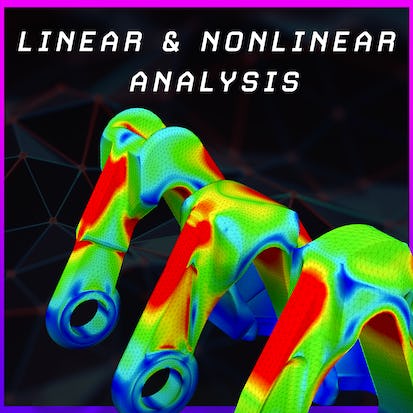
In this hands-on project, you will learn about Computational Fluid Dynamics (CFD) and perform an incompressible fluid flow simulation around a spoiler using the cloud-based simulation tool SimScale. We will set up simulation cases with provided geometries to learn the fundamentals of CFD and how a spoieler simulation is approached and set up in the first place.
Buy Now Free
- Level Foundation
- المدة 3 ساعات hours
- الطبع بواسطة Coursera
-
Offered by
عن
In this hands-on project, you will learn about Computational Fluid Dynamics (CFD) and perform an incompressible fluid flow simulation around a spoiler using the cloud-based simulation tool SimScale. We will set up simulation cases with provided geometries to learn the fundamentals of CFD and how a spoieler simulation is approached and set up in the first place. We will walk through the classical three step process of every simulation which includes the pre-processing, processing and post-processing step. SimScale is an engineering simulation platform that is revolutionizing the way engineers, designers, scientists, and students design products. The SimScale platform is accessible completely via a standard web browser, with an easy-to-use interface which supports numerous simulation types including solid mechanics (FEM), fluid dynamics (CFD) & thermodynamics. This course runs on Coursera's hands-on project platform called Rhyme. On Rhyme, you do projects in a hands-on manner in your browser. You will get instant access to pre-configured cloud desktops containing all of the software and data you need for the project, for this project you need no special setup or any data. Everything is already set up directly in your internet browser so you can just focus on learning! Notes: - This course works best for learners who are based in the North America region. We’re currently working on providing the same experience in other regions.الوحدات
Lesson 1
-
1
Readings
-
1
Plugin
-
 1
Lab
1
Lab
-
1
Assignment
1
Assignment
- New Quiz
1
Labs
- Computational Fluid Mechanics - Airflow Around a Spoiler
1
Readings
- New Reading
Auto Summary
Unlock the fundamentals of Computational Fluid Dynamics (CFD) with our engaging hands-on project, "Computational Fluid Mechanics - Airflow Around a Spoiler." Guided by expert instructors on Coursera's Rhyme platform, you'll learn to simulate incompressible fluid flow using SimScale, a revolutionary cloud-based simulation tool. This foundational course covers pre-processing, processing, and post-processing steps, offering instant access to all necessary software and data through your web browser. Ideal for engineers, designers, scientists, and students in North America, this 120-minute course requires no prior setup and is available with a Starter subscription.
Buy Now Free

- Level Foundation
- المدة 1 ساعات hours
-
Offered by
عن
At the end of this project, you will learn different methods to create your own glossary in Microsoft Word. First, we will manually create a glossary in Microsoft Word and format it. Then, we will learn how to create a glossary inserting hyperlinks and formatting these using Microsoft Word. By learning two different ways of creating a glossary in Microsoft Word, you will be able to choose which type will meet your needs best when creating a glossary. Creating a glossary will allow you to provide explanations for terms to your readers and make your document easier to understand, The goal of this project is to allow you to improve your reader’s experience by creating a glossary at the end of your document containing explanations for different terms and acronyms.Auto Summary
Learn to create your own glossary in Microsoft Word with this beginner-friendly, one-hour course by Coursera. Ideal for personal development, this free course covers various methods to efficiently build a glossary. Perfect for those looking to enhance their document preparation skills.

Mastering Remote Work and Online Study in U.S. in the post-COVID Era
Are you ready for the new, COVID-forced, online learning paradigm? This competency-based, skill-building course will help non-U.S. students, first-generation immigrants, and foreign-born professionals better understand and master American online learning, as well as other U.S. virtual environments, for college and career success. In the post-COVID era, the course can also be very instrumental in assisting U.S.-based institutions in organizing remote learning activities for their current or prospective international students.
Monthly Subscription Starting at AED 99 + VAT
- Level Foundation
- المدة 24 ساعات hours
- الطبع بواسطة The State University of New York
-
Offered by
عن
Are you ready for the new, COVID-forced, online learning paradigm? This competency-based, skill-building course will help non-U.S. students, first-generation immigrants, and foreign-born professionals better understand and master American online learning, as well as other U.S. virtual environments, for college and career success. In the post-COVID era, the course can also be very instrumental in assisting U.S.-based institutions in organizing remote learning activities for their current or prospective international students. The current pandemic has disrupted the world of higher education and work as we know it. Many thousands of international students and professionals can no longer travel internationally at will and must now learn how to effectively study and work remotely. To excel in American online learning and work environments, international students and foreign-born professionals need to know how American universities and companies use the Internet to organize study and work, develop and execute projects, communicate ideas, collaborate, and solve organizational and technical problems. By taking this course, you will learn how to enhance your cultural knowledge and assess potential skill gaps that may hinder your online experience or negatively impact your performance in U.S. virtual learning and work environments. Throughout the course you will systematically review competencies required for online work, come to better understand common barriers for non-native students and professionals, learn how to detect and overcome competency gaps, and develop plans for self-improvement and success. We believe that you will find the course useful and gain new knowledge and skills to become more successful in your remote study/work in the U.S. The course was previously offered as iMOOC101 and iMOOC102 "Mastering American e-Learning". We have updated it to reflect the new realities of the Post (well, not yet!)-COVID era. We will be glad if you could share your own experiences in navigating the new world of remote teaching, learning, and work.الوحدات
Introduction
-
5
Videos
-
2
Readings
-
1
Assignment
1
Assignment
- Do you need this course? Take this self-assessment practice quiz!
5
Videos
- The iMOOC: What this course is about
- Meet Alex, the Global Web-Surfer
- How this course works
- Capstone Project (video and text descriptions)
- Bonus interview: International students in American online courses
2
Readings
- How this course works
- How I can contribute
What would you do if you were the only non-U.S. student in an all-American online classroom?
-
6
Videos
-
2
Assignment
2
Assignment
- Week 1 Self-assessment
- Week 1 Lesson 2 practice quiz: Barriers and competencies
6
Videos
- Alex: How does it work, actually?
- The problem that we are trying to solve in this course
- How to use a competency-based approach to overcome barriers
- What is uniquely American in U.S.-based online education?
- Bonus lecture: The anatomy of a U.S.-style, student-centered, online learning environment
- Bonus interview: A faculty perspective on working with international students in online environments
What you should know about U.S. online education
-
10
Videos
-
3
Readings
-
1
Assignment
1
Assignment
- Week 1 Lesson 3 Practice Quiz: U.S. online education
10
Videos
- Alex: What do you want to know about the online classroom in the U.S.?
- Classroom navigation
- Getting help
- Student information center
- Student services
- Disability services
- The U.S. academic system
- Academic qualifications and degrees
- Bonus lecture: The philosophy of American education
- Bonus lecture: The methodology of American education
3
Readings
- Navigating the online classroom
- Important skills for online learners
- Tips for success in the online environment
Capstone Project Task #1
-
1
Readings
1
Readings
- Week 1 Learning journal
Week 1 review
-
1
Assignment
1
Assignment
- Week 1 Final quiz: Barriers to U.S. online education
Introduction to Week 2
-
1
Videos
1
Videos
- Introduction to technology, language, and culture
Technology-related barriers
-
5
Videos
-
4
Readings
-
1
Assignment
1
Assignment
- Week 2: Lesson 1 Practice Quiz
5
Videos
- The basics of technology for American e-Learning
- Getting through, obtaining information, using systems
- Refining working skills
- Using e-Learning infrastructure
- Bonus Interview: A Faculty Perspective on Technology-Related Barriers
4
Readings
- The basics of technology for American e-Learning
- Getting through, obtaining information, using systems
- Refining working skills
- Using e-Learning infrastructure
Language barriers
-
1
Videos
-
2
Readings
-
1
Assignment
1
Assignment
- Week 2: Lesson 2 Practice Quiz
1
Videos
- Introduction to language and culture
2
Readings
- Language barriers in eLearning
- eLearning vocabulary and other support services
Understanding culture and dealing wih cross-cultural barriers
-
5
Videos
-
4
Readings
-
1
Assignment
1
Assignment
- Week 2: Lesson 3 Practice Quiz
5
Videos
- An International Faculty Perspective 1
- An International Faculty Perspective 2
- Culture in general and culture shock
- Some critical cross-cultural skills
- Conclusion to language and culture
4
Readings
- Introduction to culture and culture shock
- Avoiding stereotyping and using generalizations
- Some critical cross-cultural skills
- Basics of American society and culture
Capstone Project Task #2
-
1
Readings
-
1
Assignment
1
Assignment
- Week 2 Self assessment
1
Readings
- Week 2 Learning journal
Week 2 review
-
1
Assignment
1
Assignment
- Week 2 Final Quiz: Technology, Language, Culture
The American online classroom
-
5
Videos
-
4
Readings
-
1
Assignment
1
Assignment
- Week 3: Lesson 1 Practice quiz
5
Videos
- Introduction to Week 3
- Understanding the American Education System - A student's perspective
- The Role of the Online Instructor
- American Culture in the Classroom - A student's perspective
- Understanding the Philosophies Behind American Education - A student's perspective
4
Readings
- Entering the American Classroom
- Student Roles and the Learning Environment
- Faculty Roles
- Classroom Culture
The online environment
-
4
Videos
-
3
Readings
-
1
Assignment
1
Assignment
- Week 3: Lesson 2 Practice quiz
4
Videos
- Participating in Classroom Discussions - A student's perspective
- Overcoming Language Barriers - A student's perspective
- Communicating With Your Instructor - A student's perspective
- The Online Learning Environment
3
Readings
- Addressing Faculty
- Class Discussions
- Intercultural and Cross-Cultural Communication
A brief survival guide
-
4
Videos
-
8
Readings
-
1
Assignment
1
Assignment
- Week 3: Lesson 3 Practice quiz
4
Videos
- Online library
- Evaluating Information Sources for Audience and Purpose
- Narrowing Your Topic
- Your Research Question and Thesis Statement
8
Readings
- Becoming a Better Writer
- The Varieties and Purposes of Writing
- Audience
- The Writing Process
- Scholarly vs. Popular Sources
- Thesis or Claim
- Essay structure
- Tone, Diction, and Mechanics
Capstone Project Task #3
-
1
Readings
-
1
Assignment
1
Assignment
- Week 3 Self assessment
1
Readings
- Week 3 Learning journal
Week 3 review
-
1
Assignment
1
Assignment
- Week 3 Final quiz: The U.S. Academic System
Employability skills
-
10
Videos
-
4
Readings
-
1
Assignment
1
Assignment
- Week 4: Lesson 1 Practice quiz
10
Videos
- What are employability skills?
- Self-management: Introduction
- What is self-management and its importance in online learning?
- What is problem solving and why is it important?
- What is self-directed learning?
- Employability skills - An interview with Sam Conn
- What is needed for new hires in the US?
- How can you be successful in online classes?
- Bonus video: How can you successfully compete in US environment and importance of pre-requisite courses for classes
- Bonus video: International students in online environments
4
Readings
- Self-management
- Problem solving
- Creativity
- Self-directed learning
Leadership, teamwork, and ethics in the U.S. professional context
-
8
Videos
-
2
Readings
-
1
Assignment
1
Assignment
- Week 4: Lesson 2 Practice quiz
8
Videos
- Leaders and followers (Case animation 1)
- Leaders and followers (Case animation 2)
- Leaders and followers (Case animation 3)
- Leading and working in a virtual team
- What are the competencies required to successfully navigate the American professional environment and what is needed to be successful in the US workforce?
- An example of participation in a U.S.-based virtual team
- A case scenario of a foreign national in the US: Is it an ethical behavior? (Case animation 4)
- Ethical leadership in the US context
2
Readings
- Leadership in the U.S.
- Teamwork and Ethics in U.S.-based professional environment
Professional contexts in specific areas
-
5
Videos
-
1
Readings
-
1
Assignment
1
Assignment
- Week 4: Lesson 3 Practice quiz
5
Videos
- Professional contexts in specific areas: Introduction
- The importance of pre-requisites
- Getting acquainted with the U.S.-based working environment
- How can you better transition to a U.S.-based professional environment
- A case scenario of a foreign national facing a dilemma about seeking legal help in a U.S.-based workplace (Case animation 5)
1
Readings
- Pre-requisites, professional culture and legal contexts in the US based work environments
Capstone Project Task #4
-
1
Readings
-
1
Assignment
1
Assignment
- Week 4 Self-assessment
1
Readings
- Week 4 Learning journal
Week 4 review
-
1
Assignment
1
Assignment
- Week 4 Final quiz: U.S. Professional Contexts
The Capstone Project
-
1
Readings
-
1
PeerReview
1
Peer Review
- The Capstone Project: Your Plan for Self-Improvement
1
Readings
- Overview for the Capstone Project: A Plan for Self-Improvement
Take the end-of-the-course survey
-
1
Readings
1
Readings
- End-of-the-course survey
International students share their experiences in U.S. online environments
-
3
Videos
3
Videos
- Stefan Van der Vyver, South Africa
- Iman Sedighi, Iran
- Irina Zakharova, Russia
About this course
-
2
Readings
2
Readings
- Course Developers and Contributors
- Re-use of Course Materials
Auto Summary
Unlock the secrets to thriving in the U.S. virtual learning and work environments with the "Mastering Remote Work and Online Study in U.S. in the post-COVID Era" course. Designed specifically for non-U.S. students, first-generation immigrants, and foreign-born professionals, this foundational course empowers learners to navigate the challenges of American online education and remote work effectively. Guided by expert instructors, you'll delve into the intricacies of how U.S. universities and companies leverage the Internet for study, project development, communication, and collaboration. The course addresses common barriers faced by non-native participants and provides strategies to bridge competency gaps, ultimately enhancing your cultural knowledge and online performance. Over 1440 minutes of engaging content, you'll systematically build the skills necessary for success in the post-pandemic landscape, with actionable insights into self-improvement and professional development. This course is available through Coursera under a starter subscription, offering you flexible access to invaluable resources and community support. Whether you're an international student, a foreign-born professional, or part of a U.S.-based institution looking to better support your international cohorts, this course is your gateway to mastering remote learning and work in the U.S. Join us and transform your virtual experience into a pathway to academic and career success!