

Buy Now Free
- Level Professional
- المدة 2 ساعات hours
-
Offered by

عن
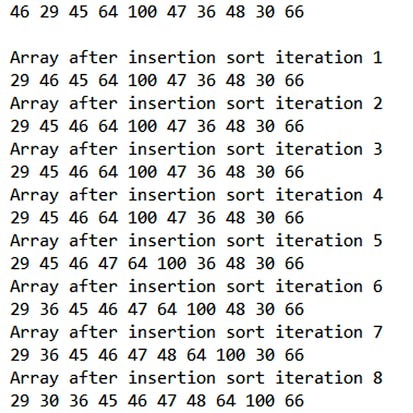
The learner will create two sorting algorithms in Java programming language. The learner will create an optimised bubble sort function that sorts students' marks in ascending order by repeatedly swapping adjacent elements within an array if they are in the wrong order. The learner will also create an insertion sort function that sorts students' marks in ascending order by building a sorted array, one element at a time.Auto Summary
Enhance your Java programming skills by learning to create and implement bubble and insertion sorting algorithms in this intermediate-level, 120-minute course on Coursera. Perfect for personal development, the course is free to access and guided by expert instructors. Ideal for developers looking to deepen their understanding of sorting techniques.
Buy Now Free
- Level Foundation
- المدة 3 ساعات hours
-
Offered by
عن
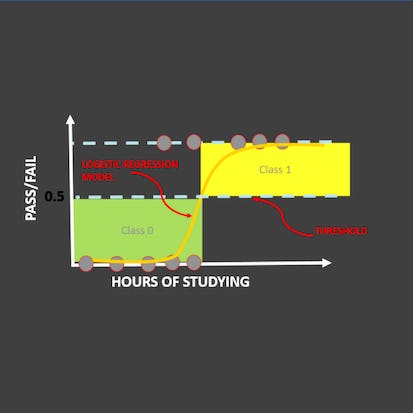
In this hands-on project, we will train Logistic Regression and XG-Boost models to predict whether a particular person earns less than 50,000 US Dollars or more than 50,000 US Dollars annually. This data was obtained from U.S. Census database and consists of features like occupation, age, native country, capital gain, education, and work class. By the end of this project, you will be able to: - Understand the theory and intuition behind Logistic Regression and XG-Boost models - Import key Python libraries, dataset, and perform Exploratory Data Analysis like removing missing values, replacing characters, etc. - Perform data visualization using Seaborn. - Prepare the data to increase the predictive power of Machine Learning models by One-Hot Encoding, Label Encoding, and Train/Test Split - Build and train Logistic Regression and XG-Boost models to classify the Income Bracket of U.S. Household. - Assess the performance of trained model and ensure its generalization using various KPIs such as accuracy, precision and recall. Note: This course works best for learners who are based in the North America region. We’re currently working on providing the same experience in other regions.Auto Summary
Discover "Logistic Regression 101: US Household Income Classification," a comprehensive course in Personal Development led by expert instructors. Dive into Logistic Regression and XG-Boost models using U.S. Census data to predict income levels. Learn essential Python libraries, data visualization, and model evaluation techniques over 120 minutes. Ideal for North American learners, with a Starter subscription available on Coursera, this foundational course equips you with practical skills in data analysis and machine learning.

Teaching Reluctant Writers
All educators will encounter students who struggle with writing. This course first focuses on the reasons student writers may be reluctant and then provides learners with a variety of strategies and practices to help reluctant writers develop a greater comfort and confidence with writing. Learners will examine classroom relationships, mentoring, scaffolding, conferencing, low-risk writing and mini-lessons, all tools and techniques that can be brought right into the classroom to help struggling writers increase student participation and success in writing.
Monthly Subscription Starting at AED 99 + VAT

- Level Foundation
- المدة 15 ساعات hours
- الطبع بواسطة Johns Hopkins University
-
Offered by
عن
All educators will encounter students who struggle with writing. This course first focuses on the reasons student writers may be reluctant and then provides learners with a variety of strategies and practices to help reluctant writers develop a greater comfort and confidence with writing. Learners will examine classroom relationships, mentoring, scaffolding, conferencing, low-risk writing and mini-lessons, all tools and techniques that can be brought right into the classroom to help struggling writers increase student participation and success in writing. They'll conduct their own study of one reluctant writer and use their learning to help create a plan for teaching reluctant writers in their current and future classrooms.الوحدات
Understanding Reluctant Writers
-
 11
Videos
11
Videos
-
 3
Readings
3
Readings
-
 1
Discussion
1
Discussion
-
 1
PeerReview
1
PeerReview
-
 1
Assignment
1
Assignment
1
Assignment
- Understanding Reluctant Writers
1
Peer Review
- Case Study Step One
1
Discussions
- Your Response to Writing Territories
11
Videos
- Teaching Writing Specialization Welcome Video
- Teaching Reluctant Writers Course Welcome Video
- Responding to Your Fellow Learners
- Module 1 Welcome Video
- Why are Some Writers reluctant?
- Why Some Writers are Reluctant, Part 2
- Reluctant Writer Case Study
- The Benefits of Daily Writing
- Writing Territories
- The Value of Writing Territories
- Low-stakes Writing
3
Readings
- Instructions for Your Reluctant Writer Case Study
- Freewriting
- Madman Architect Carpenter Judge
Engaging Reluctant Writers
-
8
Videos
-
6
Readings
-
3
Discussion
-
1
PeerReview
-
1
Assignment
1
Assignment
- Mini-lessons, Vygotsky and Scaffolding
1
Peer Review
- Your Case Study Update
3
Discussions
- Daybooks
- Mentor Texts
- Scaffolding
8
Videos
- Module 2 Welcome
- Daybooks
- Mentor Texts and Reluctant Writers
- Mini-Lessons and Reluctant Writers
- The Importance of Asking Questions: A Mini-Lesson Example
- Conjunctions: Another Sample Mini-lesson
- Vygotsky and the ZPD
- Scaffolding
6
Readings
- "Ten Strategies to Engage Reluctant Writers"
- More Strategies
- How Daybooks Helped My Students
- Using a Daybook to Promote Student Learning
- Scaffolding
- To Read More About Scaffolding
Empowering Reluctant Writers
-
5
Videos
-
3
Readings
-
1
Discussion
-
2
PeerReview
-
1
Assignment
1
Assignment
- Empowering Reluctant Writers
2
Peer Review
- Analyzing a Student Conference
- Your Case Study Conclusions
1
Discussions
- Apply Your Learning
5
Videos
- Module Welcome
- Student Conferences
- Students' Role in Conferencing
- Reflection and Reluctant Writers
- The Value of an Authentic Audience
3
Readings
- Observing a Student Conference
- 5-Minute Conferences
- Authentic Audiences
Auto Summary
"Teaching Reluctant Writers" is a foundational course in Personal Development offered by Coursera, aimed at educators tackling students who struggle with writing. It explores causes of reluctance and offers strategies like mentoring, scaffolding, and low-risk writing to boost confidence. The 900-minute course includes practical tools for classroom application, suitable for teachers seeking to enhance student participation and success. Subscription options include Starter and Professional plans.
Monthly Subscription Starting at AED 99 + VAT
- Level Foundation
- المدة 12 ساعات hours
- الطبع بواسطة University of Colorado System
-
Offered by
عن
In this course, you will learn about the history of LGBTQ+ issues in education and develop strategies for building more inclusive learning environments for students, teachers, and community members. This course will provide you with insights and equip you with strategies for exploring inclusion for lesbian, gay, bisexual, transgender, and queer or questioning learners in your specific professional context. Throughout the videos, reading assignments, and additional resources we’ve provided, you’ll be exposed to a range of concepts and techniques for enhancing LGBTQ+ inclusion. You’ll be challenged to integrate those concepts and techniques in your practice as an educator. We’ve created this course for anybody who’s interested in learning more about LGBTQ+ identities and experiences. We specifically designed it for educators who want to explore issues related to LGBTQ+ inclusion in their classrooms. Whether you’re brand new to this topic or you’ve been thinking and talking about LGBTQ+ issues for most of your life, we hope you’ll learn and grow as you work through this class.الوحدات
Meet the Instructors
-
3
Videos
-
1
Readings
3
Videos
- Jacob McWilliams, PhD
- Daryl Boyd
- Suraj Uttamchandani, PhD
1
Readings
- Get help and meet other learners. Join your Community!
Introduction to Terminology and Issues
-
1
Videos
-
1
Readings
1
Videos
- Gender Pronouns and Why They Matter
1
Readings
- Course Disclaimer
LGBTQ+ Allyship, Accomplices, and Advocates
-
1
Videos
-
1
Readings
1
Videos
- Allyship, Accomplices, and Advocates
1
Readings
- Allyship, Accomplices, and Advocates
What Queer Means To Me
-
1
Videos
-
1
Readings
1
Videos
- What Queer Means To Me
1
Readings
- What Queer Means To Me
Allyship is Hard: Dr. Brenda J. Allen's Experience
-
1
Videos
-
1
Readings
1
Videos
- Dr. Brenda J. Allen on Allyship
1
Readings
- Dr. Brenda J. Allen on Allyship
Building Your Ally Toolbox
-
1
Videos
-
1
Readings
1
Videos
- Building Your Ally Toolbox
1
Readings
- Building Your Ally Toolbox
Reflections On Privilege
-
5
Videos
-
1
Readings
5
Videos
- Reflections On Privilege - Part 1
- Reflections On Privilege - Part 2
- Reflections On Privilege - Part 3
- Reflections On Privilege - Part 4
- Reflections On Privilege - Part 5
1
Readings
- Reflections On Privilege
Back To The Ally Toolbox
-
1
Videos
-
1
Readings
1
Videos
- Back To The Ally Toolbox
1
Readings
- Back To The Ally Toolbox
Allyship and Advocacy Assessment
-
1
Assignment
1
Assignment
- Allyship and Advocates Assessment
Learning While Queer: A History of LGBTQ+ People In Schools
-
1
Videos
-
1
Readings
1
Videos
- History in Schools
1
Readings
- History in School
It Gets Better? The Current Climate For LGB+ Students
-
1
Videos
-
1
Readings
1
Videos
- Current Circumstances
1
Readings
- Current Circumstances
It Gets Better? Part 2: The Current Climate For Transgender and Nonbinary Students
-
1
Videos
-
1
Readings
1
Videos
- Trans and Nonbinary Contemporary Experiences in School
1
Readings
- Trans and Nonbinary Contemporary Experiences in School
"I'm Calling The (Gender) Police": How Communities Reinforce Gender Norms
-
1
Videos
-
1
Readings
1
Videos
- Gender Policing
1
Readings
- Gender Policing
Reframing Bullying As A Systemic Issue
-
1
Videos
1
Videos
- Reframing Bullying As a Systemic Issue
#wejustneedtopee: An LGBTQ+ Inclusion Scenario
-
1
Videos
-
1
Readings
1
Videos
- An LGBTQ+ Inclusion Scenario
1
Readings
- An LGBTQ+ Inclusion Scenario
LGBTQ+ Experiences in Schools Assessment
-
1
Assignment
1
Assignment
- LGBTQ+ Experiences in Schools Assessment
Strategy 1: Be Present, Be Visible
-
1
Videos
-
1
Readings
1
Videos
- Contemporary Practices in LGBTQ+ Inclusion
1
Readings
- Contemporary Practices in LGBTQ+ Inclusion
Strategy 2: Honor Students' Names and Pronouns
-
1
Readings
1
Readings
- Honor Students' Names and Pronouns
Strategy 3: Start or Support a GSA
-
1
Videos
-
1
Readings
1
Videos
- Gay Straight Alliance (GSA)
1
Readings
- GSA
Strategy 4: Learn About and Help Revise LGBTQ+ Inclusive School Policies
-
1
Videos
-
1
Readings
1
Videos
- School Policies
1
Readings
- School Policies
Strategy 5: Never Stop Learning
-
1
Videos
1
Videos
- Never Stop Learning
Showing up for LGBTQ+ Students: Five Strategies Assessment
-
1
Assignment
1
Assignment
- Showing up for LGBTQ+ Students: Five Strategies Assessment
Building an LGBTQ+ Inclusive Classroom: Evaluating and Refining Your Curriculum
-
1
Videos
-
1
Readings
1
Videos
- Evaluating and Refining Your Curriculum
1
Readings
- Evaluating and Refining Your Curriculum
What LGBTQ+ Folks Have To Offer: Some Resource-Based Approaches
-
1
Videos
1
Videos
- Reviewing Resources Based Approaches
Out In Science: A Case Study In LGBTQ+ Inclusion
-
1
Videos
-
1
Readings
1
Videos
- A Case Study In LGBTQ+ Inclusion
1
Readings
- A Case Study In LGBTQ+ Inclusion
You Need To Start Somewhere: The Additive Level of LGBTQ+ Inclusion
-
1
Videos
-
1
Readings
1
Videos
- The Additive Level of LGBTQ+ Inclusion
1
Readings
- The Additive Level of LGBTQ+ Inclusion
When Addition Isn't Sufficient: Transforming Your Curriculum For LGBTQ+ Inclusion
-
1
Videos
-
1
Readings
1
Videos
- Transforming Your Curriculum
1
Readings
- Transforming Your Curriculum
Working Toward a More Inclusive World: Social Action for LGBTQ+
-
1
Videos
-
1
Readings
1
Videos
- Working Toward a More Inclusive World
1
Readings
- Working Toward a More Inclusive World
Curriculum Development for Inclusion Assessment
-
1
Assignment
1
Assignment
- Curriculum Development for Inclusion Assessment
Designing Your Path Toward LGBTQ+ Inclusion: Plan, Implement, Evaluate, Report, and Repeat
-
1
Videos
-
1
Readings
1
Videos
- Designing Your Path
1
Readings
- Designing Your Path
Asking Important Questions: Curriculum Revision As a Research Project
-
1
Videos
1
Videos
- Asking Important Questions
Implement, Evaluate, Report, and Repeat: Using Your Research To Guide Your Teaching
-
1
Videos
1
Videos
- Using Your Research To Guide Your Teaching
Conclusion: What's Next For LGBTQ+ Inclusion
-
1
Videos
1
Videos
- What's Next For LGBTQ+ Inclusion
Your Future as an LGBTQ+ Inclusive Educator Assessment
-
1
Assignment
1
Assignment
- Your Future as an LGBTQ+ Inclusive Educator Assessment
Auto Summary
"Queering the Schoolhouse: LGBTQ+ Inclusion for Educators" is a foundational course on Coursera, designed to help educators create inclusive learning environments. Led by expert instructors, it covers the history and strategies for LGBTQ+ inclusion in education. The course offers engaging videos, readings, and resources over 720 minutes. Available through Starter and Professional subscriptions, it's perfect for educators at any experience level who are committed to fostering LGBTQ+ inclusivity in their classrooms.
Buy Now Free
- Level Professional
- المدة 2 ساعات hours
-
Offered by
عن
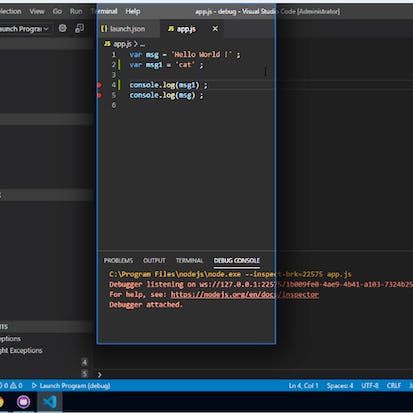
In this 2-hour long project-based course, you will learn how to use the debugging tool associated with Visual Studio Code. One of the key features of Visual Studio Code is the debugging support. VS Code has a built-in debugger that helps accelerate your edit, compile and debug on a loop. VS Code has built-in debugging support for the Node.js runtime and can debug JavaScript, and TypeScript. Note: This course works best for learners who are based in the North America region. We’re currently working on providing the same experience in other regions.Auto Summary
Unlock the power of efficient debugging with our engaging course, "Debugging Support for the Node.js Runtime in VS Code." This intermediate-level course is designed for those looking to enhance their personal development skills by mastering the debugging tool in Visual Studio Code. Guided by expert instructors from Coursera, you'll embark on a hands-on, project-based learning journey that spans 2 hours. Throughout this course, you'll delve into the intricacies of debugging within the Node.js runtime environment, using one of the most popular code editors, VS Code. Whether you're a developer seeking to streamline your workflow or a coding enthusiast aiming to sharpen your debugging skills, this course offers a comprehensive and practical approach. Best of all, it's available for free, making it an accessible opportunity for anyone ready to take their programming capabilities to the next level. Join now and transform your debugging experience with expert insights and practical exercises designed to make you proficient in no time.

Flask for Beginners: Templates
In this project-based course, you will learn how to Use Flask to create a template based on Python. You will create a list in a template based on database data using a for loop and use a condition as well.
Buy Now Free
- Level Foundation
- المدة 4 ساعات hours
- الطبع بواسطة Coursera
-
Offered by
عن
In this project-based course, you will learn how to Use Flask to create a template based on Python. You will create a list in a template based on database data using a for loop and use a condition as well.الوحدات
Your Learning Journey
-
2
Readings
-
 1
Plugin
1
Plugin
-
 1
Lab
1
Lab
-
1
Assignment
1
Assignment
- Assess Your Knowledge
1
Labs
- Flask for Beginners: Templates
2
Readings
- Project Overview
- Key Takeaways
Auto Summary
Discover the fundamentals of Flask in this beginner-friendly course, focusing on template creation using Python. Guided by Coursera, you'll learn to generate templates, create lists from database data with for loops, and apply conditions. This project-based course spans 240 minutes and is available for free, making it perfect for those new to web development. Join now to enhance your personal development skills!
Data Science Challenge
In this coding challenge, you'll compete with other learners to achieve the highest prediction accuracy on a machine learning problem. You'll use Python and a Jupyter Notebook to work with a real-world dataset and build a prediction or classification model. Important Information: How to register? To participate, you’ll need to complete simple steps. First, click the “Start Project” button to register. Next, you’ll need to create a Coursera Skills Profile, which only takes a few minutes.
Buy Now Free
- Level Professional
- المدة 3 ساعات hours
- الطبع بواسطة Coursera
-
Offered by
عن
In this coding challenge, you'll compete with other learners to achieve the highest prediction accuracy on a machine learning problem. You'll use Python and a Jupyter Notebook to work with a real-world dataset and build a prediction or classification model. Important Information: How to register? To participate, you’ll need to complete simple steps. First, click the “Start Project” button to register. Next, you’ll need to create a Coursera Skills Profile, which only takes a few minutes. We’ll send you a profile link the week of the challenge. When does the challenge start? The coding challenge begins Friday, June 30th, at 8 AM (PST) and closes Sunday, July 2nd, at 11:59 PM (PST). If you’re registered, you’ll receive a reminder email on the challenge start date. Please note this is a timed competition. Once the challenge is unlocked, you’ll have 72 hours to complete it. You can submit as many times as you would like within this timeframe. What will the winners receive? Participants will be evaluated based on their model’s prediction accuracy. The top 20% of participants will receive an achievement badge on their Coursera Skills Profile, highlighting their performance to recruiters. The top 100 performers will get complimentary access to select Data Science courses. All participants can showcase their projects to potential employers on their Coursera Skills Profile. Winners will be notified by email the week of July 17th. Good luck, and have fun!الوحدات
Data Science Challenge
-
2
Readings
-
 1
Programming
1
Programming
- Churn Prediction Challenge
2
Readings
- Data Science Coding Challenge - Begins June 30th!
- Learn how Coursera helps you showcase your work to employers
Auto Summary
Embark on an exciting journey with the Data Science Challenge, a competitive coding event designed for those eager to sharpen their machine learning skills. This challenge, falling under the realm of Personal Development, is hosted by Coursera and spearheaded by expert instructors. Participants will dive into a real-world dataset using Python and Jupyter Notebook to create high-accuracy prediction or classification models. The challenge kicks off on Friday, June 30th, at 8 AM (PST) and wraps up on Sunday, July 2nd, at 11:59 PM (PST). Registered participants will receive a reminder email on the start date and have 72 hours to submit their best efforts. Multiple submissions are allowed within this period, ensuring ample opportunity to refine and perfect your model. Top performers stand to gain significant recognition and rewards. The highest-ranking 20% will earn an achievement badge to be displayed on their Coursera Skills Profile, making an impressive mark for recruiters. Additionally, the top 100 participants will enjoy complimentary access to select Data Science courses. All participants can highlight their projects on their Coursera Skills Profile, showcasing their talents to potential employers. To join, simply click the “Start Project” button and create a Coursera Skills Profile. This brief setup is your gateway to the challenge and future opportunities. Designed for professionals with a keen interest in data science, this course offers a blend of competition and learning that promises to elevate your expertise. Best of luck, and enjoy the challenge!
Buy Now Free

- Level Foundation
- المدة 3 ساعات hours
-
Offered by
عن
This project will allow you to design a professional presentation quickly and easily with Prezi, an online platform for designing presentations of all kinds. You will discover the features of Prezi and will be able to create an attractive and animated presentation. This project is intended for professionals or students who would like to learn how to use Prezi to create professional presentations whether for the workplace or education.Auto Summary
Unlock the power of captivating presentations with the "Develop a Business Presentation with Prezi" course on Coursera. This engaging course is perfect for both professionals and students eager to elevate their presentation skills using Prezi, an innovative online platform renowned for its dynamic and visually appealing design capabilities. Under the expert guidance of seasoned instructors, you will explore the versatile features of Prezi, enabling you to craft stunning, animated presentations that stand out in both educational and professional settings. Designed with a foundational level in mind, the course ensures that even beginners can master the art of creating impactful presentations swiftly and effortlessly. The course spans just one hour, making it an ideal choice for those with busy schedules looking to gain valuable skills in a short time. Available under the Coursera Starter subscription, this course offers an accessible entry point to enhance your personal development journey. Join this course to transform your presentation approach and leave a lasting impression on your audience.

Applying to U.S. Universities
“It depends.” That is what you’ll hear when asking about the U.S. university admission process. With over 4,000 universities in the United States and no standard application system, the U.S. admission process can be confusing for everyone, but especially for students applying from other countries. This course will help international students (non-U.S. citizens) and non-native English speakers navigate the U.S. university admission process by offering practical information about the documents and pieces that make up a U.S. university application.
Monthly Subscription Starting at AED 99 + VAT

- Level Foundation
- المدة 25 ساعات hours
- الطبع بواسطة University of Pennsylvania
-
Offered by
عن
“It depends.” That is what you’ll hear when asking about the U.S. university admission process. With over 4,000 universities in the United States and no standard application system, the U.S. admission process can be confusing for everyone, but especially for students applying from other countries. This course will help international students (non-U.S. citizens) and non-native English speakers navigate the U.S. university admission process by offering practical information about the documents and pieces that make up a U.S. university application. More importantly, admission officers will discuss how they use those pieces to decide who is accepted and who is denied, so that you can understand the process beyond the pieces. By the end of this course, you will understand application basics that include researching schools, creating a school list, and establishing an application plan. This course will not answer all of your application questions, but it will teach you to ask the right questions of yourself and the universities. Ultimately, you will have all the information you need to start your process the right way, putting you on the path to acceptance. * Please note, while the English Language Programs are part of the University of Pennsylvania, this is not a course about applying to Penn. Furthermore, this course is intended for international students educated in the national curriculum of their country. While other students are welcome to enroll, the course is not intended for American students or students studying in an American, International Baccalaureate, or Advanced Placement curriculum. The course is also intended for students who do not have access to university counseling – if you attend a school that offers university counseling, your counselor is the best source of information on applying to university. Finally, this course is for undergraduate (Bachelors degree) freshmen (students who have not attended any university) applicants. Undergraduate transfer applicants, students who have attended a university, will find some of the information helpful, but graduate (Masters and Doctoral) applicants will not.الوحدات
Introduction to the Course
-
1
Videos
-
1
Readings
1
Videos
- Introduction to the Course
1
Readings
- FAQs (Frequently Asked Questions)
COVID-19 Related Information and Resources
-
7
Readings
7
Readings
- English Language Testing Information: TOEFL, IELTS, and DET
- Fall 2020 Admission: For Students Who Have Already Applied
- Fall 2020 Admission: For Students Who Have Not Applied
- For All Students: NACAC College Admission Status Update Tool
- Fall 2021 Admission: SAT & ACT Information
- Fall 2021 Admission: Test Optional Schools
- Graduate Admission Information: GRE & GMAT
The Admissions Process
-
7
Videos
-
3
Readings
7
Videos
- The Realities of Admission: Understanding Options
- The Realities of Admission: Understanding Timing
- The Admissions Process and the Course
- Eight Pieces & Two Questions
- Being the "Best"
- The Second Question
- Different Universities Evaluate Differently
3
Readings
- Thoughts on College Rankings
- "What It Takes” by Ivan Maisel
- The Selection Process: Online Resources
Understanding the Evaluation Process
-
6
Videos
6
Videos
- Purdue University
- Montgomery County Community College
- Rhodes College
- Santa Clara University
- University of Pennsylvania
- Online Learning Opportunities to Extend Your Skills
Additional Resources
-
2
Readings
2
Readings
- Connect with Our Partner Schools
- Suggested Readings
Assessment
-
1
Readings
-
1
Assignment
1
Assignment
- Assessment Quiz: Personal Qualities
1
Readings
- Instructions for Self-Assessment Quiz 1: Personal Qualities
Understanding You: The Process of Self-Assessment
-
3
Videos
-
2
Readings
3
Videos
- Importance of Self-Assessment
- Personal Strengths
- Study Preferences
2
Readings
- "5I's" by Eric Furda
- "4C's" by Eric Furda
Examining Your Qualifications
-
3
Videos
-
1
Readings
3
Videos
- Academic Qualifications Part 1
- Academic Qualifications: Testing
- Non-Academic Qualifications
1
Readings
- Notes on Practice Materials and the New SAT
Understanding What Is Important
-
1
Videos
-
1
Readings
1
Videos
- Connecting You with Universities
1
Readings
- "5 College Admission Mistakes International Students Can Avoid" by Amy Rader Kice
Application Advising In Your Country
-
5
Videos
-
1
Readings
5
Videos
- EducationUSA: A U.S. State Department Supported Network
- EducationUSA Interview Part 1
- EducationUSA Interview Part 2
- EducationUSA Interview Part 3
- EducationUSA Interview Part 4
1
Readings
- EducationUSA Resource
Additional Resources
-
1
Readings
1
Readings
- Additional Resources
Assessment
-
1
Readings
-
1
Assignment
1
Assignment
- Assessment Quiz: Academic Preferences
1
Readings
- Instructions for Self-Assessment Quiz 2: Academic Preferences
Before You Begin
-
2
Videos
-
1
Readings
2
Videos
- Beginning Your Research
- Building Your School List
1
Readings
- "Aligning Your Interests With Your College List" by Eric Furda
Narrowing the Thousands of Options
-
4
Videos
-
2
Readings
4
Videos
- Level 1 Research: What You Want
- Level 1 Research: What is Realistic
- Level 1 Research: Understanding Your Findings
- Level 1 Research: Additional Options
2
Readings
- Digging Deeper Into Acceptance Rates
- Additional Research Resources
Deeper Research and Reaching Out
-
3
Videos
3
Videos
- Level 2 Research
- Level 3 Research
- Demonstrated Interest
Picking and Planning
-
3
Videos
-
2
Readings
3
Videos
- Identifying Reach, Target, and Safety
- Understanding Deadlines
- Creating a Plan
2
Readings
- Articles About the School List
- Early Admission/Decision Statistics
Additional Resources
-
1
Readings
1
Readings
- Suggested Reading
Special Topics for International Applicants
-
6
Videos
-
2
Readings
6
Videos
- Financial Aid, Part 1: Cost of a U.S. Education
- Financial Aid, Part 2: Need-Based Aid
- Financial Aid, Part 3: Merit-Based Aid
- Financial Aid, Part 4: Other Types of Funding
- Financial Aid, Part 5: The Realities of Available Funding
- Financial Aid, Part 6: Need Blind vs. Need Aware
2
Readings
- Financial Aid Resources
- Exchange Programs and Scholarships
Your Application and The First Piece
-
2
Videos
-
1
Readings
2
Videos
- The Application Piece-by-Piece
- The First Piece: The Application Form
1
Readings
- Application Tips & Notes
The Second Piece
-
2
Videos
-
1
Readings
2
Videos
- Academic Documents Part 1
- Academic Documents Part 2
1
Readings
- Understanding Document Requirements
The Third Piece
-
2
Videos
-
2
Readings
2
Videos
- Test Scores: ACT & SAT
- English Language Proficiency Tests: TOEFL & IELTS
2
Readings
- Testing Data and Information Resources
- "That Time I Took the TOEFL" by Meghan McHale
The Fourth & Fifth Pieces
-
2
Videos
-
3
Readings
2
Videos
- Essays
- Letters of Recommendation
3
Readings
- "Writing the Essay: Sound Advice from an Expert" by Parke Muth
- An Essay Should...
- "Writing Recommendations" by MIT Admissions
Pieces Six, Seven & Eight
-
3
Videos
-
1
Readings
3
Videos
- School Forms
- Activity List & Résumé
- Other Requirements
1
Readings
- "Interviews" by The College Board
Your Whole Application
-
1
Videos
1
Videos
- Connecting Themes
Additional Resources
-
5
Readings
5
Readings
- Essay Resources
- Letter of Recommendation Resources
- School Forms Resources
- Activity List Resources
- Suggested Reading
Assessment
-
1
Readings
-
1
Assignment
1
Assignment
- Assessment Quiz: Application Planning
1
Readings
- Instructions for Self-Assessment Quiz: Application Planning
Final Examination
-
1
Assignment
1
Assignment
- Final Examination
Montgomery County Community College
-
4
Videos
-
1
Readings
4
Videos
- Part 1: Getting to Know You
- Part 2: The Application & Evaluation Processes
- Part 3: Piece-by-Piece Evaluation
- Part 4: Additional Information & Advice
1
Readings
- Connect with Montgomery County Community College
Purdue University
-
5
Videos
-
1
Readings
5
Videos
- Part 1: Getting to Know You
- Part 2: The Application Process
- Part 3: The Evaluation Processes
- Part 4: Piece-by-Piece Evaluation
- Part 5: Additional Information & Advice
1
Readings
- Connect with Purdue University
Rhodes College
-
5
Videos
-
1
Readings
5
Videos
- Part 1: Getting to Know You
- Part 2: The Application Process
- Part 3: The Evaluation Processes
- Part 4: Piece-by-Piece Evaluation
- Part 5: Additional Information & Advice
1
Readings
- Connect with Rhodes College
Santa Clara University
-
5
Videos
-
1
Readings
5
Videos
- Part 1: Getting to Know You
- Part 2: The Application Process
- Part 3: The Evaluation Processes
- Part 4: Piece-by-Piece Evaluation
- Part 5: Additional Information & Advice
1
Readings
- Connect with Santa Clara University
University of Pennsylvania
-
5
Videos
-
1
Readings
5
Videos
- Part 1: Getting to Know You
- Part 2: The Application Process
- Part 3: The Evaluation Processes
- Part 4: Piece-by-Piece Evaluation
- Part 5: Additional Information & Advice
1
Readings
- Connect with University of Pennsylvania
Auto Summary
Navigating the U.S. university admission process can be daunting, especially for international students. This course, led by experts from the University of Pennsylvania, offers practical guidance on researching schools, creating application plans, and understanding admission criteria. Perfect for non-U.S. citizens and non-native English speakers, the course spans 1500 minutes and is available via a Coursera Starter subscription. Designed for undergraduate freshmen, it equips students with essential tools to embark on their application journey confidently.

Understanding 9/11: Why 9/11 Happened & How Terrorism Affects Our World Today
This course will explore the forces that led to the 9/11 attacks and the policies the United States adopted in response. We will examine the phenomenon of modern terrorism, the development of the al Qai'da ideology, and the process by which individuals radicalize towards violence.
Monthly Subscription Starting at AED 99 + VAT

- Level Foundation
- المدة 13 ساعات hours
- الطبع بواسطة Duke University
-
Offered by
عن
This course will explore the forces that led to the 9/11 attacks and the policies the United States adopted in response. We will examine the phenomenon of modern terrorism, the development of the al Qai'da ideology, and the process by which individuals radicalize towards violence.الوحدات
Week 1: Course Overview
-
1
Videos
-
3
Readings
1
Videos
- David Schanzer Biography
3
Readings
- Course Overview
- Assessments and Grading
- Discussion Forums
Week 1: The 9/11 Attacks
-
2
Videos
2
Videos
- Understanding 9/11
- What Happened Here
Week 1: Required Reading
-
1
Readings
1
Readings
- Week 1: Required Reading
Week 2: What Is Terrorism?
-
2
Videos
2
Videos
- State vs. Non-State Actors
- War vs. Crime
Week 2: Required Reading
-
1
Readings
1
Readings
- Week 2: Required Reading
How to Write a Policy Memo
-
6
Videos
6
Videos
- Online Resource Search - Catherine Shreve
- How to Write a Policy Memo - Overview
- How to Write a Policy Memo - Heading and Background
- How to Write a Policy Memo - Analysis and Summary
- How to Write a Policy Memo - Revision
- How to Write a Policy Memo - Proofread
Week 3: A Primer on Islam - A Conversation with Imam Abdullah Antepli
-
13
Videos
13
Videos
- Beginnings of Islam
- Early Muslim Civilization
- What Muslims Believe
- The Core Practices of Islam
- What is Shariah Law
- Shariah and the Rule of Law
- What is Jihad'?
- The Sword Verses
- Osama bin Laden’s Use of Religion
- Women in Islam
- Women, Islam, & Culture
- The Muslim-American Experience Post 9/11- Part 1
- The Muslim-American Experience Post 9/11 - Part 2
Week 3: Required Reading
-
1
Readings
1
Readings
- Week 3: Required Reading
Week 4: The al Qai'da Ideology
-
9
Videos
9
Videos
- An Ideology of Grievance
- Biography of Sayyid Qutb
- Qutb’s Milestones and a Muslim Revival
- Qutb and Jihad
- Roots of al Qaeda
- Osama Bin Laden’s Ideology
- Terminology: What Is Islamism?
- Elements of the al Qai’da Ideology
- Flaws in the al Qai’da Ideology
Week 4: Required Reading
-
1
Readings
1
Readings
- Week 4: Required Reading
Week 5: The Radicalization Process
-
6
Videos
6
Videos
- Flawed Theories of Radicalization
- Radicalization as a Complex Process
- Multiple Pathways to Radicalization
- The Role of Opportunities & Chance
- The Power of Online Radicalization with Peter Neumann part 1
- The Power of Online Radicalization with Peter Neumann, part 2
Week 5: Required Reading
-
1
Readings
1
Readings
- Week 5: Required Reading
Untitled Lesson
-
1
PeerReview
1
Peer Review
- Peer Assessment #1
Week 6: Counterterrorism Before 9/11
-
8
Videos
8
Videos
- The NeoCon Critique: American Weakness
- The Liberal Critique: American Empire
- The Realist Perspective
- Early Efforts to Address a Growing Threat
- Slow Change in the Agencies - Airport Security
- Slow Change in the Agencies - FBI, CIA, DOD
- Stopping Bin Laden Prior to 9/11 - Part 1
- Stopping Bin Laden Prior to 9/11 - Part 2
Week 6: Required Reading
-
1
Readings
1
Readings
- Week 6: Required Reading
Week 7: September 12, 2001
-
8
Videos
8
Videos
- Challenges on September 12, 2001
- Intelligence and Policy Failures
- Interview with Juan Zarate - Part 1
- Interview with Juan Zarate - Part 2
- Where Did ISIS Come From
- What Does ISIS Believe
- Violent Extremism in the United States
- 9/11 & The Modern Middle East
Week 7: Required Reading
-
1
Readings
1
Readings
- Week 7: Required Reading
Peer Assignment #2
-
1
PeerReview
1
Peer Review
- Peer Assessment #2
Auto Summary
Discover the key forces behind the 9/11 attacks and the evolution of terrorism in "Understanding 9/11: Why 9/11 Happened & How Terrorism Affects Our World Today." Offered by Coursera, this foundational course delves into al-Qaeda's ideology, radicalization processes, and U.S. policy responses. Ideal for those interested in personal development, the course spans 780 minutes and is available through Starter and Professional subscription options.