

Buy Now Free
- Level Professional
- المدة 3 ساعات hours
-
Offered by

عن
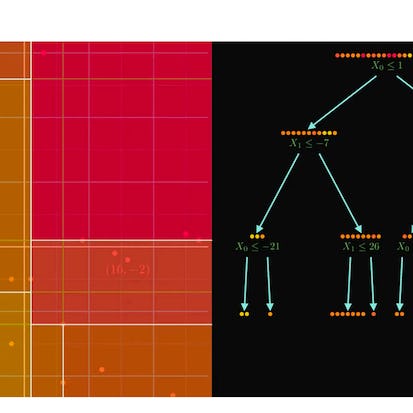
In this 1-hour long project-based course, you will learn how to perform regression tasks using decision tree & some PCA fundamental coding. you will get expertise in acing following tasks- Predicting two decision tree regression model Drawing Decision tree for regression Regularize a decision tree regressor Setting up the environment for dimensional reduction Coding for Projection methods in Dimensionality reduction Coding for PCA using SVD decomposition and SCIKIT learnAuto Summary
Enhance your data science skills with the focused course "Performing Regression Tasks Using Decision Tree & PCA Basics," offered by Coursera. This intermediate-level, project-based course is designed to be completed in just one hour, making it a concise yet powerful learning experience. Throughout the course, you will delve into the application of decision trees for regression tasks and understand the fundamentals of Principal Component Analysis (PCA) through practical coding exercises. Best of all, it's available for free, providing an accessible opportunity for those looking to expand their personal development in the field of data science. Ideal for learners with some prior knowledge in the domain, this course will help you solidify your understanding and apply it to real-world scenarios.

Sleep Deprivation: Habits, Solutions, and Strategies Teach-Out
Sleep deprivation is a silent epidemic. Since the invention of the light bulb, we have increasingly had less sleep than our ancestors. We prioritize work, school, socializing, sports, screen time – just about everything – over sleep. Sleep is viewed as compressible, something that can be made up at any time, but rarely is. Most believe this poses little risk. Unfortunately, they could not be more wrong. The truth is that an adequate amount of good-quality sleep is critical to good health. Lack of sleep leads to deadly crashes, reduces productivity, and harms quality of life.
Monthly Subscription Starting at AED 99 + VAT

- Level Foundation
- المدة 11 ساعات hours
- الطبع بواسطة University of Michigan
-
Offered by
عن
Sleep deprivation is a silent epidemic. Since the invention of the light bulb, we have increasingly had less sleep than our ancestors. We prioritize work, school, socializing, sports, screen time – just about everything – over sleep. Sleep is viewed as compressible, something that can be made up at any time, but rarely is. Most believe this poses little risk. Unfortunately, they could not be more wrong. The truth is that an adequate amount of good-quality sleep is critical to good health. Lack of sleep leads to deadly crashes, reduces productivity, and harms quality of life. Insufficient or disordered sleep can increase risk for anxiety, depression, heart attack, stroke, arrhythmia, heart failure, and early death. This Teach-Out can be your first step in doing something about sleep deprivation. By joining this Teach-Out, you will be able to: Understand how the sleep deprivation epidemic affects your health and wellbeing. Implement solutions to improve your own sleep habits. Identify strategies you can harness to improve the quality of sleep within your community.الوحدات
About the Teach-Outs
-
 1
Videos
1
Videos
-
 2
Readings
2
Readings
-
 1
Discussion
1
Discussion
1
Discussions
- Introduce Yourself!
1
Videos
- What's a Teach-Out?
2
Readings
- History of the Teach-In
- Ground rules for discussion and engagement
1. Understanding an Epidemic
-
7
Videos
-
3
Readings
-
3
Discussion
3
Discussions
- Your Personal Sleep Story
- Your thoughts on the Mysteries of Sleep
- Share Your Questions for Our Sleep Experts!
7
Videos
- Introduction to the Epidemic of Sleep Deprivation
- The Epidemic of Chronic Partial Sleep Deprivation
- The Mysteries of Sleep
- Two-Process Sleep Model
- Negative Consequences of Sleep Loss: Performance, Attention, and Health
- Self-Assessment (Part 1)
- Self-Assessment (Part 2): Analyzing Your Results
3
Readings
- Overview of Module 1
- Negative Consequences of Sleep Loss: Performance, Attention, and Health
- Take the Epworth Sleepiness Test!
2. Personal Ways to Improve Your Sleep
-
6
Videos
-
2
Readings
-
1
Discussion
1
Discussions
- Take the #SleepChallenge!
6
Videos
- Introduction to Solutions
- Sleep Duration
- Regularity of Schedule: An Interview with Dr. Olivia Walch
- Creating a Good Sleep Environment: An Interview with Dr. Jan Van den Bulck
- Bedtime Routine
- Introduction to the #SleepChallenge
2
Readings
- Overview of Module 2
- The Instructors Complete the Sleep Challenge
3. Ways to Encourage Healthy Sleep Habits in your Community
-
5
Videos
-
6
Readings
-
1
Discussion
-
 1
Plugin
1
Plugin
-
 1
Assignment
1
Assignment
 1
Assignment
1
Assignment
- Check your Sleep IQ
1
Discussions
- How will YOU Pay it Forward?
5
Videos
- Beyond Your Bedroom (Pay it Forward)
- Sleep and Your Job: An Interview with Dr. Chris Barnes
- School Start Times and Sleep: An Interview with Dr. Judith Owens
- Pay it Forward!
- The Sleep Teach-Out Team Responds to Your Questions
6
Readings
- Overview of Module 3
- Sweet Dreamzzz
- The Sleep Teach-Out Team Responds to Your Questions
- Additional Resources
- Acknowledgements
- Other Learning Opportunities
Auto Summary
Discover the critical importance of sleep in "Sleep Deprivation: Habits, Solutions, and Strategies Teach-Out." This Coursera course, led by expert instructors, delves into the epidemic of sleep deprivation, its health implications, and cultural factors. Over 660 minutes, explore effective methods to improve sleep quality and learn how communities can foster better sleep habits. Ideal for those seeking foundational knowledge in personal development, with subscription options available for both Starter and Professional levels. Reclaim the restorative power of sleep for a healthier life.
Buy Now Free
- Level Foundation
- المدة 3 ساعات hours
-
Offered by
عن
In this 2-hour long project-based course, you will learn some important statistical concepts with examples & visuals, concepts that are most commonly mistaken in data analysis and how to ensure you don’t fall for them.Auto Summary
Discover "Avoiding Data Science Pitfalls," a beginner-friendly, 2-hour course by Coursera focused on key statistical concepts and common mistakes in data analysis. Enhance your personal development with engaging examples and visuals, all available for free. Perfect for aspiring data scientists aiming to strengthen their analytical skills.

Social Psychology
Ever wonder why people do what they do? This course—which includes more than $1,000 of video and reading materials—offers some answers based on the latest research from social psychology. Students taking the course for a Certificate will also receive free membership in Social Psychology Network (SocialPsychology.org). COURSE DESCRIPTION FROM PROFESSOR PLOUS: Each of us is dealt a different hand in life, but we all face similar questions when it comes to human behavior: What leads us to like one person and dislike another? How do conflicts and prejudices develop, and how can they be reduced?
Monthly Subscription Starting at AED 99 + VAT

- Level Foundation
- المدة 38 ساعات hours
- الطبع بواسطة Wesleyan University
-
Offered by
عن
Ever wonder why people do what they do? This course—which includes more than $1,000 of video and reading materials—offers some answers based on the latest research from social psychology. Students taking the course for a Certificate will also receive free membership in Social Psychology Network (SocialPsychology.org). COURSE DESCRIPTION FROM PROFESSOR PLOUS: Each of us is dealt a different hand in life, but we all face similar questions when it comes to human behavior: What leads us to like one person and dislike another? How do conflicts and prejudices develop, and how can they be reduced? Can psychological research help protect the environment, and if so, how? This course offers a brief introduction to classic and contemporary social psychology, covering topics such as decision making, persuasion, group behavior, personal attraction, and factors that promote health and well-being. Our focus will be on surprising, entertaining, and intriguing research findings that are easy to apply in daily life. The course will also draw from the websites of Social Psychology Network, the world's largest online community devoted to social psychology. I hope you'll join me for this course, have fun, and learn some useful information that enriches your life.الوحدات
Please Watch and Read BEFORE Beginning the Course!
-
1
Videos
-
1
Readings
1
Videos
- Quick Course Overview
1
Readings
- How the Course Works
Getting Started
-
2
Videos
-
3
Readings
2
Videos
- Lecture 1.1: Welcome, Social Psychers!
- Lecture 1.2: Course Logistics: Some Rules of the Road
3
Readings
- Lecture 1.1: Further Readings and Viewings (optional)
- Lecture 1.2: Further Readings and Viewings (optional)
- Reading 1.1 - Introducing Social Psychology
What Is Social Psychology Network?
-
1
Videos
-
3
Readings
1
Videos
- Lecture 1.3: Tour of Social Psychology Network and Invitation to Join
3
Readings
- Lecture 1.3: Further Readings and Viewings (optional)
- How to Join Social Psychology Network
- Editing Your SPN Member Page
Take the SNAPSHOT QUIZ
-
2
Assignment
2
Assignment
- Snapshot Quiz, Part 1: Complete before Lecture 1.4
- Snapshot Quiz, Part 2: Complete before Lecture 1.4
Social Perceptions and Misperceptions
-
5
Videos
-
7
Readings
-
1
Assignment
1
Assignment
- Assignment #1: The Random Assignment Assignment
5
Videos
- Lecture 1.4: The Psychological Construction of Reality
- Lecture 1.5: Confirmation Bias
- Lecture 1.6: Self-Fulfilling Prophecies
- Lecture 1.7: Thin Slices: Social Judgments in the Blink of an Eye
- Lecture 1.8: What Other People Think of You
7
Readings
- Lecture 1.4: Further Readings and Viewings (optional)
- Lecture 1.5: Further Readings and Viewings (optional)
- Lecture 1.6: Further Readings and Viewings (optional)
- Random Assignment Assignment FAQ
- Lecture 1.7: Further Readings and Viewings (optional)
- Lecture 1.8: Further Readings and Viewings (optional)
- Bonus Reading 1.1 - On Being Sane in Insane Places
How We See Ourselves and Others
-
3
Videos
-
5
Readings
-
1
PeerReview
1
Peer Review
- Assignment #2: What Social Impression Do You Make?
3
Videos
- Lecture 2.1: Attribution Theory: The Whys and Wherefores of Behavior
- Lecture 2.2: Some Twists and Turns When Explaining Behavior
- Lecture 2.3: Is the Attitude Bone Connected to the Behavior Bone?
5
Readings
- Lecture 2.1: Further Readings and Viewings (optional)
- Reading 2.1 - The Self in a Social World
- Lecture 2.2: Further Readings and Viewings (optional)
- Lecture 2.3: Further Readings and Viewings (optional)
- Peer Assessment FAQ
Cognitive Dissonance
-
3
Videos
-
2
Readings
3
Videos
- Lecture 2.4: Cognitive Dissonance and Self-Perception
- Lecture 2.5: Two Flavors of Dissonance: Vanilla and Earthworm
- Bonus Video 2.1: A Conversation with Elliot Aronson
2
Readings
- Lecture 2.4: Further Readings and Viewings (optional)
- Lecture 2.5: Further Readings and Viewings (optional)
The Science of Persuasion and Social Influence
-
3
Videos
-
5
Readings
3
Videos
- Lecture 2.6: How to Be Persuasive
- Lecture 2.7: Secrets from the Science of Persuasion (Guest Lecture)
- Lecture 2.8: The Ins and Outs of Social Influence
5
Readings
- Lecture 2.6: Further Readings and Viewings (optional)
- Reading 2.2 - Two Routes to Attitude Change
- Lecture 2.7: Further Readings and Viewings (optional)
- Lecture 2.8: Further Readings and Viewings (optional)
- Reading 2.3 - Crafting Normative Messages to Protect the Environment
Obedience to Authority
-
5
Videos
-
5
Readings
-
1
PeerReview
1
Peer Review
- Assignment #3: Post Some Questions or Comments
5
Videos
- Lecture 3.1: Obedience to Authority (Part 1: Watch Before Milgram Video)
- Assigned Video 3.1: Obedience (Stanley Milgram's Classic Documentary)
- Lecture 3.2: Obedience to Authority (Part 2: Watch After Milgram Video)
- Bonus Video 3.1: Stanley Milgram Discusses His Electric Shock Generator
- Bonus Video 3.2: What Was Stanley Milgram Like?
5
Readings
- Lecture 3.1: Further Readings and Viewings (optional)
- Reading 3.1 - Social Beliefs and Judgments
- Lecture 3.2: Further Readings and Viewings (optional)
- Reading 3.2 - Replicating Milgram: Would People Still Obey Today?
- Bonus Reading 3.1 - How Nice People Get Corrupted
Group Pressure and Conformity
-
2
Videos
-
3
Readings
2
Videos
- Lecture 3.3: Group Pressure and Conformity (Part 1)
- Lecture 3.4: Group Pressure and Conformity (Part 2)
3
Readings
- Lecture 3.3: Further Readings and Viewings (optional)
- Lecture 3.4: Further Readings and Viewings (optional)
- Bonus Reading 3.2 - Opinions and Social Pressure
The Dark Side of Deindividuation
-
3
Videos
-
3
Readings
3
Videos
- Lecture 3.5: The Dark Side of Deindividuation (Part 1: Watch Before Quiet Rage)
- Assigned Video 3.2: Quiet Rage: The Stanford Prison Experiment
- Lecture 3.6: The Dark Side of Deindividuation (Part 2: Watch After Quiet Rage)
3
Readings
- Lecture 3.5: Further Readings and Viewings (optional)
- Lecture 3.6: Further Readings and Viewings (optional)
- Bonus Reading 3.3 - The SPE: Ethics and Extensions
Group Performance
-
2
Videos
-
4
Readings
2
Videos
- Lecture 4.1: Group Dynamics and the Abilene Paradox
- Assigned Video 4.1: The Abilene Paradox
4
Readings
- Lecture 4.1: Further Readings and Viewings (optional)
- Reading 4.1 - Many Hands Make Diminished Responsibility
- Bonus Reading 4.1 - Doing Together What We Would Not Do Alone
- Reading 4.2 - How Groups Intensify Decisions
Prejudice, Stereotyping, and Intergroup Biases
-
5
Videos
-
4
Readings
-
1
PeerReview
1
Peer Review
- Assignment #4: The Diet & Lifestyle Choices Interview
5
Videos
- Lecture 4.2: How Categorical Thinking Gives Rise to Prejudice
- Assigned Video 4.2: Race: The Power of an Illusion
- Assigned Video 4.3: Middle Sexes: Redefining He and She
- Lecture 4.3: The Minimal Group: From Dots to Discrimination in 60 Seconds
- Lecture 4.4: When Intergroup Biases Don't Feel Like Biases
4
Readings
- Lecture 4.2: Further Readings and Viewings (optional)
- Lecture 4.3: Further Readings and Viewings (optional)
- Reading 4.3 - Psychology of Prejudice, Stereotyping, and Discrimination
- Lecture 4.4: Further Readings and Viewings (optional)
Optional Bonus Materials You Might Find Interesting
-
2
Videos
-
4
Readings
2
Videos
- Bonus Video 5.1: Experiments in Change Blindness
- Bonus Video 5.2: Hangout with Philip G. Zimbardo
4
Readings
- Bonus Reading 5.1 - Cyranoids
- Bonus Audio 5.1: Buzzer
- Bonus Audio 5.2: Stereotypes Drive Perceptions of Race
- Bonus Reading 5.2 - How Social Status Shapes Race
Helping Those in Need
-
1
Videos
-
2
Readings
1
Videos
- Lecture 6.1: Bystander Intervention in Emergencies
2
Readings
- Lecture 6.1: Further Readings and Viewings (optional)
- Reading 6.1 - When Do People Help?
Aggression, Violence, and Terrorism
-
2
Videos
-
6
Readings
2
Videos
- Lecture 6.2: The Triggers of Aggression
- Lecture 6.3: Countering Terrorism: Is Psychology Mightier Than the Sword?
6
Readings
- Lecture 6.2: Further Readings and Viewings (optional)
- Reading 6.2 - The Nature and Nurture of Aggression
- Bonus Reading 6.1 - Heat and Violence
- Lecture 6.3: Further Readings and Viewings (optional)
- Reading 6.3 - Causes of Conflict
- Bonus Reading 6.2 - How Social Science Can Reduce Terrorism
Peace and Sustainable Living
-
2
Videos
-
3
Readings
2
Videos
- Lecture 6.4: Halting the Lions of War by Taking the Third Side
- Lecture 6.5: Israel and Iran: A Love Story?
3
Readings
- Lecture 6.4: Further Readings and Viewings (optional)
- Lecture 6.5: Further Readings and Viewings (optional)
- Bonus Reading 6.3 - Psychology of Climate Change Communication
Life Experiment: Be As Compassionate As Possible for 24 Hours
-
2
Videos
-
1
Readings
-
1
PeerReview
1
Peer Review
- Assignment #5: The Day of Compassion
2
Videos
- Lecture 6.6: The Day of Compassion
- Bonus Video 6.1: The Day of Compassion Award
1
Readings
- Lecture 6.6: Further Readings and Viewings (optional)
Earn a Certificate with Honors
-
1
Readings
-
1
Assignment
1
Assignment
- Honors Assignment: Small Group Discussion (Quiz)
1
Readings
- Honors Assignment: Small-Group Discussion
Tips on Leading a Happy Life
-
3
Videos
-
2
Readings
3
Videos
- Lecture 7.1: Is Empathy a Magic Bullet?
- Assigned Video 7.1: This Emotional Life: Understanding Happiness
- Lecture 7.2: How to Buy Happiness
2
Readings
- Lecture 7.1: Further Readings and Viewings (optional)
- Lecture 7.2: Further Readings and Viewings (optional)
Romance Is in the Air
-
1
Videos
-
2
Readings
1
Videos
- Lecture 7.3: Romantic Attraction and Close Relationships
2
Readings
- Lecture 7.3: Further Readings and Viewings (optional)
- Reading 7.1 - Who Likes Whom?
Concluding Lecture and Bonus Videos
-
3
Videos
-
1
Readings
3
Videos
- Lecture 7.4: Concluding Remarks: Where to Go From Here
- Bonus Video 7.1: Hangout with Mahzarin Banaji
- Bonus Video 7.2: Hangout with Daniel Gilbert
1
Readings
- Lecture 7.4: Further Readings and Viewings (optional)
Take the Final Exam
-
2
Readings
-
1
Assignment
1
Assignment
- Take the Exam Now
2
Readings
- Final Exam FAQ
- Social Psychology Glossary (Study Aid)
Auto Summary
Discover the fascinating world of human behavior with the "Social Psychology" course led by Professor Plous. Ideal for those interested in personal development, this comprehensive program offers insights into decision making, persuasion, and group behavior. Enroll to access $1,000 worth of video and reading materials, and gain free membership in the Social Psychology Network. Available on Coursera, the course spans 2280 minutes and offers flexible subscription options. Perfect for beginners eager to apply intriguing research findings in daily life.
Buy Now Free

- Level Foundation
- المدة 3 ساعات hours
-
Offered by
عن
In this two-hour, project-based course, you'll learn how to create a currency pick-up mechanic for your game. We'll cover creating a simple heads-up display, setting up collectible coins and purchasable GameObjects, and writing C# scripts to manage the player's on-going balance. Please note: This guided project does not cover In-Application Purchases (“IAP”), which involves real money; it covers in-game money only. The guided project will introduce you to the following Unity concepts: - Particle Effects - Prefabs - Colliders, Triggers - Canvas, Text, Image - Coding techniques such as UI manipulation, Actions and subscribing to Events This project makes use of the poly-castle project created in Create Keyboard Movement Mechanics with C# in Unity. It is a complimentary course to this guided project and, although not a prerequisite, is recommended for a more well-rounded understanding of the concepts presented herein.Auto Summary
Enhance your game development skills with the engaging course "Create a Coin Pick-Up and Spending Mechanics in Unity." Perfect for beginners, this project-based course from Coursera dives into the essentials of integrating a currency system within your game. Over the span of two hours, you'll gain hands-on experience in creating a coin pick-up mechanic and implementing spending mechanics, crucial for any game that involves currency. The course is designed to be accessible and free, making it an excellent opportunity for those new to game development or looking to refine their Unity skills. Join now and start building more interactive and rewarding gaming experiences!

SEL Capstone
In this course the instructors (Randy Testa, Ben Kirshner, Emily Price, and Dan Liston) have designed two culminating projects for the Coursera Specialization entitled – “The Teacher and SEL”. The two options include: “A Teacher Implementation Plan”, and “The Cinema, SEL, and the Classroom”. This course is a part of the 5-course Specialization “The Teacher and Social Emotional Learning (SEL)”. Interested in earning 3 university credits from the University of Colorado-Boulder for this specialization??
Monthly Subscription Starting at AED 99 + VAT

- Level Expert
- المدة 20 ساعات hours
- الطبع بواسطة University of Colorado Boulder
-
Offered by
عن
In this course the instructors (Randy Testa, Ben Kirshner, Emily Price, and Dan Liston) have designed two culminating projects for the Coursera Specialization entitled – “The Teacher and SEL”. The two options include: “A Teacher Implementation Plan”, and “The Cinema, SEL, and the Classroom”. This course is a part of the 5-course Specialization “The Teacher and Social Emotional Learning (SEL)”. Interested in earning 3 university credits from the University of Colorado-Boulder for this specialization?? If so check out "How you can earn 3 university credits from the University of Colorado-Boulder for this specialization" reading in the first module of this course for additional information. We want to note that the courses in this Specialization were designed with a three-credit university course load in mind. As a participant you may notice a bit more reading content and a little less video/lecture content. Completing and passing the SEL Specialization allows the participant to apply for 3 graduate credits toward teacher re-certification and professional enhancement. We want to ensure the quality and high standards of a University of Colorado learning experience. Interested in earning 3 graduate credits from the University of Colorado-Boulder for The Teacher and Social Emotional Learning (SEL) Specialization? Check out "How you can earn 3 university credits from the University of Colorado-Boulder for this specialization" reading in the first week of this course for more information.الوحدات
Introduction
-
1
Videos
-
2
Readings
1
Videos
- Introduction and Content Review
2
Readings
- Earn 3 University Credits from the University of Colorado-Boulder for this Specialization
- Peer Review Assignment Support
Project Option #1 Overview: SEL Implementation Plan (SEL-IP)
-
1
Videos
-
1
Readings
1
Videos
- Project Option #1: SEL Implementation Plan (SEL-IP)
1
Readings
- Project Option #1 Requirements
Project Option #2 Overview: Cinema, SEL, and the Classroom (SEL-C)
-
1
Videos
-
1
Readings
1
Videos
- Project Option #2: Cinema, SEL, and the Classroom (SEL-C)
1
Readings
- Project Option #2 Requirements
Choose your Project and Acknowledge Its Requirements
-
1
Assignment
1
Assignment
- Project Selection and Acknowledgment
SEL-IP: Two Reflections and TIPs on Course Modules
-
1
PeerReview
1
Peer Review
- SEL-IP Part 1: Reflections and TIPs 1 and 2
SEL-C: Film and Scene Summaries
-
3
PeerReview
3
Peer Review
- SEL-C Part 1: Film and Scene Summaries of "Inside Out"
- SEL-C Part 1: Film and Scene Summaries of "Monsieur Lazhar"
- SEL-C Part 1: Film and Scene Summaries of "The Watsons Go to Birmingham"
SEL-IP: Two Reflections and TIPs on Course Modules
-
1
PeerReview
1
Peer Review
- SEL-IP Part 2: Reflections and TIPs 3 and 4
SEL-C: Transcript of Reviewers' Discussion of the Film
-
3
PeerReview
3
Peer Review
- SEL-C Part 2: Discussion of "Inside Out"
- SEL-C Part 2: Discussion of "Monsieur Lazhar"
- SEL-C Part 2: Discussion of "The Watsons Go to Birmingham"
SEL-IP: SEL Implementation Change Plan OR Reflection on SEL Implementation
-
2
Readings
-
2
PeerReview
2
Peer Review
- SEL-IP Part 3, Option A — SEL Implementation Change Plan
- SEL-IP Part 3, Option B — Reflection on SEL Implementation
2
Readings
- CU Boulder Graduate Credit Registration Process
- CU Boulder Graduate Credit Registration Process
SEL-C: Recommendation of Educational Use of the Film
-
3
Readings
-
3
PeerReview
3
Peer Review
- SEL-C: Recommendation for "Inside Out"
- SEL-C: Recommendation for "Monsieur Lazhar"
- SEL-C: Recommendation for "The Watsons Go to Birmingham"
3
Readings
- CU Boulder Graduate Credit Registration Process
- CU Boulder Graduate Credit Registration Process
- CU Boulder Graduate Credit Registration Process
Auto Summary
Enhance your teaching skills with the "SEL Capstone" course, part of the comprehensive "The Teacher and Social Emotional Learning (SEL)" Specialization. This expert-level course is meticulously crafted by esteemed instructors Randy Testa, Ben Kirshner, Emily Price, and Dan Liston to help educators integrate social emotional learning into their classrooms effectively. The course features two culminating projects tailored to provide practical SEL strategies: "A Teacher Implementation Plan" and "The Cinema, SEL, and the Classroom." These projects are designed to bridge theory and practice, ensuring educators can apply SEL concepts directly within their teaching environments. Participants can earn 3 graduate credits from the University of Colorado-Boulder, enhancing their professional development and aiding in teacher re-certification. The course content is structured with a university-level workload, emphasizing thorough reading material over video lectures to maintain high academic standards. With a duration of approximately 1200 minutes, learners can choose between Starter and Professional subscription options to fit their needs. This course is ideal for educators seeking to deepen their understanding of social emotional learning and apply it to foster a supportive and effective classroom atmosphere.
Buy Now Free

- Level Expert
- المدة 2 ساعات hours
-
Offered by
عن
Sometimes the visual understanding of a mathematical problem is quite helpful in solving it fast and correctly. Play with graph is an attempt to ease the minds of all mathematics lovers and engineering aspirants who wish to solve the tricky and knotty mathematics problem involving functional approach. This project will help you make intuitive connections between the graphs of the function in the problem with the exact solution of the problem. The project starts with plotting basic functions ,labelling & fillings and later takes up the topic such as curve filling 'below' and 'between' the two curves ,plotting of sample points where the curve changes quickly, ranges where function becomes non real, plotting curve where there are discontinuities and finally labelling and legending of illustrative curves. It is highly recommended to all those who sincerely desire to master problem solving in mathematics.Auto Summary
Unlock the power of visual mathematics with "Play with Graphs using Wolfram Mathematica." This intermediate-level course, offered by Coursera, spans 120 minutes and focuses on enhancing problem-solving skills through graphical understanding. Ideal for those seeking personal development in mathematics, the course is available for free and taught by expert instructors.

Introduction to Academic Writing
Welcome to the Introduction to Academic Writing course! By the end of this course, you will gain an in-depth understanding of reading and writing as essential skills to conduct robust and critical research. This course introduces you to critical reading and writing skills within the conventions of academic writing. In this course, you will learn to effectively communicate your research questions and findings to an interested audience using reading and writing skills.
Monthly Subscription Starting at AED 99 + VAT
- Level Foundation
- المدة 16 ساعات hours
- الطبع بواسطة O.P. Jindal Global University
-
Offered by
عن
Welcome to the Introduction to Academic Writing course! By the end of this course, you will gain an in-depth understanding of reading and writing as essential skills to conduct robust and critical research. This course introduces you to critical reading and writing skills within the conventions of academic writing. In this course, you will learn to effectively communicate your research questions and findings to an interested audience using reading and writing skills. With writing being an important method of thinking, you will learn how the practice of writing allows you to arrive at complex insights about your research area and develop your arguments systematically. This course focuses on the process of developing an argument through the examination of claims and evidence. It also familiarizes you with the structure of academic writing, which will help you better grasp the process of reading academic articles and writing your research. Through a mix of presentations and practice questions, this course provides you with a solid foundation for approaching the process of critical reading and writing in your respective disciplines. It will also cover other writing genres that are relevant to you, including writing for popular media and policy briefs, allowing you to explain how the writing process differs in these areas.الوحدات
Course Introduction
-
2
Videos
-
1
Readings
2
Videos
- Meet Your Instructor
- Course Introduction
1
Readings
- Course Overview
Introduction to Academic Writing
-
2
Videos
-
1
Assignment
1
Assignment
- Introduction to Academic Writing
2
Videos
- A Brief Introduction to Academic Writing
- Getting Started: Reading Abstract, Introduction, and Methodology
Building an Argument: The Core of Academic Writing
-
3
Videos
-
1
Assignment
1
Assignment
- Building an Argument: The Core of Academic Writing
3
Videos
- Identifying Claims and Evidence
- Understanding and Deriving Claims
- Providing Evidence: Quotes, Examples, and Citations
Structure of an Academic Paper
-
1
Videos
-
1
Readings
-
1
Assignment
1
Assignment
- Structure of an Academic Paper
1
Videos
- Conclusion and Overview of an Academic Paper
1
Readings
- Essential Reading: Introduction to Academic Reading and Writing
Peer-Review Assignments
-
2
PeerReview
2
Peer Review
- Determine the Core of Academic Writing
- Synthesize Claims and Evidence in Academic Writing
Understanding the Literature Review in Research
-
1
Videos
-
1
Assignment
1
Assignment
- Understanding the Literature Review in Research
1
Videos
- Understanding the Literature Review
Skills to Build a Literature Review
-
3
Videos
-
1
Assignment
1
Assignment
- Skills to Build a Literature Review
3
Videos
- How to Summarize an Article or Argument
- Organizing Your Material and Building an Annotated Bibliography
- Making Connections and Building a Narrative
Referencing and Citation
-
2
Videos
-
1
Readings
-
1
Assignment
1
Assignment
- Referencing and Citation
2
Videos
- Referencing and Citation
- In-Text Citations and Building List of References
1
Readings
- Essential Reading: Literature Review and Referencing
Graded Quiz
-
1
Assignment
1
Assignment
- Graded Quiz: Literature Review and Referencing
Writing in Popular Media
-
3
Videos
-
1
Assignment
1
Assignment
- Writing in Popular Media
3
Videos
- Writing for Popular Media
- Working with a Sample Editorial
- Guidelines for Writing a Blog Post
Writing Policy Briefs
-
2
Videos
-
1
Readings
-
1
Assignment
1
Assignment
- Writing Policy Briefs
2
Videos
- Writing Policy Briefs: Structure and Guidelines
- Working with a Sample Policy Brief
1
Readings
- Essential Reading: Writing Policy Briefs and Writing for Popular Media
Peer-Review Assignments
-
2
PeerReview
2
Peer Review
- Analyze the Core of an Editorial Essay
- Explain and Analyze Policy Briefs
Initial Steps of Dissertation Writing
-
3
Videos
-
1
Assignment
1
Assignment
- Initial Steps of Dissertation Writing
3
Videos
- Stages of Writing a Dissertation
- How to Find Relevant Research Material
- Arriving at a Research Question
Writing the Main Body of the Dissertation
-
1
Videos
-
1
Assignment
1
Assignment
- Writing the Main Body of the Dissertation
1
Videos
- Analysis of Data and Chapterization
Writing a Journal Article
-
1
Videos
-
1
Readings
-
1
Assignment
1
Assignment
- Writing a Journal Article
1
Videos
- Guidelines for Writing a Journal Article
1
Readings
- Essential Reading: Dissertation Writing
Graded Quiz
-
1
Readings
-
1
Assignment
1
Assignment
- Graded Quiz: Dissertation Writing
1
Readings
- Course Wrap-Up
Auto Summary
Embark on a journey to master the essentials of academic communication with the "Introduction to Academic Writing" course. This foundational program is designed for individuals keen on developing their critical reading and writing skills, essential for conducting thorough and impactful research. Guided by expert instructors from Coursera, this course delves into the intricacies of academic writing, teaching you how to effectively communicate your research questions and findings to an engaged audience. You will explore the importance of writing as a tool for thinking, allowing you to formulate complex insights and systematically develop your arguments. The curriculum emphasizes constructing arguments through the examination of claims and evidence and familiarizes you with the structure of academic writing. This knowledge will enhance your ability to read academic articles with a critical eye and produce well-structured research papers. Additionally, you will gain exposure to other relevant writing genres, such as writing for popular media and policy briefs, and understand the nuances of these different writing processes. The course spans 960 minutes of comprehensive content, including a mix of presentations and practice questions, ensuring a robust learning experience. Subscription options include Starter and Professional plans, catering to different learner needs and preferences. Ideal for those at the foundational level of their academic journey, this course provides a solid platform to hone your critical reading and writing skills, paving the way for academic and professional success. Join now and transform your approach to academic research and writing!

Get started with Mailchimp
In this project-based course, you will get an introduction to the Mailchimp dashboard. You will learn to create landing pages and email campaigns on Mailchimp. You will learn to increase subscribers in the mailing list using a manual process, through CSV files, and through signup forms available on the landing pages. You will learn to integrate Mailchimp with third-party apps like Canva. You will also learn to use images from Pixabay and upload them to Mailchimp's dashboard
Buy Now Free

- Level Foundation
- المدة 2 ساعات hours
- الطبع بواسطة Coursera
-
Offered by
عن
In this project-based course, you will get an introduction to the Mailchimp dashboard. You will learn to create landing pages and email campaigns on Mailchimp. You will learn to increase subscribers in the mailing list using a manual process, through CSV files, and through signup forms available on the landing pages. You will learn to integrate Mailchimp with third-party apps like Canva. You will also learn to use images from Pixabay and upload them to Mailchimp's dashboardالوحدات
Your Learning Journey
-
1
Readings
-
1
Plugin
-
 1
Lab
1
Lab
-
1
Assignment
1
Assignment
- Assess Your Knowledge
1
Labs
- Get started with Mailchimp
1
Readings
- Project Overview
Auto Summary
Embark on a foundational journey with the "Get started with Mailchimp" course, tailored for those keen on enhancing their personal development skills. Guided by expert instructors from Coursera, this project-based course offers a comprehensive introduction to Mailchimp's dashboard, equipping you with the tools to create effective landing pages and email campaigns. Over the span of 120 minutes, you will gain practical knowledge in boosting your mailing list subscribers through various methods, including manual processes, CSV files, and engaging signup forms. Additionally, the course covers essential integrations with third-party applications like Canva, and teaches you to seamlessly incorporate images from platforms such as Pixabay into your Mailchimp projects. Designed with beginners in mind, the course is perfect for anyone looking to build a solid foundation in email marketing. Available under the Starter subscription, this course represents an excellent opportunity to develop valuable skills in a short time. Join now and start your journey towards mastering Mailchimp!
Performance Testing with JMeter for absolute beginners
JMeter is one of the most widely used performance testing and load testing tools in this industry. In this 2-hour long project-based course, you will learn 1. Basics of performance testing 2. JMeter components like samplers, config elements, listeners etc 3. Sending HTTP requests using JMeter 4. Defining config elements 5. Sending HTTP POST/PUT/PATCH and DELETE requests in Jmeter 6. Reading from CSV file using CSV config element 7. Applying load 8. Installing custom plugins 9. Generating load or traffic with custom thread groups10. Custom graph listeners in JMeter
Buy Now Free

- Level Foundation
- المدة 3 ساعات hours
- الطبع بواسطة Coursera
-
Offered by
عن
JMeter is one of the most widely used performance testing and load testing tools in this industry. In this 2-hour long project-based course, you will learn 1. Basics of performance testing 2. JMeter components like samplers, config elements, listeners etc 3. Sending HTTP requests using JMeter 4. Defining config elements 5. Sending HTTP POST/PUT/PATCH and DELETE requests in Jmeter 6. Reading from CSV file using CSV config element 7. Applying load 8. Installing custom plugins 9. Generating load or traffic with custom thread groups10. Custom graph listeners in JMeterالوحدات
Your Learning Journey
-
1
Readings
-
1
Plugin
-
1
Lab
-
1
Assignment
1
Assignment
- Assess Your Knowledge
1
Labs
- Performance Testing with JMeter for absolute beginners
1
Readings
- Project Overview
Auto Summary
Discover the essentials of performance testing with JMeter in this 2-hour beginner-friendly course. Gain hands-on experience with JMeter components, HTTP requests, load application, and custom plugins. Ideal for those seeking foundational knowledge in performance testing, this free course on Coursera, led by industry experts, equips you to generate and analyze web traffic effectively. Perfect for personal development and enhancing your technical skill set.