


Career Decisions: From Insight to Impact
I am an adult developmental psychologist by training and a career counselor by trade, currently the Director of the Gordon Career Center at Wesleyan University in Connecticut. In this course, I draw from my decades of experience as well as research from the fields of psychology, organizational behavior, and sociology to help you understand best practices for making career decisions.
Monthly Subscription Starting at AED 99 + VAT

- Level Foundation
- المدة 11 ساعات hours
- الطبع بواسطة Wesleyan University
-
Offered by

عن
I am an adult developmental psychologist by training and a career counselor by trade, currently the Director of the Gordon Career Center at Wesleyan University in Connecticut. In this course, I draw from my decades of experience as well as research from the fields of psychology, organizational behavior, and sociology to help you understand best practices for making career decisions. This content will help you develop the tools you need to make the right choices for you, from deciding an area of study to exploring potential lines of work to pursue—and knowing when to pivot at any time in your career.الوحدات
Module One
-
 4
Videos
4
Videos
-
 1
Assignment
1
Assignment
 1
Assignment
1
Assignment
- Thought Question 1
4
Videos
- Introduction
- A note on the exercises
- What Is Insight?
- Exercise 1: Life History Interview
Module Two
-
2
Videos
-
 1
Readings
1
Readings
-
1
PeerReview
-
1
Assignment
1
Assignment
- Thought Question 2
1
Peer Review
- Reflection Paper
2
Videos
- How Your Brain Is Fooling You
- Exercise 2: You: A Case Study
1
Readings
- Peer Review Guidelines
Module Three
-
2
Videos
-
1
Assignment
1
Assignment
- Thought Question 3
2
Videos
- What Is Success?
- Exercise 3: G. Richard Shell's Six Lives Exercise
Module Four
-
2
Videos
-
1
PeerReview
-
1
Assignment
1
Assignment
- Thought Question 4
1
Peer Review
- Reflection Paper
2
Videos
- Navigating New Identities
- Exercise 4: Identity Exercise
Module Five
-
3
Videos
-
1
Assignment
1
Assignment
- Thought Question 5
3
Videos
- What Do You Do Well?
- What Do You Do Well? Part 2
- Exercise 5: Mapping Your Skills
Module Six
-
3
Videos
-
1
PeerReview
-
1
Assignment
1
Assignment
- Thought Question 6
1
Peer Review
- Reflection Paper *or* Mind Map
3
Videos
- What Is Important to You? Part 1
- What Is Important to You? Part 2
- Exercise 6: Mind Map: Personal Projects
Module Seven
-
2
Videos
2
Videos
- Designing Your Life, Part 1
- Designing Your Life, Part 2
Module Eight
-
6
Videos
-
1
PeerReview
-
2
Assignment
2
Assignment
- Thought Question 7
- Thought Question 8
1
Peer Review
- Course Reflection
6
Videos
- The Rule of Three
- Interview with Barbara Oakley
- Exercise 7: Making a Connection
- Tell Me About Yourself
- Exercise 8: Capstone Mind Map: Skills, Influences, Core Projects
- Course Conclusion
Auto Summary
Discover best practices for making impactful career decisions with insights from psychology, organizational behavior, and sociology. Led by an experienced career counselor, this foundational course helps you navigate study choices, career exploration, and timely pivots. Available on Coursera, it offers flexible subscription options for a tailored learning experience. Ideal for those seeking personal development and informed career choices.
Monthly Subscription Starting at AED 99 + VAT
- Level Professional
- المدة
-
Offered by
عن
How vulnerable are your applications to security risks and threats? This course will help you identify vulnerabilities and monitor the health of your applications and systems. You’ll examine and implement secure code practices to prevent events like data breaches and leaks, and discover how practices like monitoring and observability can keep systems safe and secure. You will gain extensive knowledge on various practices, concepts, and processes for maintaining a secure environment, including DevSecOps practices that automate security integration across the software development lifecycle (SDLC), Static Application Security Testing (SAST) for identifying security flaws, Dynamic Analysis, and Dynamic Testing. You’ll also learn about creating a Secure Development Environment, both on-premise and in the cloud. You’ll explore the Open Web Application Security Project (OWASP) top application security risks, including broken access controls and SQL injections. Additionally, you will learn how monitoring, observability, and evaluation ensure secure applications and systems. You’ll discover the essential components of a monitoring system and how application performance monitoring (APM) tools aid in measuring app performance and efficiency. You’ll analyze the Golden Signals of monitoring, explore visualization and logging tools, and learn about the different metrics and alerting systems that help you understand your applications and systems. Through videos, hands-on labs, peer discussion, and the practice and graded assessments in this course, you will develop and demonstrate your skills and knowledge for creating and maintaining a secure development environment.الوحدات
Welcome
-
1
Videos
1
Videos
- Course Introduction
Introduction to DevSecOps
-
2
Videos
-
1
Readings
-
1
Assignment
1
Assignment
- Introduction to DevSecOps
2
Videos
- Security by Design
- What is DevSecOps?
1
Readings
- Summary & Highlights - Introduction to DevSecOps
Understanding the Role of Network Security
-
5
Videos
-
1
Readings
-
 1
ExternalTool
1
ExternalTool
-
1
Assignment
1
Assignment
- Understanding the Role of Network Security
1
External Tool
- Hands on Lab: Using OpenSSL to Encrypt and Decrypt Files
5
Videos
- The OSI Model
- Securing Layers for Application Development
- Security Patterns
- TLS/SSL
- What is OpenSSL?
1
Readings
- Summary and Highlights - Understanding the Role of Network Security
Inspecting Security in Application Development
-
3
Videos
-
2
Readings
-
1
ExternalTool
-
1
Assignment
1
Assignment
- Inspecting Security in Application Development
1
External Tool
- Hands on Lab: Scanning a Network Environment with Nmap
3
Videos
- Vulnerability Scanning and Threat Modeling
- Threat Monitoring
- Security Concepts and Terminology
2
Readings
- Getting Started with Network and Port Scanning with Nmap
- Summary and Highlights - Inspecting Security in Application Development
Module 1 Cheat Sheet, Glossary and Graded Quiz
-
 2
Plugin
2
Plugin
-
1
Assignment
1
Assignment
- Graded Quiz: Introduction to Security for Application Development
Introduction to Security Testing and Mitigation Strategies
-
3
Videos
-
1
Readings
-
2
ExternalTool
-
1
Assignment
1
Assignment
- Introduction to Security Testing and Mitigation Strategies
2
External Tool
- Hands-on Lab: Using Static Analysis
- Hands-on Lab: Using Dynamic Analysis
3
Videos
- Introduction to Security Testing and Mitigation Strategies
- Static Analysis
- Dynamic Analysis
1
Readings
- Summary & Highlights - Introduction to Security Testing and Mitigation Strategies
Implementing Key Analysis in Applications
-
6
Videos
-
1
Readings
-
2
ExternalTool
-
1
Plugin
-
1
Assignment
1
Assignment
- Implementing Key Analysis in Applications
2
External Tool
- Hands-on Lab: Evaluating Vulnerability Analysis
- Hands-on Lab: Evaluate Software Component Analysis
6
Videos
- Code Review
- Vulnerability Analysis
- Demo Video: Evaluating Vulnerability Analysis
- Runtime Protection
- Software Component Analysis
- Continuous Security Analysis
1
Readings
- Summary & Highlights - Implementing Key Analysis in Applications
Graded Quiz: Module 2 - Security Testing and Mitigation Strategies
-
2
Plugin
-
1
Assignment
1
Assignment
- Graded Quiz: Security Testing and Mitigation Strategies
Introducing OWASP Top 10
-
5
Videos
-
2
Readings
-
1
Plugin
-
1
Assignment
1
Assignment
- Practice Quiz: Introducing OWASP Top 10
5
Videos
- Intro to OWASP (Top 10) Sec Vulnerabilities
- OWASP Top 1-3
- OWASP Top 4-6
- OWASP Top 7-10
- Demo Video: Snyk (SAST) Free Tool
2
Readings
- Discover Code Vulnerabilities with Snyk (SAST) Free Tool
- Summary & Highlights - Introducing OWASP Top 10
Diving Deeper into OWASP Risks
-
5
Videos
-
1
Readings
-
3
ExternalTool
-
1
Plugin
-
1
Assignment
1
Assignment
- Diving Deeper into OWASP
3
External Tool
- Hands-on Lab: Understanding SQL Injections
- Hands-on Lab: Cross Site Scripting
- Hands-on Lab: Storing Secrets Securely
5
Videos
- SQL Injections
- Other Types of SQL Injection Attacks
- Demo Video: Example of an SQL Injection
- Cross Site Scripting
- Storing Secrets Securely
1
Readings
- Summary & Highlights - Diving Deeper into OWASP
Module 3 Cheat Sheet, Glossary and Graded Quiz
-
2
Plugin
-
1
Assignment
1
Assignment
- Graded Quiz: OWASP Application Security Risks
Code Development Practices
-
3
Videos
-
1
Readings
-
2
ExternalTool
-
1
Plugin
-
1
Assignment
1
Assignment
- Code Development Practices
2
External Tool
- Hands-on Lab: Code Practices
- Hands-on Lab: Secure Development Environment
3
Videos
- Code Practices
- Dependencies
- Secure Development Environment
1
Readings
- Summary & Highlights - Code Development Practices
Module 4 Cheat Sheet, Glossary and Graded Quiz
-
2
Plugin
-
1
Assignment
1
Assignment
- Graded Quiz: Security Best Practices
Final Project
-
2
Plugin
-
1
Assignment
1
Assignment
- Graded Quiz: Final Project
Final Assessment
-
1
Assignment
1
Assignment
- Final Assessment
Course Wrap-up
-
2
Readings
-
1
Plugin
2
Readings
- Congratulations and Next Steps
- Thanks from the Course Team
Auto Summary
"Application Security and Monitoring" by Coursera focuses on identifying vulnerabilities and ensuring the security of your applications. Ideal for professional development, the course covers secure code practices and system health monitoring. Available with Starter and Professional subscriptions.
Buy Now Free
- Level Professional
- المدة 3 ساعات hours
-
Offered by
عن
Hello and welcome to the course! In this intermediate course on Typescript. By the end of this course, you will have worked with all the main Typescript types, both simple and advanced. You will have written Typescript code and compiled it using the command line. You will also get experience writing classes in Typescript to understand the way Typescript implements OOP. Finally you will restructure your files to represent a real-world setup In this course, we are going to focus on the following learning objectives: - Understand what Typescript is and why companies use it - Learn all of the basic types and use them, eg, strings, numbers arrays etc - Learn advanced types and use them, eg, enums and interfaces etc - Write classes and understand OOP principles in Typescript - Restructure our project files for real-world dev example By the end of this course you will be comfortable to start using Typescript on real projectsAuto Summary
Explore the fundamentals of TypeScript with this intermediate course tailored for personal development. Led by a professional instructor from Coursera, the course covers key aspects including basic and advanced types, OOP principles, and real-world project structuring. With a 180-minute duration, it's ideal for professionals seeking to enhance their TypeScript skills. Available through a Starter subscription.

ChatGPT for Beginners: SciFi Writing with Dall-e
This 1-hour long project-based course is for anyone interested in exploring the capabilities of cutting-edge AI technology. In it you will learn how to effectively communicate with OpenAI's ChatGPT and DALL-E models, practice creative writing, and produce visually stunning images. To achieve this, we will work with ChatGPT and Dall-e, co-writing a sci-fi inspired story, and generating images to bring the story to life through a series of tasks including setting up an OpenAI account, interacting with ChatGPT, practicing effective AI communication.
Buy Now Free

- Level Foundation
- المدة 3 ساعات hours
- الطبع بواسطة Coursera
-
Offered by
عن
This 1-hour long project-based course is for anyone interested in exploring the capabilities of cutting-edge AI technology. In it you will learn how to effectively communicate with OpenAI's ChatGPT and DALL-E models, practice creative writing, and produce visually stunning images. To achieve this, we will work with ChatGPT and Dall-e, co-writing a sci-fi inspired story, and generating images to bring the story to life through a series of tasks including setting up an OpenAI account, interacting with ChatGPT, practicing effective AI communication. This project is unique because it offers hands-on experience co-creating with advanced AI models, allowing you to explore the limits of such a technology and develop your creative writing skills. In order to be successful with it, you will only need basic computer skills and an interest in science fiction and creative writing. This project will provide you with step-by-step guidance through instructor-led videos. Unlike some other projects on Coursera, this experience will not utilize a virtual machine. Instead, learners will complete the project on their own browser or device. *June 2023 Update*: Dall-e 2 no longer provides free introductory credits. Learners are welcome to pay for credits for Dall-e or use a free alternative such as Bing Image Creator, Stable Diffusion, or Craiyon. Some features may be different, but the prompting methodology is still valid.الوحدات
Your Learning Journey
-
7
Videos
-
1
Readings
-
1
Plugin
-
1
Assignment
1
Assignment
- Assess Your Knowledge
7
Videos
- Task 1: Navigate ChatGPT's UX
- Task 2: Get familiar with DALL-E's UX
- Task 3: Use ChatGPT's chats to effectively structure and organize workflows.
- Task 4: Avoid ChatGPT's biases
- Task 5: Provide detailed guidance to ChatGPT
- Task 6: Use ChatGPT for overall feedback and iteration
- Capstone Activity
1
Readings
- Project Overview
Auto Summary
Explore the fascinating world of AI with "ChatGPT for Beginners: SciFi Writing with Dall-e." This engaging 1-hour course, led by Coursera, guides you through using OpenAI's ChatGPT and DALL-E to co-write a sci-fi story and generate stunning images. Perfect for beginners with basic computer skills and an interest in creative writing, you'll receive step-by-step video instructions and hands-on experience in AI communication. Start for free and unlock your creative potential!

Introduction to Psychology
This course introduces students to foundational areas in psychology across four key modules, including the biological basis of behavior, cognitive and emotional processes, theories of motivation and personality, and an introduction to psychological disorders. It offers students a basic yet comprehensive understanding of how psychological science explains thought, feeling, and behavior. By examining essential psychological concepts and theories, students will begin to critically reflect on human behavior in various contexts.
Monthly Subscription Starting at AED 99 + VAT

- Level Foundation
- المدة 15 ساعات hours
- الطبع بواسطة O.P. Jindal Global University
-
Offered by
عن
What are people most afraid of? What do our dreams mean? Are we natural-born racists? What makes us happy? What are the causes and cures of mental illness? This course tries to answer these questions and many others, providing a comprehensive overview of the scientific study of thought and behavior. It explores topics such as perception, communication, learning, memory, decision-making, persuasion, emotions, and social behavior. We will look at how these aspects of the mind develop in children, how they differ across people, how they are wired-up in the brain, and how they break down due to illness and injury.Auto Summary
Unlock the secrets of the human mind with "Introduction to Psychology" on Coursera. This foundational course delves into fascinating psychological experiments and their implications on memory, learning, perception, development, and mental illness. Led by expert instructors, the course spans approximately 900 minutes and offers insights that will transform your understanding of yourself and others. Available through Starter and Professional subscriptions, it's perfect for anyone eager to explore the depths of human behavior and cognition.

Open Design
What is design? How is it a deeply human endeavor? How can we design better products, services, and experiences in our communities? If you’re interested in helping create a more equitable and accessible world, this Center for Computational Thinking module on Open Design is for you. In this introductory module to Open Design, you’ll learn how you can center equity in your design processes. You’ll learn how the iterative four mindsets of Open Design — understand, create, evaluate, and share — will guide you to meaningfully impact your community.
Monthly Subscription Starting at AED 99 + VAT

- Level Foundation
- المدة 5 ساعات hours
- الطبع بواسطة Duke University
-
Offered by
عن
What is design? How is it a deeply human endeavor? How can we design better products, services, and experiences in our communities? If you’re interested in helping create a more equitable and accessible world, this Center for Computational Thinking module on Open Design is for you. In this introductory module to Open Design, you’ll learn how you can center equity in your design processes. You’ll learn how the iterative four mindsets of Open Design — understand, create, evaluate, and share — will guide you to meaningfully impact your community. The principles at the heart of Open Design — active inclusivity, transparency, and collaboration — are applicable to work in all fields, providing you with a reflective framework as you make important decisions. This module provides the background on Open Design and its relationship to similar methodologies. After completing this introductory module, you should have the knowledge necessary to explain Open Design to others — and continue your Open Design journey with other learning opportunities.الوحدات
Open Design: What Is It and Why Does It Matter?
-
1
Videos
-
5
Readings
-
 2
Discussion
2
Discussion
2
Discussions
- Introduce Yourself!
- Reflecting on Open Design
1
Videos
- What Is Open Design?
5
Readings
- Welcome to Open Design!
- Discussion Guidelines
- Open Design: What Is It, And Why Does It Matter?
- Design Methodologies
- Examples of Community-Centered Design
Design with the Other: What Do We Mean by Equity-Centered Design?
-
1
Videos
-
4
Readings
-
1
Discussion
-
1
Assignment
1
Assignment
- The Three Principles of Open Design
1
Discussions
- Applying Open Design Principles
1
Videos
- Design with the Other
4
Readings
- Design with the Other: What Do We Mean by Equity-Centered Design?
- Empathy vs. Sympathy
- Co-Design
- Advancing Racial Equity in Design
Open Design Mindsets: Ways of Being in the World
-
1
Videos
-
4
Readings
-
1
Discussion
-
1
Plugin
-
1
Assignment
1
Assignment
- Using Open Design in Real World Scenarios
1
Discussions
- Open Design Mindsets
1
Videos
- Ways of Being in the World
4
Readings
- Open Design Mindsets: Ways of Being in the World
- Divergent and Convergent Thinking
- Open Design in the World: CSbyUs
- Module Resources
Auto Summary
Discover the transformative world of design with the "Open Design" course, tailored for individuals passionate about fostering equity and accessibility in their communities. Provided by Coursera, this foundational course delves into the essence of design as a deeply human endeavor, encouraging learners to create better products, services, and experiences. Guided by the Center for Computational Thinking, participants will explore the core principles of Open Design, emphasizing active inclusivity, transparency, and collaboration. The course introduces the iterative four mindsets of Open Design — understand, create, evaluate, and share — equipping learners with a reflective framework applicable across various fields. Spanning 300 minutes of insightful content, this course offers a comprehensive background on Open Design and its relationship to other methodologies. Upon completion, learners will be adept at explaining Open Design concepts and ready to pursue further educational opportunities in the field. Available through Starter and Professional subscription plans, this course is perfect for those at the beginning of their design journey, eager to make a meaningful impact in their communities. Join now to start your Open Design journey and contribute to creating a more equitable and accessible world.

International Law in Action: the Arbitration of International Disputes
‘The Arbitration of International Disputes’ is the third course of Leiden University’s series on International Law in Action. The first course covered generalities on the international courts and tribunals in The Hague, while the second course provided an insider's perspective into the work of international criminal courts and tribunals. This third course explores the major aspects of international arbitration as one of the most common method of international dispute settlement .
Monthly Subscription Starting at AED 99 + VAT
- Level Foundation
- المدة 11 ساعات hours
- الطبع بواسطة Universiteit Leiden
-
Offered by
عن
‘The Arbitration of International Disputes’ is the third course of Leiden University’s series on International Law in Action. The first course covered generalities on the international courts and tribunals in The Hague, while the second course provided an insider's perspective into the work of international criminal courts and tribunals. This third course explores the major aspects of international arbitration as one of the most common method of international dispute settlement . Through this course you will gain an in-depth understanding of the various facets of international arbitration through the analysis of its role as a mechanism of dispute settlement, its institutions, the fields of law it is applicable to, and, of course, its most famous awards. The main question we will answer together during this course is "Can international arbitration contribute to the creation of a peaceful world through the settlement of disputes between States and between States and non-State actors?" In order to do so, we will learn the basic historical concepts or arbitration, as well as everything there is to know about the Permanent Court of Arbitration, based in The Hague. We will then dive into the role of international arbitration in settling disputes relating to the Law of the Sea, with a particular insight into the landmark South China Sea Arbitration. For an entire module, we will focus on investment arbitration, its principles and the procedure of the ICSID, the International Centre for Settlement of Investment Disputes. We will conclude the course with a module on the interplay between state immunity and enforcement of arbitral awards. This is brought to light through the Yukos Arbitration which is a perfect illustration of the topic. This course offers you an opportunity to gain a better insight into international arbitration, its role and the current issues relating to it. You will gain in-depth knowledge of the principles and rules of arbitration. You will explore the topic through concrete examples and the most prominent arbitrations. You will also grasp the notion of international arbitration navigating between law and politics. International arbitration and The Hague go hand in hand: several key arbitration institutes are located in The Hague and important disputes were settled here through arbitration. The Hague is, so to speak, ‘the place to be for international arbitration’, especially when we are dealing with arbitration between States, or arbitration of investment disputes between foreign investors and States. Join us for the course and become an expert on international arbitration! This course is free to join and to participate in. There is the possibility to get a verified certificate for the course, which is a paid option. If you want a certificate, but are unable to pay for it, you can request financial aid via Coursera.الوحدات
Welcome to the course
-
1
Videos
-
2
Readings
-
1
Discussion
-
1
Plugin
1
Discussions
- Introduce yourself
1
Videos
- How to succeed in your online class?
2
Readings
- Meet the instructors & the team
- Welcome to The Grotius Centre
Introduction to International Arbitration
-
5
Videos
-
1
Readings
-
1
Discussion
-
1
Assignment
1
Assignment
- Week 1
1
Discussions
- Why would States prefer Arbitration over Judicial Settlement ?
5
Videos
- Introduction
- A Historical Perspective on International Arbitration
- Principles of International Arbitration - Part I
- Principles of International Arbitration - Part II
- The Permanent Court of Arbitration
1
Readings
- Readings and resources
Arbitration and the Law of the Sea
-
5
Videos
-
1
Readings
-
1
Discussion
-
1
Assignment
1
Assignment
- Week 2
1
Discussions
- Understanding how Article 281 UNCLOS operates
5
Videos
- Introduction
- The Dispute Settlement Architecture of the Law of the Sea Convention
- Arbitrating Law of the Sea Disputes
- Why do states choose arbitration over adjudication?
- The South China Sea Arbitration
1
Readings
- Readings and resources
Investment Arbitration
-
5
Videos
-
1
Readings
-
1
Discussion
-
1
Assignment
1
Assignment
- Week 3
1
Discussions
- Has your Country been involved in Investment Disputes ?
5
Videos
- Introduction
- Principles of Investment Treaty Arbitration
- Types of Claims in Investment Arbitration
- Arbitration under the ICSID Convention
- Transparency in Investment Arbitration
1
Readings
- Readings and Resources
STATE IMMUNITY AND THE ENFORCEMENT AND VALIDITY OF INTERNATIONAL ARBITRAL DECISION
-
5
Videos
-
1
Readings
-
1
Discussion
-
1
Assignment
1
Assignment
- Week 4
1
Discussions
- Case-study on Enforcemement and Immunity
5
Videos
- Introduction
- Annulment of International Arbitral Awards
- The Enforcement of International Arbitral Awards
- Enforcement and State Immunity: Principles
- Enforcement and State Immunity: The Yukos Arbitration
1
Readings
- Readings and Resources
Final assignment
-
1
Assignment
1
Assignment
- Final quiz
Auto Summary
Delve into "International Law in Action: the Arbitration of International Disputes," a comprehensive course by Leiden University on the nuances of international arbitration, offered on Coursera. Designed for personal development, this foundational course explores arbitration's role in dispute settlement, key institutions, and landmark cases like the South China Sea and Yukos Arbitrations. With in-depth modules on the Permanent Court of Arbitration, Law of the Sea, and investment arbitration, learners gain valuable insights into the intersection of law and politics. Free to join, with options for verified certification, this course is ideal for those seeking expertise in international arbitration.
Buy Now Free

- Level Foundation
- المدة 2 ساعات hours
-
Offered by
عن
By the end of this project, you will be able to create a balanced scorecard to communicate team goals and measure the progress made toward those goals. To do this, you will gain hands-on experience incorporating customer, financial, internal process, and employee perspectives within a balanced scorecard in the Miro online visual collaboration platform for teamwork. Note: This course works best for learners who are based in the North America region. We’re currently working on providing the same experience in other regions.Auto Summary
Learn to create a balanced scorecard in Miro to align team priorities and measure progress. This 120-minute foundation-level course, offered by Coursera, covers customer, financial, internal process, and employee perspectives. Ideal for North American learners, with a starter subscription option. Perfect for those in personal development seeking to enhance teamwork and goal communication skills.
Buy Now Free
- Level Professional
- المدة 2 ساعات hours
-
Offered by
عن
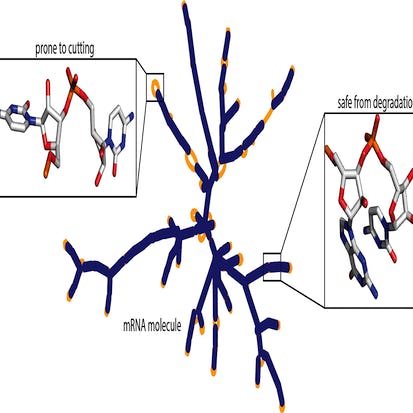
In this 2-hour long project-based course, you will learn how to predict mRNA Vaccine Degradation Rates at various positions of the molecule. Our model will predict likely degradation rates at each base of an RNA molecule which will be useful to develop models and design rules for RNA degradation. We will look at how to build a Bidirectional Gated Recurrent Units Neural Network which can predict the degradation for multiple scenarios at each of the base. We will cover how to train the model and evaluate on a test set. We will then finally make predictions using the trained model and compare it with the original degradation rates. Note: This course works best for learners who are based in the North America region. We’re currently working on providing the same experience in other regions.Auto Summary
Dive into the cutting-edge world of vaccine research with the "COVID-19 mRNA Vaccine Degradation Prediction" course. This intermediate-level, project-based course is designed to enhance your personal development skills over a concise period of 2 hours. Under the expert guidance of Coursera, you will explore the intricacies of predicting mRNA vaccine degradation rates at different molecular positions, equipping you with valuable knowledge applicable in biotechnology and medical research. Ideal for learners with some prior experience in the field, this course offers a focused and practical approach to understanding mRNA stability, crucial for advancements in vaccine technology. Best of all, you can access this transformative learning experience for free through Coursera's subscription model. Join now to advance your expertise and contribute to the future of vaccine development.

Speaking and Presenting: Poise
Poise is not some elusive or innate characteristic. It’s a series of choices, all of which can help you better connect with your intended audience. This course will help you identify those choices and teach you how to make them in a way that consistently enhances the clarity of your message and the effectiveness of your delivery.
Monthly Subscription Starting at AED 99 + VAT

- Level Foundation
- المدة 13 ساعات hours
- الطبع بواسطة University of Michigan
-
Offered by
عن
Poise is not some elusive or innate characteristic. It’s a series of choices, all of which can help you better connect with your intended audience. This course will help you identify those choices and teach you how to make them in a way that consistently enhances the clarity of your message and the effectiveness of your delivery.الوحدات
Hold People's Attention
-
1
Videos
-
4
Readings
1
Videos
- Hold People’s Attention
4
Readings
- Meet Professor Barry
- Teaching Style and Resources
- Syllabus
- University of Michigan Survey
P-R-O-D-U-C-T
-
1
Videos
-
1
Readings
1
Videos
- P-R-O-D-U-C-T
1
Readings
- (Optional) Introduction
P-R-O-D-U-C-T Element: Poise
-
4
Videos
-
2
Readings
-
2
Assignment
2
Assignment
- Low-Stakes Practice
- Low-Stakes Practice
4
Videos
- Poise
- The Virtue of Clarity
- Being in Public
- Charisma
2
Readings
- (Optional) Chapter 1—Poise
- (Optional) Class Clips
Carpool Charisma
-
2
Readings
-
1
Discussion
1
Discussions
- Carpool Charisma
2
Readings
- Exercise ("Carpool Charisma")
- Community Engagement Rules
Speaking Stats: Harper's Index
-
1
Readings
-
1
Discussion
1
Discussions
- Speaking Stats ("Harper's Index")
1
Readings
- Speaking Stats ("Harper's Index")
Edit Our Edits
-
1
Readings
1
Readings
- Edit Our Edits
Speaking Stories: Poise
-
3
Videos
-
1
Assignment
1
Assignment
- Low-Stakes Practice
3
Videos
- Speaking Stories: LBJ
- Speaking Stories: Winston Churchill
- Speaking Stories: RBG
Speaking Sagacity
-
1
Readings
-
1
Discussion
1
Discussions
- Speaking Sagacity
1
Readings
- Speaking Sagacity
Poise and Pronouns
-
2
Readings
-
1
Assignment
1
Assignment
- Low-Stakes Practice
2
Readings
- The Power of Pronouns
- Exercise―Chatter: How Well Do You Know Your Inner Voice?
Recap and Review
-
1
Discussion
-
1
Assignment
1
Assignment
- Week 1 Review
1
Discussions
- Week 1 Recap
Speaking Studies: Poise
-
3
Videos
-
1
Assignment
1
Assignment
- Low-Stakes Practice
3
Videos
- Speaking Studies: Teachers
- Speaking Studies: Comedians
- Speaking Studies: Perfect Pause
Speaking Exercise: "Pause Practice"
-
2
Readings
-
1
ExternalTool
1
External Tool
- (Optional) "Pause Practice" Feedback Gallery
2
Readings
- Speaking Exercise ("Pause Practice")
- How to Use the Gallery Tool
Speaking Exercise: "Moments of Silence"
-
1
Readings
-
1
Discussion
1
Discussions
- Speaking Exercise: Moments of Silence
1
Readings
- Speaking Exercise ("Moments of Silence")
Stage Fright and Choke Points
-
2
Readings
-
2
Discussion
2
Discussions
- Stage Fright
- Choke Points
2
Readings
- Stage Fright
- Choke Points
Zoom Fatigue (and Fixes)
-
1
Readings
-
1
Discussion
-
1
Assignment
1
Assignment
- Low-Stakes Practice
1
Discussions
- Zoom Fatigue (and Fixes)
1
Readings
- Zoom Fatigue (and Fixes)
Recap and Review
-
1
Discussion
-
1
Assignment
1
Assignment
- Week 2 Review
1
Discussions
- Week 2 Recap
P-R-O-D-U-C-T Element: Rhythm
-
7
Videos
-
2
Readings
-
2
Assignment
2
Assignment
- Low-Stakes Practice
- Low-Stakes Practice
7
Videos
- Rhythm
- More Saving. More Doing
- If You See Something, Say Something
- Parallel Structure
- The Rule of Three
- Same, Same, Kind of Different
- Verbal Technology
2
Readings
- (Optional) Rhythm—Chapter 2
- (Optional) Resources: Class Clips
Rap Rhythms
-
1
Readings
-
1
Discussion
1
Discussions
- Rap Rhythms
1
Readings
- Rap Rhythms
Speaking Stories: Rhythm
-
3
Videos
3
Videos
- Women’s Suffrage
- Slavery
- Suffrage and Slavery
Good Sentences, Good Speeches
-
1
Readings
-
1
Discussion
1
Discussions
- Good Sentences, Good Speeches ("Hollywood")
1
Readings
- Good Sentences, Good Speeches ("Hollywood")
Recap and Review
-
1
Discussion
-
1
Assignment
1
Assignment
- Week 3 Review
1
Discussions
- Week 3 Recap
Rhythm: Speaking Studies
-
3
Videos
-
1
Assignment
1
Assignment
- Low-Stakes Practice
3
Videos
- Speaking Studies: What Makes it Great?
- Speaking Studies: Creating Power
- Speaking Studies: Classical English Rhetoric
Speaking Exercise: Rhythm and Poise
-
1
Readings
-
1
ExternalTool
1
External Tool
- (Optional) Feedback Gallery
1
Readings
- Speaking Exercise ("Rhythm and Poise")
Speaking Exercise: Poem Share
-
1
Readings
-
1
Discussion
1
Discussions
- Poem Share
1
Readings
- Speaking Exercise ("Poem Share")
Context Matters
-
1
Readings
-
1
Assignment
1
Assignment
- Low-Stakes Practice ("Context Matters")
1
Readings
- Context Matters
Recap and Review
-
1
Discussion
-
1
Assignment
1
Assignment
- Week 4 Review
1
Discussions
- Week 4 Recap
Course Wrap-Up
-
2
Readings
-
1
Discussion
1
Discussions
- Course Takeaways
2
Readings
- Course Feedback
- "Good with Words: Writing and Editing" and Michigan Online
Auto Summary
Unlock the power of effective communication with "Speaking and Presenting: Poise," a foundational course designed to elevate your personal development skills. Guided by expert instructors from Coursera, this comprehensive program demystifies the concept of poise, showing you that it is not an elusive trait but a series of deliberate choices that can be cultivated. Throughout the course, you will learn how to make these choices to enhance the clarity of your message and improve your delivery consistently. The engaging content, spread over 780 minutes, is meticulously crafted to help you connect better with any audience, ensuring your presentations are impactful and memorable. This course is ideal for anyone looking to boost their public speaking and presentation skills, whether you're a beginner or seeking to refine your abilities. With the Starter subscription option, you can easily access this invaluable resource and begin your journey toward becoming a poised and effective communicator.