

Buy Now Free

- Level Foundation
- المدة 3 ساعات hours
-
Offered by

عن
In this 1-hour long project-based course, you will learn how to build and configure smart home devices using Packet Tracer. In this project, you will get an introduction to the Packet Tracer and the different components available in Packet Tracer. You will learn to configure a basic topology where you will write a simple python program on the single board computer to turn the led on and off using a switch. You will learn to build a complex topology where you will program the SBC board to connect and automate multiple home devices such as webcam, lamp, window, doors, and fans. You will also learn to simulate the topology to get the results of automation in Packet Tracer. Basics of Python programming are recommended. Note: This course works best for learners who are based in the North America region. We’re currently working on providing the same experience in other regions.Auto Summary
Unlock the potential of smart home automation with our engaging course, "Program Automation of Devices Using Packet Tracer," offered by Coursera. Dive into the world of personal development through a hands-on, 1-hour project-based learning experience. This course is designed to introduce you to Packet Tracer and its various components, enabling you to build and configure smart home devices with ease. Led by expert instructors, you'll start with a basic topology to control an LED using a switch and a simple Python program. Progressing to more complex setups, you'll learn to automate multiple home devices such as webcams, lamps, windows, doors, and fans, all through programming the SBC board. Simulate your configurations in Packet Tracer to see the results of your automation efforts come to life. Ideal for beginners with a foundational understanding of Python programming, this course is particularly suited for learners in North America, with plans to expand availability. With a concise duration of just 120 minutes, it fits seamlessly into your schedule, and is available through Coursera's Starter subscription. Join us to elevate your skills in smart home automation and bring your innovative ideas to reality.

Positive Psychology: Character, Grit and Research Methods
Learners discover how apply to research methods to their study of Positive Psychology. In this course, we study with Dr. Angela Duckworth and Dr. Claire Robertson-Kraft. Through an exploration their work "True Grit" and interviews with researchers and practitioners, you develop a research hypothesis and learn how to understand the difference between internal and external validity. You also begin to understand and apply the strengths and weaknesses associated with different types of measurements and evaluation designs. You then interpret the results in an empirical study.
Monthly Subscription Starting at AED 99 + VAT

- Level Foundation
- المدة 24 ساعات hours
- الطبع بواسطة University of Pennsylvania
-
Offered by
عن
Learners discover how apply to research methods to their study of Positive Psychology. In this course, we study with Dr. Angela Duckworth and Dr. Claire Robertson-Kraft. Through an exploration their work "True Grit" and interviews with researchers and practitioners, you develop a research hypothesis and learn how to understand the difference between internal and external validity. You also begin to understand and apply the strengths and weaknesses associated with different types of measurements and evaluation designs. You then interpret the results in an empirical study. Suggested prerequisites: Positive Psychology: Martin E. P. Seligman’s Visionary Science and Positive Psychology: Applications and Interventions.الوحدات
Lesson 1: Research Overview and Overview of Character
-
 2
Videos
2
Videos
-
 1
Readings
1
Readings
2
Videos
- 1.1 Planning for Research
- Angela Duckworth: Overview of Character
1
Readings
- True Grit: Trait-Level Perseverance and Passion for Long-Term Goals Predicts Effectiveness and Retention Among Novice Teachers
Lesson 2: Hypotheses and Theories
-
3
Videos
-
 1
Discussion
1
Discussion
1
Discussions
- Developing a hypothesis
3
Videos
- 1.2 Hypothesis and Theories
- Practitioner Interviews (1.2) Paddy Steinfort, Andrew Soren, David Meketon
- Angela Duckworth: Theory of Character
Lesson 3: Theory of Grit
-
3
Videos
-
1
Readings
3
Videos
- 1.3_Stages of the Research Process
- Practitioner Interviews (1.3) Andrew Soren
- Angela Duckworth: Theory of Grit
1
Readings
- Overview of the Research Process
Lesson 4: Validity
-
1
Videos
-
2
Readings
-
1
Discussion
-
 1
PeerReview
1
PeerReview
-
 1
Assignment
1
Assignment
1
Assignment
- Quiz 1
1
Peer Review
- Developing a hypothesis
1
Discussions
- Extension Assignment
1
Videos
- 1.4_Validity
2
Readings
- Module Overview
- Internal and External Validity: General Issues
Lesson 1: Data Collection Overview
-
4
Videos
-
2
Readings
4
Videos
- 2.1 Collecting Data
- Practitioner Interviews (2.1) David Meketon
- Angela Duckworth: 2.1- Self-Discipline Study
- Angela Duckworth: 2.1 All Measures are Imperfect
2
Readings
- Self-Discipline Outdoes IQ in Predicting Academic Performance of Adolescents
- Module 2 Validity Overview
Lesson 2: Quantitative Methods
-
4
Videos
-
4
Readings
-
1
Discussion
1
Discussions
- Operationalization Proposal
4
Videos
- 2.2 Quantitative Methods
- Practitioner Interview (2.2) Paddy Steinfort
- Angela Duckworth: 2.2 Self-Control Measures
- Angela Duckworth: 2.2 Grit Measures
4
Readings
- Grit Scale
- BioData Measure of Grit
- Self-Control Scale
- Development and Validation of the Short Grit Scale (Grit – S)
Lesson 3: Qualitative Methods
-
3
Videos
-
1
Readings
-
1
Discussion
-
1
PeerReview
-
1
Assignment
1
Assignment
- Module 2 Quiz
1
Peer Review
- Operationalization, Validity and Reliability
1
Discussions
- Extension Assignment
3
Videos
- 2.3 Qualitative Methods
- Practitioner Interview (2.3) Andrew Soren
- Angela Duckworth: 2.3 Qualitative Coding
1
Readings
- An Overview of Quantitative and Qualitative Data Collection Methods
Lesson 1: Data Analysis Overview
-
3
Videos
-
2
Readings
3
Videos
- 3.1 Data Analysis
- Angela Duckworth: 3.1 WOOP
- Practitioner Interview (3.1) David Meketon
2
Readings
- Lesson 1 Overview
- Research Methods Knowledge Base: Analysis
Lesson 2: Descriptive Methods
-
3
Videos
-
1
Readings
-
1
Discussion
1
Discussions
- Hypotheses and Analyses
3
Videos
- 3.2 Descriptive Analysis
- Practitioner Interview (3.2) Andrew Soren
- Angela Duckworth: 3.2 Purpose & Grit
1
Readings
- Research Methods Knowledge Base: Descriptive Statistics
Lesson 3: Inferential Methods
-
5
Videos
-
2
Readings
-
1
Discussion
-
1
PeerReview
-
1
Assignment
1
Assignment
- Module 3 Quiz
1
Peer Review
- Hypotheses and Analyses
1
Discussions
- Extension Assignment
5
Videos
- Inferential Statistics
- Angela Duckworth: 3.3 Correlation
- Angela Duckworth: 3.3 Effect Size
- Angela Duckworth: 3.3 Growth Mindset
- Practitioner Interview (3.3) Paddy Steinfort
2
Readings
- Research Methods Knowledge Database: Inferential Statistics
- Grit: Perseverance and Passion for Long-Term Goals
Lesson 1: Approaches to Research Design
-
3
Videos
-
1
Readings
-
1
Discussion
1
Discussions
- Research Design
3
Videos
- 4.1_Using Research
- Angela Duckworth: 4.1 Deliberate Practice
- Practitioner Interview: Andrew Soren and Paddy Steinfort
1
Readings
- Becoming an Educated Consumer of Research: A Quick Look at the Basics of Research Methodologies and Design
Lesson 2: The Anatomy of a Research Article
-
2
Videos
-
1
Readings
2
Videos
- 4.2_ The Anatomy of a Research Article
- Angela Duckworth: 4.2 Grit and Other People
1
Readings
- How to Read a Research Study Article
Lesson 3 A Review of Validity
-
4
Videos
-
2
Readings
-
1
Discussion
-
1
PeerReview
-
1
Assignment
1
Assignment
- Quiz 4
1
Peer Review
- Research Design
1
Discussions
- Extension Assignment
4
Videos
- 4.3_A Review of Validity
- Angela Duckworth: 4.3 Grit & Parenting
- Research: Angela Duckworth: Consequential Validity
- Practitioner Interview: (4.3) Andrew Soren
2
Readings
- Eavesdropping on Happiness
- Grit
Auto Summary
Discover the essentials of Positive Psychology with Dr. Angela Duckworth and Dr. Claire Robertson-Kraft. This foundational course delves into character, grit, and research methods, exploring key concepts such as internal and external validity, measurement types, and evaluation designs. Ideal for those in Personal Development, the course spans 1440 minutes and requires prior knowledge from relevant Positive Psychology courses. Available on Coursera with Starter and Professional subscription options.
Buy Now Free
- Level Professional
- المدة 3 ساعات hours
-
Offered by
عن
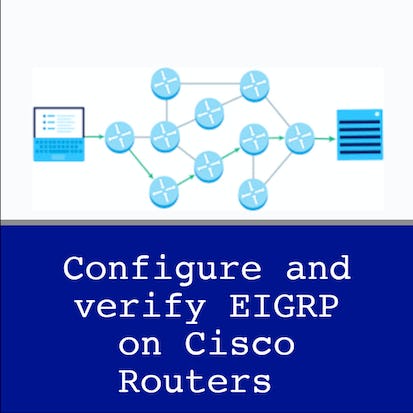
Welcome to the CCNA 1.7: Configuring and Verifying EIGRP. This project is the seventh in a CCNA learning series that is designed to help you acquire the hands-on skills required to pass the CCNA certification exam. In this 2-hour guided project, you will configure EIGRP on Cisco routers, troubleshoot EIGRP connectivity, and verify EIGRP routes on Cisco routers.Auto Summary
Explore the CCNA 1.7 course on Configuring and Verifying EIGRP, designed for personal development. Taught by expert instructors on Coursera, this intermediate-level course spans 180 minutes and is available for free. Ideal for those looking to enhance their networking skills.
Buy Now Free
- Level Foundation
- المدة 3 ساعات hours
-
Offered by
عن
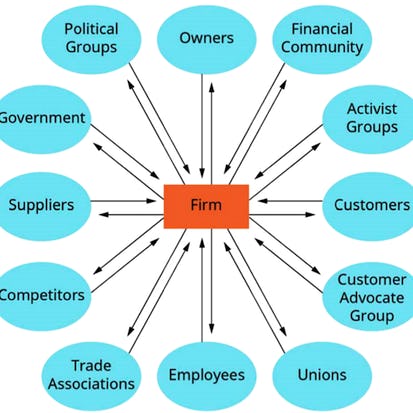
By the end of this project, you will be able to identify critical players within a stakeholder map. To do this, you will gain hands-on experience applying design thinking and user experience research to align the right stakeholders with their influence upon project success in the Miro online visual collaboration platform for teamwork. Note: This course works best for learners who are based in the North America region. We’re currently working on providing the same experience in other regions.Auto Summary
Unlock the power of stakeholder mapping with the course "Involve Critical Players with Stakeholder Maps in Miro." Perfect for beginners in the realm of personal development, this engaging 180-minute course on Coursera will equip you with the skills to identify key stakeholders effectively. Guided by expert instruction, you'll delve into the essentials of mapping critical players, enhancing your ability to manage and involve stakeholders in any project. Best of all, it's free to join, making it an accessible opportunity to boost your professional toolkit. Whether you're just starting out or looking to refine your skills, this course offers invaluable insights to elevate your stakeholder management practices.

Foundations of Teaching for Learning: Introduction to Student Assessment
The Foundations of Teaching for Learning programme is for anyone who is teaching, or who would like to teach, in any subject and any context - be it at school, at home or in the workplace. With dynamic lessons taught by established and respected professionals from across the Commonwealth, this eight course programme will see you develop and strengthen your skills in teaching, professionalism, assessment, and more. As you carry on through the programme, you will find yourself strengthening not only your skills, but your connection with colleagues across the globe.
Monthly Subscription Starting at AED 99 + VAT
- Level Foundation
- المدة 13 ساعات hours
- الطبع بواسطة Commonwealth Education Trust
-
Offered by
عن
The Foundations of Teaching for Learning programme is for anyone who is teaching, or who would like to teach, in any subject and any context - be it at school, at home or in the workplace. With dynamic lessons taught by established and respected professionals from across the Commonwealth, this eight course programme will see you develop and strengthen your skills in teaching, professionalism, assessment, and more. As you carry on through the programme, you will find yourself strengthening not only your skills, but your connection with colleagues across the globe. A professional development opportunity not to be missed. There are various techniques which help to assess student learning. This course helps teacher to acquire the skills to develop and use appropriate assessment procedures. Enhance your course by joining the Commonwealth teaching community on our website, Facebook and Twitter.الوحدات
WEEK ONE
-
5
Videos
-
4
Readings
-
1
Assignment
1
Assignment
- Quiz 1
5
Videos
- How societies use assessment and what you believe are the purposes of assessment
- Formative & Summative: Understanding the impact of timing on assessment decisions
- The Curriculum-Teaching-Assessment cycle: A framework for integrating assessment with instruction
- Cultural Concern: Perspectives of minorities on educational assessment
- Discussion 1
4
Readings
- General Overview
- Syllabus
- Grading and Logistics
- Outline for Week One
WEEK TWO
-
5
Videos
-
1
Readings
-
1
PeerReview
-
1
Assignment
1
Assignment
- Quiz 2
1
Peer Review
- Peer Assessment One
5
Videos
- Feedback Effectiveness: Hattie & Timperley’s framework; Gan’s Question prompts
- Building Feedback into Teaching: Goals/Intentions; Strengths & Weaknesses
- Teacher & Student perceptions of feedback
- Cultural Concern: Perspectives of minorities on appropriate feedback mechanisms
- Interview 1
1
Readings
- Outline for Week Two
WEEK THREE
-
5
Videos
-
1
Readings
-
1
Assignment
1
Assignment
- Quiz 3
5
Videos
- Reporting useful feedback: Where now, where going, what next?
- Grades, ranks, and scores: Problems with using these approaches
- Reporting against objectives, not test questions or items
- Cultural Concern: Perspectives of minorities on appropriate reporting mechanisms
- Discussion 2
1
Readings
- Outline for Week Three
WEEK FOUR
-
5
Videos
-
1
Readings
-
1
PeerReview
-
1
Assignment
1
Assignment
- Quiz 4
1
Peer Review
- Peer Assessment Two
5
Videos
- Anatomy of a good MCQ: The Question and Answer
- Anatomy of a good MCQ: The Wrong Answers
- Valid alternatives to bad MCQ: Binary choice; Matching
- Valid alternatives to bad MCQ: Sequencing; Sorting
- Interview two
1
Readings
- Outline for Week Four
WEEK FIVE
-
5
Videos
-
1
Readings
-
1
Assignment
1
Assignment
- Quiz 5
5
Videos
- Human judgement: Being aware of the errors we make
- Guiding judgements: Analytic & Holistic Rubric design and use
- Essay marking: Working towards more reliable and valid scoring
- Moderation: A key to ensuring reliable and valid scoring
- Discussion 3
1
Readings
- Outline for Week Five
WEEK SIX
-
5
Videos
-
1
Readings
-
1
Assignment
1
Assignment
- Quiz 6
5
Videos
- Rationale and Goals of Involving Students: Improved learning & self-regulation
- Good Peer Assessment practices
- Good Self-Assessment practices
- Concerns with peer and self-assessment: Keeping in mind validity
- Interview 3
1
Readings
- Outline for Week Six
Auto Summary
Discover the "Foundations of Teaching for Learning: Introduction to Student Assessment," a personal development course designed for current and aspiring teachers across various subjects and contexts. This program, offered by Coursera and taught by esteemed professionals from the Commonwealth, spans 780 minutes and focuses on enhancing your assessment skills. Join a global teaching community and choose from Starter or Professional subscription options. Ideal for educators seeking to refine their teaching and assessment techniques while connecting with peers worldwide.

Engaging and Assessing Students with Plickers
By the end of this project, you will have created a Plickers account complete with Plickers assessments, fully equipping you to begin using Plickers with your students right away. Plickers is a free online tool that allows you to instantly check student understanding. Best of all - your students do not need their own devices in order to use Plickers. Plickers allows students to respond with QR codes as you scan the room to check for understanding!
Buy Now Free
- Level Foundation
- المدة 2 ساعات hours
- الطبع بواسطة Coursera
-
Offered by
عن
By the end of this project, you will have created a Plickers account complete with Plickers assessments, fully equipping you to begin using Plickers with your students right away. Plickers is a free online tool that allows you to instantly check student understanding. Best of all - your students do not need their own devices in order to use Plickers. Plickers allows students to respond with QR codes as you scan the room to check for understanding! During this project, we will work together to set up your Plickers account and learn how to create assessments you can use with your class or at home. We will also learn how to use the data we collect from these assessments in order to inform and adjust our instruction. *You will need a free Plickers account for this project.الوحدات
Practical Application via Rhyme
-
1
Readings
-
 1
Plugin
1
Plugin
-
 1
Lab
1
Lab
-
1
Assignment
1
Assignment
- Engaging and Assessing Students with Plickers
1
Labs
- Engaging and Assessing Students with Plickers
1
Readings
- Engaging and Assessing Students with Plickers
Auto Summary
Engage and assess your students effortlessly with the "Engaging and Assessing Students with Plickers" course. Tailored for personal development, this beginner-friendly course by Coursera guides you in setting up a free Plickers account and creating effective assessments. Without requiring student devices, Plickers uses QR codes to gauge understanding instantly. Over 120 minutes, learn to collect and utilize assessment data to enhance instruction. Ideal for educators seeking innovative and accessible assessment tools, this course offers a free subscription option.
Buy Now Free

- Level Foundation
- المدة 2 ساعات hours
-
Offered by
عن
In this 1.5 hour long project-based course, you will learn about constants and variables in TensorFlow, you will learn how to use automatic differentiation, and you will apply automatic differentiation to solve a linear regression problem. By the end of this project, you will have a good understanding of how machine learning algorithms can be implemented in TensorFlow. In order to be successful in this project, you should be familiar with Python, Gradient Descent, Linear Regression. Note: This course works best for learners who are based in the North America region. We’re currently working on providing the same experience in other regions.Auto Summary
Discover the fundamentals of TensorFlow with "Regression with Automatic Differentiation in TensorFlow," a beginner-friendly, 1.5-hour project-based course. Led by Coursera, this free course delves into constants, variables, and the application of automatic differentiation to solve linear regression problems. Ideal for those looking to enhance their personal development skills in machine learning.

Supporting Clients
To reach your goal of becoming a Career Coach or Navigator, you have learned about relationship management and human-centered career coaching in course 1 and gained skills to recruit and work with clients in course 2. This third course in the Career Coach and Navigator Professional Certificate will help you advise people as they move along their career paths; assist with job searches, interviewing, and resume creation; and set them up for success as they start their careers. By the end of the course, you will be able to: 1.
Monthly Subscription Starting at AED 99 + VAT

- Level Foundation
- المدة 18 ساعات hours
- الطبع بواسطة Goodwill Industries International
-
Offered by
عن
To reach your goal of becoming a Career Coach or Navigator, you have learned about relationship management and human-centered career coaching in course 1 and gained skills to recruit and work with clients in course 2. This third course in the Career Coach and Navigator Professional Certificate will help you advise people as they move along their career paths; assist with job searches, interviewing, and resume creation; and set them up for success as they start their careers. By the end of the course, you will be able to: 1. Assist people who desire to pursue a career, make a career change, or work towards career advancement. 2. Guide people in finding relevant employment opportunities that meet their needs and the labor market. 3. Assist, review, and provide feedback on developing resumes, CVs, and cover letters. 4. Help people develop interviewing skills. To be successful in this course, no prior experience with career coaching or navigation is required; but we recommend completing the first two courses in the program so you can build on the knowledge and skills from those courses here.الوحدات
Addressing Basic Needs
-
4
Videos
-
3
Readings
-
2
Discussion
-
1
Assignment
1
Assignment
- Assessing and Addressing Basic Needs Quiz
2
Discussions
- How will crisis counseling strategies help you in your role?
- How can you use motivational interviewing to assess social service needs?
4
Videos
- Crisis Counseling
- Assess Social Services Needs
- Motivational Interviewing
- Overcoming Obstacles
3
Readings
- Welcome to the Course
- Crisis Counseling Case Study
- Motivational Interviewing Example
Career Advising and Guidance
-
2
Videos
-
1
Readings
-
1
Discussion
-
1
Assignment
1
Assignment
- Providing Career Guidance Quiz
1
Discussions
- How has a mentor helped you in your career?
2
Videos
- Occupational Guidance
- Career Coaching
1
Readings
- Career Coaching Case Study
Career Launch
-
2
Videos
-
1
Readings
-
1
Discussion
-
1
Assignment
1
Assignment
- Career Navigation and Guidance Quiz
1
Discussions
- How can you assist clients with career advancement or entrepreneurship?
2
Videos
- Career Advancement
- Sustainable Income
1
Readings
- The Gig Economy Case Study
Online Job Search Tools and Resources
-
4
Videos
-
2
Readings
-
1
Discussion
-
1
Assignment
1
Assignment
- Job Search Tools for Today Quiz
1
Discussions
- What job search strategies will you adopt to help your clients?
4
Videos
- Data Sources for Career Exploration
- Hiring Events
- Employer or National Job Boards
- Looking for Jobs Outside Traditional Employment
2
Readings
- Career Exploration
- Internships, Apprenticeships and Volunteer Positions
Professional Networking Plan
-
3
Videos
-
1
Readings
-
1
Discussion
-
1
Assignment
1
Assignment
- Networking Success Quiz
1
Discussions
- How can you assist clients with creating questions for informational interviews?
3
Videos
- Gathering Contacts
- Informational Interviews
- Designing and Executing a Networking Plan
1
Readings
- Networking Events - How to Get Interviews
Cultivating Learning, Growth and Development
-
4
Videos
-
1
Readings
-
1
Discussion
-
1
Assignment
1
Assignment
- Job Search Planning and Lifelong Learning Quiz
1
Discussions
- How would you encourage a client to become a life-long learner?
4
Videos
- Secondary Education and GEDs
- Higher Education
- Credentialing Programs
- Workforce Development
1
Readings
- Career Ladders vs. Lattices
Writing Cover Letters and Resumes
-
4
Videos
-
1
Readings
-
1
Discussion
-
1
Assignment
1
Assignment
- Preparing for Success Quiz
1
Discussions
- How can you assist the client with building a skill portfolio?
4
Videos
- Writing Cover Letters
- Types of Resumes
- Developing Broad-Based Resumes
- Building Work and Skill Portfolios
1
Readings
- How to Write an Effective Resume
Personal Branding
-
4
Videos
-
1
Readings
-
1
Discussion
-
1
Assignment
1
Assignment
- Personal Branding and Social Presence Quiz
1
Discussions
- How would you persuade the client to make changes to their social media accounts?
4
Videos
- Creating Personal Brands
- Social Media Presence
- Managing an Online Identity
- LinkedIn Profiles
1
Readings
- Poor Social Media Presence Example
Interviewing
-
5
Videos
-
2
Readings
-
1
Discussion
-
1
Assignment
1
Assignment
- Strategies for Successful Interviews Quiz
1
Discussions
- What steps would you take to help a client prepare for an online interview?
5
Videos
- Researching Companies Before Interviewing
- Interview Types and Styles
- Skill- and Competency-Based Interviews
- Interview Strategies
- The Impact of Thank You
2
Readings
- Questions to Ask After an Interview
- How to Prepare for Interviews
Onboarding Preparation
-
7
Videos
-
1
Readings
-
1
Discussion
-
1
Assignment
1
Assignment
- Preparing for Onboarding Success Quiz
1
Discussions
- What actions have you taken to ensure a successful first day at work?
7
Videos
- Having a Successful First Day
- Onboarding Essentials
- Obtaining Identification Documents
- Completing Tax Documents
- Contractors and Taxes
- Identifying Your Support Team
- Reaching Out to Career Navigators
1
Readings
- Tax Resources
Finances and Benefits
-
6
Videos
-
1
Readings
-
1
Discussion
-
1
Assignment
1
Assignment
- Understanding Finances and Benefits Quiz
1
Discussions
- How can you prepare for financial conversations with clients?
6
Videos
- Navigating Financial Conversations
- Introduction to Employment Benefits
- If the Client Doesn’t Have a Bank Account
- Preparing for The Benefits Cliff
- Payday Loans
- Banking and Financial Resources
1
Readings
- Navigating the Benefits Cliff
Salary and Wage Negotiation
-
1
Videos
-
2
Readings
-
1
Discussion
-
1
PeerReview
-
1
Assignment
1
Assignment
- Setting the Stage for Success Quiz
1
Peer Review
- Preparing Clients for a New Career
1
Discussions
- How would you help a client build confidence with negotiating their salary?
1
Videos
- Negotiation Skills and Techniques
2
Readings
- Negotiation Practice
- Building Confidence
Auto Summary
Unlock your potential as a Career Coach with "Supporting Clients," a foundational Coursera course in Personal Development. Guided by expert instructors, you'll master the art of career advising, job search assistance, resume creation, and interview preparation. Suitable for beginners, this 1080-minute course is part of the Career Coach and Navigator Professional Certificate. Available via Starter and Professional subscriptions, it's perfect for aspiring career coaches ready to make a meaningful impact.
Buy Now Free
- Level Professional
- المدة 1 ساعات hours
-
Offered by
عن
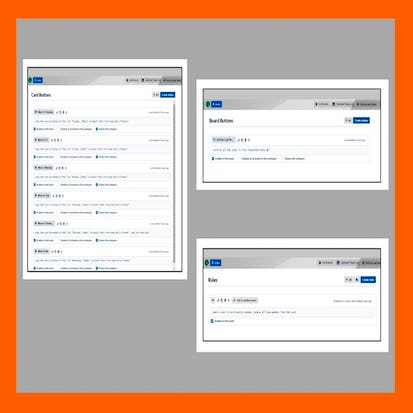
Apps that help you to get organized and manage projects can be useful but you can even take them to the next level and use automations to save yourself more time. Trello has the option to add buttons to make operations quick and easy and rules that occur when triggered by an action on the Trello board. Administrative tasks can take up a lot of time but you need them to be completed to keep your projects on track and your organization to run smoothly. By the end of this project, you will be able to take a few moments to set up rules without using coding to save yourself time using automations on your Trello board.Auto Summary
Discover how to enhance your project management skills with "Use Automation in Trello," an intermediate-level course offered by Coursera. This 1-hour personal development course focuses on leveraging automations in Trello to save time and boost productivity. Perfect for those looking to optimize their organizational tools, and it's free to enroll!

Communicating In Groups and Teams
Do you want to handle team communications with greater clarity and focus? Learn to set expectations and guide group discussions in this Communicating in Groups and Teams course!
Monthly Subscription Starting at AED 99 + VAT
- Level Foundation
- المدة 10 ساعات hours
- الطبع بواسطة Arizona State University
-
Offered by
عن
Do you want to handle team communications with greater clarity and focus? Learn to set expectations and guide group discussions in this Communicating in Groups and Teams course!الوحدات
Welcome
-
1
Readings
-
2
Plugin
1
Readings
- Welcome to Communicating in Groups and Teams!
Maximizing productive team cultures
-
3
Readings
-
1
Discussion
-
1
PeerReview
-
3
Plugin
1
Peer Review
- Apply the solution: Setting the team up for success
1
Discussions
- Reflect on the solution: Maximizing productive team cultures
3
Readings
- Practice the solution: Creating a positive team culture
- Infographic: Maximizing a productive team culture
- Maximizing productive team cultures: Key takeaways
Facilitating group meetings
-
3
Readings
-
1
Discussion
-
1
PeerReview
-
3
Plugin
1
Peer Review
- Apply the solution: Growing as a facilitator
1
Discussions
- Reflect on the solution: Facilitate group meetings
3
Readings
- Practice the solution: Facilitating group meetings
- Infographic: How to facilitate an effective meeting
- Facilitating group meetings: Key takeaways
Using active listening with teams
-
3
Readings
-
1
Discussion
-
1
PeerReview
-
3
Plugin
1
Peer Review
- Apply the solution: Listening as a practice
1
Discussions
- Reflect on the solution: Using active listening with teams
3
Readings
- Practice the solution: Using active listening with your team
- Infographic: The HURIER Model for Active Listening
- Using active listening with teams: Key takeaways
Reacting productively to conflicts
-
3
Readings
-
1
Discussion
-
1
PeerReview
-
3
Plugin
1
Peer Review
- Apply the solution: Resolving conflict at work
1
Discussions
- Reflect on the solution: Reacting productively to conflicts
3
Readings
- Practice the solution: Reacting productively to conflict
- Infographic: Strategy for conflict resolution
- Reacting productively to conflict: Key takeaways
Getting and giving group feedback
-
3
Readings
-
1
Discussion
-
1
PeerReview
-
3
Plugin
1
Peer Review
- Apply the solution: Giving effective feedback
1
Discussions
- Reflect on the solution: Getting and giving group feedback
3
Readings
- Practice the solution: Giving feedback to peers
- Infographic: Soliciting and giving feedback
- Getting and giving group feedback: Key takeaways
Course Conclusion
-
1
Readings
-
1
Plugin
1
Readings
- Final Thoughts
Auto Summary
Unlock the secrets to effective team communication with the "Communicating in Groups and Teams" course, designed to enhance your personal development skills. This foundational course, offered by Coursera, focuses on improving your ability to set clear expectations and steer group discussions with precision. Over a comprehensive 600-minute duration, you'll gain valuable insights and practical techniques to elevate your team interactions. Ideal for beginners, this course is available through a Starter subscription, making it accessible for anyone eager to refine their communication prowess in a group setting. Join now and transform the way you connect and collaborate with your team!