


Create a High-Fidelity Prototype with Figma
In this 1 hour guided project, you will first learn the fundamental principles of high-fidelity prototyping. Then you will learn the basic techniques of using Figma to create a high-fidelity prototype for a pizza restaurant mobile application. High-fidelity prototypes closely resemble the final product and give users and developers a real taste of how the features work. Finally you will learn how to share your work with team members and clients to refine your design with them.
Buy Now Free
- Level Foundation
- المدة 4 ساعات hours
- الطبع بواسطة Coursera
-
Offered by

عن
In this 1 hour guided project, you will first learn the fundamental principles of high-fidelity prototyping. Then you will learn the basic techniques of using Figma to create a high-fidelity prototype for a pizza restaurant mobile application. High-fidelity prototypes closely resemble the final product and give users and developers a real taste of how the features work. Finally you will learn how to share your work with team members and clients to refine your design with them. Prior knowledge with basic mobile application user interface is recommended. An account with Figma is required for this project. If you do not already have an account. You can create a free account with Figma. To make your learning experience smoother, please do so prior to starting the project.الوحدات
Your Learning Journey
-
 1
Readings
1
Readings
-
 1
Plugin
1
Plugin
-
 1
Lab
1
Lab
-
 1
Assignment
1
Assignment
 1
Assignment
1
Assignment
- Assess Your Knowledge of Figma
 1
Labs
1
Labs
- Create a High-Fidelity Prototype with Figma
1
Readings
- Project Overview
Auto Summary
Unlock the essentials of high-fidelity prototyping with this 1-hour guided course on Figma. Perfect for beginners in personal development, you'll design a mobile app for a pizza restaurant, gaining hands-on experience in creating realistic prototypes. Share your work seamlessly with team members and clients for feedback. Prior mobile UI knowledge is recommended. Available on Coursera for free!
Create a quiz using Microsoft Forms
At the end of this project you will have created an online questionnaire, aimed at students, employees, or your team. The responses are accumulated in the Forms online portal and then you can access statistical information related to the data. Microsoft Forms is an amazing tool for educators and businesses.
Buy Now Free
- Level Foundation
- المدة 1 ساعات hours
- الطبع بواسطة Coursera
-
Offered by
عن
At the end of this project you will have created an online questionnaire, aimed at students, employees, or your team. The responses are accumulated in the Forms online portal and then you can access statistical information related to the data. Microsoft Forms is an amazing tool for educators and businesses.الوحدات
Your Learning Journey
-
1
Readings
-
1
Plugin
-
1
Lab
-
1
Assignment
1
Assignment
- Assess Your Knowledge
1
Labs
- Create a quiz using Microsoft Forms
1
Readings
- Project Overview
Auto Summary
Create a quiz using Microsoft Forms is a beginner-friendly course by Coursera, focusing on personal development. Ideal for educators and businesses, it teaches you how to create online questionnaires and analyze responses. This one-day course is free to access.
Monthly Subscription Starting at AED 99 + VAT

- Level Foundation
- المدة 8 ساعات hours
- الطبع بواسطة Nanyang Technological University, Singapore
-
Offered by
عن
The purpose of this course is to equip parents and educators with the knowledge of motivational theories and their application in real-life contexts. Following the storyline of two children, Bob and Sarah, course participants are presented with a variety of problem scenarios. These depict common motivational issues that the participants can resolve using the motivational principles described in the course. Through the various sessions, parents and educators will progressively build a repertoire of strategies that enable them to better understand the Gen Z learners and to enhance their motivation to learn. Course participants will also have the opportunity to check their own understanding through quizzes and to interact with one another through discussion forums. This course was created with the National Institute of Education at Nanyang Technological University, Singapore. About National Institute of Education (NIE) As an autonomous institute of the Nanyang Technological University, the National Institute of Education (NIE), Singapore, is Singapore’s national teacher education institute and plays a key role in the preparation of teachers and in the provision of teacher professional and school leadership development programmes. Its university-based teacher education programmes leverage the strong partnerships with the Ministry of Education and Singapore schools to develop teachers who are grounded in theory and strong in practice. As an institute within a world-class research university, NIE also offers rigorous graduate education in the form of masters and doctoral programmes for local and international students.الوحدات
Session 1 - Understanding what motivates behavior: Do punishments and rewards work?
-
 6
Videos
6
Videos
-
13
Readings
-
3
Discussion
-
8
Plugin
-
3
Assignment
3
Assignment
- Identifying the Sources of Motivation in Bob’s Actions
- Identify the type of motivational regulation shown by the following individuals.
- Assessment for Session 1
3
Discussions
- What Are Your Motivations?
- Discussion Point 2: Reinforcers and Punishments You Have Administered
- Discussion Point 3: What Sort of Rewards Would You Issue?
6
Videos
- Bob the Gamer Part 1: Play First, Eat Later
- Bob the Gamer Part 2: Mom’s Threats
- Bob the Gamer Part 3: Don’t You Like Math?
- Bob the Gamer Part 4: Who Gets Hot Chocolate?
- Bob the Gamer Part 4: Who Gets Hot Chocolate? (Activity)
- Bob the Gamer Part 5: Mrs John’s Experiment
13
Readings
- Connect With Us
- Learning Outcomes
- Why are some children more motivated to learn than others?
- An introduction to Bob
- Three Aspects of Motivation
- Extrinsic versus Intrinsic Motivation
- Implications of Extrinsic and Intrinsic Motivation
- Research Findings on More Autonomous Forms of Extrinsic Motivation
- Behaviourist Approach
- Behavioural Theory: Skinner’s Operant Conditioning
- Further Approaches to the Study of Motivation
- Overview of e-learning courseware: Motivating Gen Z Learners
- Participant Feedback on Session 1
Session 2 - Looking into the Needs of Learners: Needs-Based Theories of Motivation
-
2
Videos
-
11
Readings
-
4
Discussion
-
8
Plugin
-
1
Assignment
1
Assignment
- Assessment for Session 2
4
Discussions
- Discussion Point 1: Your Thoughts on Maslow’s Hierarchy of Needs
- Discussion Point 2: Actions that promote the 3 psychological needs.
- Discussion Point 3: Actions that might have counteracted the promotion of the 3 psychological needs.
- Discussion Point 4: How would you do things differently?
2
Videos
- The boys’ motivation for playing soccer part 1
- The boys’ motivation for playing soccer part 2
11
Readings
- Learning Outcomes
- Overview for Session 2
- Humanistic Approach
- Maslow’s Hierarchy of Needs
- Three Basic Psychological Needs
- Recap: Intrinsic and Extrinsic Motivation
- Relationship between SDT and Intrinsic Motivation
- Psychological Needs: What Drives Us?
- How can we promote autonomy, competence and relatedness?
- Conclusion
- Participant Feedback on Session 2
Session 3 - Mindsets and Causal Attributions for Success and Failure
-
1
Videos
-
13
Readings
-
2
Discussion
-
14
Plugin
-
2
Assignment
2
Assignment
- Identify The Types Of Mindset Shown By The Following Individuals
- Assessment for Session 3
2
Discussions
- Discussion Point 1:What Type Of Mindset Do You Have?
- Discussion Point 2: What Should We Do As Parents And Teachers?
1
Videos
- Sarah’s and Liz’s Choir Audition
13
Readings
- Learning Outcomes
- Overview of Session 3
- Different Approaches to Motivation
- Sarah’s and Liz’s Motivations
- Lessons from the Choir Audition
- What Can We Learn from Mrs Tan, Bob and Sarah?
- What We Have Learned So Far
- What are Causal Attributions?
- Causal Attributions for Success and Motivation
- Causal Attributions for Failure an Their Effects on Motivation
- What Can We Learn From Mrs John And Sam’s Mother?
- Conclusion
- Participant Feedback on Session 3
Session 4 - The Self-Regulated Learner
-
2
Videos
-
12
Readings
-
3
Discussion
-
22
Plugin
-
1
Assignment
1
Assignment
- Assessment for Session 4
3
Discussions
- Discussion Point 1
- Discussion Point 2: Sharing Effective Strategies
- Discussion Point 3: Doing Things Differently
2
Videos
- Video: Strategic Action
- Video Activity: Three Days Left To The Examinations!
12
Readings
- What Have We Covered So Far?
- Overview of Session 4
- Session Objectives
- The Discovery of Self-Regulated Learning
- Defining Self-Regulated Learning
- Dimensions of Self-Regulated Learning (SRL)
- What Can We Learn From Liz?
- What Is The Difference Between Cognition And Metacognition?
- Supporting the Development of SRL
- Promoting SRL: A Summary
- Conclusion
- Participant Feedback on Session 4
Auto Summary
"Motivating Gen Z Learners: What Parents and Teachers Need to Know" is a foundational course focused on personal development. Created by the National Institute of Education at Nanyang Technological University, it equips parents and educators with motivational strategies through real-life scenarios involving Gen Z learners. The 480-minute course includes quizzes and discussion forums for interactive learning, available on Coursera with Starter and Professional subscription options. Ideal for those looking to enhance their understanding and application of motivational theories in educational contexts.
Buy Now Free
- Level Professional
- المدة 3 ساعات hours
-
Offered by
عن
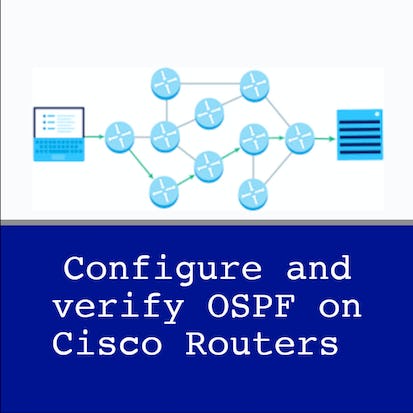
Welcome to the CCNA 1.6: Configuring and Verifying OSPF operation. This project is the sixth in a CCNA learning series that is designed to help you acquire the hands-on skills required to pass the CCNA certification exam. In this 2-hour guided project, you will setup OSPF on Cisco routers, configure OSPF router ID and priority to influence OSPF operation, set up unequal path load balancing, and verify OSPF configuration and operation.Auto Summary
Explore the ins and outs of OSPF operation with CCNA 1.6, an intermediate-level course on Coursera. Led by expert instructors, this 180-minute course in Personal Development offers free subscriptions and is perfect for those looking to enhance their networking skills.
Monthly Subscription Starting at AED 99 + VAT

- Level Foundation
- المدة 10 ساعات hours
- الطبع بواسطة University of Colorado System
-
Offered by
عن
In this course we will examine the aviation and Internet infrastructures, and various policies that have been developed to help guide and strengthen their cybersecurity programs. The aviation and Internet infrastructures are also considered "lifeline infrastructure" as part of the transportation and communications sectors. Both subsectors are overseen by the Department of Homeland Security National Protection and Programs Directorate which manages the DHS National Infrastructure Protection Program. SSA responsibility for the aviation subsector is shared between the Transportation Security Administration and Federal Aviation Administration under the auspices of the Department of Homeland Security and Department of Transportation respectively. The Department of Homeland Security retains sole responsibility as the Sector-Specific Agency for the Internet subsector. While TSA and FAA have regulatory over the aviation subsector, DHS has no regulatory authority whatsoever over the Internet. In response to Executive Order 13636 issued by President Obama in February 2013, both sets of SSAs recommended continuing with voluntary cybersecurity measures. TSA and FAA reported they were working to implement the Transportation Roadmap across all transportation subsectors, including aviation. DHS reported that it was working with Internet providers to implement the Cyber Assessment Risk Management Approach. Despite some differences, the Transportation Roadmap and CARMA are very similar to the NIST Cybersecrity Framework and ES-C2M2 examined previously. That is to say, they are predicated on a continuous improvement process that engages the whole organization in identifying and implementing incremental changes to enhance cybersecurity practices based on prevailing standards. This module will examine both the aviation and Internet lifeline infrastructure subsectors, and elements and application of the Transportation Roadmap and CARMA.الوحدات
Course 3 Introduction
-
1
Videos
-
1
Readings
1
Videos
- Course 3 Introduction
1
Readings
- Get help and meet other learners. Join your Community!
L21 Aviation Infrastructure
-
1
Videos
-
2
Readings
-
1
Assignment
1
Assignment
- L21 Challenge Questions
1
Videos
- L21 Aviation Infrastructure
2
Readings
- Aviation Security (Optional)
- International Aviation (Optional Video)
L22 Aviation Transportation Roadmap
-
1
Videos
-
1
Readings
-
1
Assignment
1
Assignment
- L22 Challenge Questions
1
Videos
- L22 Aviation Transportation Roadmap
1
Readings
- Transportation Roadmap (Optional)
Module 9 Discussion
-
1
Discussion
1
Discussions
- What do you think?
L23 Fixed vs. Mobile Infrastructure
-
1
Videos
-
1
Assignment
1
Assignment
- L23 Challenge Questions
1
Videos
- L23 Fixed vs. Mobile Assets
L24 Applying the Transportation Roadmap (1 of 2)
-
1
Videos
-
1
Assignment
1
Assignment
- L24 Challenge Questions
1
Videos
- L24 Applying Transportation Roadmap (1)
L25 Applying the Transportation Roadmap (2 of 2)
-
1
Videos
-
1
Assignment
1
Assignment
- L25 Challenge Questions
1
Videos
- L25 Applying Transportaton Roadmap (2)
Module 10 Discussion
-
1
Discussion
1
Discussions
- What do you think?
Exam 5
-
1
Assignment
1
Assignment
- Exam 5
L26 Internet Infrastructure
-
1
Videos
-
2
Readings
-
1
Assignment
1
Assignment
- L26 Challenge Questions
1
Videos
- L26 Internet Infrastructure
2
Readings
- DHS Cybersecurity (Optional)
- Hidden Infrastructure of the Internet (Optional Video)
L27 Cyber Assessment Risk Management Approach
-
1
Videos
-
2
Readings
-
1
Assignment
1
Assignment
- L27 Challenge Questions
1
Videos
- L27 CARMA
2
Readings
- CARMA Brief Description (Optional)
- Cyber Risk Management (Optional Video)
Module 11 Discussion
-
1
Discussion
1
Discussions
- What do you think?
L28 Applying CARMA (1 of 3)
-
1
Videos
-
1
Assignment
1
Assignment
- L28 Challenge Questions
1
Videos
- L28 Applying CARMA (1)
L29 Applying CARMA (2 of 3)
-
1
Videos
-
1
Assignment
1
Assignment
- L29 Challenge Questions
1
Videos
- L29 Applying CARMA (2)
L30 Applying CARMA (3 of 3)
-
1
Videos
-
1
Assignment
1
Assignment
- L30 Challenge Questions
1
Videos
- L30 Applying CARMA (3)
Module 12 Discussion
-
1
Discussion
1
Discussions
- What do you think?
Exam 6
-
1
Assignment
1
Assignment
- Exam 6
Course Project Part 3
-
1
Assignment
1
Assignment
- Assessing Risk
Auto Summary
Explore the course "Cybersecurity Policy for Aviation and Internet Infrastructures" to delve into critical cybersecurity policies within the aviation and internet domains. Under the guidance of Coursera, learners will investigate the roles of TSA, FAA, and DHS, and their strategies like the Transportation Roadmap and CARMA. Ideal for those in personal development, this 600-minute foundational course is available through Starter and Professional subscription plans, catering to individuals keen on enhancing their cybersecurity expertise.
Communicate UX Research with Empathy Maps in Miro
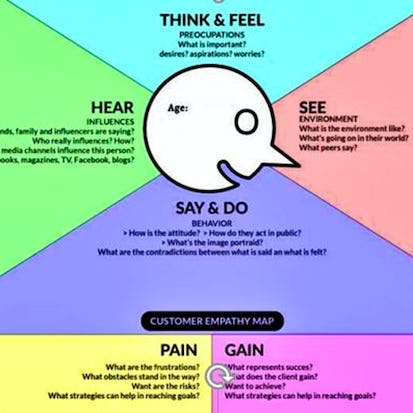
By the end of this project, you will be able to leverage applied empathy to interpret User Experience research so that it can be effectively communicated within an empathy map visualization. To do this, you will gain hands-on experience applying design thinking, empathy, and context from User Experience research to create an empathy map in the Miro online visual collaboration platform for teamwork. Note: This course works best for learners who are based in the North America region. We’re currently working on providing the same experience in other regions.
Buy Now Free
- Level Foundation
- المدة 2 ساعات hours
- الطبع بواسطة Coursera
-
Offered by
عن
By the end of this project, you will be able to leverage applied empathy to interpret User Experience research so that it can be effectively communicated within an empathy map visualization. To do this, you will gain hands-on experience applying design thinking, empathy, and context from User Experience research to create an empathy map in the Miro online visual collaboration platform for teamwork. Note: This course works best for learners who are based in the North America region. We’re currently working on providing the same experience in other regions.الوحدات
Communicate UX Research with Empathy Maps in Miro
-
1
Readings
-
1
Discussion
-
1
Plugin
-
1
Lab
-
1
Assignment
1
Assignment
- Graded Quiz: Test your Project understanding
1
Discussions
- What is your favorite feature in Miro?
1
Labs
- Communicate UX Research with Empathy Maps in Miro Project Overview
1
Readings
- Project-based Course Overview
Auto Summary
Enhance your ability to translate User Experience (UX) research into meaningful insights with the course "Communicate UX Research with Empathy Maps in Miro." This beginner-level course, offered by Coursera, focuses on applying empathy and design thinking to create effective empathy maps using the Miro online collaboration platform. Through hands-on experience, you will learn to visualize and communicate UX research findings, making them more understandable and actionable for your team. Designed primarily for learners in North America, this 120-minute course is perfect for those looking to start their journey in UX research and design thinking. The free subscription ensures accessibility for all, providing a valuable opportunity to develop and refine your skills in a collaborative, intuitive environment. Join now to transform your UX research communication with empathy and clarity.

Cloud Computing Law: Data Protection and Cybersecurity
Vast amounts of personal information are processed in the cloud. But who is legally responsible for such ‘personal data’ in cloud environments? What duties do cloud providers like Amazon, Microsoft, and Google have? And what rights can you, as an individual, exercise under data protection law? If you’d like to find out, then this course is for you! First, we’ll look at how the European Union’s ‘General Data Protection Regulation’ (‘GDPR’) regulates the processing of personal data in cloud services.
Monthly Subscription Starting at AED 99 + VAT
- Level Foundation
- المدة 17 ساعات hours
- الطبع بواسطة Queen Mary University of London
-
Offered by
عن
Vast amounts of personal information are processed in the cloud. But who is legally responsible for such ‘personal data’ in cloud environments? What duties do cloud providers like Amazon, Microsoft, and Google have? And what rights can you, as an individual, exercise under data protection law? If you’d like to find out, then this course is for you! First, we’ll look at how the European Union’s ‘General Data Protection Regulation’ (‘GDPR’) regulates the processing of personal data in cloud services. You’ll learn to identify controllers and processors, describe their roles and responsibilities, and understand how cloud customers and providers can comply in practice. Second, we’ll look at international transfers of personal data. We’ll explain how the GDPR can apply to cloud providers and their customers anywhere in the world, as well as how restrictions on international transfers apply to cloud services. Third, we’ll look at how the Network and Information Security (‘NIS’) Directive regulates the cybersecurity of critical infrastructure. You’ll learn to identify cloud providers’ duties to notify security breaches and to keep their services secure, and how to apply those duties to concrete case studies. In short, this course covers how the GDPR and NIS Directive apply to cloud services and what cloud providers and their customers should do to comply.الوحدات
Lesson One: What is data protection law?
-
3
Videos
-
4
Readings
-
1
Discussion
1
Discussions
- Discussing the GDPR main actors
3
Videos
- Introduction to data protection and cybersecurity
- What is personal data?
- Who are the main GDPR actors?
4
Readings
- Introducing Christopher and Dimitra
- Glossary of Key Terms
- The definition of personal data
- The main actors under the GDPR
Lesson Two: Data protection principles and lawful processing
-
2
Videos
-
2
Readings
-
1
Discussion
-
1
Assignment
1
Assignment
- Controllers, processors, and lawful grounds for processing
1
Discussions
- Discussing data protection principles
2
Videos
- What are the data protection principles?
- What is lawful processing?
2
Readings
- Data Protection Principles
- Lawful processing
Lesson Three: Joint controllers and the controller-processor relationship
-
2
Videos
-
2
Readings
2
Videos
- What do we mean by 'joint' controllers?
- What is the relationship between controllers and processors?
2
Readings
- Joint controllers
- Relationship between controllers and processors
Lesson Four: Data security and individual rights
-
2
Videos
-
2
Readings
-
1
Discussion
-
1
Assignment
1
Assignment
- Controller-processor relationship and individual rights
1
Discussions
- Discussing individual rights
2
Videos
- What are the security obligations?
- What are individual rights?
2
Readings
- Security and personal data breach
- Individual rights
Lesson Five: Fines and Compensation
-
1
Videos
-
1
Readings
1
Videos
- What are the GDPR provisions on fines and compensation?
1
Readings
- Fines and compensation
Lesson Six: Graded Quiz
-
1
Readings
-
1
Assignment
1
Assignment
- Case Studies
1
Readings
- A message from your instructors
Lesson One: Introduction
-
1
Videos
-
1
Readings
1
Videos
- Introduction to International Data Transfers
1
Readings
- Glossary of key terms
Lesson Two: Territorial scope of the GDPR
-
2
Videos
-
2
Readings
-
2
Assignment
2
Assignment
- Establishment in the EU
- Targeting and monitoring the behaviour of EU data subjects
2
Videos
- The Establishment Test
- Targeting and Monitoring
2
Readings
- Duty to appoint a representative
- Other consequences of applying the GDPR
Lesson Three: Third country transfers of personal data
-
2
Videos
-
1
Discussion
-
1
Assignment
1
Assignment
- Third country transfer restriction
1
Discussions
- Views on GDPR's third country transfer restriction
2
Videos
- Third country transfer restriction
- What is a transfer?
Lesson Four: Transfer instruments and derogations from the transfer restriction
-
4
Videos
-
4
Readings
-
1
Assignment
1
Assignment
- Third country data transfer instruments
4
Videos
- Transfer options
- Adequacy decisions
- Appropriate Safeguards
- Derogations
4
Readings
- Lawful basis for the transfer of personal data
- The EU-US Data Privacy Framework
- Binding Corporate Rules
- Derogations from the third country data transfer restriction
Lesson Five: Conclusions & Graded Quiz
-
1
Videos
-
1
Readings
-
1
Assignment
1
Assignment
- Case Studies
1
Videos
- Data Transfers Conclusion
1
Readings
- Data Location Services
Lesson One: Introduction to the NIS Directive
-
2
Videos
-
3
Readings
2
Videos
- Introduction to the regulation of critical infrastructure
- What is critical infrastructure?
3
Readings
- Introducing: Ian and Dave
- Regulating Digital Service Providers
- The NIS2 Directive (Update, April 2023)
Lesson Two: Cloud Services and the NIS Directive
-
1
Videos
-
1
Readings
-
1
Discussion
1
Discussions
- Is all cloud critical?
1
Videos
- How does the NIS Directive define 'cloud'?
1
Readings
- Regulating 'cloud' services
Lesson Three: Incident notification
-
1
Videos
-
1
Readings
-
1
Discussion
-
1
Assignment
1
Assignment
- Scope and Incident Notification
1
Discussions
- Should all security incidents be notified?
1
Videos
- Must cloud providers notify security incidents?
1
Readings
- Incident notification under the NIS Directive
Lesson Four: Safeguarding obligations
-
1
Videos
-
1
Readings
1
Videos
- Must cloud providers secure their service?
1
Readings
- Regulating risk management
Lesson Five: Enforcement and penalties
-
2
Videos
-
1
Readings
-
1
Assignment
1
Assignment
- Jurisdiction, oversight, and enforcement
2
Videos
- How is the NIS Directive enforced?
- Who enforces the NIS Directive?
1
Readings
- Jurisdiction and enforcement
Lesson Six: Graded Quiz
-
2
Readings
-
1
Assignment
1
Assignment
- Case Studies
2
Readings
- NIS2 Directive in Substance (Update, April 2023)
- Congratulations from your instructors
Auto Summary
Unlock the intricacies of data protection and cybersecurity in cloud computing with our engaging course, "Cloud Computing Law: Data Protection and Cybersecurity." This foundational course is perfect for anyone looking to understand the legal responsibilities surrounding personal data processed in cloud environments. Dive into the heart of the European Union's General Data Protection Regulation (GDPR) and learn how it governs personal data within cloud services. You'll gain insights into the roles of controllers and processors, their responsibilities, and practical compliance strategies for both cloud customers and providers. Expand your knowledge on the international stage by exploring how the GDPR impacts cloud providers and customers globally, including the restrictions on international data transfers. Furthermore, the course delves into the Network and Information Security (NIS) Directive, focusing on the cybersecurity requirements for critical infrastructure. You will learn about the duties of cloud providers to maintain security and report breaches, applying these principles to real-world scenarios. Offered by Coursera and tailored for beginners, this 1020-minute course is available through various subscription plans, including Starter and Professional. Ideal for individuals keen on mastering the legal aspects of cloud computing, this course promises a comprehensive and practical learning experience.
Work with Components in Figma
Components are popular in engineering and used for building user interfaces and games. Components are elements that you can use in designs when working with Figma. They help to make your projects have consistency. Adding the concept of components to a design tool makes the composition of complex designs more consistent and efficient. The great part of components in Figma is that Figma wants to make components easy to learn and use while still being powerful enough for advanced users. Learning about components will help you to build things faster and more consistently.
Buy Now Free

- Level Professional
- المدة 1 ساعات hours
- الطبع بواسطة Coursera
-
Offered by
عن
Components are popular in engineering and used for building user interfaces and games. Components are elements that you can use in designs when working with Figma. They help to make your projects have consistency. Adding the concept of components to a design tool makes the composition of complex designs more consistent and efficient. The great part of components in Figma is that Figma wants to make components easy to learn and use while still being powerful enough for advanced users. Learning about components will help you to build things faster and more consistently. By the end of this project you will be able to manipulate components in your projects easier.الوحدات
Your Learning Journey
-
1
Readings
-
1
Plugin
-
1
Lab
-
1
Assignment
1
Assignment
- Assess Your Knowledge
1
Labs
- Work with Components in Figma
1
Readings
- Project Overview
Auto Summary
Enhance your design skills with the **"Work with Components in Figma"** course, tailored for individuals eager to master the art of creating consistent and efficient user interfaces. This intermediate-level course, offered by Coursera, delves into the powerful concept of components in Figma, a vital tool for both building user interfaces and game design. Led by an expert in personal development, this one-hour course is designed to make learning about components straightforward yet robust enough for advanced applications. By integrating components into your design workflow, you'll achieve greater consistency and speed in your projects. The course is perfect for those who already have some experience with Figma and are looking to deepen their understanding and enhance their design efficiency. Best of all, you can start learning for free, making it an accessible opportunity for anyone looking to improve their design capabilities with Figma. Join now and transform the way you approach design projects!
Customer Support digital transformation with HubSpot
In this 1-hour long project-based course, you will learn how to identify the concept of business digital transformation, as well as the different types of business digitization, how to determine the role of customer support in your company and identify the customer support processes, how define Customer Relationship Management (CRM) and interpret the importance of using it in your business context and how to customize your own CRM using the HubSpot CRM tool.
Buy Now Free
- Level Foundation
- المدة 3 ساعات hours
- الطبع بواسطة Coursera
-
Offered by
عن
In this 1-hour long project-based course, you will learn how to identify the concept of business digital transformation, as well as the different types of business digitization, how to determine the role of customer support in your company and identify the customer support processes, how define Customer Relationship Management (CRM) and interpret the importance of using it in your business context and how to customize your own CRM using the HubSpot CRM tool. It will also give you the know-how of evaluating the alignment between your customer support digital transformation and your existing business strategy. Note: This course works best for learners who are based in the North America region. We’re currently working on providing the same experience in other regions.الوحدات
Practical Application via Rhyme
-
1
Readings
-
1
Plugin
-
1
Lab
-
1
Assignment
1
Assignment
- Graded Quiz: Test your Project understanding
1
Labs
- Customer Support Digital Transformation with HubSpot CRM
1
Readings
- Project-based Course Overview
Auto Summary
Dive into the essentials of business digital transformation with HubSpot in this 1-hour project-based course. Perfect for beginners in personal development, you'll explore key concepts of digitization, the role of customer support, and CRM customization. Led by Coursera, this course is free and tailored for North America, with expansion plans underway. Ideal for those looking to align digital strategies with business goals.

Public Health in Humanitarian Crises 1
This course, Public Health in Humanitarian Crises 1, introduces discussions about the public health approach to problems experienced by people affected by disasters, both natural and related to conflict. The course discusses the many changes which occur in people’s lives when they are uprooted by a disaster, ranging from changes in disease patterns, access to health care, livelihoods, shelter, sanitary conditions, nutritional status, etceteras. We will explore what humanitarian interventions could look like if we want to mitigate the effects of disasters.
Monthly Subscription Starting at AED 99 + VAT
- Level Foundation
- المدة 17 ساعات hours
- الطبع بواسطة Johns Hopkins University
-
Offered by
عن
This course, Public Health in Humanitarian Crises 1, introduces discussions about the public health approach to problems experienced by people affected by disasters, both natural and related to conflict. The course discusses the many changes which occur in people’s lives when they are uprooted by a disaster, ranging from changes in disease patterns, access to health care, livelihoods, shelter, sanitary conditions, nutritional status, etceteras. We will explore what humanitarian interventions could look like if we want to mitigate the effects of disasters. The course content is a mix of theoretical knowledge and many practical examples from recent disasters. We think this course is unique because it contains so many practical ‘real-life’ examples and is taught by instructors and guest lecturers who together have over 200 years of experience in this field. The course consists of 10 modules totaling approximately 9-10 hours of delivered content with an additional 2-3 hours of self-work (quizzes and writing and evaluating a short peer-review assignment) as well as lively discussions forums. The course has been designed in a way that each module builds on the lessons of previous modules. However, you may do the modules in any order and some can be done separately. You do not have to pay for this course if you choose to enroll without a certificate. Sometimes referred to as auditing, enrolling without a certificate means that you will have access to all of the videos, quizzes, assignments, and discussions. The only difference is that you will not receive a certificate upon completion. Click the Enroll Without a Certificate link to sign up and begin the course. Even if you enroll in a session that has yet to begin, you may access most of the course materials right away by clicking the Preview Course Materials link. However, you will have to wait for the session to begin before posting your comments on the discussion forum or accessing the final peer-reviewed assessment. Visit the Learner Help Center for details about session schedules. If you want to learn more, there is a second course which follows this one entitled, Public Health in Humanitarian Crises 2. We welcome you to take this. The course has a similar set-up and discusses additional topics, such as infectious disease outbreaks, disease epidemiology, maternal and newborn health, mental health, humanitarian project design, humanitarian principles, and many other topics.الوحدات
Welcome
-
1
Videos
-
2
Readings
1
Videos
- Introduction to Public Health in Humanitarian Crisis
2
Readings
- Course Schedule Flexibility
- Foundations of Global Health Specialization
Humanitarian Disasters and Public Health
-
5
Videos
-
2
Readings
5
Videos
- Introduction to Humanitarian Disasters and Public Health
- Introduction
- Disaster Trends
- Introduction to the Role of Public Health in Humanitarian Emergencies
- The Role of Public Health in Humanitarian Emergencies
2
Readings
- Meet Gilbert
- Meet Paul
Quiz
-
1
Assignment
1
Assignment
- Humanitarian Disasters and Public Health
Humanitarian Actors and Coordination
-
6
Videos
-
1
Readings
6
Videos
- Introduction to Humanitarian Actors and Coordination
- Humanitarian Actors and Coordination
- Introduction to Humanitarian Coordination
- Humanitarian Coordination
- Humanitarian Coordination Models
- A Practical Example of Humanitarian Coordination
1
Readings
- Meet Mija
Module 2 Discussion
-
1
Discussion
1
Discussions
- Humanitarian Crises in the News
Quiz
-
1
Assignment
1
Assignment
- Humanitarian Actors and Coordination
Water and Sanitation
-
5
Videos
-
1
Readings
5
Videos
- Introduction to Water and Sanitation
- Water and Sanitation
- Sanitation Options
- Water Supply Options
- The Priorities
1
Readings
- Meet Les
Quiz
-
1
Assignment
1
Assignment
- Module 3: Water and Sanitation
Livelihoods and Food Security in Humanitarian Crises
-
4
Videos
4
Videos
- Introduction to Livelihoods and Food Security
- Livelihoods and Food Security in Humanitarian Crises
- Food Security
- Livelihoods Support Programming
Module 4 Discussion
-
1
Discussion
1
Discussions
- Your Reaction
Quiz
-
1
Assignment
1
Assignment
- Module 4: Livelihoods and Food Security in Humanitarian Crises
Nutrition in Humanitarian Crises
-
5
Videos
5
Videos
- Introduction to Nutrition in Humanitarian Crises
- Nutrition in Humanitarian Crises
- A Case Study in Malnutrition
- Types of Malnutrition
- Treatment and Prevention of Acute Malnutrition
Module 5 Discussion
-
1
Discussion
1
Discussions
- Acute Malnutrition
Quiz
-
1
Assignment
1
Assignment
- Module 5: Nutrition in Humanitarian Crises
Management of Diseases in Humanitarian Crises
-
4
Videos
4
Videos
- Introduction to Management of Diseases in Humanitarian Crises
- Management of Diseases in Humanitarian Crises
- Managing an Outbreak of a Communicable Disease
- Non-Communicable Disease In Disasters
Quiz
-
1
Assignment
1
Assignment
- Management of Diseases in Humanitarian Crises
Health Care in Humanitarian Emergencies
-
5
Videos
5
Videos
- Introduction Health Care in Humanitarian Emergencies
- Health Care in Humanitarian Emergencies
- Parts of a Health Service
- Introduction to Types of Health Services
- Types of Health Services
Quiz
-
1
Assignment
1
Assignment
- Health Care in Humanitarian Emergencies
Shelter in a Humanitarian Setting
-
3
Videos
-
1
Readings
3
Videos
- Introduction to Shelter in a Humanitarian Setting
- Shelter in a Humanitarian Setting
- Shelter Solutions
1
Readings
- Meet Martin
Module 8 Discussion
-
1
Discussion
1
Discussions
- Finding Shelter
Quiz
-
1
Assignment
1
Assignment
- Module 8: Shelter in a Humanitarian Setting
Protection of Displaced Populations: Human Rights & Humanitarian Law
-
7
Videos
-
1
Readings
7
Videos
- Introduction to Protection of Displaced Populations
- Protection of Displaced Populations: Human Rights and Humanitarian Law
- The Displaced Populations
- International Law
- International Humanitarian Law (IHL)
- Refugee Law and Refugee Protection
- Solutions for Refugee Situations
1
Readings
- Meet Jana
Module 9 Discussion
-
1
Discussion
1
Discussions
- Refugees and Internally Displaced Persons
Quiz
-
1
Assignment
1
Assignment
- Protection of Displaced Populations: Human Rights & Humanitarian Law
Emerging Risks, Challenges, and Opportunities for Future Humanitarian Emergencies
-
6
Videos
6
Videos
- Introduction to Emerging Risks, Challenges, and Opportunities for Future Humanitarian Emergencies
- Changing Risk Patterns for Humanitarian Emergencies
- Introduction to Challenges and Opportunities for Future Humanitarian Emergencies
- Challenges and Opportunities for Future Humanitarian Emergencies
- Future Opportunities
- Conclusion
Quiz
-
1
Assignment
1
Assignment
- Module 10: Emerging Risks and Opportunities for Future Humanitarian Emergencies
Peer Assessment
-
1
PeerReview
1
Peer Review
- Current Crises Around the World
Auto Summary
"Public Health in Humanitarian Crises 1" is an insightful course under the Personal Development domain, designed to educate learners about the public health challenges faced by populations affected by natural disasters and conflicts. Led by Coursera, this course delves into the life changes individuals experience during crises—such as shifts in disease patterns, healthcare access, livelihoods, shelter, sanitation, and nutrition—while exploring effective humanitarian interventions to mitigate these impacts. Learners will benefit from a mix of theoretical knowledge and practical examples drawn from recent disasters, taught by highly experienced instructors and guest lecturers with over 200 years of combined expertise. The course spans 10 modules, providing around 9-10 hours of instructional content, complemented by 2-3 hours of self-directed activities, including quizzes, assignments, and peer reviews. Interactive discussion forums also enhance the learning experience. Participants can enroll for free without a certificate, gaining access to all course materials, quizzes, assignments, and discussions. Alternatively, they can opt for a paid subscription to receive a certificate upon course completion. This foundational-level course is ideal for anyone interested in humanitarian work, disaster response, public health, or personal development. For those seeking further knowledge, a follow-up course, "Public Health in Humanitarian Crises 2," is available, covering advanced topics such as infectious disease outbreaks, epidemiology, maternal and newborn health, mental health, and humanitarian project design. Join now to develop a robust understanding of public health in humanitarian contexts and learn how to make a positive impact in disaster-affected communities.