

Buy Now Free

- Level Foundation
- المدة 3 ساعات hours
-
Offered by

عن
By the end of this project, you will create a free account on Instagram, will set up a business profile, develop a content strategy, and add content. Business accounts on Instagram can raise brand awareness and reach the target audience by keeping an active presence. Your new skills will help you efficiently manage your Instagram account for business.Auto Summary
"Get started with Instagram for Business" is a beginner-level course in Personal Development offered by Coursera. In just 180 minutes, you'll create a free Instagram account, set up a business profile, develop a content strategy, and add engaging content. Perfect for those new to Instagram marketing, this course is available for free.
Monthly Subscription Starting at AED 99 + VAT

- Level Foundation
- المدة 10 ساعات hours
- الطبع بواسطة University of Amsterdam
-
Offered by
عن
Since Antiquity, scholars have appreciated the importance of communication: as social beings, we cannot exist without communication. We need to interact with people around us, to make sense of the world and to position ourselves in a wider social and cultural reality. In this course, we look at how and why communication evolved as a science and reflect on today’s dominant paradigms. The course also extends beyond the boundaries of communication science itself, exploring dimensions of history, sociology and psychology. Join our class, together with people all over the world. Introduction to Communication Science explores some of the basic theories, models and concepts from the fields of mass, interpersonal and intrapersonal communication. The course begins with a consideration of several basic models, subsequently progressing to the history of communication theory, linear effect-oriented theories, the reception approach and, finally, exploring theories on the production and reinforcement of culture through communication. Upon completion of this course, students should: • have knowledge of the history and development of communication science; • have knowledge of the dominant theoretical approaches within communication science; • have knowledge and understanding of the most important models and concepts in this field. Beginning the week of February 16, 2015, you will be able to join Signature Track, a system that verifies your identity when you take an exam. This option will allow you to earn a Verified Certificate, which provides formal recognition of your achievements in the course and includes the University of Amsterdam logo. Before then, you can complete a “test run” of the exam. You can then re-take the exam after the Verified Certificate becomes available. For information regarding Verified Certificates, see https://courserahelp.zendesk.com/hc/en-us/articles/201212399-Verified-Certificates"الوحدات
An Introduction to Communication Science
-
 8
Videos
8
Videos
-
 7
Readings
7
Readings
8
Videos
- Introduction
- What is Communication?
- Concepts
- Theories
- Transmission
- Reception, Signs, and Signification
- Cultural Approach
- Three Approaches
7
Readings
- Welcome to Introduction to Communication Science
- About Us
- About UvA
- Transcripts
- Research in this MOOC
- Survey 1
- LBON: An Introduction to Communication Science
Review
-
 1
Assignment
1
Assignment
 1
Assignment
1
Assignment
- An Introduction to Communication Science
A Short History of Communication Science
-
8
Videos
-
1
Readings
8
Videos
- A Short History of Communication Science
- Greek and Roman Rhetorica
- Two Schools of Classical Communication Science
- Rhetorical Theory
- The Dark Ages of Communication
- A Renaissance of our Field
- The Printing Press as an Agent of Change
- Towards a Modern Communication Science
1
Readings
- LBON: A Short History of Communication Science
Review
-
1
Assignment
1
Assignment
- History of Communication Science
The Linear Effect-Oriented Approach
-
8
Videos
-
2
Readings
8
Videos
- Introduction
- The Power of Propaganda and the All-powerful Media Paradigm
- Needles, Bullets, and Martians
- Powerful Media Put to the Test
- Minimal Effects
- Powerful Media Rediscovered
- A Revolution in the Media Landscape
- Negotiated Effects
2
Readings
- LBON: The Linear Effect-Oriented Approach
- Survey 2
Review
-
1
Assignment
1
Assignment
- The Linear Effect-Oriented Approach
The Reception and Signification Perspective
-
8
Videos
-
1
Readings
8
Videos
- An Introduction to the Reception and Signification Perspective
- Message Construction
- Active Audiences
- Selective Processing
- Cognitive Shortcuts
- Central and Peripheral Route
- Getting Through the Filter
- Encoding, Decoding, and the Construction of Meaning
1
Readings
- LBON: The Reception and Significance Perspective
Review
-
1
Assignment
1
Assignment
- The Reception and Signification Perspective
The Cultural Approach
-
8
Videos
-
1
Readings
8
Videos
- Introduction to the Cultural Approach
- Producing and Maintaining Culture
- Making Sense of the World
- Popular Culture: Reflection or Illusion?
- Cultural Studies: Birmingham and Toronto
- Cultural Groups
- How To Fit In?
- Conclusion: Cultural Conformity and Relativism
1
Readings
- LBON: The Cultural Approach
Review
-
1
Assignment
1
Assignment
- The Cultural Approach
Student Questions and Debate
-
8
Videos
-
1
Readings
8
Videos
- Introduction Question & Answers
- Metaphors
- The Role of Media in Society
- More Metaphors on the Role of Media in Society
- Primary and Secondary Research
- What's New About New Media?
- Globalization: Village vs. Tribes
- About the Exam
1
Readings
- Survey 3
Exam
-
1
Videos
-
2
Readings
-
4
Assignment
4
Assignment
- Exam Part 1
- Exam Part 2
- Exam Part 3
- Exam Part 4
1
Videos
- Thank you
2
Readings
- Survey 4
- Final notes
Auto Summary
"Introduction to Communication Science" is a foundational course in Personal Development offered by Coursera and the University of Amsterdam. It delves into the evolution and paradigms of communication science, integrating history, sociology, and psychology. Learners will explore theories, models, and concepts of mass, interpersonal, and intrapersonal communication. The course spans 600 minutes and offers Starter and Professional subscription options. Ideal for those seeking a verified certificate, this course is perfect for individuals aiming to understand the core theories and development of communication science.
Buy Now Free
- Level Professional
- المدة 3 ساعات hours
-
Offered by
عن
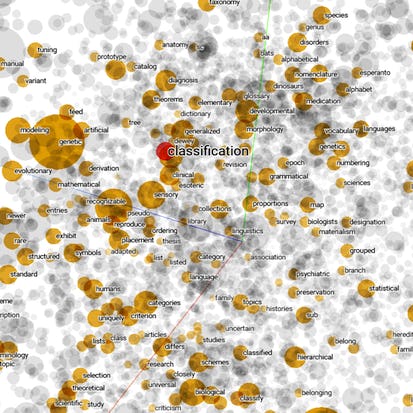
Welcome to this hands-on, guided introduction to Text Classification using 1D Convolutions with Keras. By the end of this project, you will be able to apply word embeddings for text classification, use 1D convolutions as feature extractors in natural language processing (NLP), and perform binary text classification using deep learning. As a case study, we will work on classifying a large number of Wikipedia comments as being either toxic or not (i.e. comments that are rude, disrespectful, or otherwise likely to make someone leave a discussion). This issue is especially important, given the conversations the global community and tech companies are having on content moderation, online harassment, and inclusivity. The data set we will use comes from the Toxic Comment Classification Challenge on Kaggle. To complete this guided project, we recommend that you have prior experience in Python programming, deep learning theory, and have used either Tensorflow or Keras to build deep learning models. We assume you have this foundational knowledge and want to learn how to use convolutions in NLP tasks such as classification. Note: This course works best for learners based in the North America region. We’re currently working on providing the same experience in other regions.Auto Summary
Discover the art of Text Classification with 1D Convolutions using Keras in this intermediate, 180-minute course by Coursera. Ideal for personal development enthusiasts, it offers hands-on guided learning for free, instructed by experts. Perfect for those keen to enhance their deep learning skills.

5 Ways to Build a Better LinkedIn Profile
In this 2-hour long project-based course, you will learn how to complete each section of an existing LinkedIn profile, choose, edit, and resize a photograph to meet LInkedIn ideal requirements, and create a testimonial request template to send to LinkedIn contacts. By the end of this project you will have created a LinkedIn profile optimized for searches and content. A LinkedIn profile can have significant impact on the shaping and building of your digital professional brand. With so much of our professional lives now virtual, personal branding is of great importance.
Buy Now Free

- Level Professional
- المدة 2 ساعات hours
- الطبع بواسطة Coursera
-
Offered by
عن
In this 2-hour long project-based course, you will learn how to complete each section of an existing LinkedIn profile, choose, edit, and resize a photograph to meet LInkedIn ideal requirements, and create a testimonial request template to send to LinkedIn contacts. By the end of this project you will have created a LinkedIn profile optimized for searches and content. A LinkedIn profile can have significant impact on the shaping and building of your digital professional brand. With so much of our professional lives now virtual, personal branding is of great importance. Each task in this project is designed to enhance your LinkedIn profile and help you become confident in navigating each section of your profile. Note: This course works best for learners who are based in the North America region. We’re currently working on providing the same experience in other regions.الوحدات
5 Ways to Build a Better LinkedIn Profile
-
1
Readings
-
 1
Plugin
1
Plugin
-
 1
Lab
1
Lab
-
1
Assignment
1
Assignment
- Graded Quiz: Test your Project understanding
 1
Labs
1
Labs
- 5 Ways to Build a Better LinkedIn Profile
1
Readings
- Project-based Course Overview
Auto Summary
Enhance your digital professional brand with the "5 Ways to Build a Better LinkedIn Profile" course. In just 2 hours, you'll master completing LinkedIn profile sections, optimizing your profile photo, and crafting testimonial requests. Ideal for professionals in North America, this project-based course by Coursera ensures your profile stands out in searches and content. Perfect for those looking to boost their online presence, this course offers a targeted, hands-on approach to personal branding. Available with a Starter subscription.

Get Interactive: Practical Teaching with Technology
This course is designed to help you create dynamic, interactive online courses through the use of multimedia tools, student collaboration opportunities, and formative assessment and feedback. Each week we will focus on a particular topic: 1. Using multimedia for teaching and learning 2. Encouraging student collaboration 3. Formative assessment and feedback You will have a range of materials to read, videos to watch, topics to research, activities to perform, discussions to participate in, and an assessment to complete.
Monthly Subscription Starting at AED 99 + VAT

- Level Foundation
- المدة 15 ساعات hours
- الطبع بواسطة University of London
-
Offered by
عن
This course is designed to help you create dynamic, interactive online courses through the use of multimedia tools, student collaboration opportunities, and formative assessment and feedback. Each week we will focus on a particular topic: 1. Using multimedia for teaching and learning 2. Encouraging student collaboration 3. Formative assessment and feedback You will have a range of materials to read, videos to watch, topics to research, activities to perform, discussions to participate in, and an assessment to complete. In addition, you will have a random assignment of fellow participants' assessments to mark in order to receive your own mark. While most of the videos and activities are mandatory, we have included a number of "Take it Further" activities and longer versions of videos that are voluntary. At first glance, It may seem like a lot, but you will quickly find that many activities will take just minutes to perform. The emphasis in this MOOC is on gaining a wide range of experience in order to decide for yourself which tools and techniques to explore in more depth. Although we introduce a few concepts along the way, this is a very practical course. You will be assessed according to what you create and share. We hope you will enjoy the active, hands-on nature of this course and find many ideas to incorporate in your teaching.الوحدات
Introduction to the course
-
1
Videos
-
4
Readings
1
Videos
- Introductory video
4
Readings
- Introductory information - Important!
- Teaching and Learning in the Digital Age
- Designing Learning: The Conversational Framework
- Week 1 Learning Design
Week 1 introductions
-
1
Videos
-
2
Readings
-
1
Discussion
1
Discussions
- *Introduce yourself and say hello!
1
Videos
- Welcome to Week 1
2
Readings
- Introduction to Week 1
- *Activity: Where in the world are you?
Setting up your test course
-
2
Readings
2
Readings
- Information about Virtual Learning Environments (VLEs)
- *Activity: Create a test course
Enhancing an online course with digital images
-
2
Videos
-
4
Readings
2
Videos
- Creating a screenshot using Snipping Tool
- Adding an image to a Moodle course
4
Readings
- Getting Creative: Images for Teaching
- *Activity: Add a screenshot to a course
- *Take it further: How to create an Infographic
- Images and Copyright
Using X (Twitter)
-
2
Readings
2
Readings
- *Activity: Create an X (Twitter) account
- *Activity: embed an X (Twitter) timeline in a course
Using and creating audio and video
-
1
Videos
-
4
Readings
1
Videos
- Embedding a video in a Moodle course
4
Readings
- *Activity: embed a video in your course
- *Activity: Investigate creating screencast videos
- Podcasts
- *Activity: Sharing your practice on Padlet
Knowledge check
-
1
Assignment
1
Assignment
- What we've learned so far
Concluding Lesson: Using multimedia for teaching and learning
-
3
Videos
-
1
Readings
-
1
Discussion
1
Discussions
- *Using media for teaching and learning
3
Videos
- Panel Discussion Part 1: Images and Twitter
- Panel Discussion Part 2: Using Video
- Panel Discussion Part 3: Audio and podcasts
1
Readings
- Take it further: Additional videos
Peer Assessment
-
1
PeerReview
1
Peer Review
- Week 1 Assessment
End of Week 1
-
1
Videos
1
Videos
- End of Week 1
Week 2 introduction
-
1
Videos
-
1
Readings
1
Videos
- Welcome to Week 2
1
Readings
- Introduction to Week 2
Discussion Forums
-
2
Readings
-
1
Discussion
1
Discussions
- *Discussion forums: Let's discuss!
2
Readings
- Discussion Forums
- *Activity: Creating a discussion forum for a course
Introduction to blogs
-
2
Readings
2
Readings
- Blogs as collaborative tools
- *Activity: Share your favourite blog
Introduction to wikis
-
1
Videos
-
3
Readings
1
Videos
- Take it further: Creating a wiki for a course
3
Readings
- Wikis as collaborative tools
- *Activity: Experience a wiki
- *Take it further Activity: Create a wiki
Community Collaboration
-
3
Readings
3
Readings
- *Activity: Online Community Tools
- *Activity: Create a collaborative activity
- *Activity: Share your collaborative activity on Twitter
Online presentation tools
-
1
Videos
-
1
Readings
1
Videos
- Online presentation tools
1
Readings
- *Activity: Explore Online Presentation Tools
Knowledge Check
-
1
Assignment
1
Assignment
- What we've learned so far
Concluding Lesson: Student collaboration
-
2
Videos
-
1
Readings
-
1
Discussion
1
Discussions
- *The value of student collaboration
2
Videos
- Panel Discussion Part 1: Blogs, wikis and Padlet
- Panel Discussion Part 2: Forums and Webinars
1
Readings
- Take it further: Additional videos
Peer Assessment
-
1
PeerReview
1
Peer Review
- Week 2 Assessment
End of Week 2
-
1
Videos
1
Videos
- End of Week 2
Week 3 Introduction
-
1
Videos
-
1
Readings
1
Videos
- Welcome to Week 3
1
Readings
- Introduction to Week 3
Quizzes
-
1
Videos
-
2
Readings
-
1
Assignment
1
Assignment
- Sample Quiz: Just to see how it works!
1
Videos
- Creating an Online Quiz in Moodle
2
Readings
- Quiz tools
- *Activity: Create a quiz and embed in course
Twitter Polls
-
1
Videos
-
2
Readings
1
Videos
- Creating a Twitter Poll
2
Readings
- Twitter polls
- *Activity: create a Twitter poll and share
Digital Badges
-
1
Videos
-
2
Readings
1
Videos
- Creating a Digital Badge
2
Readings
- Digital Badges in Education
- *Activity: Create a digital badge
Avoiding plagiarism
-
2
Readings
-
1
Discussion
1
Discussions
- *How useful are plagiarism detection tools?
2
Readings
- Plagiarism detection tools
- *Activity: Investigate plagiarism detection tools
About Peer Reviewing and Rubrics
-
4
Readings
4
Readings
- Understanding Peer review (video)
- Rubrics for Peer Review
- Tools for Peer Review
- Take it further Activity: Create/share a rubric
Knowledge Check
-
1
Assignment
1
Assignment
- Online Assessment
Concluding lesson: Assessment and Feedback
-
3
Videos
-
1
Readings
-
1
Discussion
1
Discussions
- *The value of online formative assessment and feedback
3
Videos
- Panel Discussion Part 1: Quizzes, Polls and Badges
- Panel Discussion Part 2: Avoiding Plagiarism
- Panel Discussion Part 3: Peer Review
1
Readings
- Take it further: additional videos
Peer Assessment
-
1
PeerReview
1
Peer Review
- Week 3 Assessment
End of Week 3
-
1
Videos
-
1
Readings
1
Videos
- End of Week 3
1
Readings
- Feedback and acknowledgements
Auto Summary
"Get Interactive: Practical Teaching with Technology" is a Coursera course in Personal Development, led by expert instructors. It spans 900 minutes and offers a hands-on approach to creating dynamic online courses using multimedia, student collaboration, and formative assessments. Weekly topics include multimedia teaching, collaborative learning, and feedback mechanisms. The course is practical, with a range of materials, videos, activities, and peer assessments. Ideal for educators seeking to enhance their teaching methods, it is available at the Foundation level with a Starter subscription option.
Buy Now Free
- Level Professional
- المدة 2 ساعات hours
-
Offered by
عن
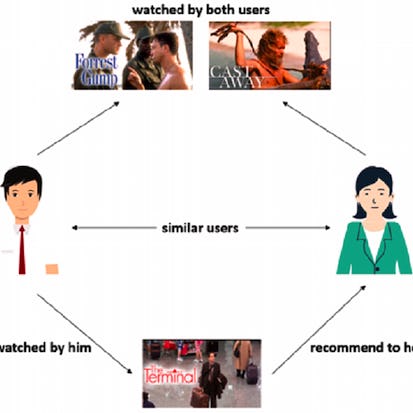
Welcome to this 1-hour project-based course on Building Similarity Based Recommendation System. In this project, you will learn how similarity based collaborative filtering recommendation systems work, how you can collect data for building such systems. You will learn what are some different ways you to compute similarity between users and recommend items based on products interacted by other similar users. You will learn to create user item interactions matrix from the original dataset and also how to recommend items to a new user who does not have any historical interactions with the items. Note: This course works best for learners who are based in the North America region. We’re currently working on providing the same experience in other regions.Auto Summary
Enhance your personal development skills with our engaging 1-hour project-based course on Building Similarity Based Recommendation Systems. Ideal for intermediate learners, this course offers a hands-on approach to mastering the techniques used to create recommendation systems that leverage similarity metrics. Guided by expert instructors from Coursera, you’ll dive into practical, real-world applications of this technology. Best of all, this course is available for free, making it an accessible resource for anyone looking to expand their knowledge in this dynamic field. Join us and take a significant step forward in your personal and professional growth.
Vulnerability Scanning with Nmap: Network Scanning
The Vulnerability Scanning with Nmap: Network Scanning guided project dives into the use of the Nmap tool, a popular free and open-source tool used for network scanning and security auditing. This project covers how to verify the installation of Nmap and the Nmap version on a system, as well as the basics of network scanning, host discovery, port scanning, service enumeration, operating system detection, version detection, and vulnerability detection using the Nmap tool. We’ll cover practical steps for network scanning that can be used to showcase your skills to a current or future employer.
Buy Now Free
- Level Foundation
- المدة 2 ساعات hours
- الطبع بواسطة Coursera
-
Offered by
عن
The Vulnerability Scanning with Nmap: Network Scanning guided project dives into the use of the Nmap tool, a popular free and open-source tool used for network scanning and security auditing. This project covers how to verify the installation of Nmap and the Nmap version on a system, as well as the basics of network scanning, host discovery, port scanning, service enumeration, operating system detection, version detection, and vulnerability detection using the Nmap tool. We’ll cover practical steps for network scanning that can be used to showcase your skills to a current or future employer. Security professionals, such as Security Analysts or Security Engineers, use Nmap to improve the security of their networks and to identify potential vulnerabilities before they can be exploited by attackers. By completing this project, learners will gain hands-on experience running various Nmap commands in the terminal to perform basic scanning on a target to identify potential vulnerabilities on a network which is helpful to improve network security. A basic knowledge of vulnerability scanning and an understanding of networking concepts, such as IP addresses, ports, and protocols, is recommended.الوحدات
Your Learning Journey
-
2
Readings
-
1
Plugin
-
1
Lab
-
1
Assignment
1
Assignment
- Assess Your Knowledge
1
Labs
- Vulnerability Scanning with Nmap: Network Scanning
2
Readings
- Project Overview
- Key Takeaways
Auto Summary
Unlock the potential of Nmap with the "Vulnerability Scanning with Nmap: Network Scanning" course on Coursera. Perfect for beginners in personal development, this 120-minute guided project by Coursera teaches network scanning, host discovery, port scanning, and more. Ideal for Security Analysts or Engineers, it offers hands-on experience to boost your network security skills. Enjoy free access and enhance your career by mastering Nmap commands. Basic networking knowledge recommended.
Buy Now Free

- Level Professional
- المدة 1 ساعات hours
-
Offered by
عن
At the end of this project you will be able to design, format, and present an exciting PowerPoint presentation. First, you will learn how to choose a design to start your PowerPoint presentation. Then, you will get to know different format options to make changes to text and objects. You will also learn all about presenting your PowerPoint presentation. Creating a Microsoft PowerPoint knowing all these features will allow you to be able to have an easy time during the creation of your PowerPoint. Attractive designs allow your audience to stay focused and interested. Great formatting allows your content to be presented in a professional and visually appealing way. Tips and tricks about presenting, allow you to have an easier time presenting as well as entertain your audience. The goal of this project is to teach you how to be successful with your presentations and how to make the process of creating more efficient.Auto Summary
Enhance your presentation skills with "Design, Format, and Presentation in Microsoft PowerPoint," a professional-level course in Personal Development. Led by Coursera, this one-hour course teaches you to choose designs, format text and objects, and present effectively. Ideal for those seeking to create visually appealing and engaging PowerPoint presentations. Available with a Starter subscription.

Designing and Building Institutional Anti-Racist Spaces
Designing and Building Institutional Antiracist Spaces (D-BIAS) is a course whose mission is to teach tenets of equity, anti-racism, and cultural justice and how to apply these ideas to achieve social change. The course is aimed at educators and administrators in educational spaces, lawyers and advocates in spaces that touch civil rights, equity, and whose Institutional mission it is to achieve greater cultural equity. The course involves creative approaches to social justice, racial justice, and advocacy while remaining open to anyone from any background who shares the same vision of the wo
Monthly Subscription Starting at AED 99 + VAT

- Level Foundation
- المدة 21 ساعات hours
- الطبع بواسطة Wesleyan University
-
Offered by
عن
Designing and Building Institutional Antiracist Spaces (D-BIAS) is a course whose mission is to teach tenets of equity, anti-racism, and cultural justice and how to apply these ideas to achieve social change. The course is aimed at educators and administrators in educational spaces, lawyers and advocates in spaces that touch civil rights, equity, and whose Institutional mission it is to achieve greater cultural equity. The course involves creative approaches to social justice, racial justice, and advocacy while remaining open to anyone from any background who shares the same vision of the world, as social change entrepreneurs.الوحدات
Introduction
-
2
Videos
-
4
Readings
2
Videos
- Welcome to D-BIAS
- Racial Justice Training: Past, Present and Future
4
Readings
- The Essential Components
- Who We Are
- Who Are You?
- Stay with it!
Chapter 1: Setting the Landscape
-
4
Videos
-
8
Readings
4
Videos
- Implicit Bias Clip One
- Implicit Bias Clip Two
- Implicit Bias Clip Three
- Examples of Bias from a Personal Story
8
Readings
- The Argument For Equity Rather Than Diversity
- Two Commitments and Two Concepts, As You Get Started
- The Stroop Effect
- What is implicit bias and where does it come from?
- Where Does Unconscious/Implicit Bias come from?
- Colorblindness and Unshakeable Certainty
- What is Systemic Bias and How We Can We Help Dismantle It?
- Reflection Related to Chapter 1
Chapter 2: What Is Systemic Bias?
-
1
Videos
-
5
Readings
1
Videos
- Performative vs. Intentional
5
Readings
- Short primer on a performative act vs. an intentional act
- Workshop 1: Narratives of Systemic Bias
- Workshop 1: Questions for Consideration
- Workshop 2: Narratives of Systemic Bias
- Workshop 2: Questions for Consideration
Chapter 3: Lexicon Training
-
6
Readings
-
1
Assignment
1
Assignment
- Identifying Implicit/Systemic Bias, Structural Racism, Individual Racism (ungraded)
6
Readings
- Lexicon: “Othering” vs. “Breaking and Bridging”
- Lexicon: "Racism" A Word In Many Forms
- Lexicon: "Prejudice" vs. "Racism"
- Lexicon: The Law behind Race "Equality" vs. "Equity" vs. "Inequity"
- Lexicon: "Structural Inequity" vs. "Systemic Racism" (Designed in Law)
- Mindful Language and Cultural Equity Tools
Optional Readings Interlude
-
10
Readings
10
Readings
- Optional Readings
- SourceBook Optional Reading: Systemic Bias in the Criminal Justice System Is Not A Myth
- SourceBook Optional Reading: My Mother Dreams for Her Son, and All Black Children by Hilton Als, New Yorker June 2020
- Black Lives Matter: Opening a Second Front
- EquityxDesign - Courses by Christine Ortiz
- Optional Reading: The Issues With Implicit Bias Training
- Optional Reading: UChicago's Resume Study
- Optional Reading: The $ Cost of Systemic Racism in the U.S.
- Optional video: Jeff Robinson Video on Reclaiming History
- Optional Reading: Jeff Robinson's Podcasts
Chapter 4: Working with Narratives
-
5
Readings
-
1
Assignment
1
Assignment
- Your Company, and a Statement of Support...
5
Readings
- Societal and Individual Narratives
- Narratives solving problems:
- Naming as Narrative
- Workshop 3: Diversity for Diversity’s Sake And Its Problem
- An answer:
Chapter 6: Legal History -- Contextualizing Equity
-
2
Videos
-
7
Readings
-
1
Discussion
-
2
Assignment
2
Assignment
- on The Four Eras of Legal History
- Capitol Hill Riots and Whiteness: A Reflection and Answers
1
Discussions
- Discussion Prompt From Brian Purnell
2
Videos
- The Four Eras of Criminal Legal (in)justice U.S. History: An Overview
- What is Criminal Justice Reform// Equity Reforms vs. Criminalizing
7
Readings
- How To Use Design Thinking For Equity and Justice: Prototyping
- Building and Sustaining Cultural Equity
- "Tough on Crime" in history- The National Memorial for Peace and Justice
- Concept: Four Quadrants of American Tough On Crime (In)Justice History
- Required reading: Structural Racism In Action and the Nixon Administration
- Required reading: Scholars Michelle Alexander and Bryan Stevenson
- Required viewing: Brian Purnell on Modern-Day Jim Crow in Brooklyn, N.Y.
Chapter 7: Perception-Shifting: preparing for the “Tough on Crime” Project
-
1
Videos
-
9
Readings
-
1
Assignment
1
Assignment
- Quiz on Community Revitalization Project and Neighborhood Agency (ungraded)
1
Videos
- Narrative-shifting: "Tough On Crime" (ToC)
9
Readings
- Tools you will use #1
- Tools you will use #2
- Tools you will use #3
- Tools you will use #4
- Implementing a Strategic Approach
- Tools you will use #5
- Workshop 4: The Instagram “White Out” Protest
- Workshop 4: Questions for Consideration
- Workshop 4: Two lawyers discuss the firing...
Chapter 8: Historical context for the "Tough on Crime" Project
-
1
Videos
-
8
Readings
-
1
Discussion
1
Discussions
- The Untaught History of America. Your thoughts
1
Videos
- Law-in-History Era 1: Brooklyn As a Slave-Holding Capitol and Era 2 Segregation
8
Readings
- Overview of the Four Four Eras of Law-in-History
- History: Brooklyn was a slave owning city
- History: New York City's slave laws
- History Era 2: The dominance of slavery and capitalism in the 19th century .
- History: Post-1865 13th Amendment Jim Crow in New York
- History: 20th Century NY Brooklyn Jim Crow
- History:1970-2000 The Prison-Industrial Complex "The New Jim Crow"
- History: The Prison Industrial Profit Complex and The War On Drugs
Chapter 9: Your Knowledge Applied - "Tough on Crime" Project
-
1
Videos
-
2
Readings
-
1
PeerReview
1
Peer Review
- First Major Class Project -- Peer-Graded
1
Videos
- Applying a Restorative Approach to the Issue
2
Readings
- Start With the Difference Between Restorative v. Retributive Justice
- Reflection on your institution
Chapter 10, Takeaways from Chapters 6-9
-
2
Readings
2
Readings
- Lexicon and Concepts
- Justice Design Tools
Law Library of Optional Readings related to "Tough on Crime"
-
5
Readings
5
Readings
- Optional Readings
- Library Interlude: Garland's Penal Excess -- the excess of lynching
- Library Interlude: Bryan Stevenson, Bruce Western
- Library Interlude: Plessy v. Ferguson-- a summary
- Library Interlude: COVID19; Prosecutorial Discretion; What Boards can Do
Chapter 11: Lexicon for Looting, Rioting or Protesting?
-
3
Readings
3
Readings
- Lexicon: Where Did the Word B.I.P.O.C. (vs. POC) Come From?
- Lexicon: "BIPOC" //"POC" // "Naming and Politics"
- "Naming" as Narrative- Your Own Response
Chapter 12: Poetry as a tool not a luxury
-
1
Videos
-
2
Readings
-
1
Discussion
1
Discussions
- Your Response To "Hands up Don't Shoot"
1
Videos
- Poetry Discussion - The Poetry of Structural Inequity
2
Readings
- Poetry in Action: A Way Into Our Study of: Looting or Rioting or Protesting?
- Poetry in Action: "The Poetry of Structural Inequity and Voice"
Chapter 13: Concepts for Looting or Rioting or Protesting?
-
1
Videos
-
3
Readings
-
1
Discussion
1
Discussions
- Disruption and frustration!
1
Videos
- Anti-Racist Workshop Video
3
Readings
- Lexicon for: Looting or Rioting or Protesting?
- Law Library Interlude: Bryan Stevenson: On The Frustration Behind the George Floyd Protests
- Lexicon to respond to: Looting or Rioting or Protesting?
Chapter 14: Law-In-History related to Looting or Rioting or Protesting?
-
6
Readings
6
Readings
- 1741 Foley Square Panic
- Evolution of the Police Force in the USA
- 19th Century Draft Riots
- The Burning of Tulsa, Black Wall Street
- The Burning of Tulsa, Black Wall Street Continued
- The Modern History of "Race Riots" The Kerner Commission of 1968
Chapter 15: Narrative Shifting Hypothetical Situation on Looting or Rioting or Protesting?
-
1
Videos
-
2
Readings
-
1
PeerReview
1
Peer Review
- Looting or Rioting or Protesting? Second Major Assignment
1
Videos
- Post-Script Discussion about "Looting" vs. "Rioting" Hypothetical
2
Readings
- Review of Restorative vs. Retributive Approaches
- Consider your Own Organization
Chapter 16: Takeaways
-
2
Readings
2
Readings
- Lexicon and Concepts
- Two Tools: poetry and optimism
Chapter 17: Making a plan, and changing your institution
-
2
Videos
-
11
Readings
2
Videos
- Create Your Plan: Video Dialogue: Ben and Jonathan Final Video
- Build Your Own Lab: Video 2 Week 4, Ben and Jonathan
11
Readings
- Eight Steps to Change
- Step One: What is the Problem?
- Step Two: What is the narrative supporting the problem at your institution?
- Step Three: Create a Team
- Step Four: Give the Problem a Historical Context
- Step Five: Develop the final goal
- Step Six: Developing the New Narrative
- Step Seven: Post-Workshop Implementation Plan
- Characteristics of a Strong Plan
- A Cultural Equity Plan
- Step Eight: Assessment and Sustainable Justice
Chapter 18, Takeaways
-
2
Readings
2
Readings
- Before your final reflection...
- Reflection, Self-Assessment, and Thank You!
Auto Summary
"Designing and Building Institutional Anti-Racist Spaces" is a foundational course in Personal Development offered by Coursera. It focuses on equity, anti-racism, and cultural justice, equipping educators, administrators, lawyers, and civil rights advocates with creative approaches to social and racial justice. With a duration of 1260 minutes and a Starter subscription option, this course is ideal for those passionate about achieving greater cultural equity and social change.
Monthly Subscription Starting at AED 99 + VAT

- Level Professional
- المدة 9 ساعات hours
- الطبع بواسطة National University of Singapore
-
Offered by
عن
In this course, you will learn strategies not only on how to communicate effectively but also how to strengthen your relationships with co-workers and other stakeholders from diverse cultural backgrounds, both inside and beyond the organisation. In particular, "Strengthening your widening network" aims to equip you with a workplace discourse that facilitates familiarity with practices in the working environment and to help you appreciate the complexities inherent in the organisational structure and hierarchy. You will learn to write effective emails demonstrating a keen awareness of your audience and the 7 communication principles. In addition, you will learn to voice your views and assert your position at various communication contexts such as formal meetings and work-related discussions. By the end of the course, you should demonstrate a greater communicative and linguistic competence, with a better grasp of interpersonal and intercultural communication in a globalised workplace.الوحدات
About the Specialisation
-
1
Videos
-
1
Readings
1
Videos
- Specialisation Introduction Video
1
Readings
- Specialisation Overview
About the Course
-
1
Videos
-
2
Readings
1
Videos
- Introduction to Strengthening your Widening Network
2
Readings
- Course Reading References
- (FAQ) Frequently Asked Questions
Interpersonal Communications
-
1
Videos
-
1
Discussion
1
Discussions
- Discussion Forum: Sharing your research on three cultures
1
Videos
- Elements of Interpersonal Communication
Faces
-
1
Videos
1
Videos
- Making Small Talk
Places
-
2
Videos
-
1
Assignment
1
Assignment
- Polite Requests
2
Videos
- Navigating the Workplace
- Polite Requests & Responses
Phases
-
1
Videos
-
1
Readings
-
1
Assignment
1
Assignment
- Starting on the Right Note
1
Videos
- Knowing Who's Who
1
Readings
- Reference List
The Modes or Channels of Communication
-
3
Videos
-
1
Assignment
1
Assignment
- Choosing the right modes
3
Videos
- Overview of Module 2
- Modes or Channels of Communication
- Knowing Who's Who
7Cs of Effective Communication
-
3
Videos
-
1
Readings
-
1
PeerReview
-
1
Assignment
1
Assignment
- Emailing – Different Strokes for Different Folks
1
Peer Review
- Improve your communication
3
Videos
- Clear & Concise
- Concrete & Correct
- Coherent, Complete & Courteous
1
Readings
- Reference List
Before the Meeting
-
3
Videos
-
2
Assignment
2
Assignment
- Behaviours
- Meeting Skills
3
Videos
- Meeting in a Globalised Workplace
- Before the Meeting: High/Low Context
- Before the Meeting: Perceptions of Time
At the Meeting
-
5
Videos
-
1
Readings
-
1
PeerReview
-
1
Assignment
1
Assignment
- Know your audience and up your game
1
Peer Review
- Responding Appropriately
5
Videos
- At the Meeting
- Seeking Clarification
- Disagreeing
- Consideration
- More on Cultural Dimensions
1
Readings
- Reference List
Course Conclusion
-
1
Videos
1
Videos
- Conclusion
Auto Summary
"Strengthening Your Widening Network" is a comprehensive professional development course designed to enhance your communication skills and strengthen workplace relationships across diverse cultural backgrounds. Offered by Coursera, this course delves into effective communication strategies, emphasizing understanding and navigating organizational structures and hierarchies. Participants will learn to craft impactful emails with audience awareness and master the 7 principles of communication. The course also focuses on developing confident verbal communication in formal meetings and work-related discussions, ensuring you can assert your position effectively. Spanning 540 minutes, this course is suitable for professionals seeking to improve their interpersonal and intercultural communication in a globalized workplace. Subscription options include Starter and Professional plans, catering to different learning needs. Under the expert guidance of Coursera instructors, you'll gain the skills needed to excel in a multicultural work environment and enhance your professional network.