

Buy Now Free
- Level Foundation
- المدة 2 ساعات hours
-
Offered by

عن
How would you quickly validate an app idea you have, or get feedback on a new feature for a product you are building? In this digital age, you can quickly create, test, and share user interface designs for digital products such as mobile apps and websites using online tools like Figma. This Guided Project 'Designing a Low Fidelity Prototype in Figma' is for anyone who wants to learn to use standard industry tools in the design field to build low-fidelity prototypes of digital products. Low-fidelity prototyping is a quick and easy way to translate high-level design concepts into tangible and testable artifacts. The first and most important role of low-fidelity prototypes is to check and test functionality rather than the visual appearance of the product. In this 1-hour long project-based course, you will learn how to create a low fidelity prototype of a music streaming mobile app in Figma, how to use Figma UI Kits to design app screens, and how to export and share Figma prototypes with other stakeholders. In order to be successful in this project, you will need to be familiar with the principles of UI/UX design. You will also need to create an account in Figma. Let's get started!Auto Summary
Discover how to quickly validate app ideas and gather feedback on new features with the "Designing a Low Fidelity Prototype in Figma" course. Perfect for beginners, this 120-minute course offered on Coursera focuses on creating, testing, and sharing user interface designs for digital products like mobile apps and websites using Figma. Available for free, this course is ideal for anyone looking to enhance their personal development skills in digital design.
Buy Now Free

- Level Foundation
- المدة 3 ساعات hours
-
Offered by
عن
By the end of this project, you will create an infographic that is printable and shareable across your business network. You will be able to communicate important and detailed information in a colorful and attention-grabbing format. This course will include an introduction to Piktochart, how to create an infographic that will illustrate critical information your audience needs to know.Auto Summary
Unlock your creativity and enhance your visual communication skills with the "Create Infographics using Piktochart" course, designed for personal development enthusiasts looking to make an impact. Guided by expert instructors from Coursera, this beginner-level course will take you on a 180-minute journey to master the art of creating stunning, professional infographics. Perfect for anyone eager to improve their presentation and storytelling abilities, this course offers a hands-on approach to design. By the end, you will have crafted an impressive infographic that is both printable and easily shareable within your business network. Best of all, this enriching learning experience is available for free, making it an accessible and valuable opportunity for personal growth and professional development. Dive into the world of visual data representation and start creating impactful infographics today!

Create a value proposition canvas in Miro
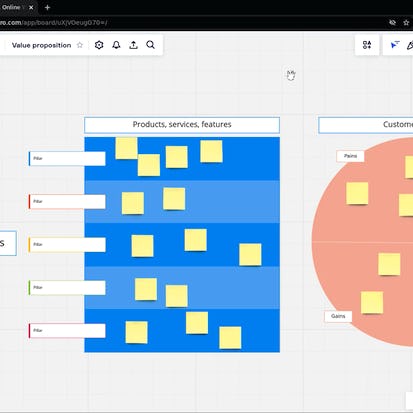
In this 2 hours long project you will create a business value proposition canvas in Miro, categorizing business products, services and features by company pillars, mapping customer gains, pains and tasks with product, adding a competitor comparison and finally exporting slides, PDF and images. You will use frames, sticky notes, shapes and colors, and explore business concepts to create a value proposition team work.
Buy Now Free
- Level Foundation
- المدة 3 ساعات hours
- الطبع بواسطة Coursera
-
Offered by
عن
In this 2 hours long project you will create a business value proposition canvas in Miro, categorizing business products, services and features by company pillars, mapping customer gains, pains and tasks with product, adding a competitor comparison and finally exporting slides, PDF and images. You will use frames, sticky notes, shapes and colors, and explore business concepts to create a value proposition team work.الوحدات
Your Learning Journey
-
 2
Readings
2
Readings
-
 1
Plugin
1
Plugin
-
 1
Lab
1
Lab
-
 1
Assignment
1
Assignment
 1
Assignment
1
Assignment
- Assess Your Knowledge
 1
Labs
1
Labs
- Create a value proposition canvas in Miro
2
Readings
- Project Overview
- Key Takeaways
Auto Summary
Discover the essentials of crafting a compelling business value proposition in a dynamic 2-hour project-based course on Coursera, ideal for those in the personal development domain. Guided by an expert instructor, you will leverage Miro's interactive tools - including frames, sticky notes, shapes, and colors - to categorize business products, services, and features by company pillars. You'll map out customer gains, pains, and tasks, conduct a competitor comparison, and learn to export your work as slides, PDFs, and images. This beginner-level course is designed to provide a practical and engaging introduction to business concepts, perfect for anyone looking to enhance their collaborative and strategic planning skills. Best of all, it's free to enroll!
Use Buncee for Online Teaching
By the end of this project, you will be able to use Buncee to unleash your creativity as a teacher. Buncee is “a creation and communication tool… to create interactive content, allowing those of all ages to visualize concepts and communicate creatively.” With Buncee, teachers can easily create engaging visual presentations that will help students master new content. Throughout this project, we will work together to ensure that you are ready to use Buncee and have created presentations that you can use with your students right away. *You will need a free trial of Buncee for this project.
Buy Now Free
- Level Foundation
- المدة 1 ساعات hours
- الطبع بواسطة Coursera
-
Offered by
عن
By the end of this project, you will be able to use Buncee to unleash your creativity as a teacher. Buncee is “a creation and communication tool… to create interactive content, allowing those of all ages to visualize concepts and communicate creatively.” With Buncee, teachers can easily create engaging visual presentations that will help students master new content. Throughout this project, we will work together to ensure that you are ready to use Buncee and have created presentations that you can use with your students right away. *You will need a free trial of Buncee for this project.الوحدات
Practical Application via Rhyme
-
1
Readings
-
1
Plugin
-
1
Lab
-
1
Assignment
1
Assignment
- Graded Quiz: Use Buncee for Online Teaching
1
Labs
- Use Buncee for Online Teaching
1
Readings
- Use Buncee for Online Teaching
Auto Summary
Discover the essentials of online teaching with "Use Buncee for Online Teaching" on Coursera. Perfect for beginners, this free, one-hour course in personal development is designed to enhance your teaching skills. Join now and learn from expert instructors!

Find Your Calling: Career Transition Principles for Veterans
This course provides military veterans with a useful roadmap to transition more smoothly from military service to a new and meaningful civilian career.
Monthly Subscription Starting at AED 99 + VAT

- Level Foundation
- المدة 16 ساعات hours
- الطبع بواسطة Columbia University
-
Offered by
عن
This course provides military veterans with a useful roadmap to transition more smoothly from military service to a new and meaningful civilian career.الوحدات
Getting Started
-
 5
Videos
5
Videos
-
1
Readings
5
Videos
- Course Introduction
- Curriculum and Pedagogy
- Meet the Instructors
- Why FourBlock and Columbia University?
- Thank You to Our Sponsors and Collaborators
1
Readings
- Pre-Course Survey
Core Concepts
-
3
Videos
3
Videos
- No One Will Give You a Job
- The Single Greatest Thing You Can Do
- The Biggest Advantage and Obstacle for Veterans
Action Items
-
1
Videos
-
2
Readings
1
Videos
- Debts and Lessons
2
Readings
- Download the Course Workbook
- Workbook Reflection Overview
Wrapping Up
-
3
Videos
-
1
Readings
3
Videos
- Things that Take Zero Talent
- Veteran Voices
- Why the Polls and Surveys are So Important
1
Readings
- A Poll to Take / Results to Examine
Getting Started
-
1
Videos
-
3
Readings
1
Videos
- Pietas Introduction
3
Readings
- Pietas Introduction
- Research and Recommended Readings
- A Poll to Take / Results to Examine
Core Concepts
-
6
Videos
-
6
Readings
-
1
Discussion
1
Discussions
- Develop Relationships
6
Videos
- Build Your Tribe
- Find Strength in Your Transition
- Homecoming and Community
- Develop Relationships
- There is No App for Friendship
- Practical Tips for Networking
6
Readings
- Build Your Tribe
- Find Strength in Your Transition
- Homecoming and Community
- Develop Relationships
- There is No App for Friendship
- Practical Tips for Networking
Action Items
-
1
Videos
-
2
Readings
-
1
Assignment
1
Assignment
- Pietas Scenario-Based Assessment
1
Videos
- Pietas Workbook Reflection
2
Readings
- Pietas Workbook Reflection
- Pietas Workbook Reflection Overview
Wrapping Up
-
2
Videos
2
Videos
- The Goal of a First Meeting
- Veteran Voices
Getting Started
-
1
Videos
-
3
Readings
1
Videos
- Prudentia Introduction
3
Readings
- Prudentia Introduction
- Research and Recommended Readings
- A Poll to Take / Results to Examine
Core Concepts
-
2
Videos
-
4
Readings
-
1
Discussion
1
Discussions
- Critical Thinking Demands Courage
2
Videos
- Critical Thinking Demands Courage
- Cultivate a Growth Mindset
4
Readings
- Critical Thinking Demands Courage
- Solitude & Leadership
- Cultivate a Growth Mindset
- Mindset Inventory
Action Items
-
1
Videos
-
3
Readings
-
1
Assignment
1
Assignment
- Prudentia Scenario-Based Assessment
1
Videos
- Prudentia Workbook Reflection
3
Readings
- Prudentia Workbook Reflection
- Prudentia Workbook Reflection Overview
- Mid-Course Survey
Wrapping Up
-
2
Videos
-
2
Readings
2
Videos
- Growth Mindset and Your Professional Brand
- Veteran Voices
2
Readings
- Video Snapshot
- Veteran Voices
Getting Started
-
1
Videos
-
3
Readings
1
Videos
- Veritas Introduction
3
Readings
- Veritas Introduction
- Research and Recommended Readings
- A Poll to Take / Results to Examine
Core Concepts
-
4
Videos
-
4
Readings
-
2
Discussion
2
Discussions
- Build Your Personal Brand
- Career Exploration in the Digital Age
4
Videos
- Build Your Personal Brand
- Social Media and Your Career Transition
- Career Exploration in the Digital Age
- Make Time for Social Media
4
Readings
- Build Your Personal Brand
- Social Media and Your Career Transition
- Career Exploration in the Digital Age
- Make Time for Social Media
Action Items
-
1
Videos
-
2
Readings
-
1
Assignment
1
Assignment
- Veritas Scenario-Based Assessment
1
Videos
- Veritas Workbook Reflection
2
Readings
- Veritas Workbook Reflection
- Veritas Workbook Reflection Overview
Wrapping Up
-
2
Videos
-
2
Readings
2
Videos
- Leadership and Authenticity
- Veteran Voices
2
Readings
- Video Snapshot
- Veteran Voices
Getting Started
-
1
Videos
-
3
Readings
1
Videos
- Gravitas Introduction
3
Readings
- Gravitas Introduction
- Research and Recommended Readings
- A Poll to Take / Results to Examine
Core Concepts
-
3
Videos
-
4
Readings
-
1
Discussion
1
Discussions
- How Great Leaders Inspire Action
3
Videos
- Making an Impact Takes Patience
- Mile Markers vs. Finish Lines
- Simon's Why
4
Readings
- Making an Impact Takes Patience
- Mile Markers vs. Finish Lines
- How Great Leaders Inspire Action
- Simon's Why
Action Items
-
1
Videos
-
2
Readings
-
1
Assignment
1
Assignment
- Gravitas Scenario-Based Assessment
1
Videos
- Video: Gravitas Workbook Reflection
2
Readings
- Gravitas Workbook Reflection
- Gravitas: Workbook Reflection Overview
Wrapping Up
-
2
Videos
-
3
Readings
2
Videos
- What Will Be Your Legacy
- Veteran Voices
3
Readings
- Sergeant Walt Ehlers, Medal of Honor Recipient
- What Will Be Your Legacy
- Veteran Voices
Getting Started
-
1
Videos
-
3
Readings
1
Videos
- Humanitas Introduction
3
Readings
- Humanitas Introduction
- Recommending Readings and Research
- A Poll to Take / Results to Examine
Core Concepts
-
3
Videos
-
3
Readings
-
2
Discussion
2
Discussions
- Create Your Choosing Toolkit
- Navigate Choice
3
Videos
- Creating Your Choosing Toolkit
- Navigating Choice
- Entrepreneurial Mindset
3
Readings
- Creating Your Choosing Toolkit
- Navigating Choice
- Entrepreneurial Mindset
Action Items
-
1
Videos
-
2
Readings
-
1
Assignment
1
Assignment
- Humanitas Scenario-Based Assessment
1
Videos
- Humanitas Workbook Reflection
2
Readings
- Humanitas Workbook Reflection
- Humanitas: Workbook Reflection Overview
Wrapping Up
-
2
Videos
-
1
Readings
2
Videos
- Introvert vs. Extrovert
- Veteran Voices
1
Readings
- Veteran Voices
Getting Started
-
1
Videos
-
2
Readings
1
Videos
- Nosce Te Ipsum Introduction
2
Readings
- Nosce Te Ipsum Introduction
- Recommended Readings and Research
Core Concepts
-
4
Videos
-
4
Readings
4
Videos
- What is Emotional Intelligence
- Who Are You?
- Never Be Defined By What You Do
- Feedback Is A Gift
4
Readings
- What is Emotional Intelligence
- Who Are You?
- Never Be Defined By What You Do
- Feedback Is A Gift
Action Items
-
1
Videos
-
2
Readings
-
1
Assignment
1
Assignment
- Nosce Te Ipsum Scenario-Based Assessment
1
Videos
- Video: Nosce Te Ipsum Workbook Reflection
2
Readings
- Nosce Te Ipsum Workbook Reflection
- Nosce Te Ipsum: Workbook Reflection Overview
Wrapping Up
-
2
Videos
-
1
Readings
2
Videos
- Introvert vs. Extrovert
- Veteran Voices
1
Readings
- Veteran Voices
Introduction
-
1
Videos
-
1
Readings
1
Videos
- Course Wrap Up
1
Readings
- Course Wrap Up
Action Items
-
1
Videos
-
2
Readings
1
Videos
- Wrapping Up Workbook Reflection
2
Readings
- Wrapping Up Workbook Reflection
- Wrapping Up: Workbook Reflection Overview
Graded Assessment and Survey
-
1
Readings
-
1
Assignment
1
Assignment
- Graded Assessment
1
Readings
- Post-Course Survey
Auto Summary
"Find Your Calling: Career Transition Principles for Veterans" is a foundational course designed to help military veterans transition smoothly to a meaningful civilian career. Offered by Coursera, this 960-minute personal development course provides essential guidance and a practical roadmap for veterans. Available through a Starter subscription, it's ideal for those seeking a structured approach to career transition.
Buy Now Free
- Level Professional
- المدة 3 ساعات hours
-
Offered by
عن
In this project, you learn about setting up GIMP to work more like Photoshop. You will learn how to make the GIMP desktop similar to Photoshop’s desktop. You will become familiar with GIMP’s tools and how they compare to Photoshop’s tools. You will learn how to make GIMP’s keyboard shortcuts be similar to Photoshop’s keyboard shortcuts. Plus, you’ll create a digital poster by completing a few common editing techniques, and comparing these steps to what you are familiar with in Photoshop. Note: This course works best for learners who are based in the North America region. We’re currently working on providing the same experience in other regions.Auto Summary
Are you a seasoned Photoshop user looking to transition smoothly to GIMP? "Easing the Transition to GIMP for Photoshop Users" is designed specifically for you. This professional-level course focuses on personal development and equips you with the skills to set up GIMP to mirror the familiarity of Photoshop. Under the expert guidance of Coursera, you will learn to adjust GIMP's desktop layout, tools, and keyboard shortcuts to closely resemble those of Photoshop. Throughout the 120-minute course, you'll master key techniques by creating a digital poster and directly comparing GIMP’s functionalities to Photoshop’s. While this course is optimized for learners in North America, efforts are ongoing to extend the same experience globally. Available with a Starter subscription, this course is perfect for professionals keen on easing their transition from Photoshop to GIMP. Join now and make your switch seamless and efficient!
Monthly Subscription Starting at AED 99 + VAT
- Level Foundation
- المدة 14 ساعات hours
- الطبع بواسطة Lund University
-
Offered by
عن
Artificial Intelligence: Ethics & Societal Challenges is a four-week course that explores ethical and societal aspects of the increasing use of artificial intelligent technologies (AI). The aim of the course is to raise awareness of ethical and societal aspects of AI and to stimulate reflection and discussion upon implications of the use of AI in society. The course consists of four modules where each module represents about one week of part-time studies. A module includes a number of lectures and readings. Each lesson finishes with a mandatory assignment in which you write a short sum-up of the most important new knowledge/insight you gained from this lesson, and review a lesson sum-up written by another student/participant. The assessments are intended to encourage learning and to stimulate reflection on ethical and societal issues of the use of AI in society. Participating in forum discussions is voluntary but strongly encouraged. In the first module, we will discuss algorithmic bias and surveillance. Is it really true that algorithms are purely logical and free from human biases or are they maybe just as biased as we are, and if they are, why is that and what can we do about it? AI in many ways makes surveillance more effective, but what does it mean to us if we are increasingly being watched in more and more sophisticated ways? Next, we will talk about the impact of AI on democracy. We discuss why democracy is important, and how AI could hamper public democratic discussion, but also how it can help improve democracy. We will for instance talk about how social media could play in the hands of authoritarian regimes and present some ideas on how to make use of AI tools to develop the functioning of democracy. A further ethical question concerns whether our treatment of AI could matter for the AIs themselves. Can artefacts be conscious? What do we even mean by “conscious”? What is the relationship between consciousness and intelligence? This is the topic of the third week of the course. In the last module we will talk about responsibility and control. If an autonomous car hits an autonomous robot, who is responsible? And who is responsible to make sure AI is developed in a safe and democratic way? The last question of the course, and maybe also the ultimate question for our species, is how to control machines that are more intelligent than we are. Our intelligence has given us a lot of power over the world we live in. Shall we really give that power away to machines and if we do, how do we stay in charge? At the end of the course, you will have · a basic understanding of the AI bias phenomenon and the role of AI in surveillance, · a basic understanding of the importance of democracy in relation to AI and acquaintance with common issues with democracy in relation to AI, · an understanding of the complexity of the concepts ‘intelligence’ and ‘consciousness’ and acquaintance with common approaches to creating artificial consciousness, · a basic understanding of the concepts of ‘forward-looking’ and ‘backward-looking responsibility’ and an acquaintance with problems connected to applying these concepts on AI, · a basic understanding of the control problem in AI and acquaintance with commonly discussed solutions to this problem, · and an ability to discuss and reflect upon the ethical and societal aspects of these issues.الوحدات
Introduction to the Course
-
1
Videos
1
Videos
- Welcome to the Course
Algorithmic Bias
-
5
Videos
-
1
Readings
-
1
PeerReview
1
Peer Review
- Course Reflection
5
Videos
- Introduction
- Example 1 - Recruitment
- Example 2 - Crime Prevention
- Example 3 - Search Algorithms
- Discussion
1
Readings
- Reference material and suggested readings
Surveillance
-
7
Videos
-
1
Readings
-
1
PeerReview
1
Peer Review
- Course Reflection
7
Videos
- Introduction
- The Corporate Sphere
- Social Media & Privacy
- Why Should We Care About Our Privacy?
- The Governmental Sphere
- AI Augmented Video Surveillance
- Problems with Surveillance
1
Readings
- Reference material and suggested readings
Democracy
-
4
Videos
-
1
Readings
-
1
PeerReview
1
Peer Review
- Course Reflection
4
Videos
- AI & Democracy - Why Democracy?
- Big Data & Political Discourse
- Social Media and Government Overreach
- AI Tools to Develop Democracy
1
Readings
- Reference material and suggested readings
Consciousness and (super)intelligence
-
4
Videos
-
1
Readings
-
1
PeerReview
1
Peer Review
- Measuring intelligence and consciousness
4
Videos
- What is Intelligence?
- What is Consciousness?
- Measuring Consciousness in Humans and Machines
- The Relationship Between Consciousness and Intelligence
1
Readings
- Reference material and suggested readings
Creating consciousness
-
2
Videos
-
1
Readings
-
1
PeerReview
1
Peer Review
- Creating artificial consciousness
2
Videos
- Can Consciousness Be Created?
- Artificial Consciousness Research
1
Readings
- Reference material and suggested readings
Ethical implications of artificial consciousness
-
2
Videos
-
1
Readings
-
1
PeerReview
1
Peer Review
- Ethical implications of artificial consciousness
2
Videos
- Consciousness and Moral Status
- Ethical Implications of Creating Consciousness
1
Readings
- Reference material and suggested readings
Responsibility and AI
-
4
Videos
-
1
Readings
-
1
PeerReview
1
Peer Review
- Course Reflection
4
Videos
- Introduction & Examples
- Causal Responsibility
- Moral Responsibility: Freedom of Choice
- Moral Responsibility: Ability to Understand
1
Readings
- Reference material and suggested readings
Forward-Looking Responsibility
-
4
Videos
-
1
Readings
-
1
PeerReview
1
Peer Review
- Course Reflection
4
Videos
- Forward-looking responsibility
- Influential and responsible actors
- Grounds for forward-looking responsibility
- Responsible AI?
1
Readings
- Reference material and suggested readings
The control problem
-
8
Videos
-
1
Readings
-
1
PeerReview
1
Peer Review
- Course Reflection
8
Videos
- Introduction
- Why We Need to Care
- Handing Over the Power
- Banning AI Development
- Technical Solutions
- Value Alignment: The Top-down Approach
- Value Alignment: The Bottom-up Approach
- The Laws of Robotics
1
Readings
- Reference material and suggested readings
Auto Summary
"Artificial Intelligence: Ethics & Societal Challenges" is a four-week course by Coursera, focusing on the ethical and societal implications of AI technologies. Led by expert instructors, this foundational course includes in-depth discussions on algorithmic bias, surveillance, AI's impact on democracy, consciousness, and responsibility. The course features lectures, readings, mandatory assignments, and optional forum discussions to encourage reflection and learning. Ideal for those interested in personal development, the course offers a comprehensive understanding of AI's role in society and promotes thoughtful discussion on controlling advanced AI. Subscription options include a Starter plan.
Buy Now Free

- Level Foundation
- المدة 2 ساعات hours
-
Offered by
عن
This course will provide step-by-step guidance on how to create a detailed schedule for a small business. The scheduling tool When I Work is a free and user-friendly application which allows users to easily customize, create, and share work schedules. When I Work has a large number of free features, making it a budget friendly option for any company looking for a user-friendly, versatile, and effective scheduling program. We'll learn how to create an account with When I Work and discuss how to set up the program to meet our business needs. We will also learn how to properly create and utilize job positions and shift templates. We'll cover how to add employees and customize their profiles and availability. You will then have the opportunity to assemble and publish a schedule, ensuring proper coverage for business needs. This course will walk you through When I Work's scheduling process from account creation to the publication of the schedule. Note: This course works best for learners who are based in the North America region. We’re currently working on providing the same experience in other regions.Auto Summary
Unlock the potential of efficient team management with our "Intro to Scheduling with When I Work" course, designed to transform your scheduling capabilities for small businesses. This comprehensive course delves into the practical application of the When I Work tool—a free, intuitive scheduling application ideal for companies seeking a budget-friendly and effective solution. Guided by expert instructors from Coursera, you will embark on a detailed journey learning to create an account, customize job positions, and utilize shift templates tailored to your business needs. Discover how to add and manage employee profiles, configure their availability, and seamlessly assemble and publish schedules to ensure optimal coverage. Spanning a concise 120-minute duration, this foundational-level course is perfect for business owners, managers, and team leaders based in North America who are eager to streamline their scheduling processes. With the Starter subscription option, you can easily integrate this essential skill set into your professional toolkit. Enroll now and master the art of scheduling with When I Work, transforming the way you manage your team's time and productivity.
Build a Product Roadmap with Aha!
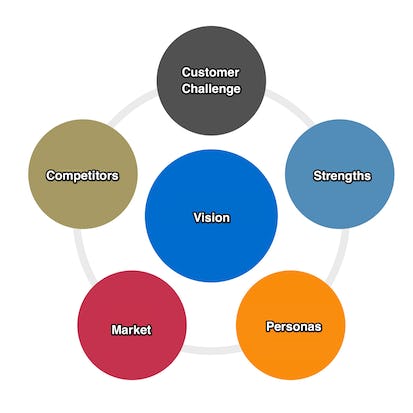
In this 2-hour long project-based course, you will learn what makes a good Product Roadmap, how to use Aha! to combine your product artifacts in a well-structured Product Roadmap, and how to customize Aha! to match the processes and requirements in your team. Using Aha!, step by step we will start from a blank sheet of paper to get to a comprehensive product definition. We will structure the information in a way that allows to switch between execution level information, like Features and Release and also being able to zoom out to high-level information like Goals and Vision.
Buy Now Free
- Level Foundation
- المدة 2 ساعات hours
- الطبع بواسطة Coursera
-
Offered by
عن
In this 2-hour long project-based course, you will learn what makes a good Product Roadmap, how to use Aha! to combine your product artifacts in a well-structured Product Roadmap, and how to customize Aha! to match the processes and requirements in your team. Using Aha!, step by step we will start from a blank sheet of paper to get to a comprehensive product definition. We will structure the information in a way that allows to switch between execution level information, like Features and Release and also being able to zoom out to high-level information like Goals and Vision.الوحدات
Practical Application via Rhyme
-
1
Readings
-
1
Discussion
-
1
Plugin
-
1
Lab
-
1
Assignment
1
Assignment
- Test your understanding of Building Product Roadmap with Aha!
1
Discussions
- Time for reflection
1
Labs
- Build a Product Roadmap with Aha!
1
Readings
- Project-based Course Overview
Auto Summary
Embark on a 2-hour project-based journey to mastering product roadmaps with Aha! Tailored for foundational learners in personal development, this course by Coursera teaches you to create and customize structured product roadmaps. Ideal for teams, it covers everything from detailed features to high-level goals and vision. Available with a Starter subscription.
Buy Now Free
- Level Foundation
- المدة 2 ساعات hours
-
Offered by
عن
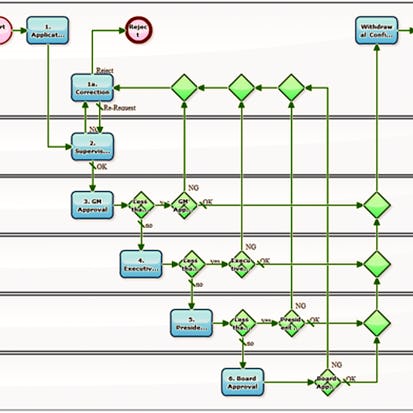
By the end of this project, you will be able to apply design principles and customer-centric thinking to create an interactive prototype with webpage linkage with the goal of optimizing user interface design to streamline user acceptance testing. To create an interactive prototype, you will gain hands-on experience applying design thinking, user interface knowledge, and context from each step of the customer journey in the Miro online visual collaboration platform for teamwork. Note: This course works best for learners who are based in the North America region. We’re currently working on providing the same experience in other regions.Auto Summary
"Create Interactive Prototypes with Webpage Linkage in Miro" is a foundational Coursera course focused on personal development. Led by expert instructors, it teaches you to apply design principles and customer-centric thinking using the Miro platform. Over 120 minutes, you'll gain hands-on experience in optimizing user interface design for effective user acceptance testing. Ideal for North American learners, the course offers a starter subscription option.